If K-pop is part of why you're coming to Korea, Seoul does not disappoint. The industry lives here — the agencies, the TV music shows, the dance studios, the fan culture — and there's far more to do than stand outside a building hoping for a glimpse. Here's how to do Seoul as a fan, and how to do it respectfully.
Weekly music shows
Korea's TV music shows are broadcast live or recorded in front of small studio audiences almost every day of the week, across the big networks (KBS, MBC, SBS and cable channels). Getting in is the holy grail for fans — and honestly, it's hard:
- Most audience spots go to official fan club members of the performing groups, organised through fan communities
- Some foreign fan applications open occasionally through agencies or specialist fan tours
- Queues can start very early, and entry is never guaranteed
If you're a registered fan club member of a group that's promoting during your trip, it's absolutely worth trying. Otherwise, catch the broadcast and put your energy into the things below.
Agency buildings (visit respectfully)
Fans visit the headquarters of the big entertainment companies to take photos outside — HYBE is in Yongsan, SM Entertainment in Seongsu, JYP in Gangdong and YG in Hapjeong. They're working office buildings, so:
- Take your photo and move on — don't loiter at entrances
- Never follow, photograph or approach staff, trainees or idols
- Don't block the pavement or car entrances
Birthday cafés and cupsleeve events
One of the most fun parts of K-pop fan culture: on an idol's birthday (and for anniversaries and comebacks), fans rent out cafés and decorate them with photos and banners, often handing out free "cupsleeves", photocards and stickers with your drink. Events are announced on social media — search the idol's name plus "birthday café" or "cupsleeve" for your dates. Seongsu, Hongdae and Sinchon are frequent hosts.
Dance classes
Several Seoul dance studios run drop-in or one-day K-pop dance classes aimed at visitors, where you learn a chorus of a hit song in an hour or two. Some famous studios in Seongsu and Gangnam offer classes you can book in English. Search for "K-pop dance class Seoul" and check reviews and the level before booking.
Albums and merch
- Record and album stores in Myeongdong, Hongdae and big shopping centres stock the latest albums, often with pre-order benefits
- Official pop-up stores open for comebacks and anniversaries — Seongsu especially (guide)
- Duty-free and department stores sometimes run K-pop promotions
K-Star Road
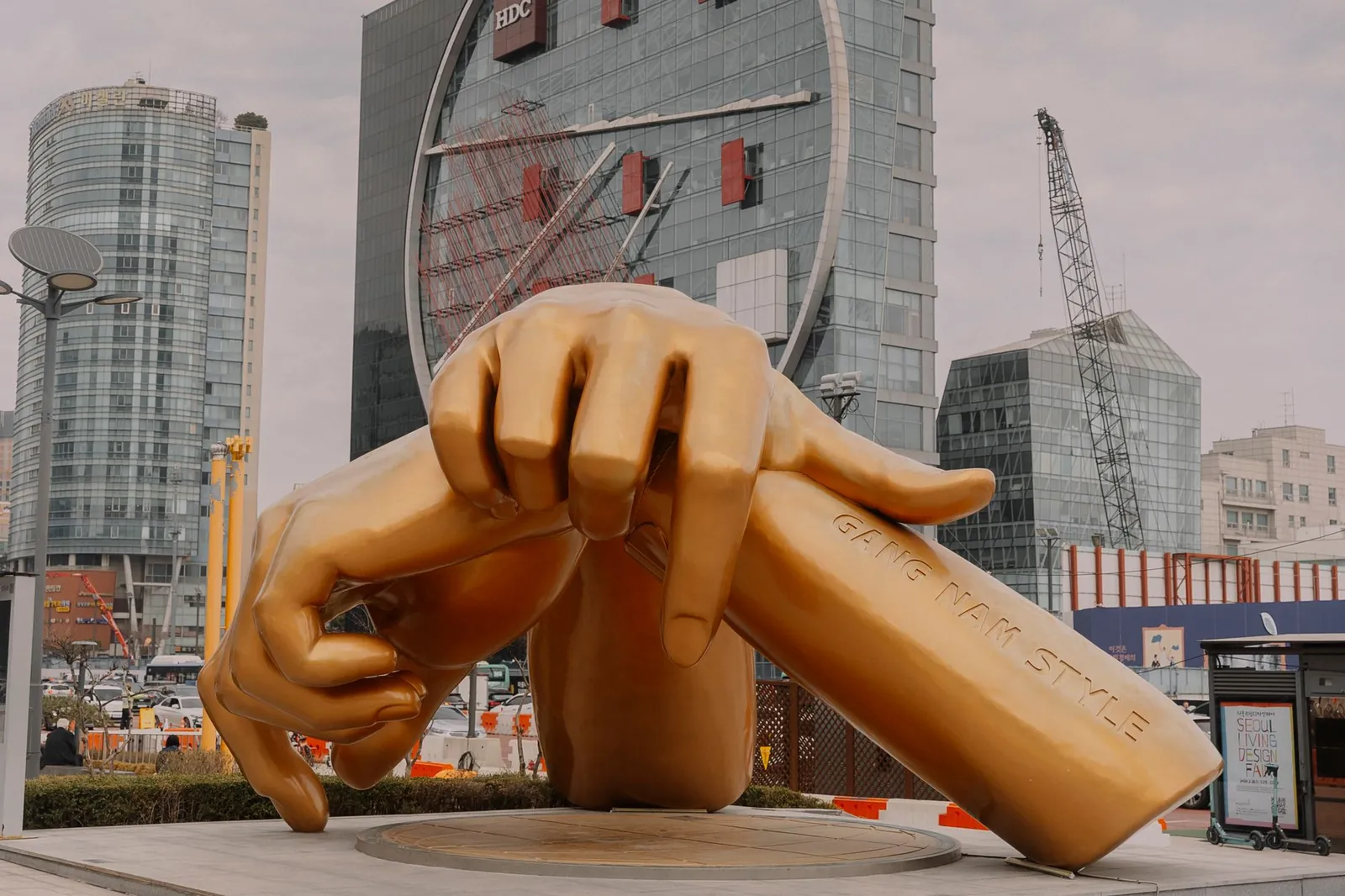
In Apgujeong's Rodeo Street area in Gangnam, a strip called K-Star Road is lined with large bear statues ("GangnamDol") decorated for different K-pop groups. It's a quick, fun photo stop if you're in the area.
Concerts
- Buy only through official ticketing platforms and their global/English services, announced by the agency or venue
- Big shows sell out in minutes; be ready at the exact opening time (Korea time)
- Avoid resale on social media — fake and duplicate tickets are common, and many venues check ID against the ticket name
Noraebang
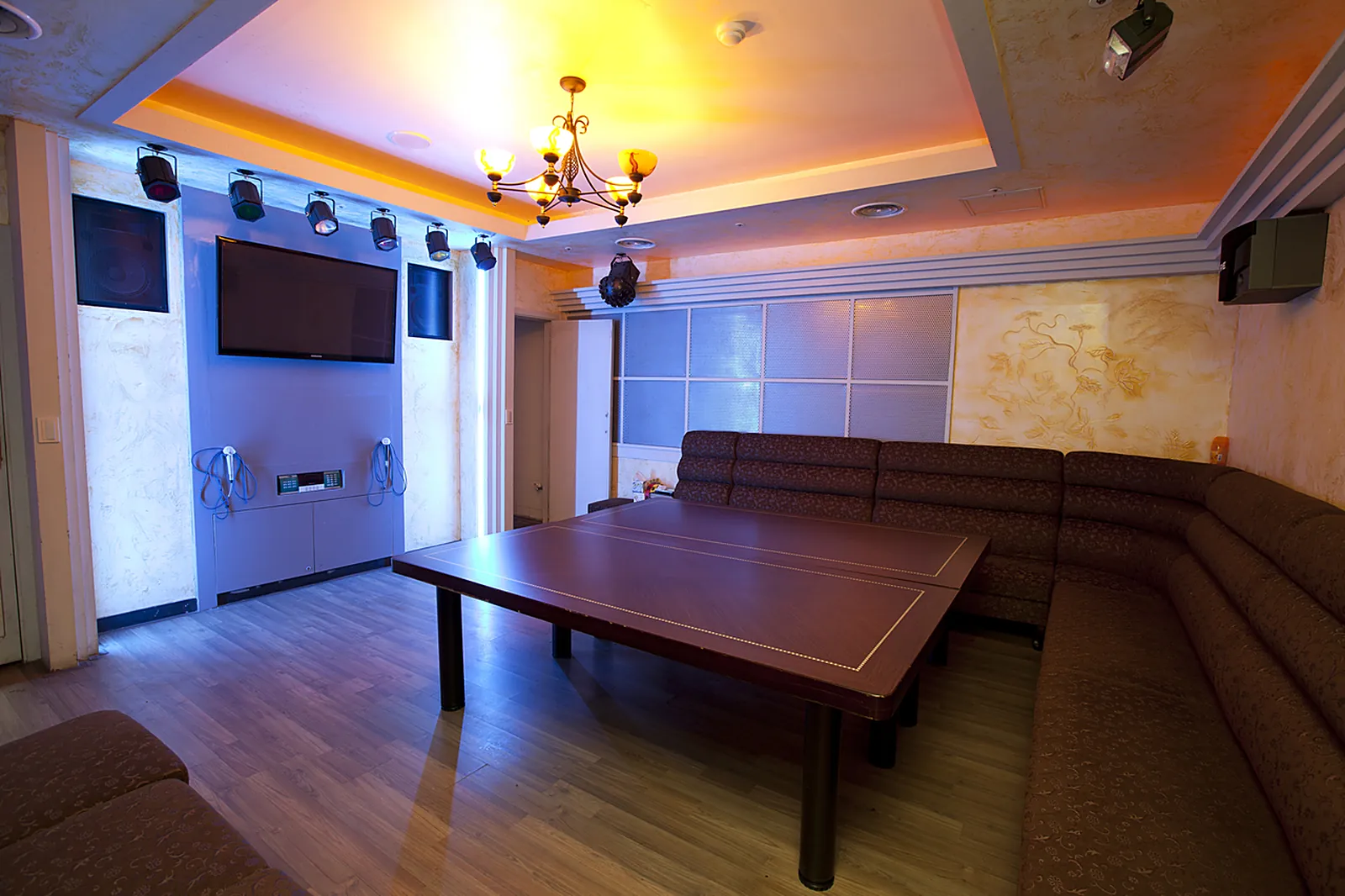
End the day the right way: rent a karaoke room and sing your favourites. Every noraebang has a massive K-pop catalogue. See our Hongdae guide for the best area.
A K-pop day in Seoul
- Morning: photo stop at an agency building or K-Star Road on your way somewhere else
- Late morning: browse albums and merch in Myeongdong or a Hongdae record store
- Afternoon: a birthday café or cupsleeve event if one is on, otherwise a pop-up in Seongsu
- Early evening: a one-hour dance class
- Night: noraebang in Hongdae, singing the songs you just danced to
Planning around comebacks
When a group releases new music, Seoul fills up with events: pop-up stores, special café menus, subway advertising and music-show performances. Follow the group's official social accounts and fan communities for your travel dates — announcements often come only a week or two ahead.
Birthdays are the other big moment. Fans organise café events and subway billboards, so an idol's birthday week is a great time to visit.
Merch shopping tips
- Official merch is sold at agency stores, pop-ups and big record stores. Prices are fixed and quality is guaranteed
- Pre-order benefits — posters or photocards — often come only with purchases from specific stores
- Photocard trading is huge. Fans trade at events and cafés; be polite and check condition before you swap
- Unofficial goods are everywhere in tourist areas. They're cheaper, but not what collectors want
Fan-event etiquette
- Follow staff instructions at events, especially in queues
- Don't record performances where filming is banned
- Be kind to other fans — everyone is there for the same reason
- Leave cafés tidy and buy a drink if you're taking part in a café event
Our honest take
You don't need to be a superfan to enjoy K-pop Seoul, but fans get the most out of it. The best experiences aren't the famous buildings — they're the fan culture: cafés, pop-ups, dance classes and singing along at a noraebang.
It's worth planning around if:
- Your favourite group is promoting or has a birthday during your trip
- You'd love to take a dance class or buy albums in person
- You enjoy community events and meeting other fans
Don't over-plan if:
- You're a casual fan — a pop-up and a karaoke night will be plenty
- You're hoping to see idols in person — that's rarely possible and shouldn't be the goal
Our tip: check social media for events during your dates, pick one or two fan activities, and fill the rest of the day with Seongsu, Hongdae or Myeongdong nearby. Be respectful, have fun, and bring an extra bag for albums.
Frequently asked questions
Can I meet idols in Seoul?
Official fan meetings and fan-sign events exist, usually through album purchase draws. Trying to meet them any other way isn't okay.
Where do fans hang out?
Hongdae, Sinchon and Seongsu for cafés and events; Myeongdong for shopping.
Is it worth visiting agency buildings?
For a quick photo on the way somewhere else, sure. They're ordinary office buildings.
Do I need to speak Korean for fan events?
It helps, but many events are very foreigner-friendly. Papago covers the basics.