Ask anyone in Seoul under 35 where to take a visiting friend, and Seongsu comes up first. It's the neighbourhood locals actually go to on weekends, and the one brands fight over to open their flagship stores and pop-ups.
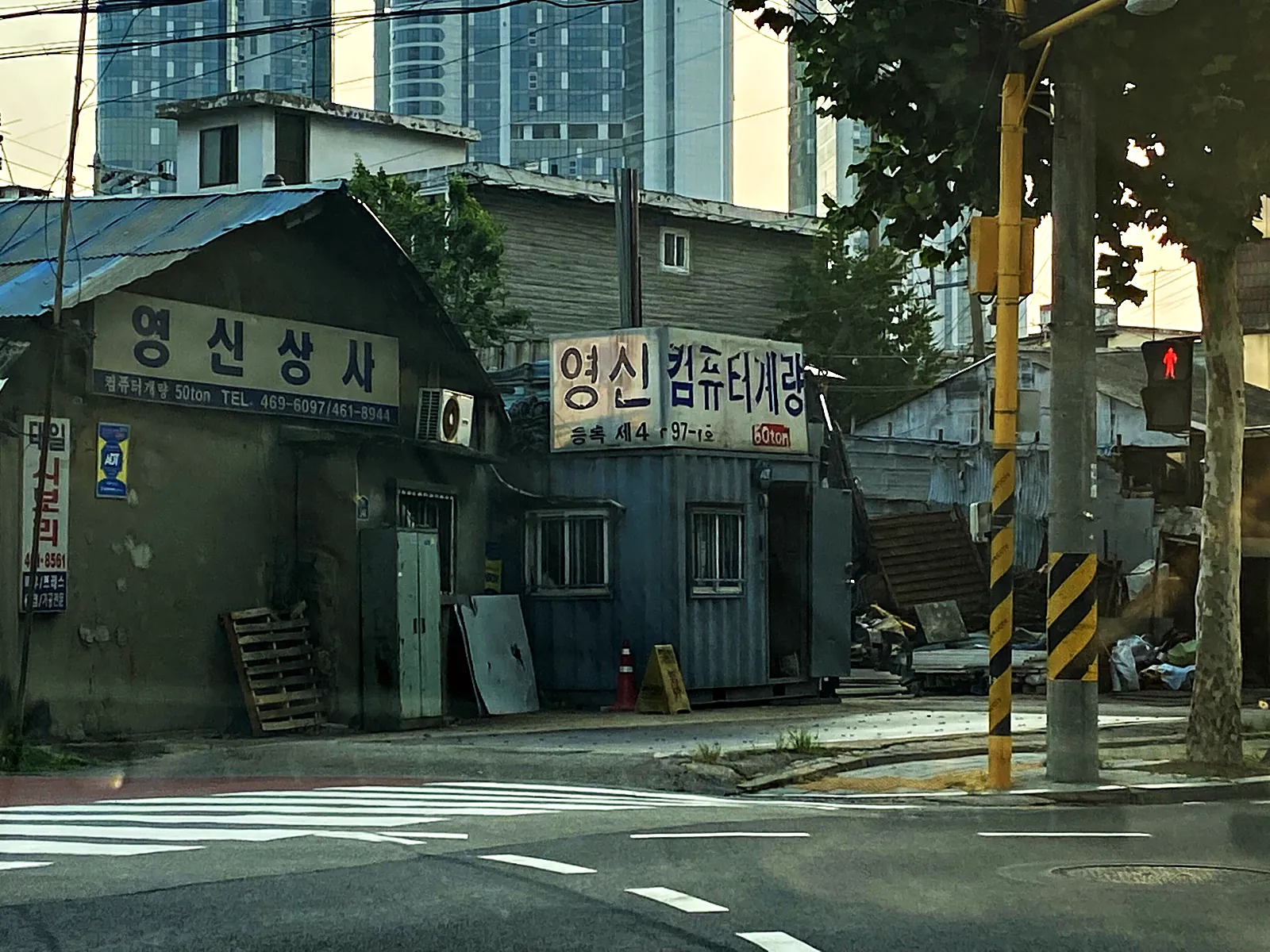
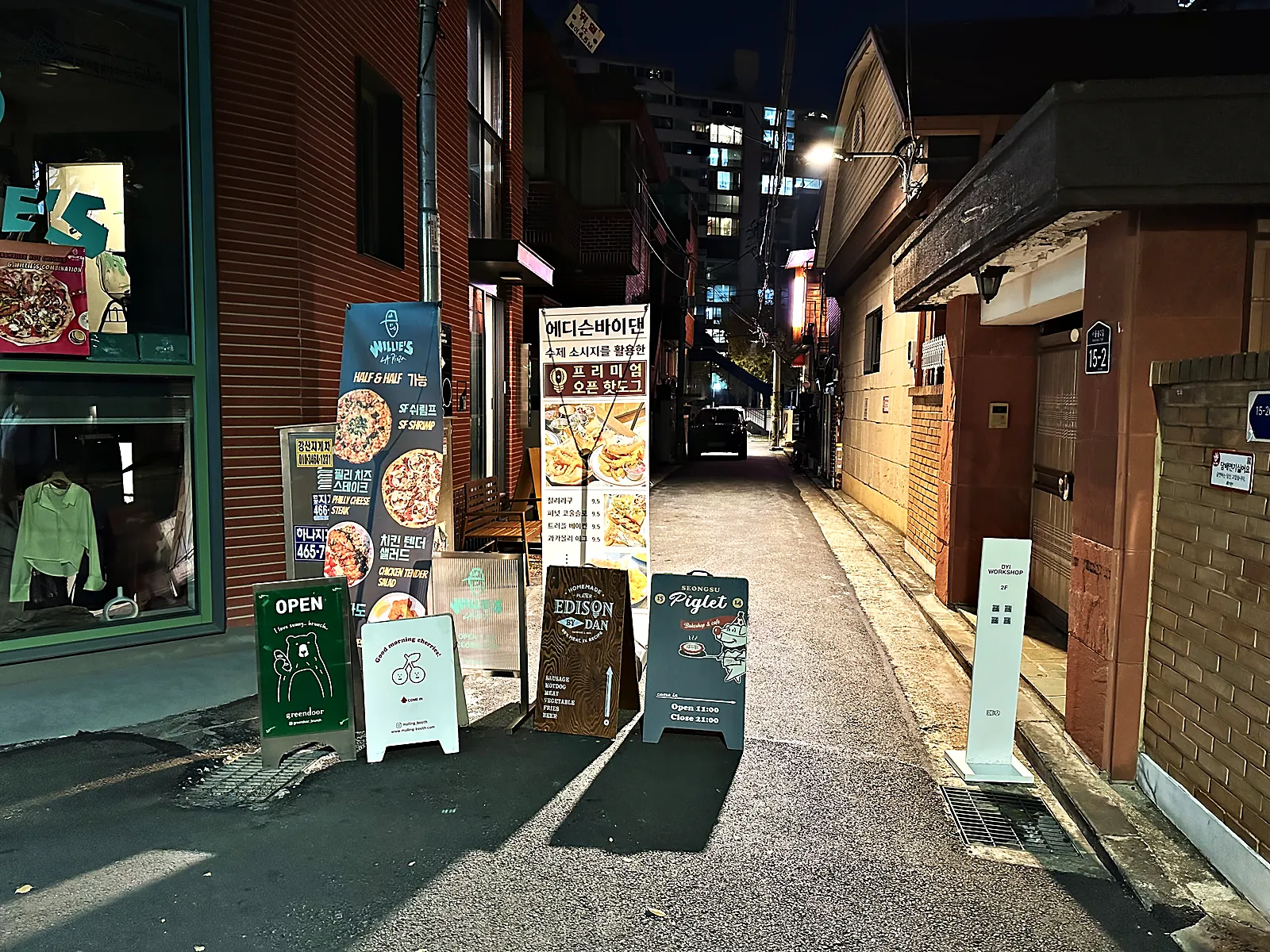
What makes it special is that none of it was designed for tourists. For decades Seongsu was an industrial area of shoe workshops, printers and small factories. As rents in other parts of Seoul climbed, cafés and designers moved into the old brick buildings — and kept the bones. Exposed brick, steel beams and old factory signage are real here, not a theme.
What to actually do there
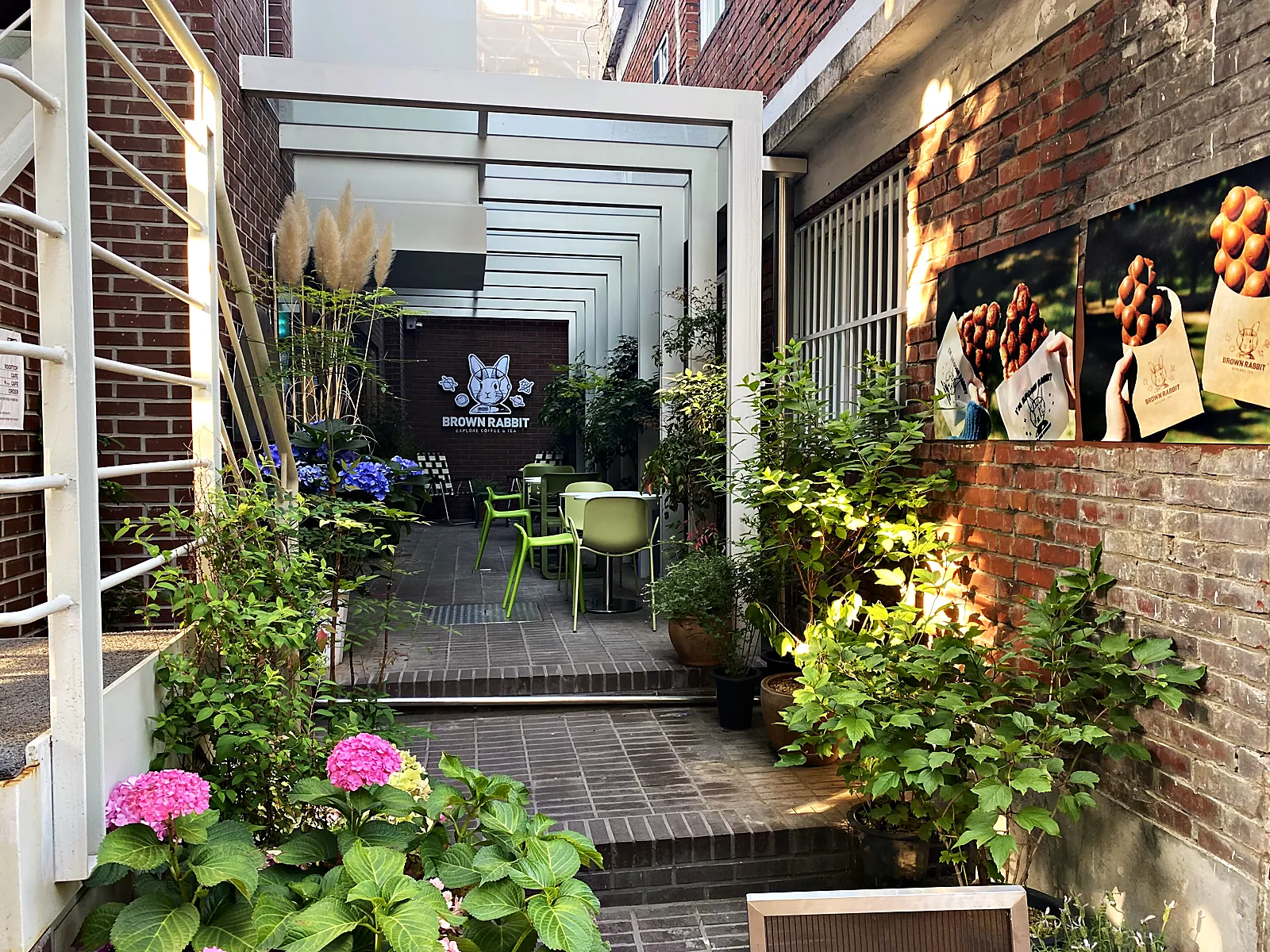
Café-hop. Seongsu has one of the highest concentrations of design-led cafés in the city. Many are in converted warehouses with dramatic interiors, and the coffee and bakeries are genuinely good, not just photogenic.
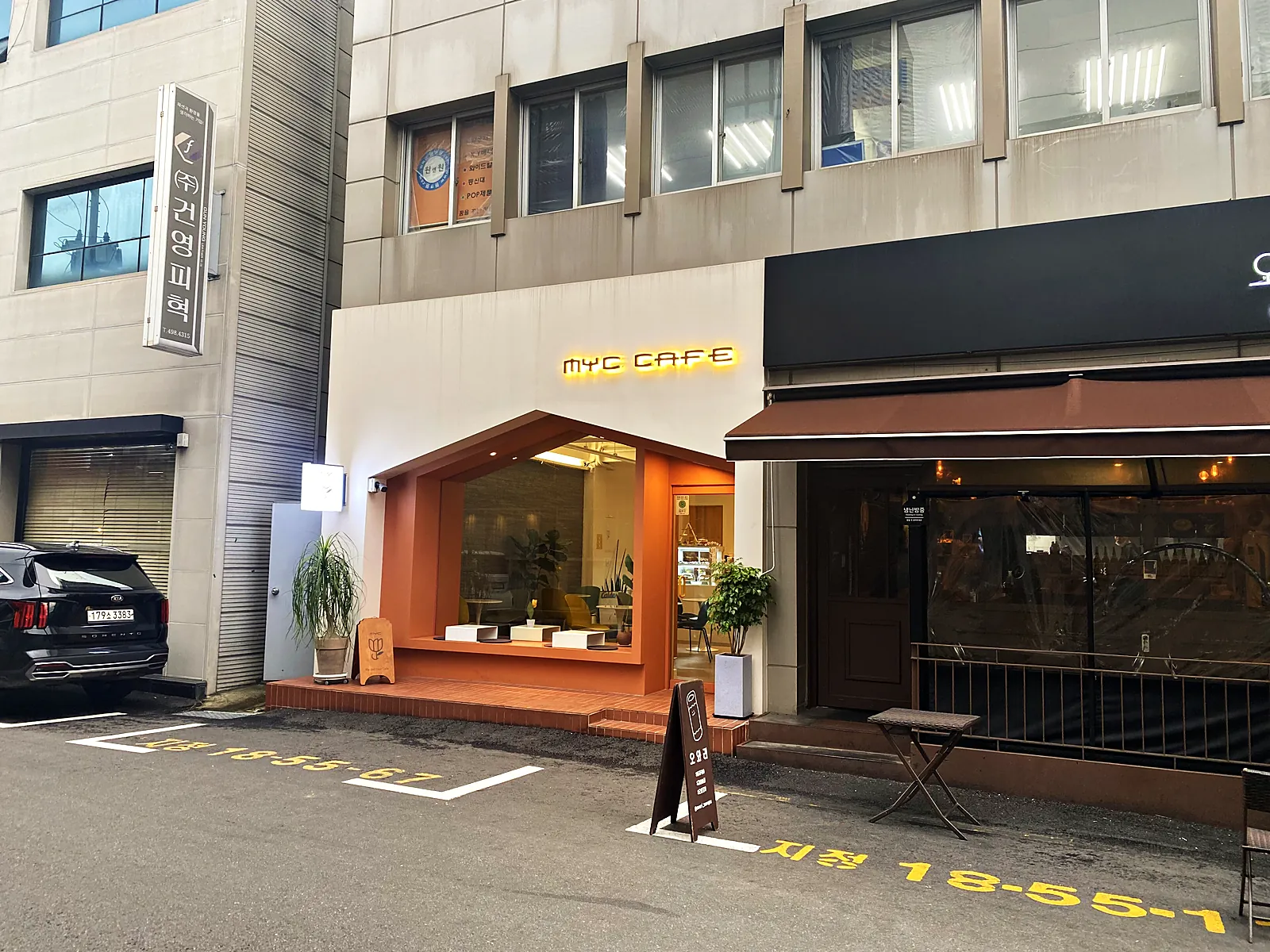
Catch a pop-up. Seongsu is Seoul's pop-up capital. Fashion, beauty, snack and entertainment brands run limited-time stores here constantly — sometimes with queues around the block and free samples or photo zones inside. What's on changes every week; checking Instagram for "성수 팝업" (Seongsu pop-up) shows you the current ones.
Shop concept stores. Independent Korean fashion labels, ceramics studios, stationery shops and design stores, many with no second location.
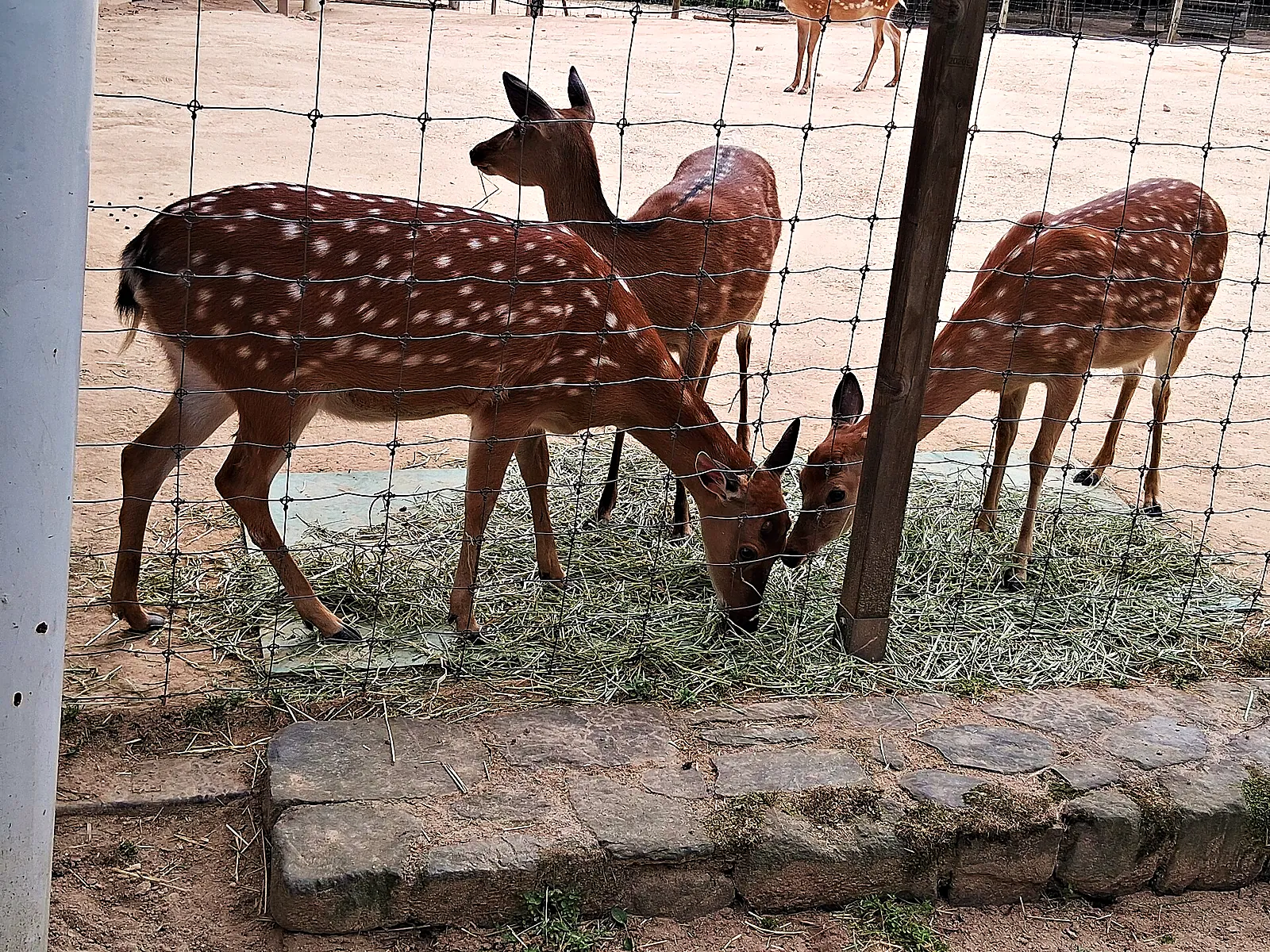
Walk Seoul Forest. A large park on the neighbourhood's edge, with lawns, a deer enclosure and paths that connect toward the Han River. The perfect slow start or cool-down.
Look for the shoe street. Near Seongsu Station you can still find shoemaking workshops and stores selling handmade shoes — the district's original trade.
A sample half-day route
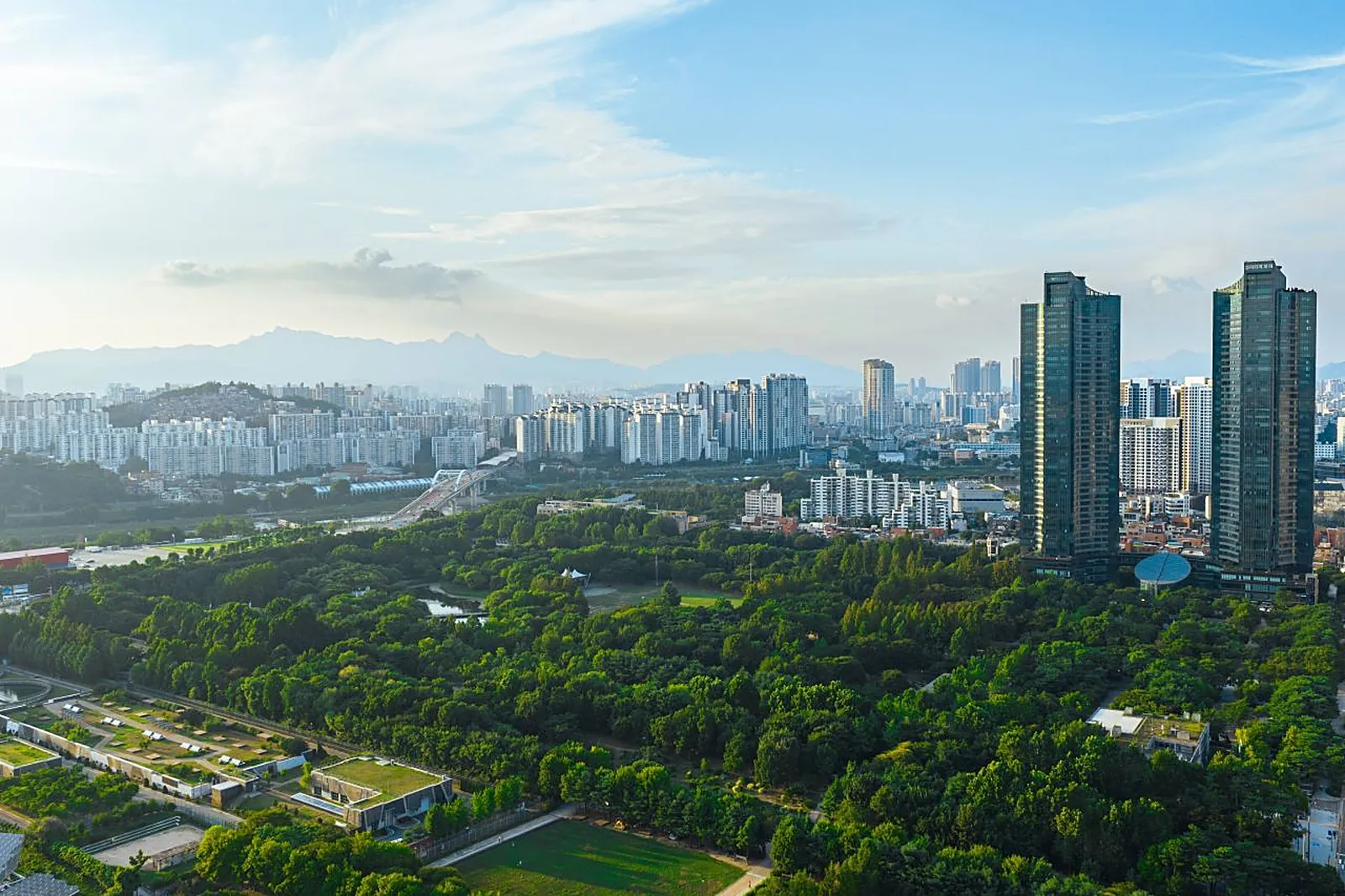
- Morning: Seoul Forest Station → walk through Seoul Forest
- Late morning: coffee and pastries in the café streets between the park and Seongsu Station
- Lunch: plenty of restaurants in the side streets — check Naver Map for what's open
- Afternoon: pop-ups and concept stores along the back streets north of Seongsu Station
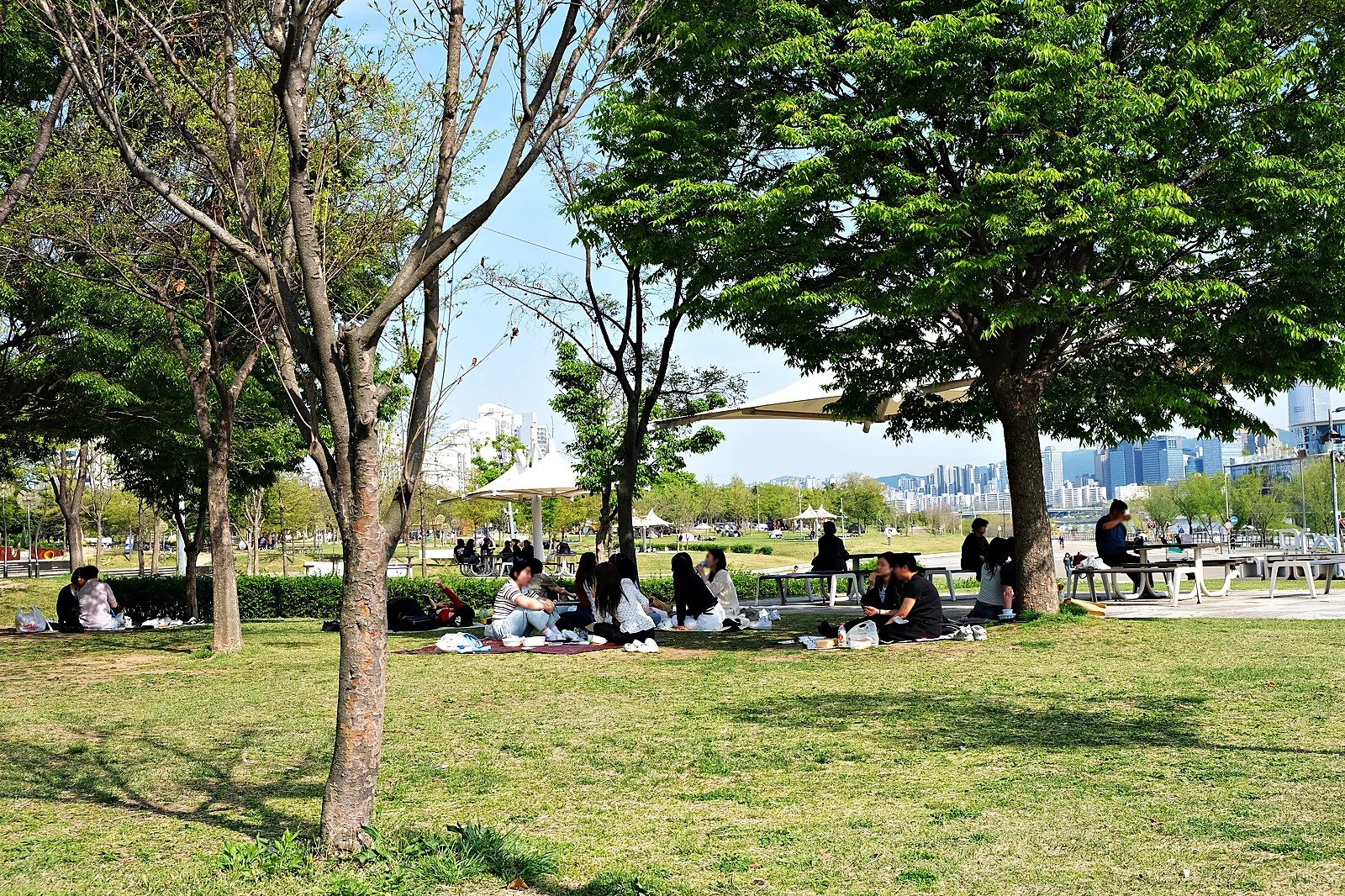
- Evening: dinner, or head to Ttukseom Hangang Park for sunset by the river
When to go
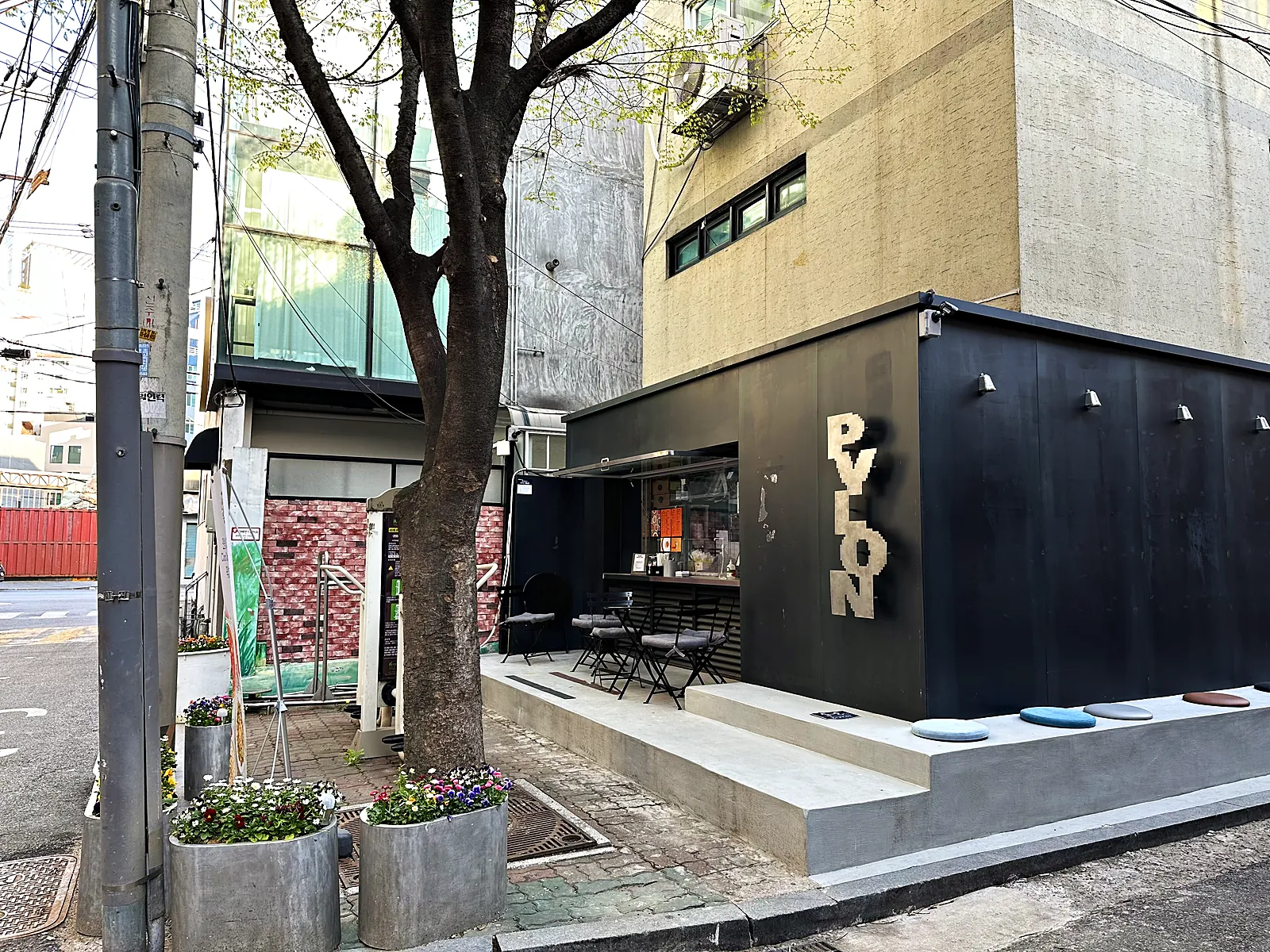
- Weekdays are much calmer. Weekend afternoons can mean 30-minute waits at popular cafés and long pop-up queues
- Many cafés open late morning, so there's no advantage to arriving at 8am
- Spring and autumn are ideal for the park; winter is great for long café sessions
Save it all before you go
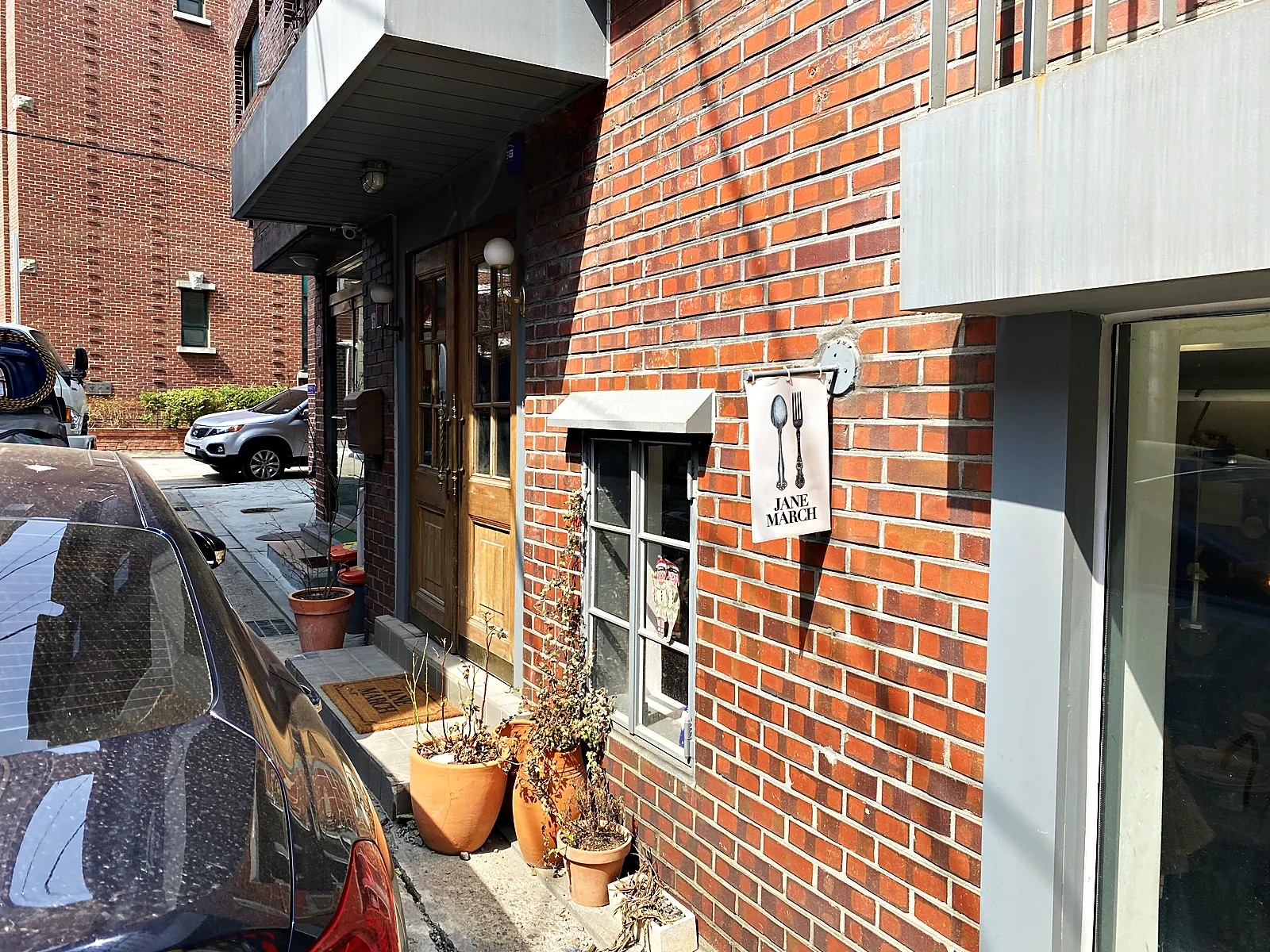
Seongsu rewards wandering, but it also punishes it: without a plan, it's easy to spend an hour walking between closed shops and chain stores. Save a list of places in Naver Map before you go, and check opening days (lots of small shops close on Mondays).
Every Seongsu spot in this guide is in our free Seoul map pack — with Korean names and one-tap Naver Map links, plus a file you can import into Google My Maps.
A short history
For much of the late 20th century, Seongsu was one of Seoul's main manufacturing areas — especially for shoes, alongside printing shops, auto workshops and small factories. When production moved elsewhere, the old buildings emptied out. In the 2010s cafés, designers and galleries moved in, attracted by the space and the rents.
Today Seongsu is often called "the Brooklyn of Seoul". The comparison is a little lazy, but the atmosphere — brick, steel and small independent businesses next to working workshops — is real.
Where to eat
Seongsu has more than cafés:
- Korean BBQ and old-school restaurants near Seongsu Station, busy with local workers at dinner
- Bakeries — Seongsu is one of Seoul's bakery hotspots
- Noodles and casual lunch places throughout the side streets
- Modern Korean and fusion restaurants in the streets toward Seoul Forest
Check Naver Map for break times — many smaller places close in the mid-afternoon.
Seongsu after dark
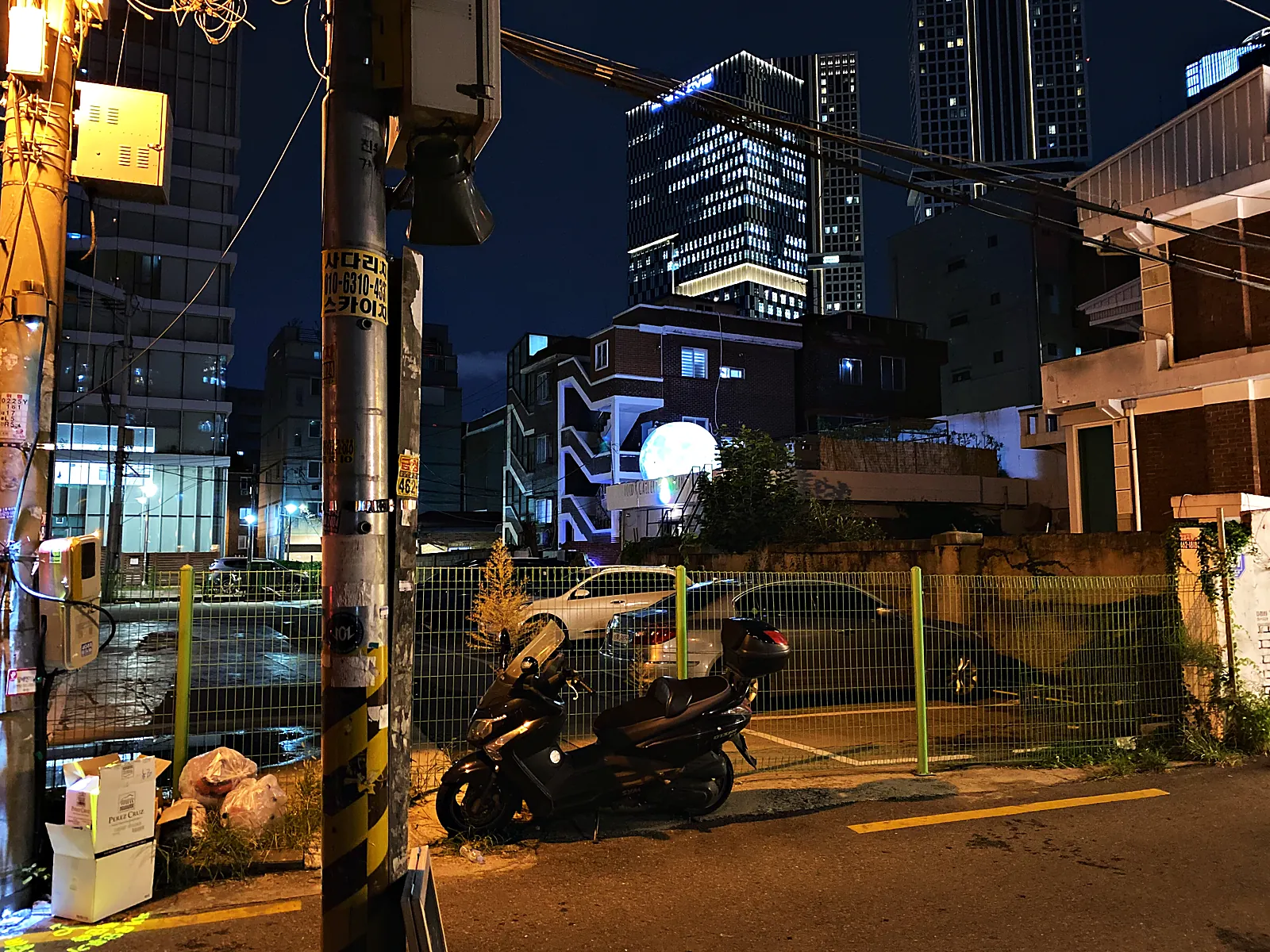
In the evening, the pop-up crowds thin out and the neighbourhood relaxes. Bars and restaurants around Seoul Forest and the streets near Ttukseom stay lively, and the walk to the river for sunset is a great way to finish the day.
Combine it with
- Ttukseom Hangang Park — the river is a short walk away (night picnic guide)
- Konkuk University area — one stop away on Line 2, with cheap food and a lively student atmosphere
- Seoul Forest — easily a morning on its own
Getting there
- Seongsu Station (Line 2) — the heart of the café and pop-up streets; different exits lead to different clusters
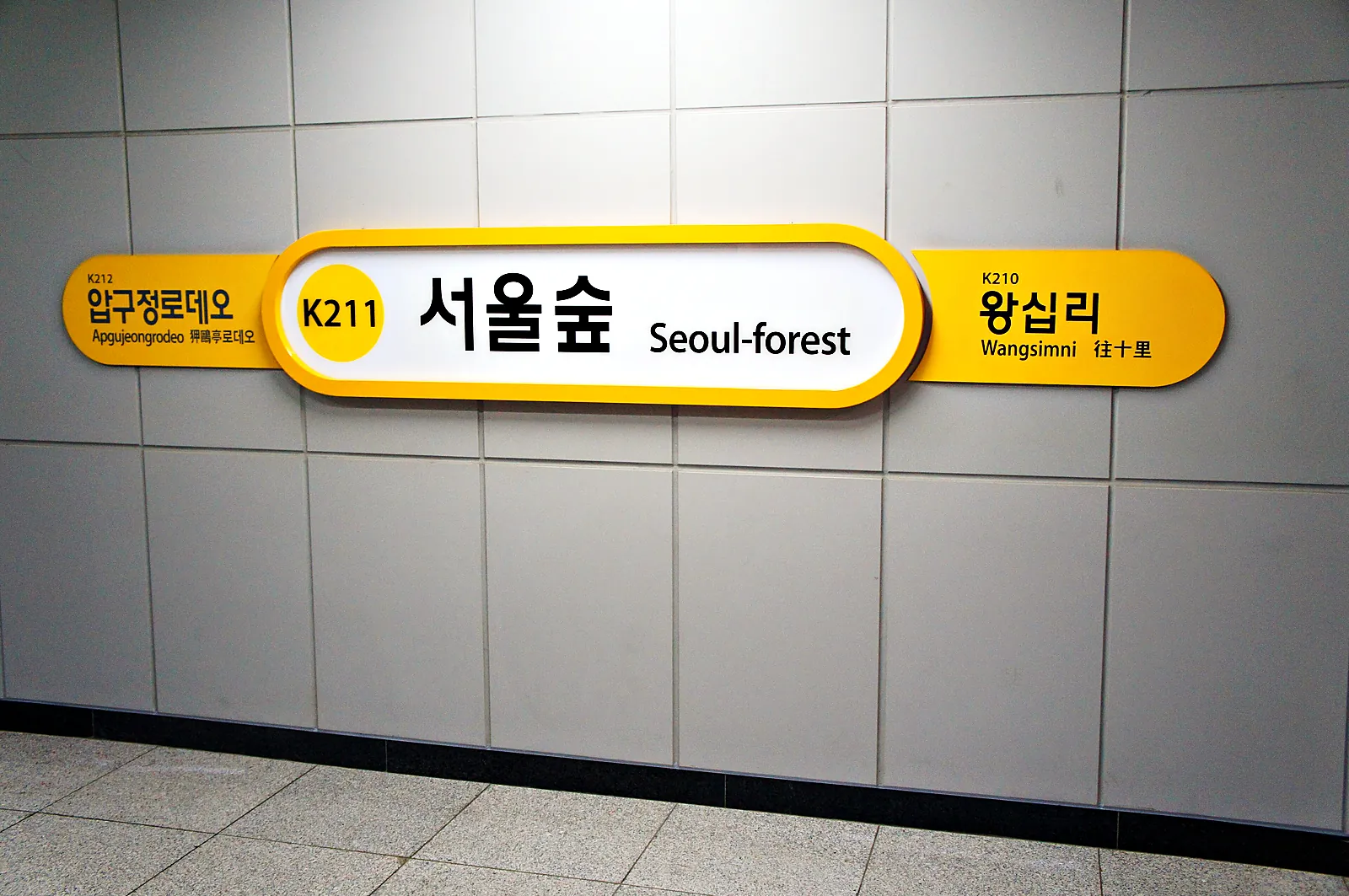
- Seoul Forest Station (Suin-Bundang Line) — right by the park
- Ttukseom Station (Line 2) — for the river park
Our honest take
Seongsu deserves the hype, with one caveat: it's easy to have a mediocre day there. Walk the main road on a Saturday afternoon and you'll mostly see queues and chain stores.
Seongsu is great if:
- You love cafés, design and independent shops
- You want to see what young Seoul is into right now
- You're happy to wander side streets and make your own discoveries
- You're there on a weekday, or early on a weekend
It's less fun if:
- You hate queues — the popular pop-ups can mean long waits
- You want traditional Korea — go to Bukchon or the palaces instead
- It's raining heavily and you're planning to walk a lot
Our tip: save ten or fifteen places before you go, start at Seoul Forest in the morning, and treat the day as a loose route rather than a checklist. Leave room for the pop-up you didn't know about — that's what Seongsu does best.
Frequently asked questions
Is Seongsu walkable?
Very. The main café, shop and park areas are within about 15–20 minutes of each other on foot.
Are there English menus?
Most of the popular cafés have English or picture menus. Smaller places vary — Papago helps.
Is it good on a rainy day?
Partly. Cafés and pop-ups are indoors, but the wandering-between-them part is much less fun in the rain.
How long should I spend there?
Half a day is a good minimum. Café lovers easily spend a whole day.