
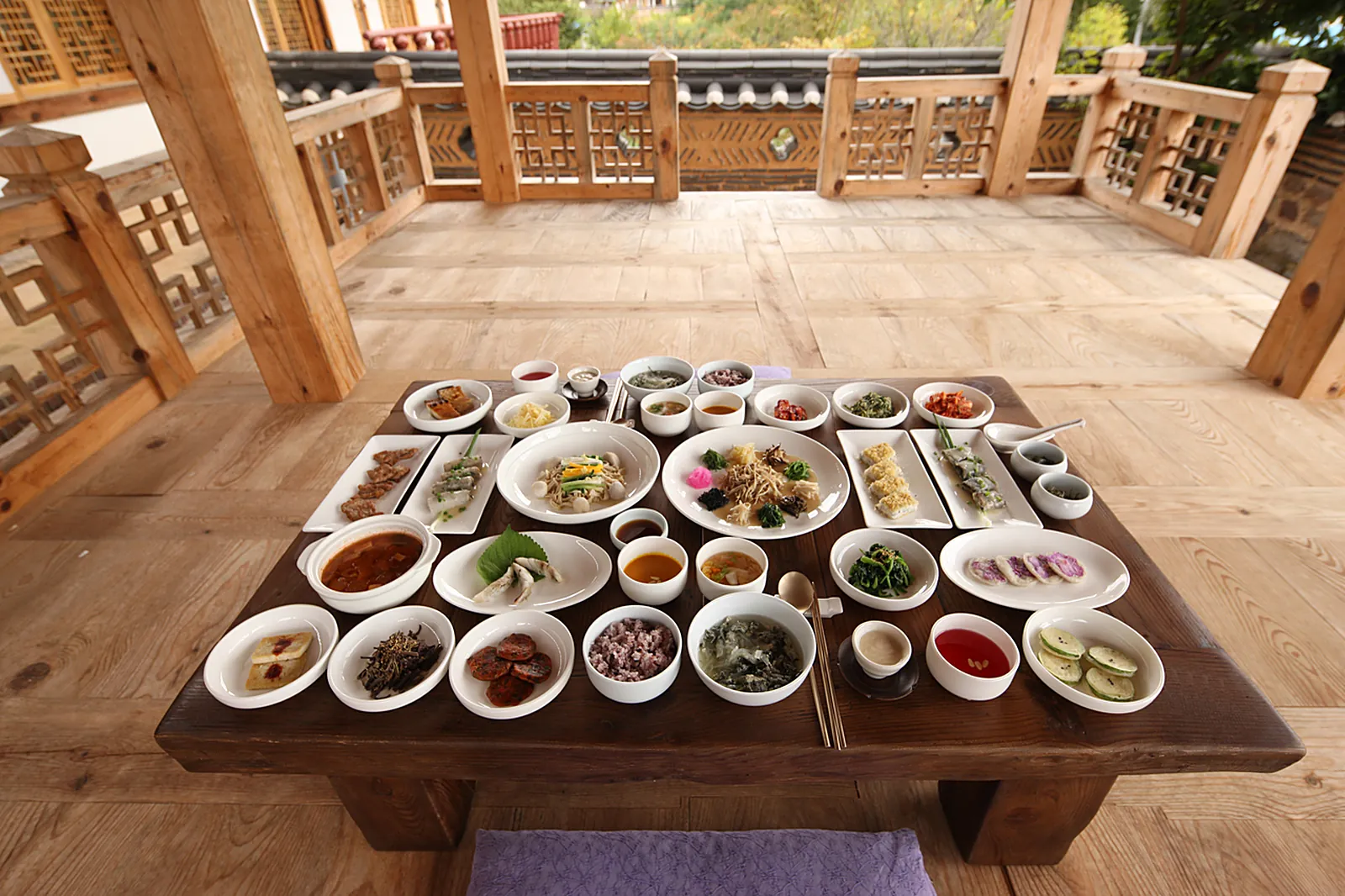
 A traditional Korean table set with many small dishesPhoto: 한국관광공사 김지호 / Korea Tourism Organization (KOGL Type 1)
Eating
Korean BBQ done right, market stalls, convenience-store feasts, getting a table at the hyped places — and where to go when you want a break from Korean food.
 Eating
Market Food
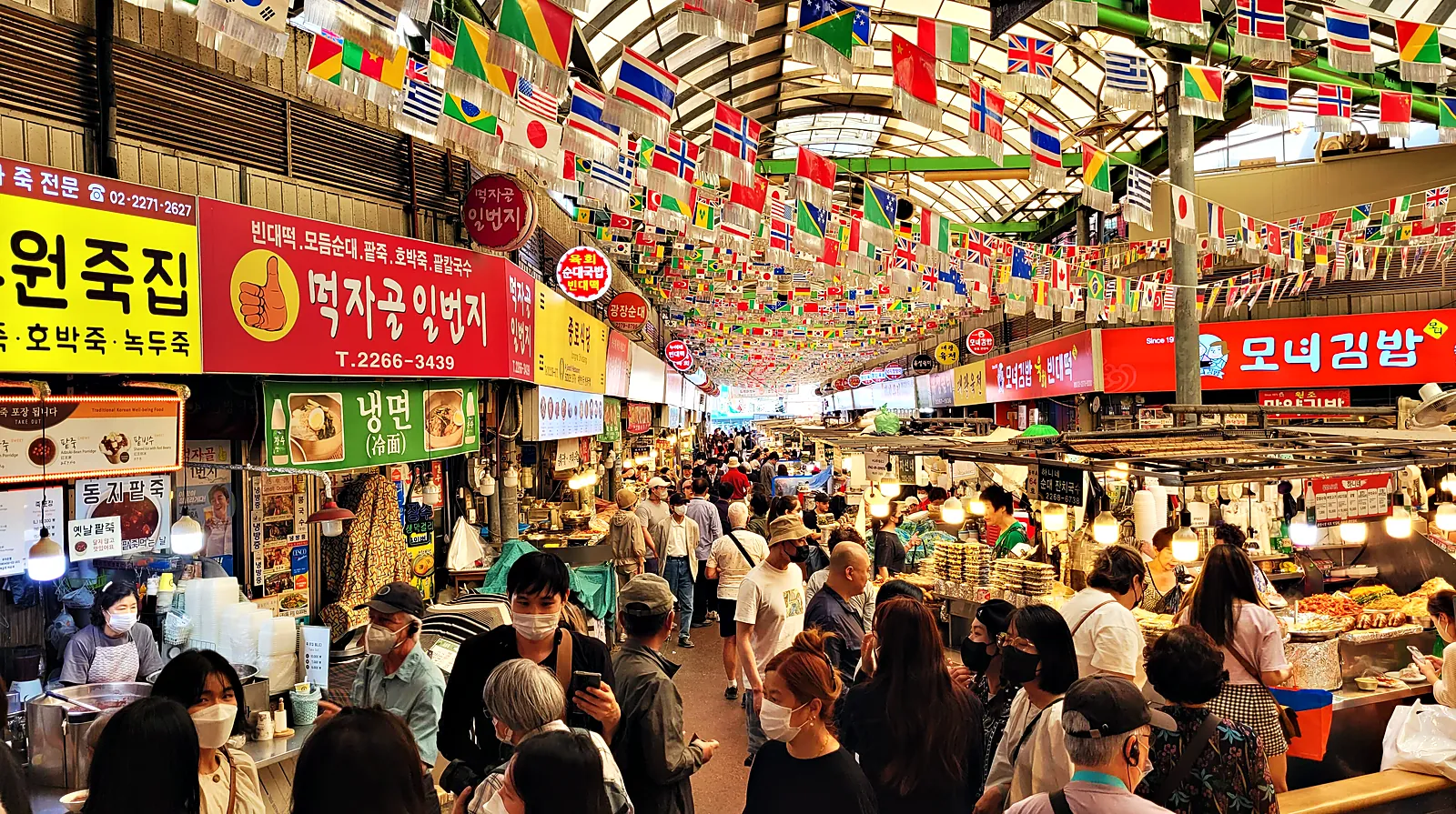
Gwangjang Market: What to Eat and How to Order
Mung-bean pancakes, mayak gimbap and beef tartare at the stalls of Seoul's most famous food market.
 Eating
Dining Etiquette
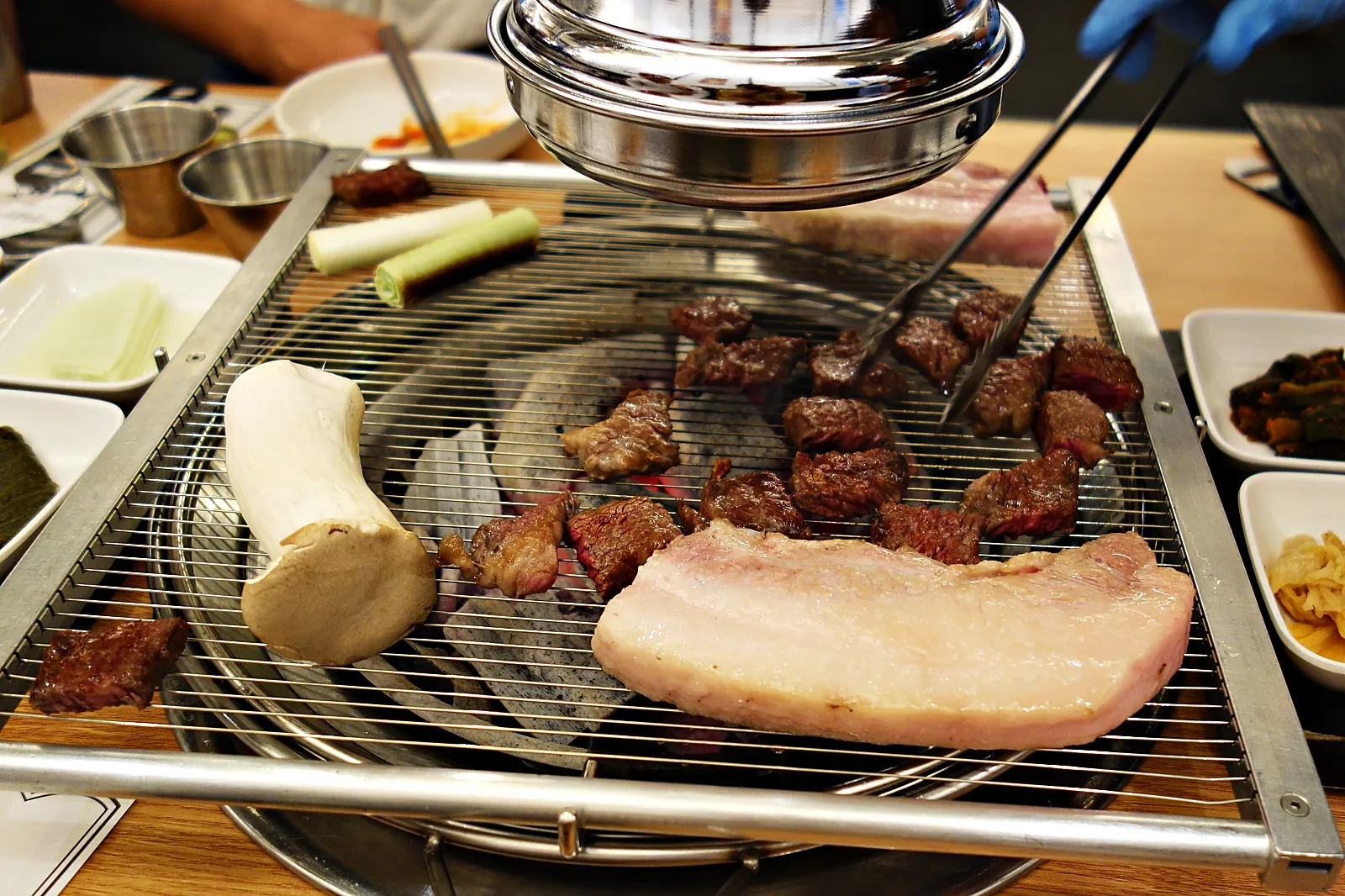
Korean BBQ, Done Right
What to order, who grills, how to wrap — and how to finish the meal like a local.
Markets
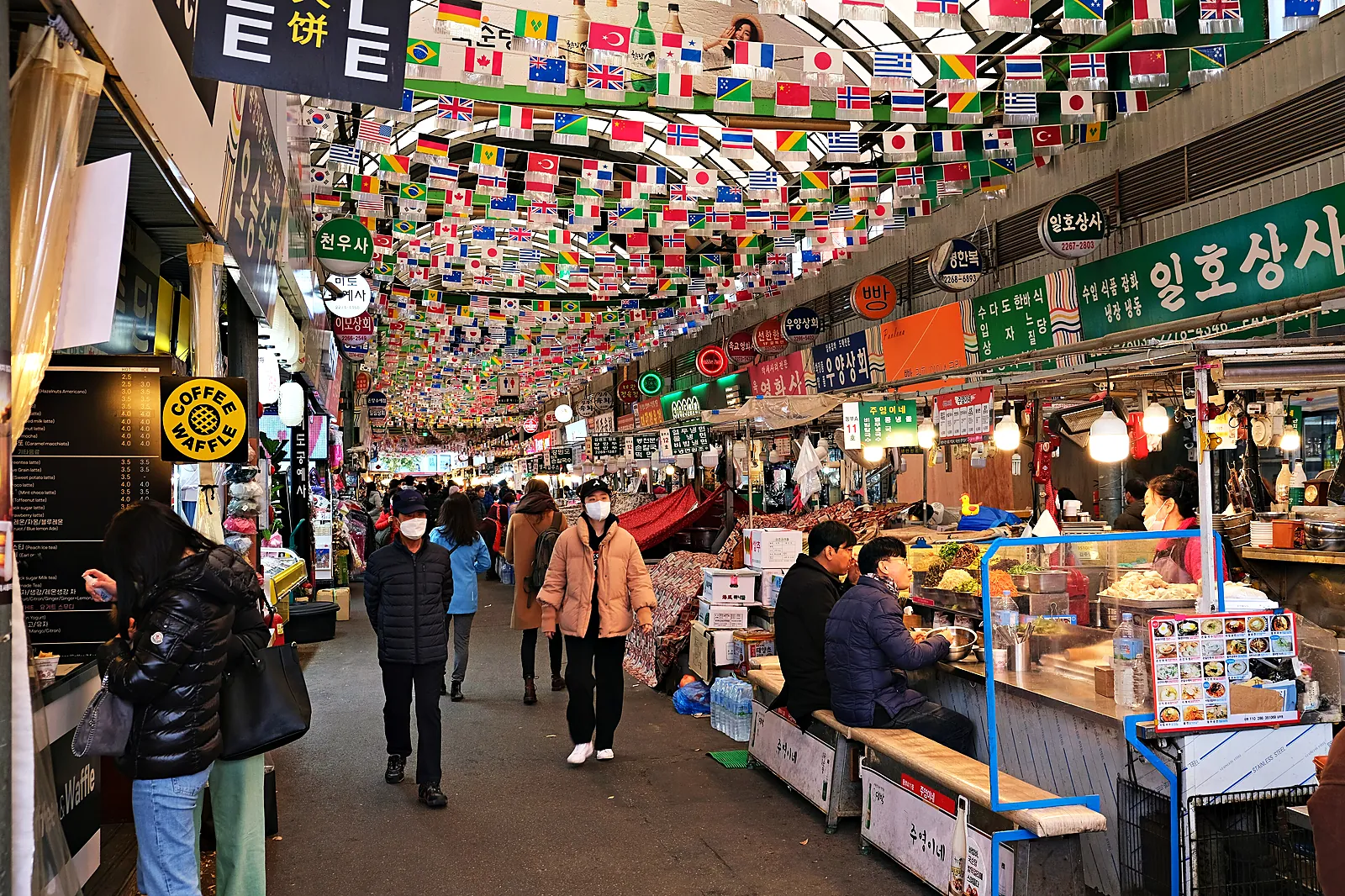
Seoul's Traditional Markets, Compared
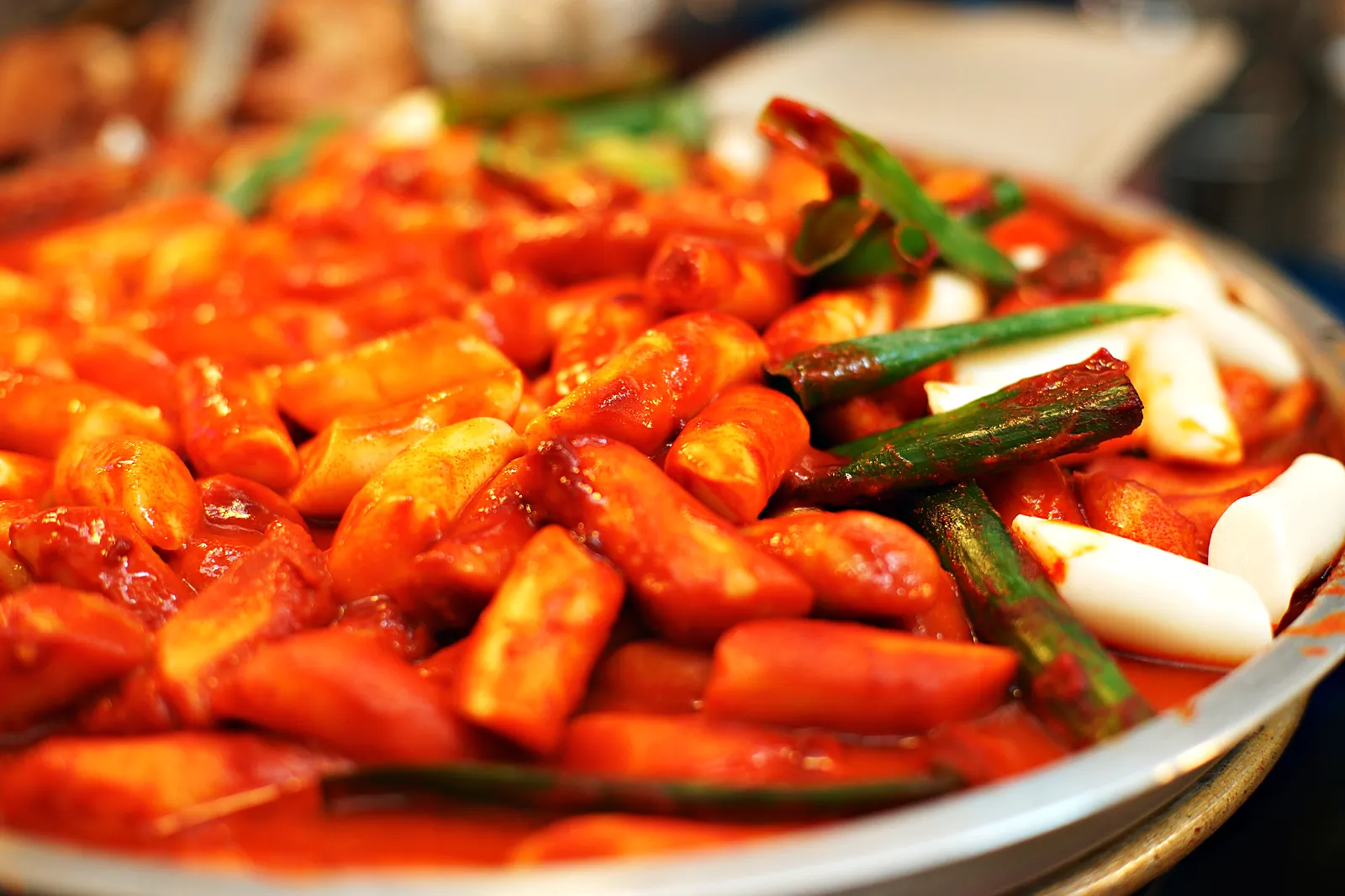
Street Food
Seoul Street Food, A to Z
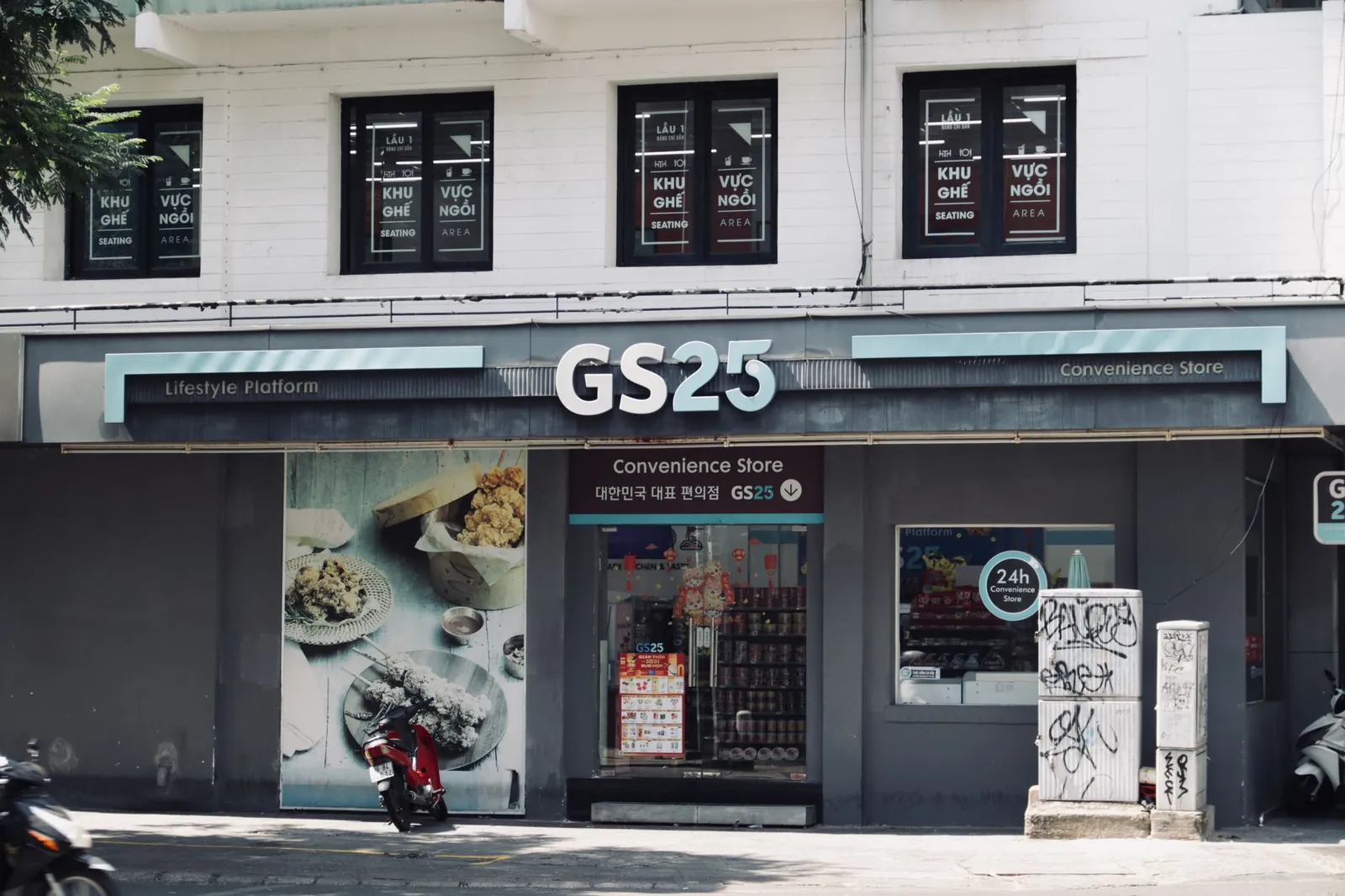
Cheap Eats
The Korean Convenience Store Survival Guide
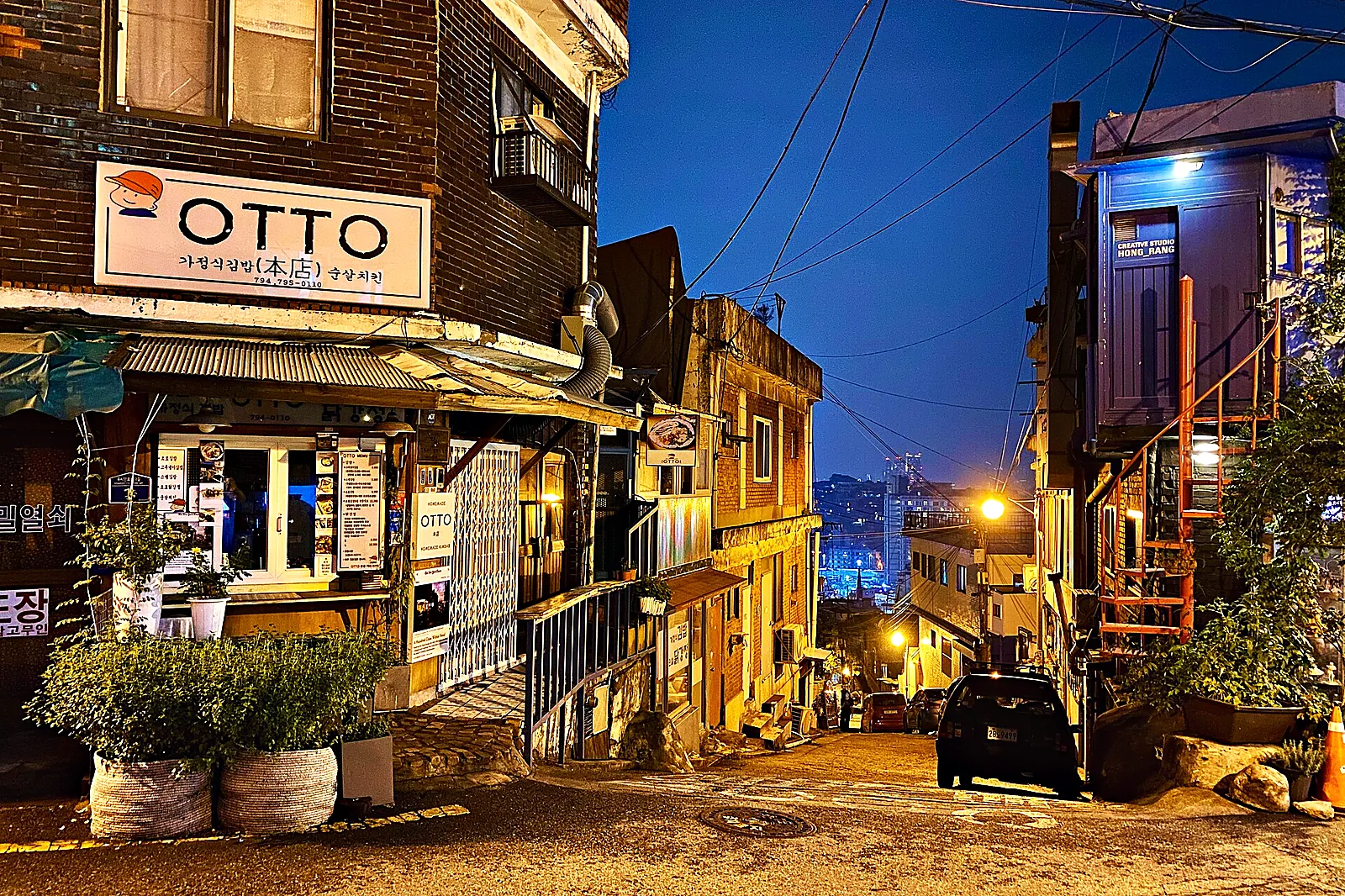
International Eats
Itaewon, Block by Block
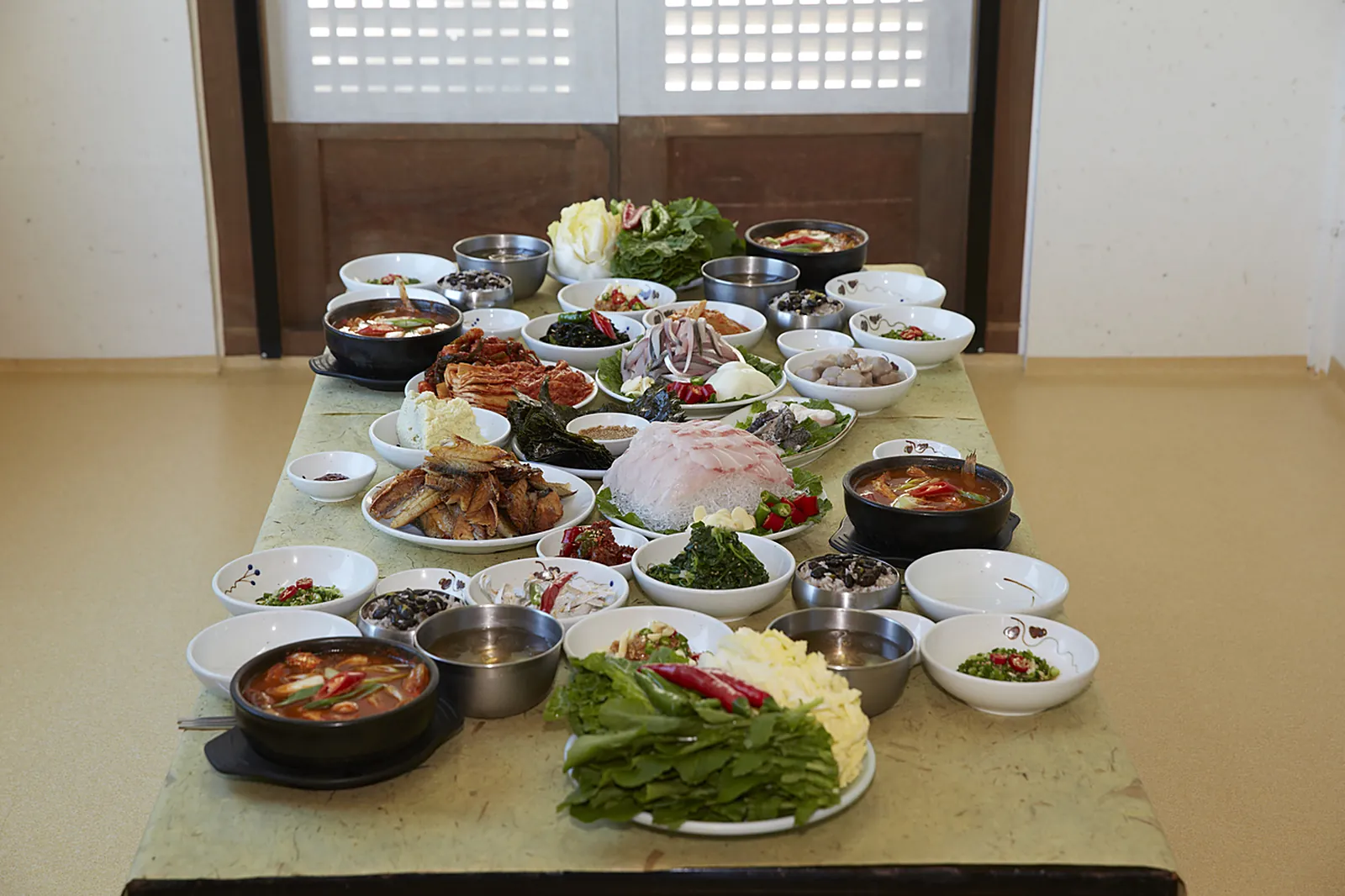
No-Wait Dinners
How to Get a Table at Seoul's Hardest Restaurants
How eating out works
Eating in Seoul is easy once you know a few habits. Many restaurants specialise in one dish, so the sign outside tells you what you'll get. Water is free and often self-service, side dishes (banchan) come with the meal and are refilled for free, and you usually pay at the counter on the way out rather than at the table. Some places have a tablet on the table for ordering, and many have a button to call the staff. There's no tipping. Eating alone is normal at most places, though barbecue restaurants often want you to order at least two portions.
Where to start
If you only have a few meals, make one of them Korean barbecue and one a traditional market. Korean BBQ, done right covers ordering, grilling and the lettuce wrap. For markets, Gwangjang is the classic: mung-bean pancakes, mayak gimbap and beef tartare at the stall counters. Our market comparison covers six more, from Tongin's coin lunchbox to the seafood at Noryangjin.
Cheap and quick
Eating cheaply is easy here. Convenience stores sell triangle kimbap, lunch boxes and instant noodles you can cook in the shop, often with 1+1 deals. Street stalls sell tteokbokki and fish cakes, and once it turns cold, hotteok and fish-shaped bungeoppang. Kimbap and noodle chains stay open late. See the convenience store guide and Seoul street food, A to Z.
Booking the hard-to-get tables
Most restaurants take walk-ins. The hyped ones, from tasting menus to famous bakeries, fill up through apps such as Catch Table, which has a version for international visitors, or through Naver's booking system. Many popular places run a waitlist on a tablet by the door instead. How to get a table explains release times and walk-in tactics.
A break from Korean food, or eating differently
Itaewon is the most international neighbourhood, with food from all over the world and many of the city's halal restaurants on the streets around the Seoul Central Mosque. Vegetarians should know that many Korean dishes use anchovy or meat stock and that kimchi usually contains fish sauce or salted shrimp, so ask, or show a translated note. Temple-food restaurants and the vegan places in Itaewon and Hannam are good options. Itaewon, block by block.
Eating hours
Lunch is roughly 11:30 to 13:30, when office workers fill the busy areas, and dinner starts early, from around 18:00. Plenty of places stay open late, but many smaller restaurants close for a break in the afternoon, often from about 15:00 to 17:00, so check the hours before you cross town for a late lunch.