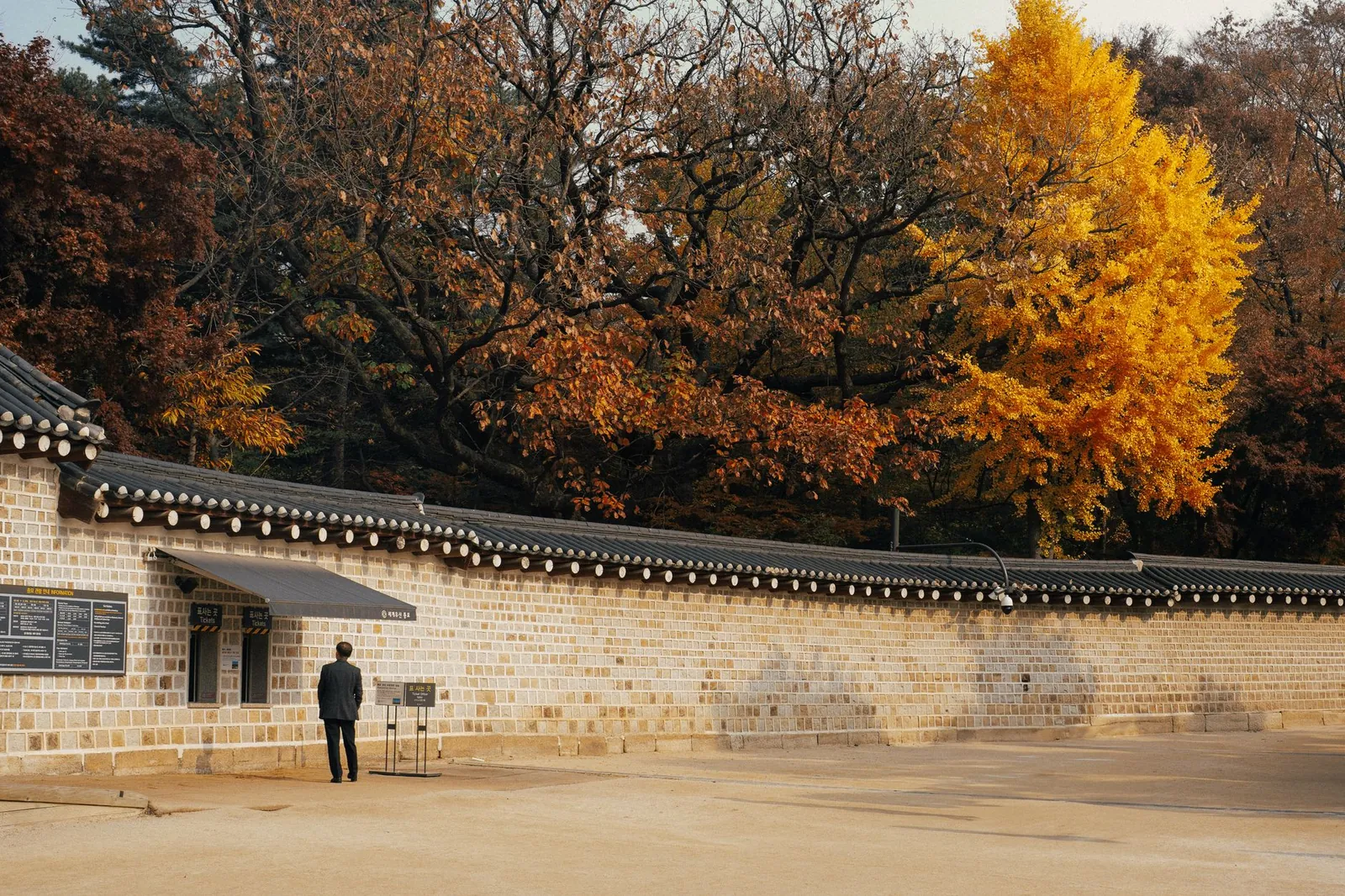
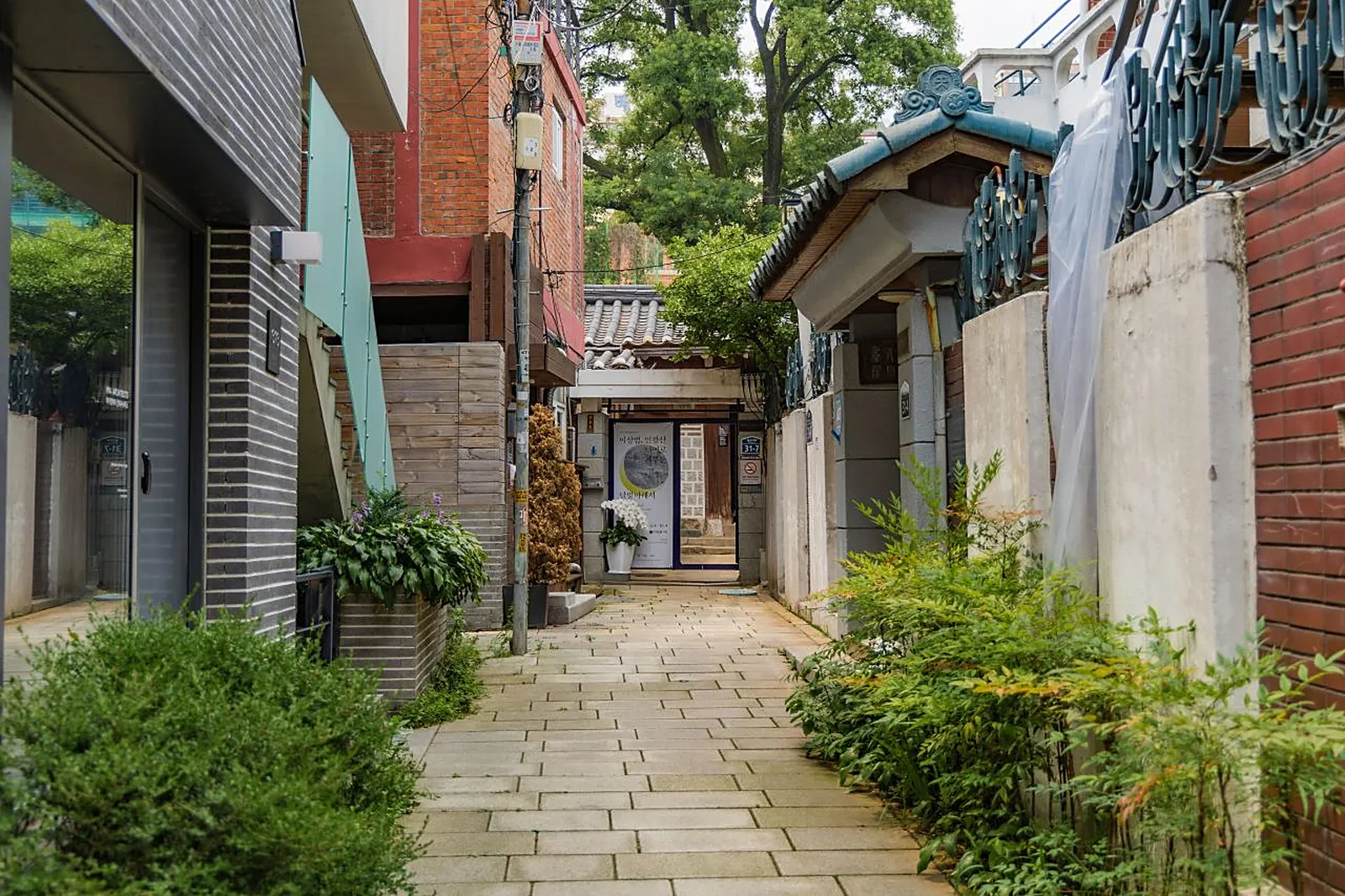
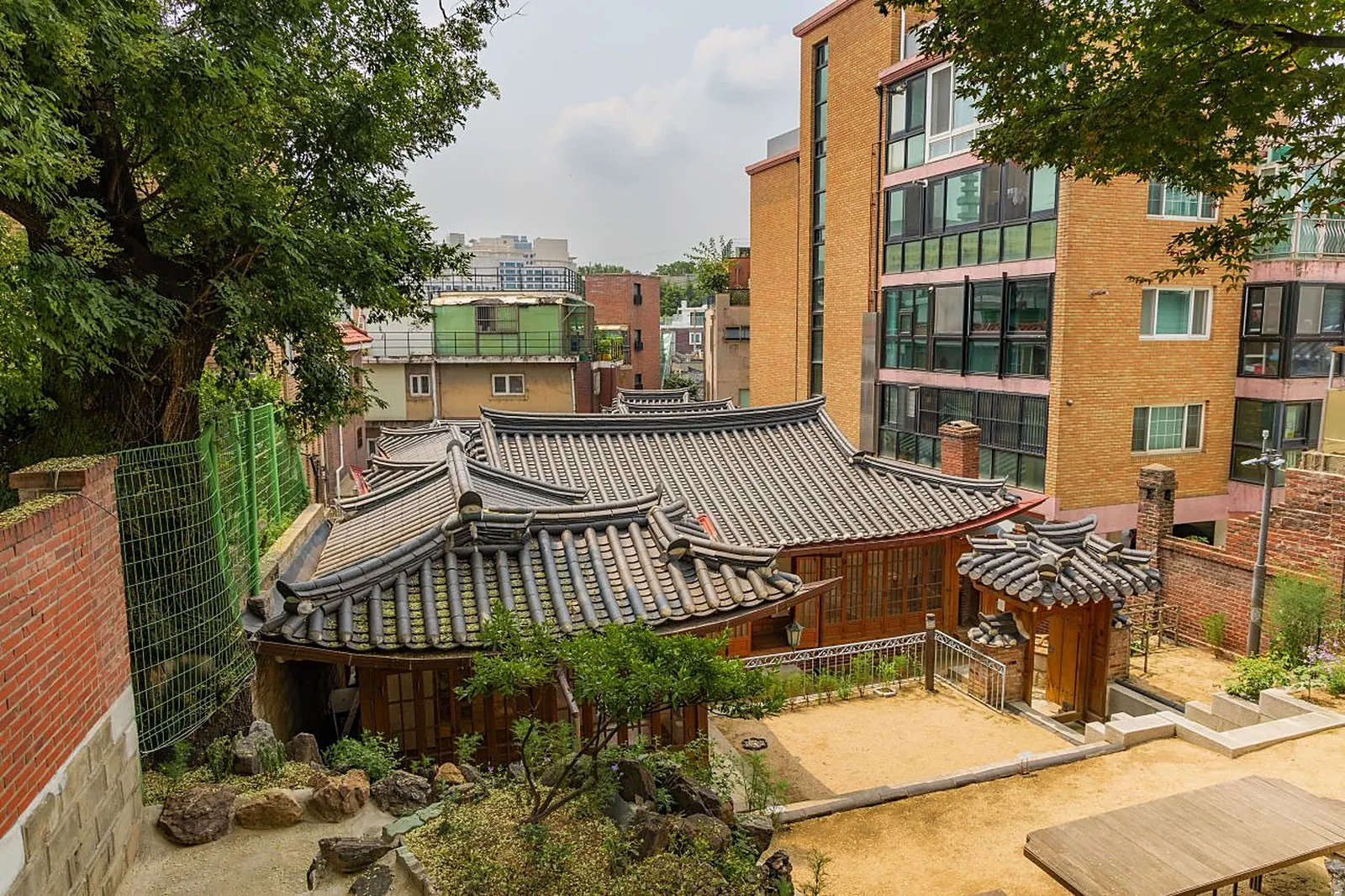
If Bukchon is the famous postcard, Seochon is the local secret. It sits on the other side of Gyeongbokgung — "Seochon" simply means "western village" — and it has the same mix of hanok and narrow alleys, but with far fewer crowds, more everyday life and some of the best small restaurants in central Seoul.
A little history
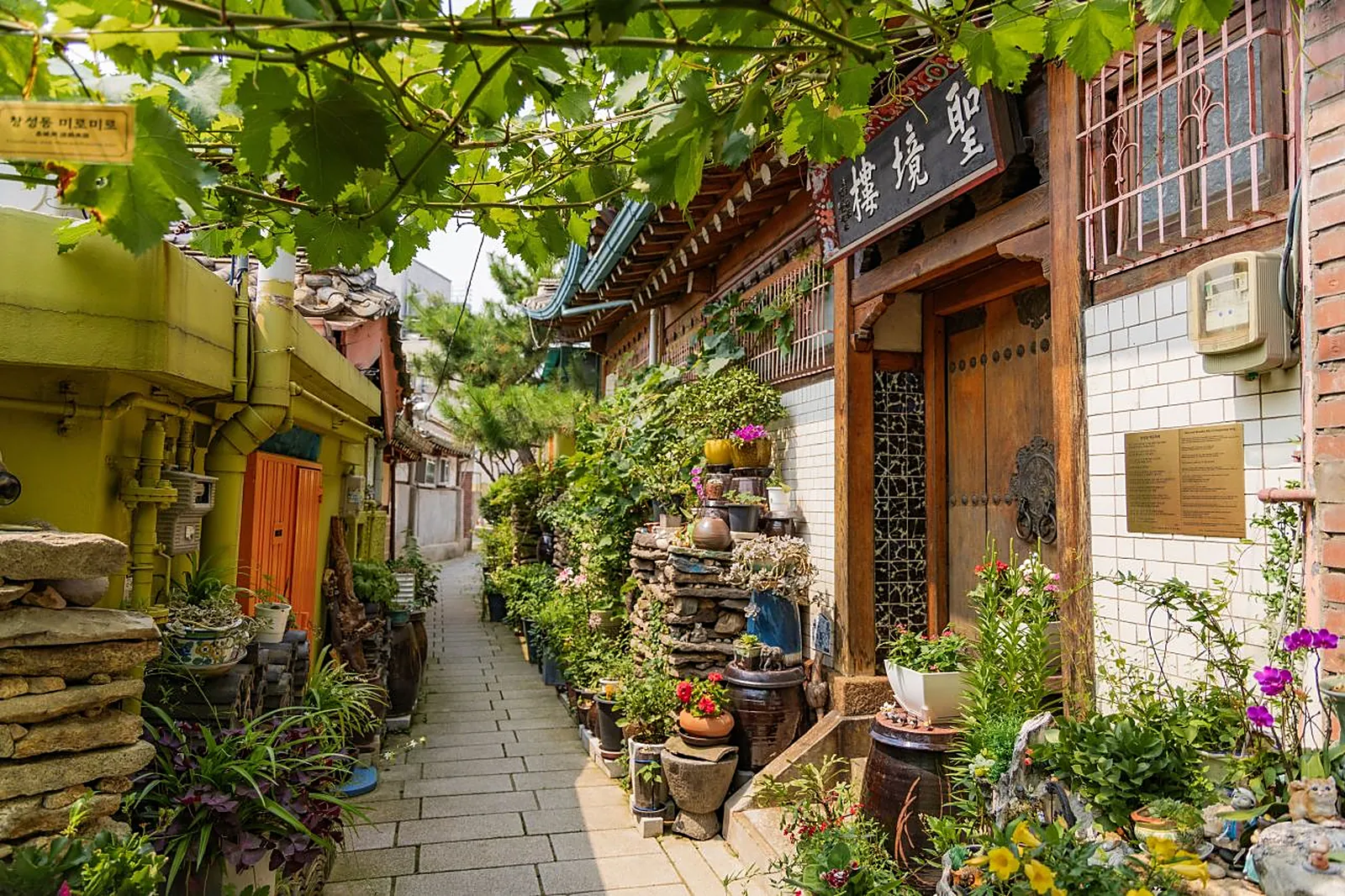
During the Joseon dynasty, Seochon was home to the jungin — the professional middle class of interpreters, doctors and court officials — as well as royal family members. In the 20th century it attracted writers and artists, and some of their homes are still here.
Unlike Bukchon, Seochon wasn't turned into a showpiece. Old hardware stores and markets sit next to galleries and new cafés, which is exactly its charm.
Tongin Market and the coin lunch box
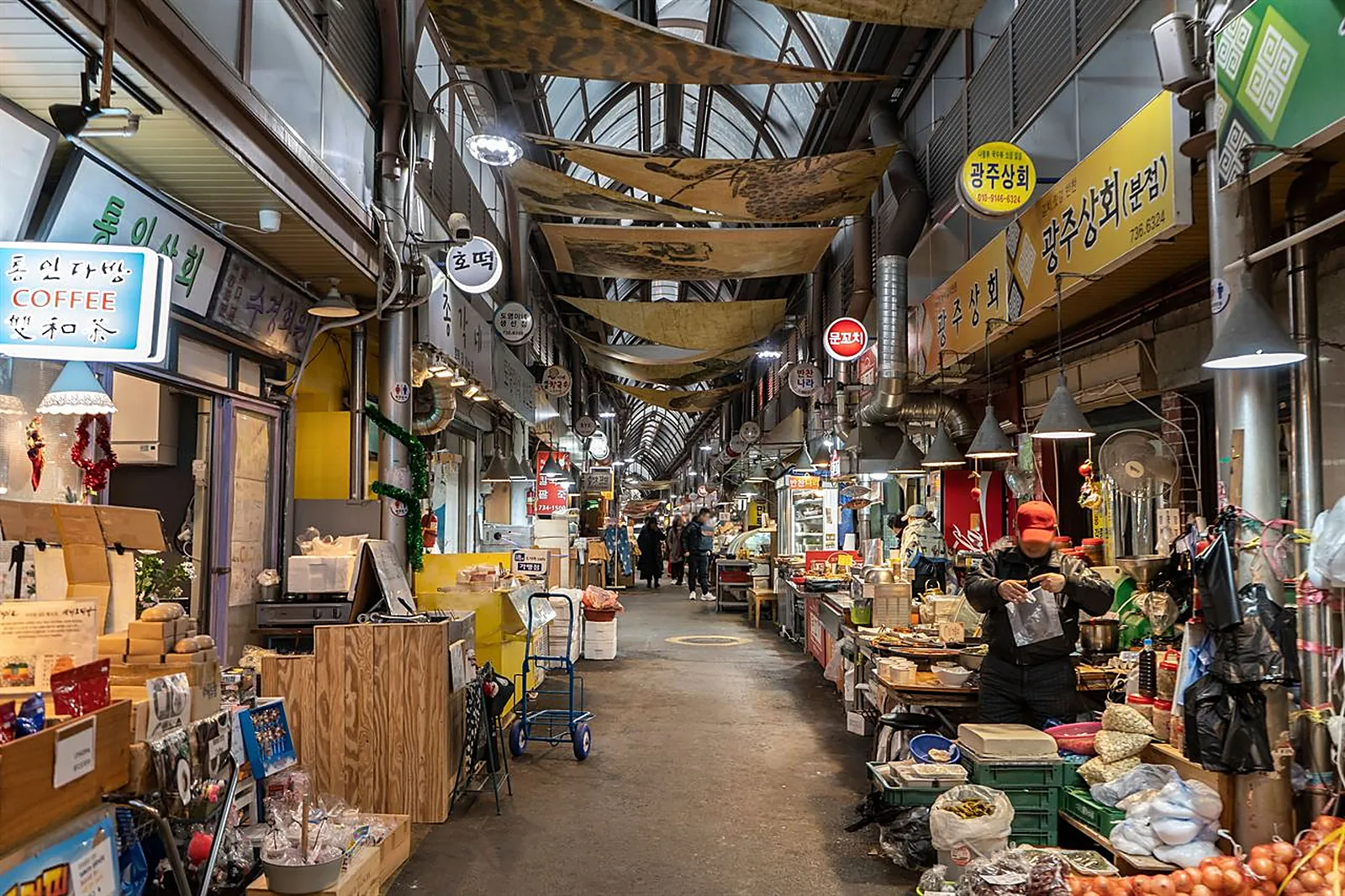
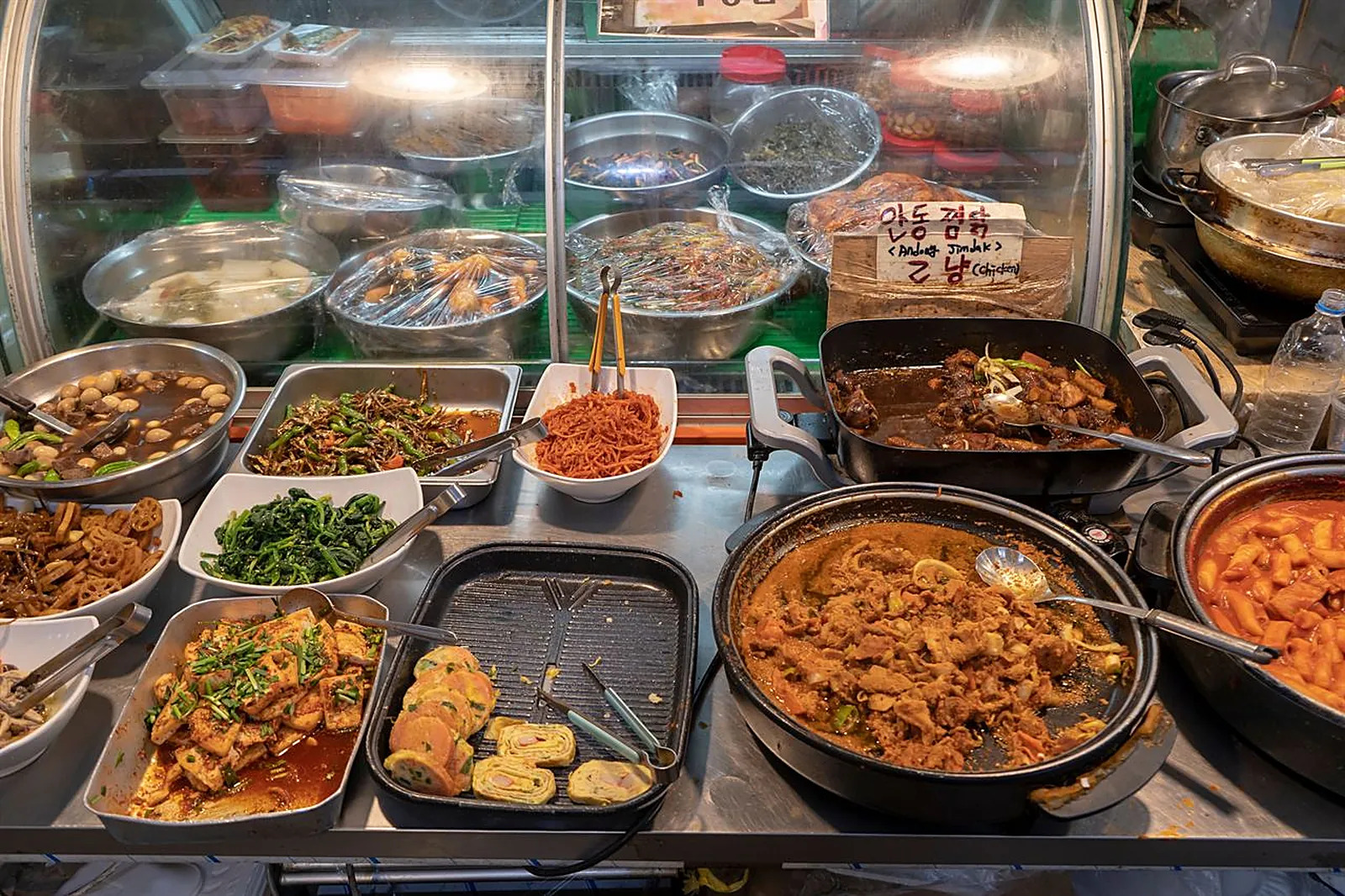
Tongin Market is a small traditional market in the middle of Seochon, and its famous feature is the dosirak café system:
- Buy a set of old-style brass coins (yeopjeon) and an empty lunch tray at the market's café counter
- Walk the market and exchange coins for small portions at participating stalls — jeon, japchae, braised dishes, kimbap
- Take your tray back to the café seating area and eat
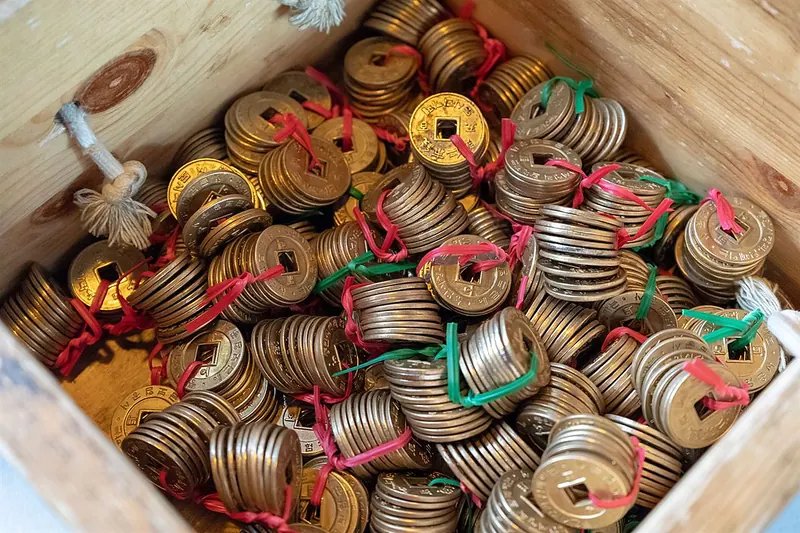
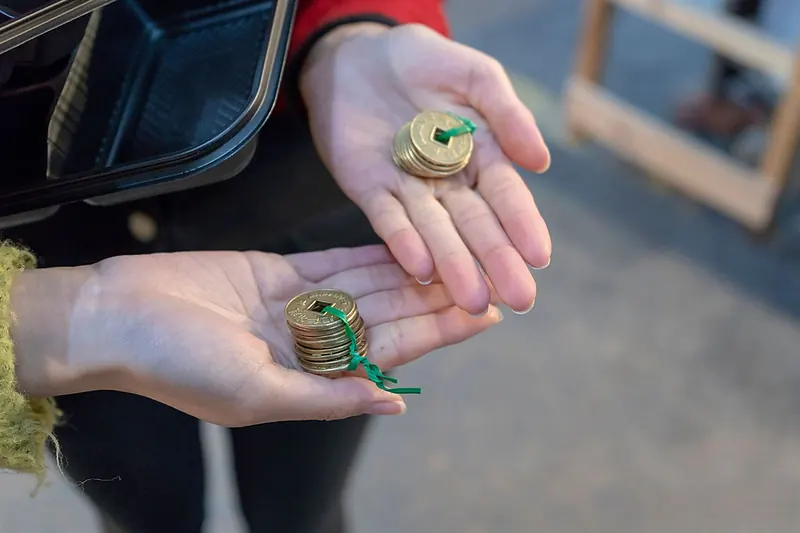
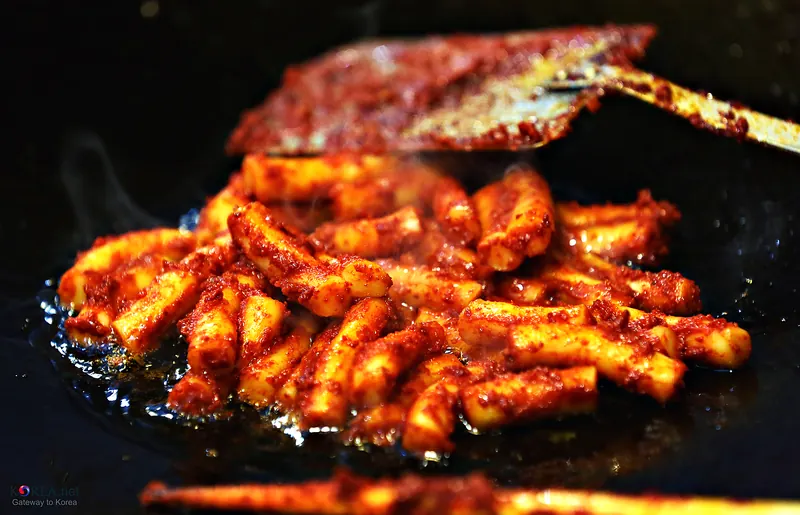
It's fun, cheap and a great way to try lots of Korean home-style dishes. Don't miss gireum tteokbokki — stir-fried rice cakes cooked in oil, a Tongin Market speciality.
Artists' and poets' houses
- Yi Sang's House — a small space on the site linked to Yi Sang, a famous modernist poet and writer
- Park No-su Art Museum — the former home of painter Park No-su, a 1930s house that mixes Western and Korean styles, with a lovely garden
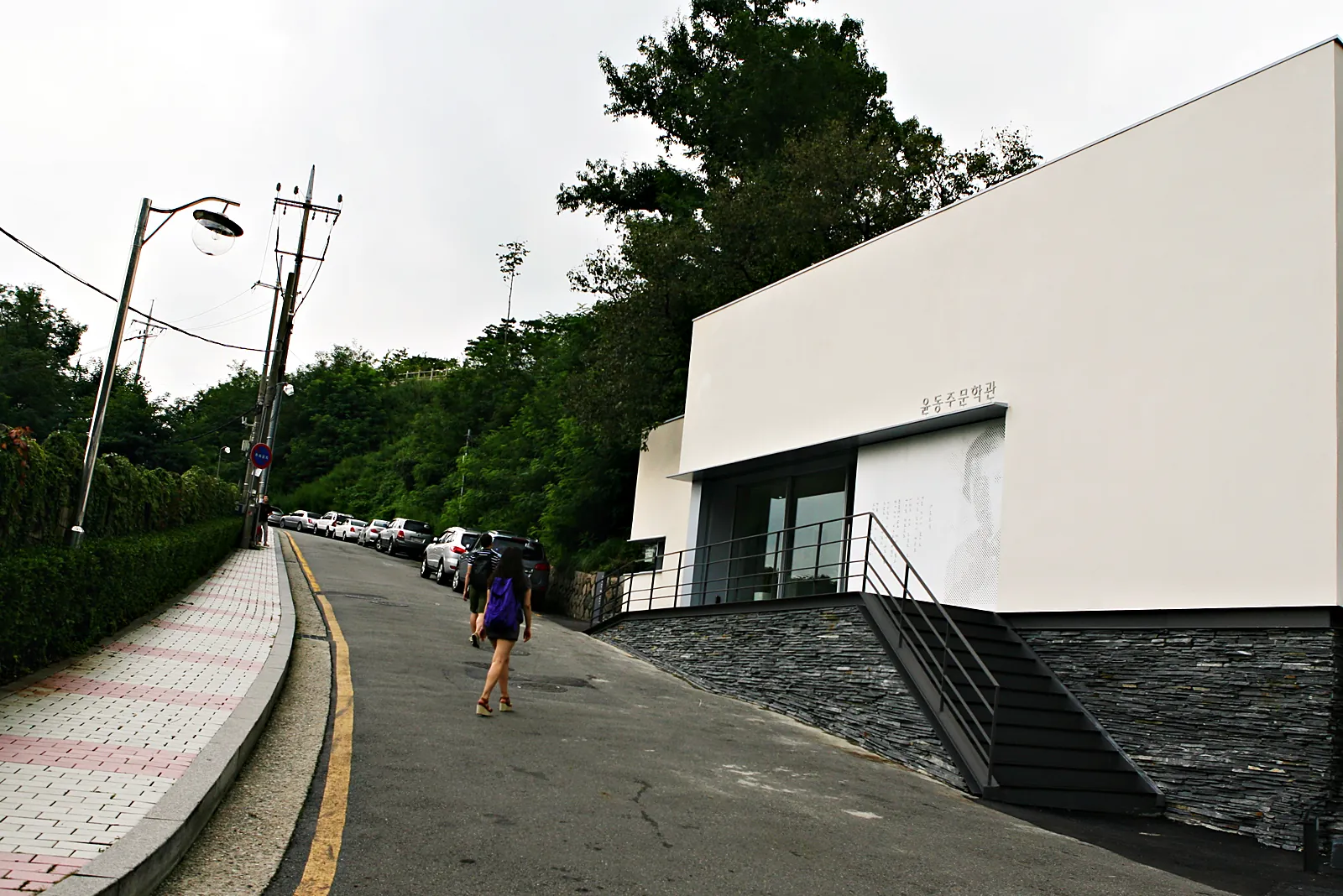
- Yun Dong-ju Literature Museum — a little further up the hill near Changuimun Gate, dedicated to one of Korea's most loved poets, in a converted water tank
These are small, quiet places — perfect for a slow morning. Opening days vary, so check before you go.
Suseong-dong Valley and Inwangsan
Walk uphill from Seochon and the houses give way to Suseong-dong Valley, a small rocky stream and wooded path at the foot of Inwangsan. It's a surprising slice of nature ten minutes from the palace — especially beautiful in autumn.
Fit walkers can continue up Inwangsan for views over Gyeongbokgung and the whole city, following the Seoul City Wall. See our hiking guide.
Eating and drinking in Seochon
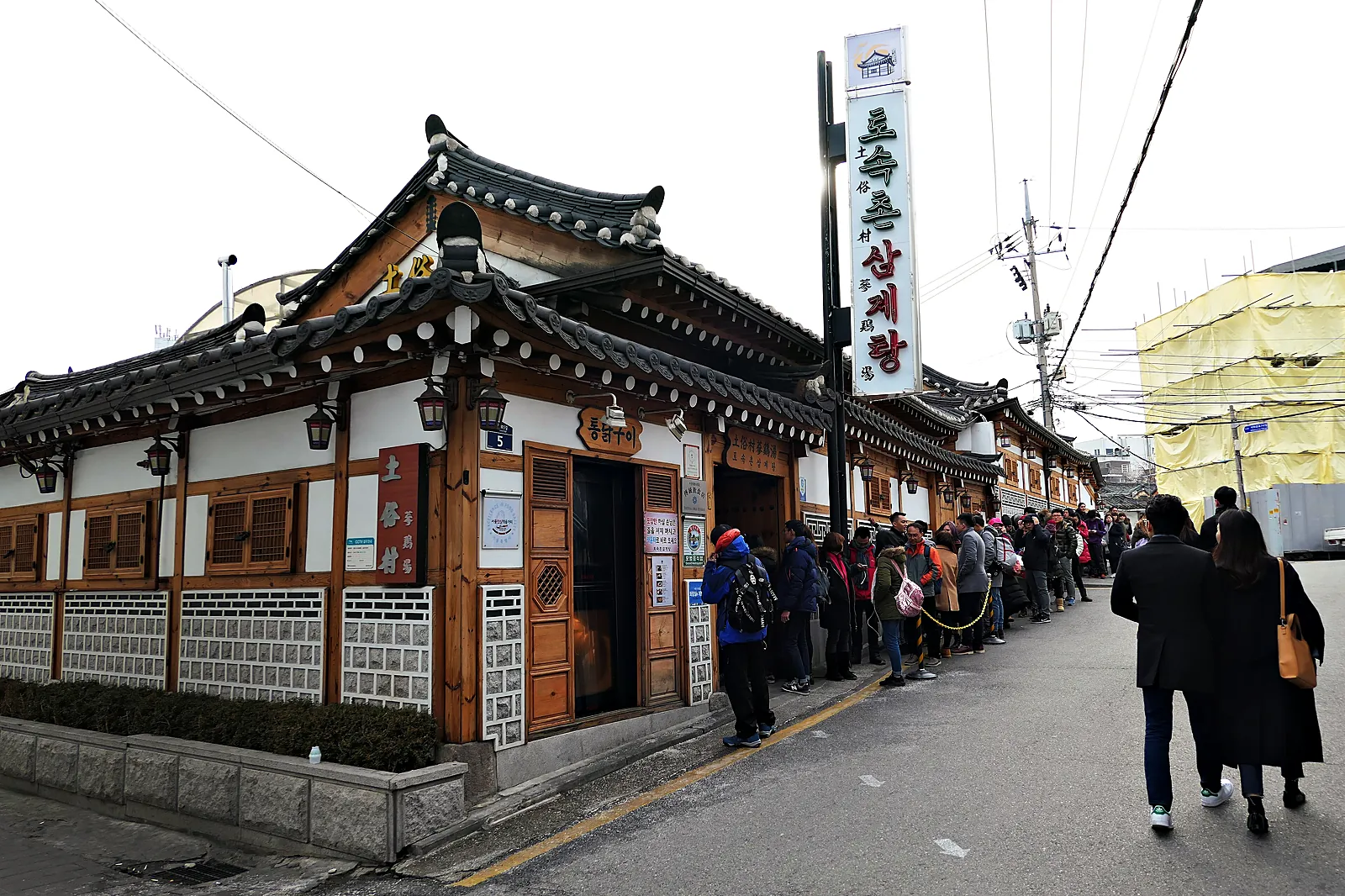
- Sejong Village Food Street — near Gyeongbokgung Station exit 2, a lively alley of small Korean restaurants and pubs, busy with office workers after work
- Small cafés and bakeries throughout the side streets
- Traditional pubs serving jeon and makgeolli in the evening
Seochon is one of the best areas near the palaces for a relaxed, affordable dinner.
A half-day route
- Morning — Gyeongbokgung, then exit via the west gate
- 11:30 — Tongin Market for a coin lunch box
- 13:00 — wander the alleys; Park No-su Art Museum
- 14:30 — walk up to Suseong-dong Valley
- Evening — dinner on Sejong Village Food Street
It's the lunch stop on our palaces and old Seoul day.
Galleries and small shops
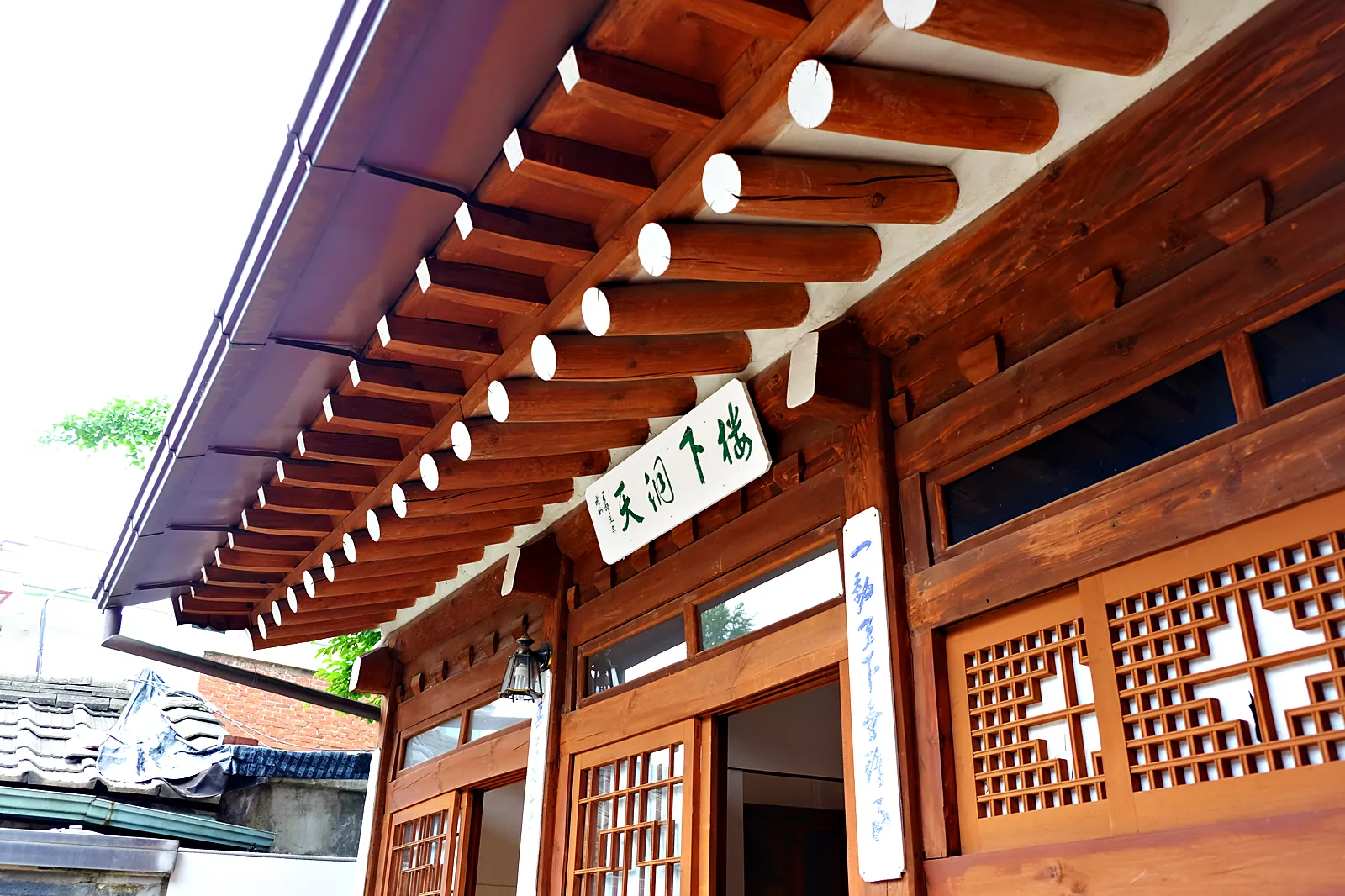
Seochon has a quiet art scene. Along the streets west of the palace you'll find:
- Small independent galleries, many free to enter, showing contemporary Korean artists
- Old neighbourhood shops — hardware stores, tailors and stationers that have been here for decades
- Design and bookshops in converted houses, good for unusual souvenirs
- The area around Daerim Art Museum, a contemporary art museum with a garden that's worth a detour
Seochon by season
- Spring: cherry blossoms along the lanes and at Inwangsan's lower slopes
- Summer: Suseong-dong Valley is noticeably cooler than the streets below
- Autumn: the best season — golden ginkgo, red maples in the valley, and clear views from Inwangsan (autumn guide)
- Winter: quiet, cosy cafés and warm stews on Sejong Village Food Street
Seochon or Bukchon?
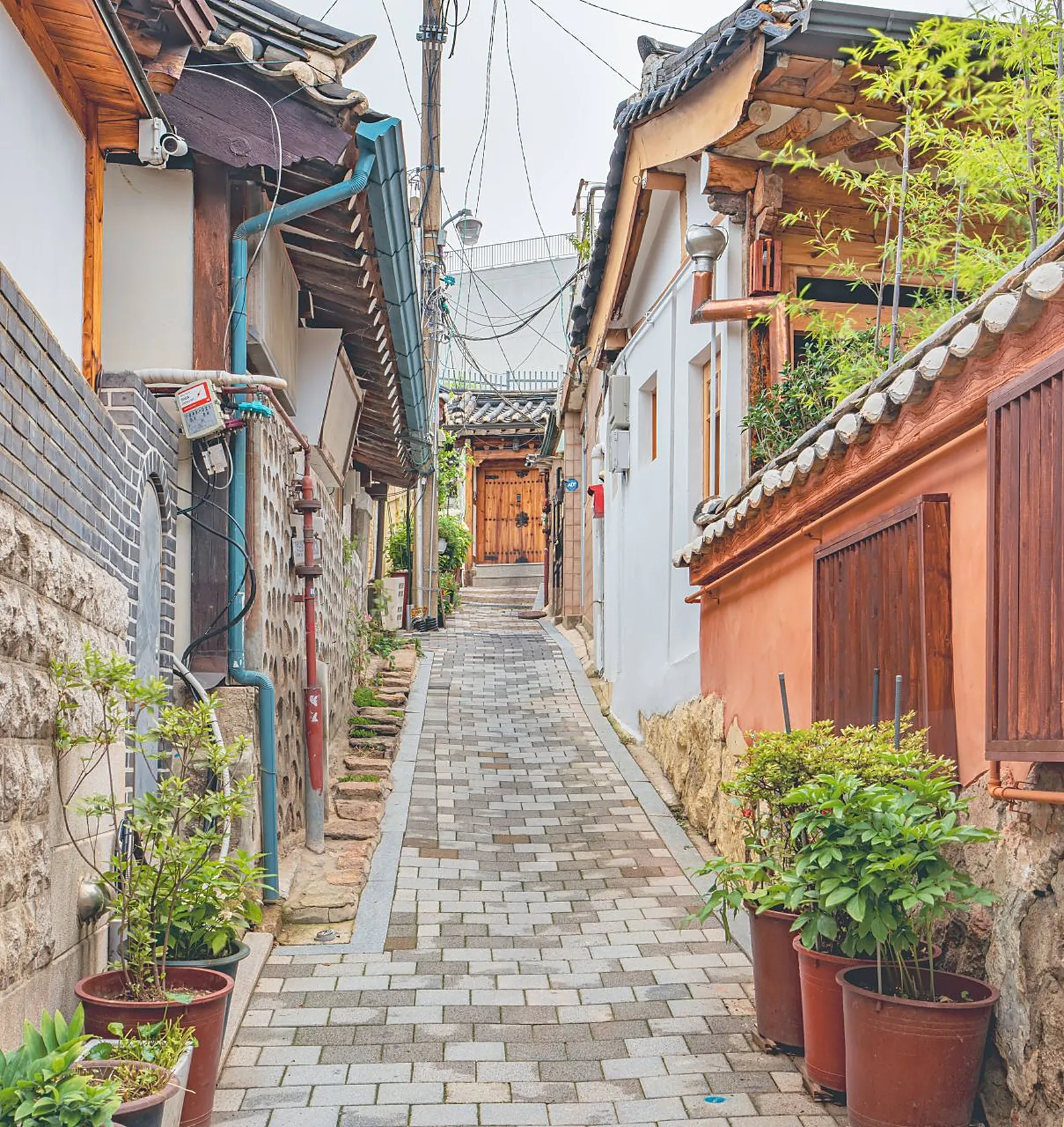
- Crowds: Bukchon is one of Seoul's busiest photo spots; Seochon is noticeably calmer
- Rules: Bukchon's core lanes have visiting hours (10:00–17:00); Seochon has no special zone, but it's still residential
- Food: Seochon wins — Tongin Market and Sejong Village Food Street beat anything in Bukchon's lanes
- Photos: Bukchon has the classic rooftop views; Seochon has everyday street life and mountain backdrops
- Best plan: see both — Seochon for lunch, Bukchon for the afternoon
Getting there
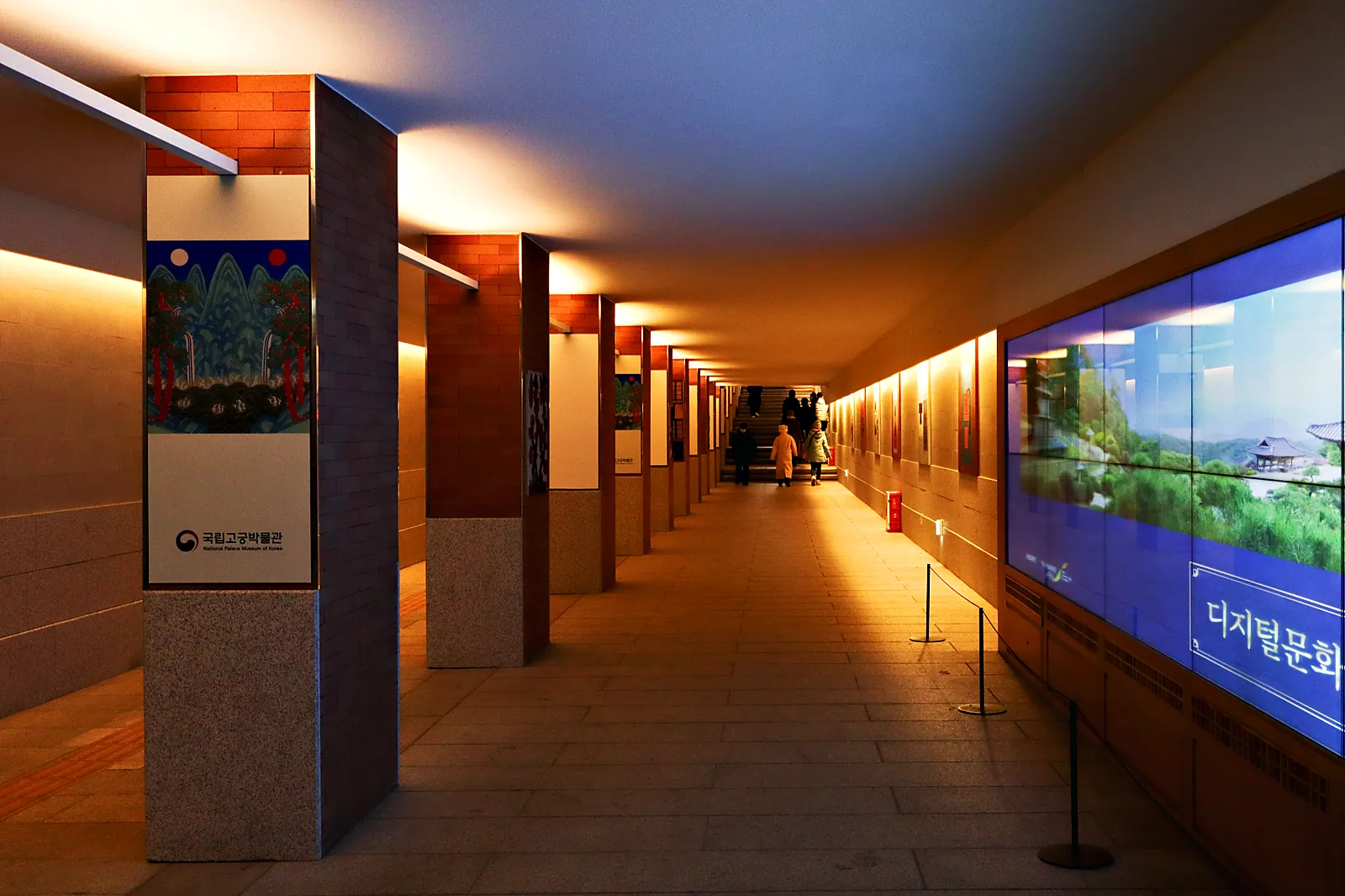
- Gyeongbokgung Station (Line 3), exit 2 — the start of Sejong Village Food Street and the southern edge of Seochon
- From the palace, it's a short walk west across the road
Our honest take
Seochon is one of our favourite neighbourhoods in Seoul. It's not a "sight" with a checklist — it's a place to walk slowly, eat well and see an older, everyday side of the city.
Go if:
- You found Bukchon too crowded, or want a calmer alternative
- You love small museums, local markets and neighbourhood restaurants
- You're visiting Gyeongbokgung and want lunch nearby
Skip if:
- You only want the big-name sights on a short trip
- You're hoping for big shopping streets — this is a quiet neighbourhood
Our tip: time your palace visit so you walk into Seochon at lunchtime. The Tongin Market lunch box is one of the most fun cheap meals in Seoul.
Frequently asked questions
Is Seochon the same as Bukchon?
No. Both are hanok neighbourhoods next to Gyeongbokgung, but Seochon is on the west side, quieter and more local.
Are there visiting-hour rules in Seochon?
Not like Bukchon's special zone. It's still a residential area, so keep noise down in the alleys.
How long do I need?
Two to four hours, including lunch at Tongin Market.
Is the Tongin Market lunch box open every day?
No — it closes on some days and in the afternoon. Check the current opening days before you go.