
Seoul has one of the best subway systems on the planet: 20-odd lines, trains every few minutes, English announcements, and platform screen doors at every station. The only part that confuses visitors is paying for it. This guide fixes that in about five minutes.
The short version: if you're in Seoul for three days or more and you're going to do a normal amount of sightseeing, get the Climate Card tourist pass (기후동행카드 단기권). It turns the subway and city buses into an all-you-can-ride deal, and it's the single purchase that makes the rest of your trip feel effortless.
What the Climate Card actually covers
The Climate Card was launched by the Seoul city government in 2024 to get people out of cars, and a short-term version for tourists followed soon after. At time of writing it covers:
- Seoul subway lines — everything within Seoul city limits, including the busiest lines tourists use (1–9)
- Seoul city buses — the blue (trunk), green (branch) and yellow (circular) buses, plus late-night buses
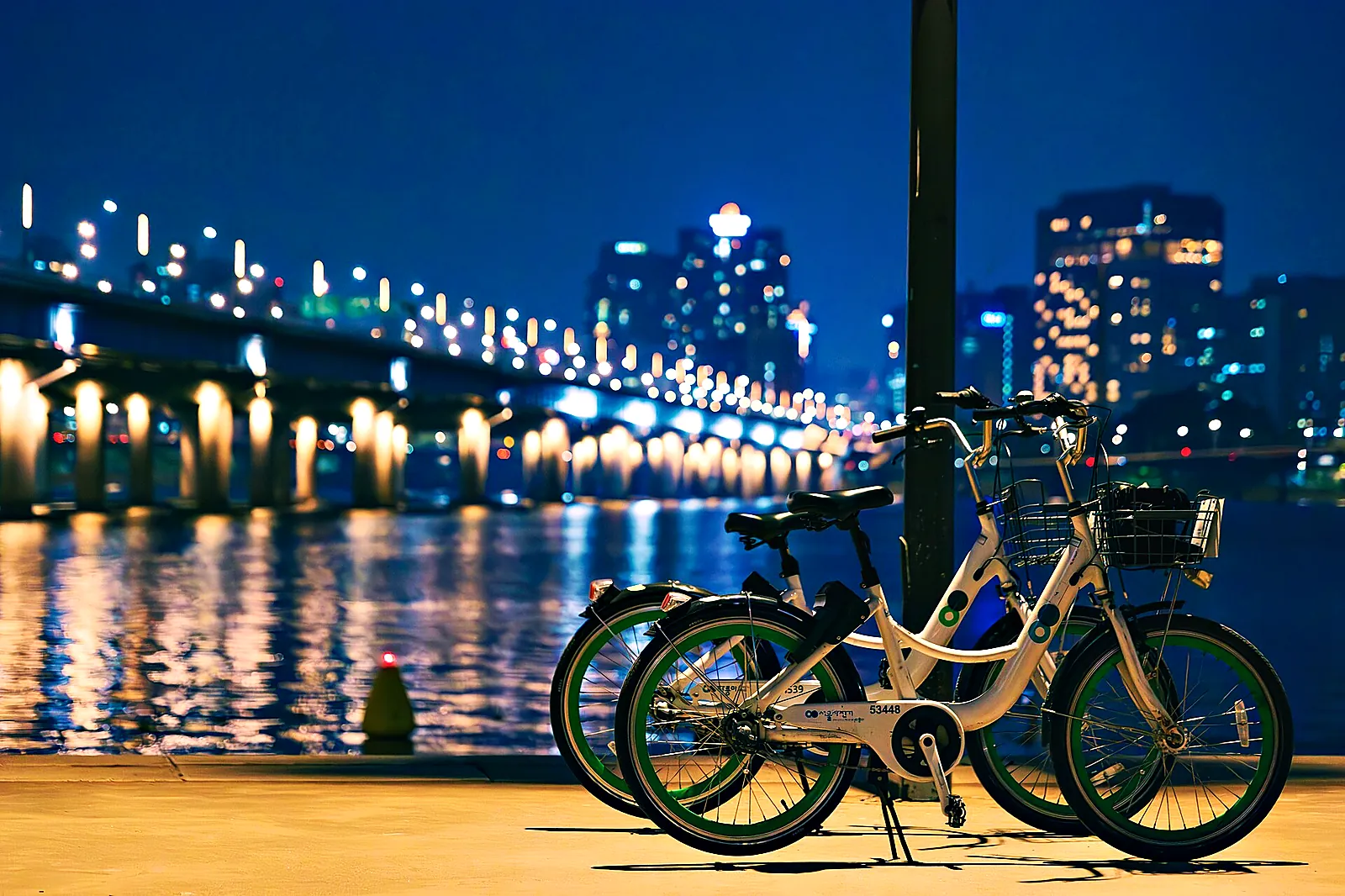
- Ttareungyi — Seoul's public bike-share, which you link to your card in the Ttareungyi app
What it does not cover:
- The AREX Express train from Incheon Airport (the all-stop train is a separate question — see our airport guide)
- Intercity and airport limousine buses
- Stations outside Seoul city limits on lines that cross into Gyeonggi-do or Incheon

Tourist pass vs. the resident card
This is where most online advice goes wrong, because most Korean-language articles are about the monthly resident version.
| Tourist short-term pass | Resident monthly card | |
|---|---|---|
| Who it's for | Visitors — no Korean ID needed | People living in Seoul |
| Length | 1, 2, 3, 5 or 7 days | 30 days, renewed monthly |
| Registration | None | Online registration with Korean details |
| Where to get it | Subway stations | Stations, convenience stores, mobile app |
As a visitor you want the short-term pass. Ask for "Climate Card, tourist" at a station and staff will know exactly what you mean.
How much it costs
At time of writing, the tourist pass prices are:
| Pass | Price |
|---|---|
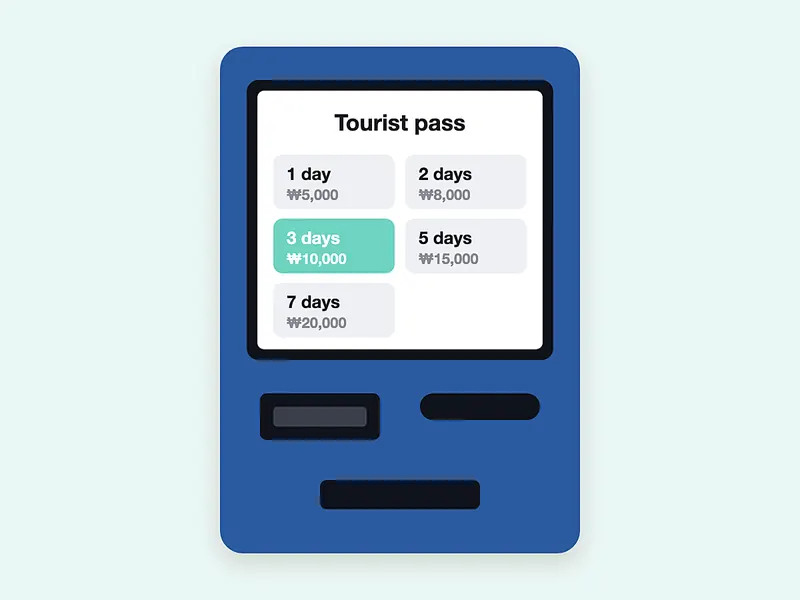
| 1 day | ₩5,000 |
| 2 days | ₩8,000 |
| 3 days | ₩10,000 |
| 5 days | ₩15,000 |
| 7 days | ₩20,000 |
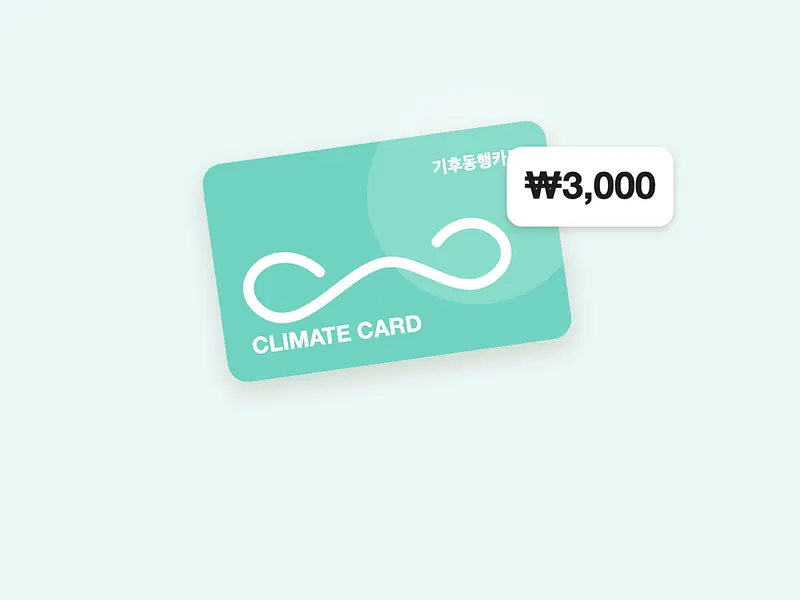
On top of that you pay for the physical card itself — about ₩3,000, one time. A standard subway ride on a regular transit card costs roughly ₩1,550, so the maths is simple: once you're doing four or five rides a day, the pass wins.

Where to buy it and how to charge it
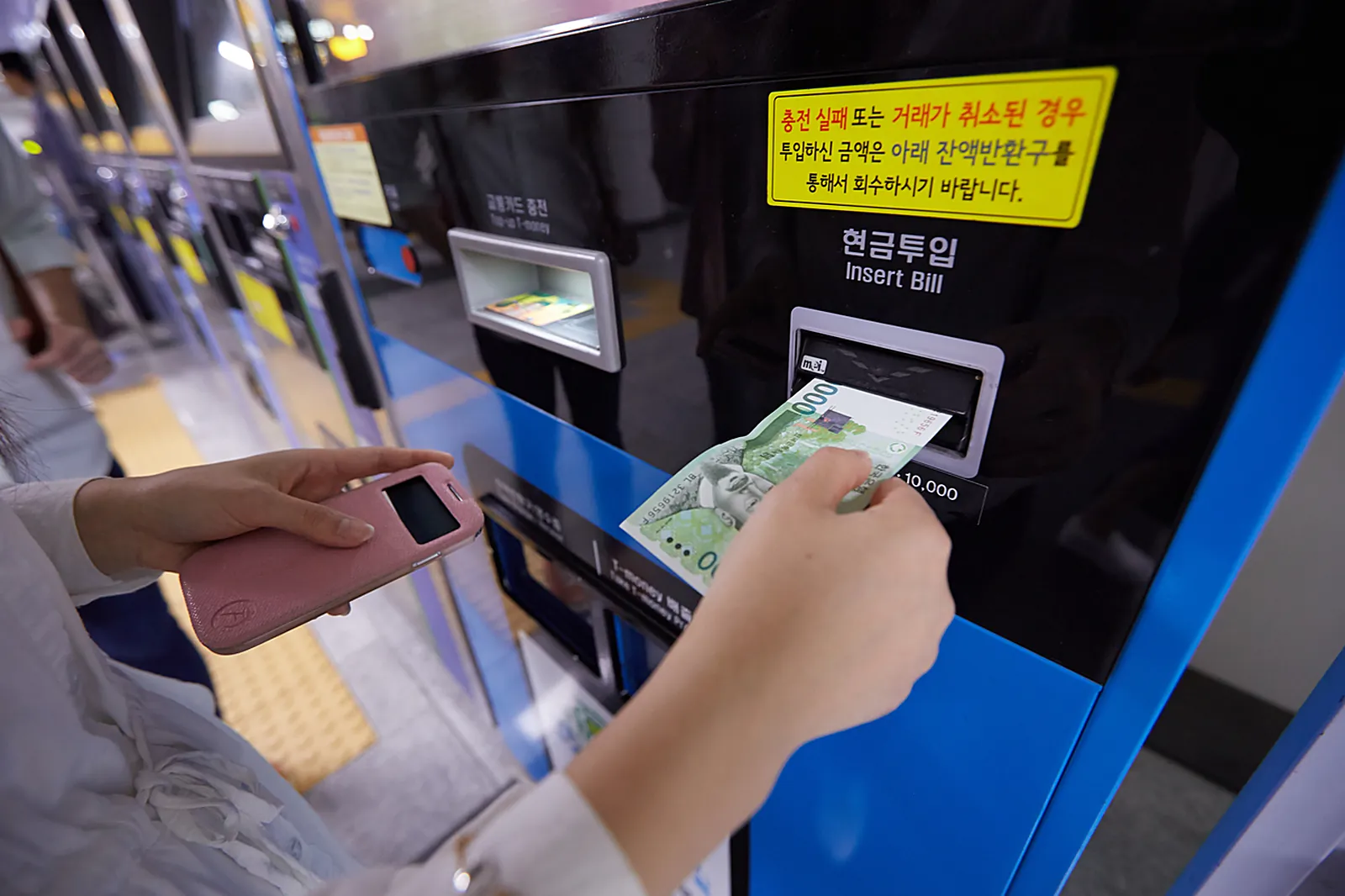
You don't need a special station. The card is sold at the customer safety centre (고객안전실) inside every Line 1–8 station, at many convenience stores near stations, and at the tourist information centres in Myeongdong and at Seoul Tourism Plaza. You then charge it at the ticket machines inside the station, which all have an English menu.
- Buy the physical Climate Card (about ₩3,000)
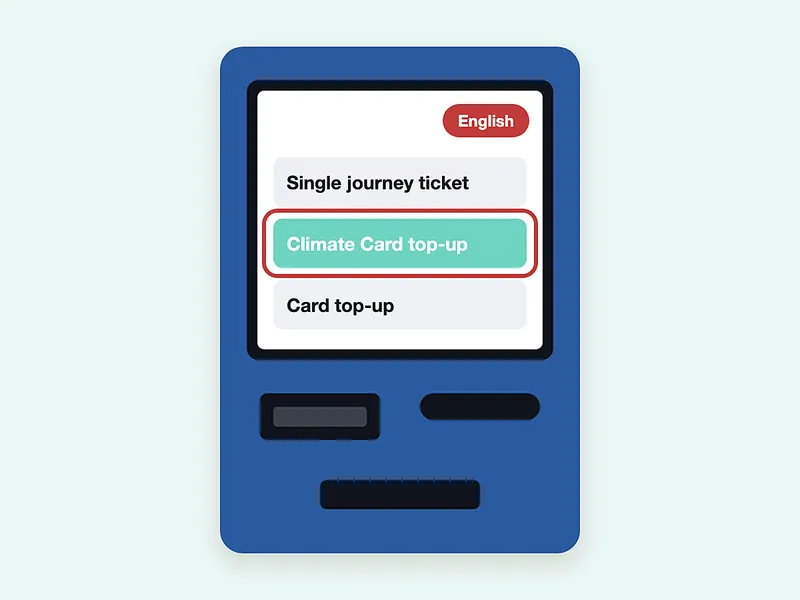
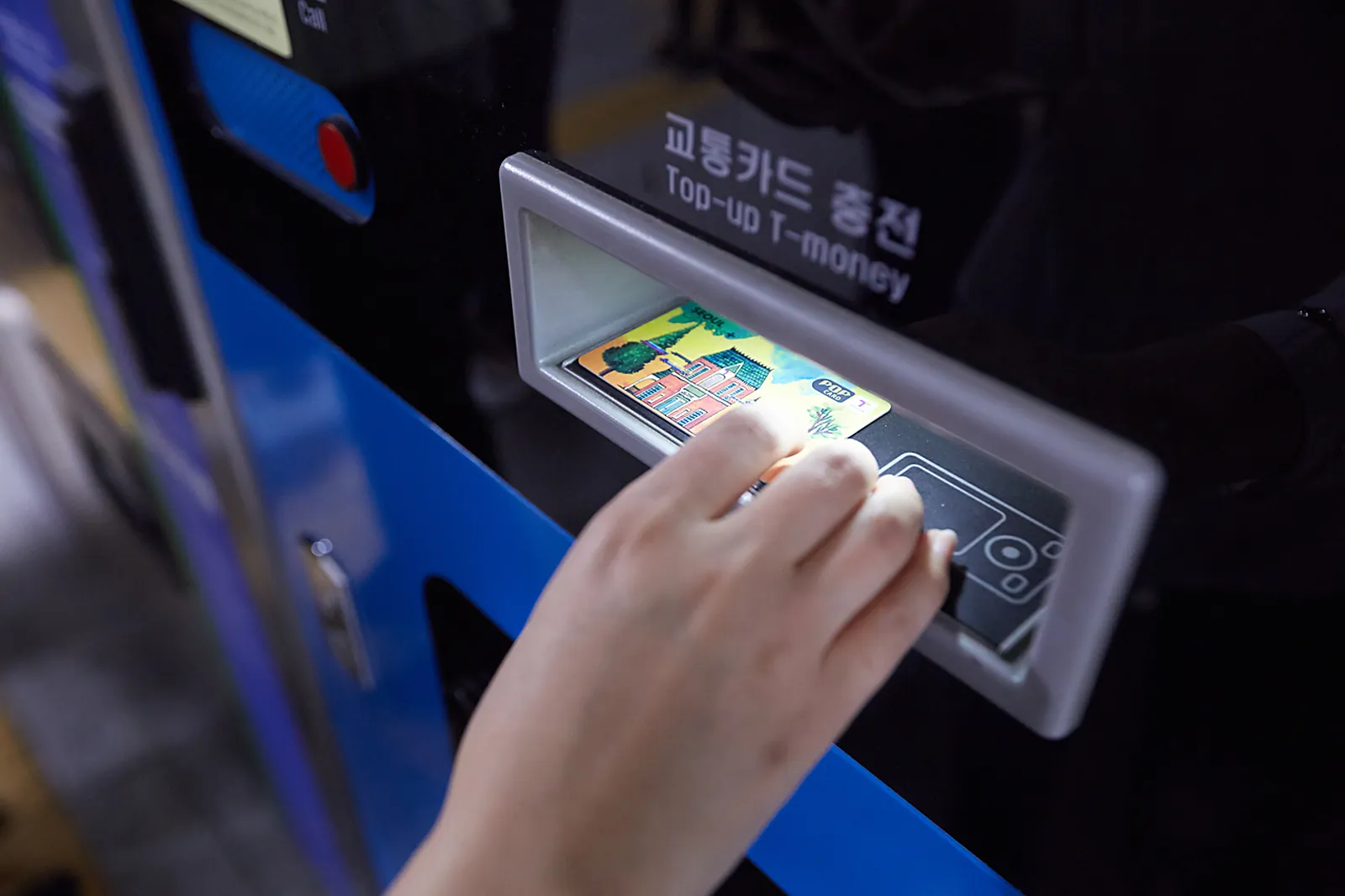
- Go to a ticket machine inside the station and choose the English menu
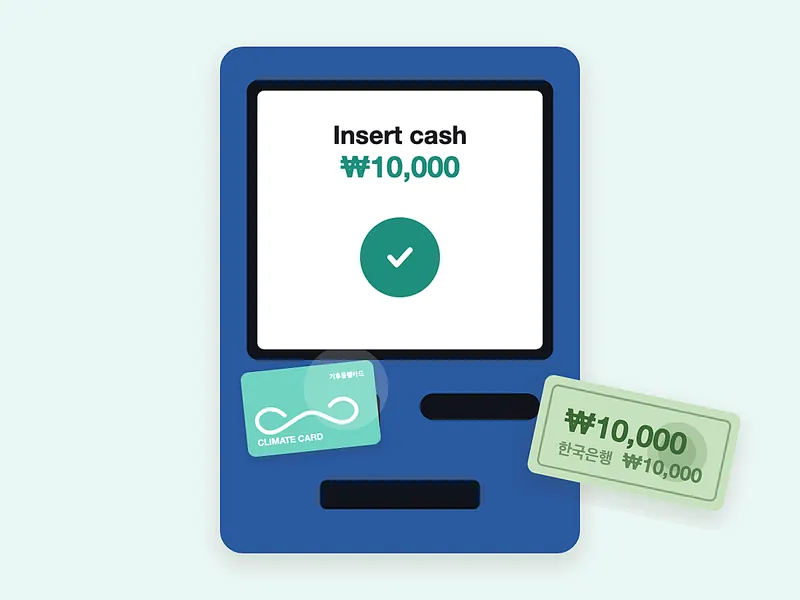
- Select "Climate Card" → the tourist/short-term option → the number of days
- Insert the card and pay
When the clock starts
The tourist pass starts on the day you charge it, not on your first tap, and days are counted as calendar days rather than 24-hour blocks. Charge it at 9pm and you've used up day one. So buy the card whenever it suits you, but charge the pass on the morning of your first full sightseeing day.
Using it day to day
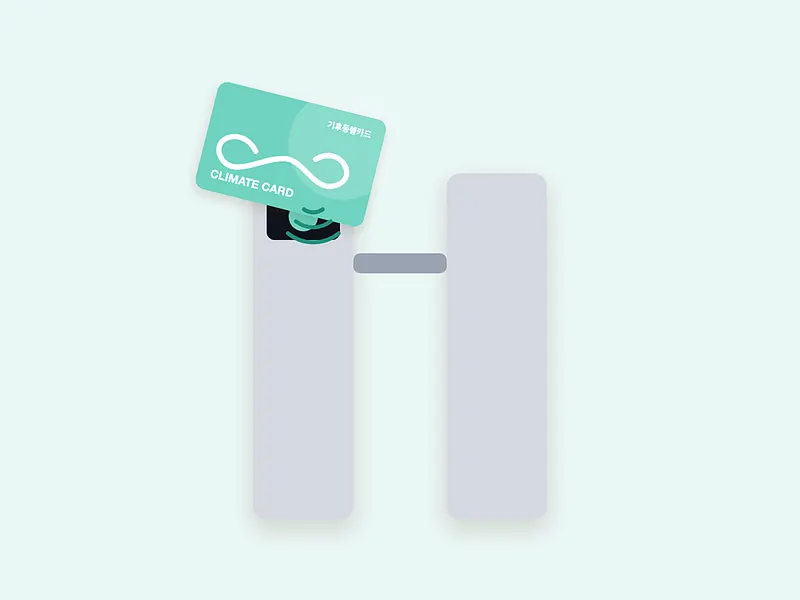
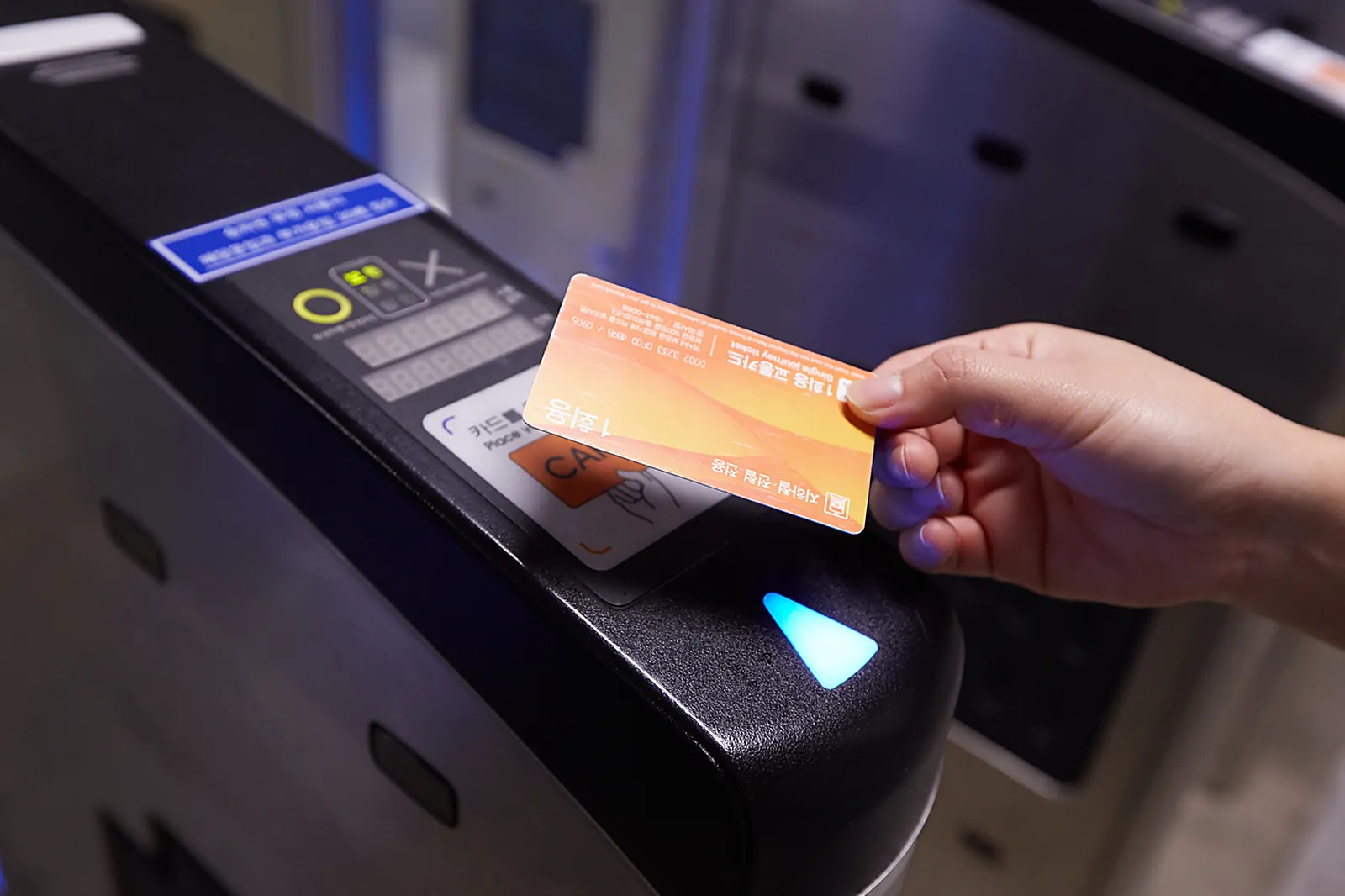
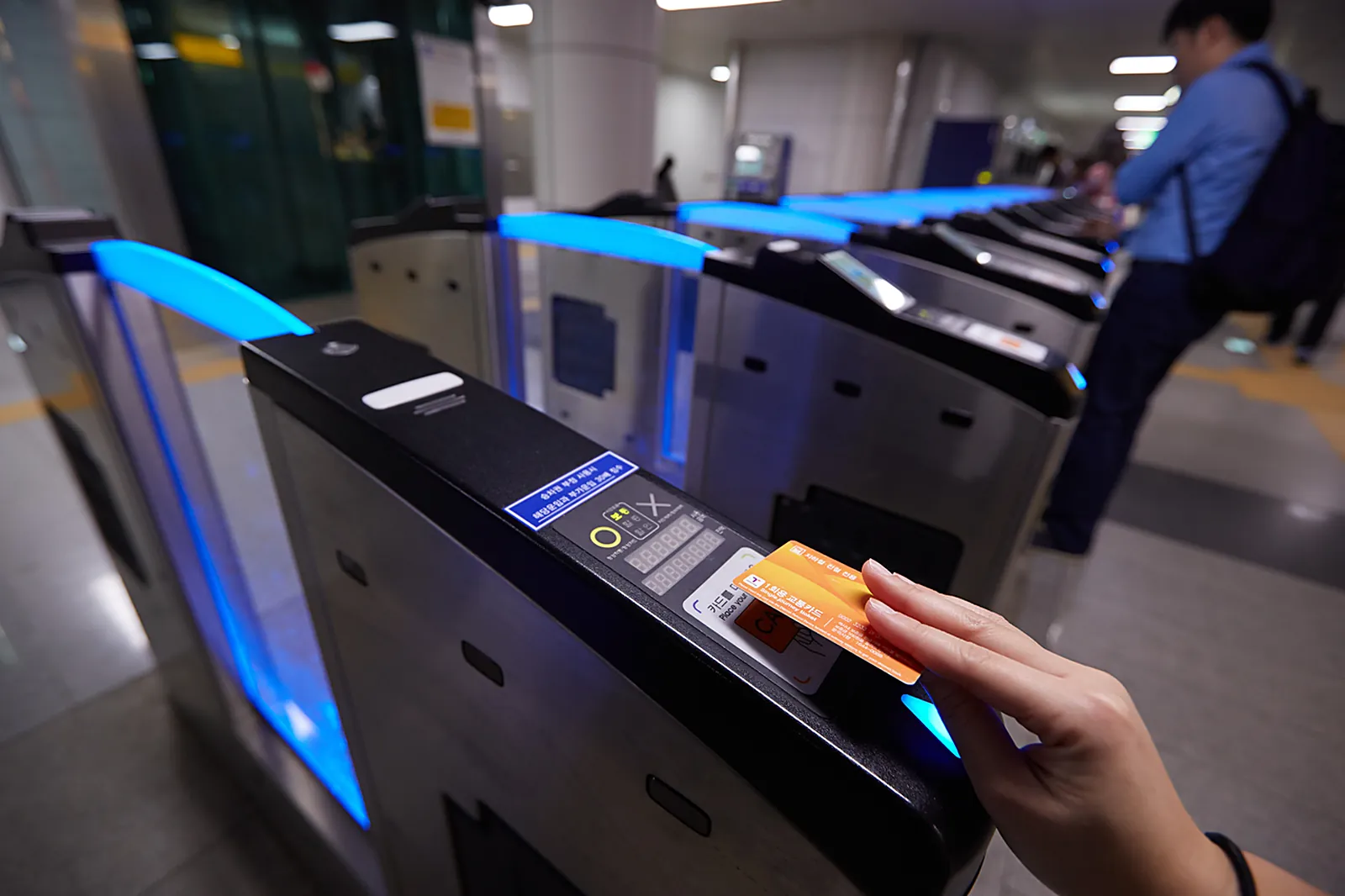
- Subway: tap in at the gate, tap out when you leave. That's it.
- Buses: tap when you get on, and get into the habit of tapping when you get off too — it matters if you ever switch back to a pay-per-ride card, where transfer discounts depend on the tap-off.
- Bikes: link the card in the Ttareungyi app once, then use it at any dock. The Han River paths are the reason to bother — see our night picnic guide.
Climate Card vs. T-money vs. WOWPASS
| Climate Card (tourist) | T-money | WOWPASS | |
|---|---|---|---|
| How you pay | Flat price, unlimited | Pay per ride from a balance | T-money chip with its own separate balance |
| Best for | 3+ days of heavy sightseeing | Short stays, day trips outside Seoul | Travelers who also want a prepaid money card |
| Works outside Seoul | No | Yes, nationwide | Transit chip works like T-money |
If you're mostly staying in one neighborhood, walking a lot, or you'll spend days outside the city, a regular T-money card (sold at every convenience store) can be cheaper. The calculator above will tell you. Already have a WOWPASS? Its transit chip works like T-money, but the balance is separate and topped up in cash — our WOWPASS guide explains the catch.
Common first-timer mistakes
- Buying a resident card and wondering why it won't activate
- Charging the pass the night before a late departure and wasting a day
- Assuming it covers the airport express
- Trying to top up with a credit card at the machine
- Riding out to a suburb and getting stopped at the exit gate
Subway survival tips
- Rush hours are roughly 7:30–9am and 6–7:30pm on weekdays. If you have luggage, avoid them
- Leave the priority seats free. The seats at each end of the carriage, and the pink seats for pregnant passengers, are kept clear even when the train is packed
- Line 9 has express trains. They skip stations, so check whether your stop is an express stop
- Transfers can be long. Big interchange stations can mean five to ten minutes of walking — follow the colour-coded line signs
- First and last trains run from roughly 5:30am to around midnight, varying by line and day
- Lost something? Tell station staff with the time, line and carriage. Seoul's lost-and-found system recovers a surprising number of items
Frequently asked questions
Does the Climate Card work in Busan or the rest of Korea?
Can two people share one card?
No. Each rider needs their own card — the gate will reject a second tap on the same pass for the same journey.
What if I lose it?
The tourist pass isn't registered to your name, so treat it like cash: a lost card can't be recovered or refunded.
Is there a phone or app version for tourists?
Not at time of writing — the mobile version needs a Korean phone and registration. Tourists use the physical card.
Is it worth it for a 2-day trip?
Often yes, if you're riding five or more times a day. Plug your plan into the calculator above — it takes ten seconds.