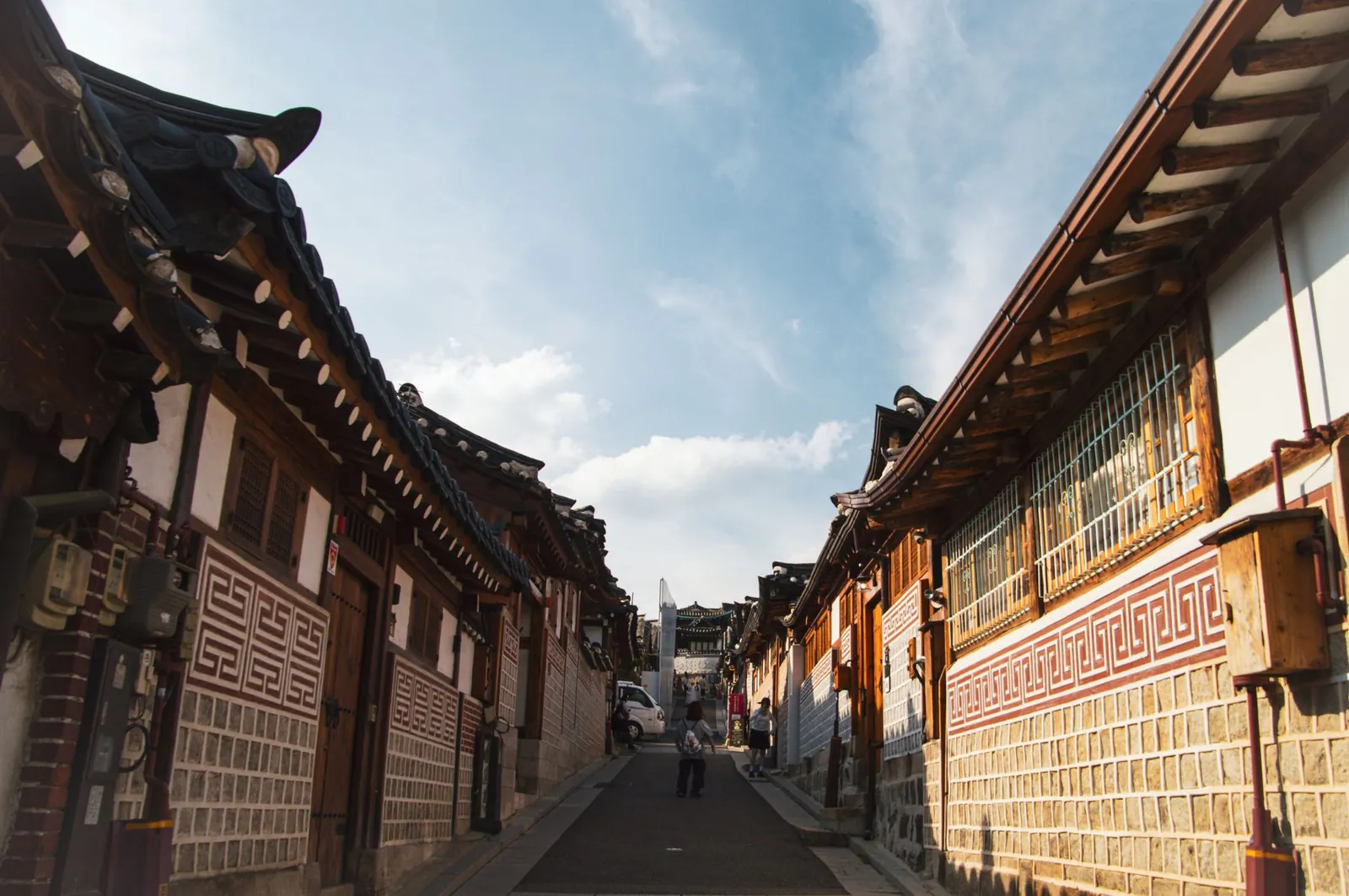
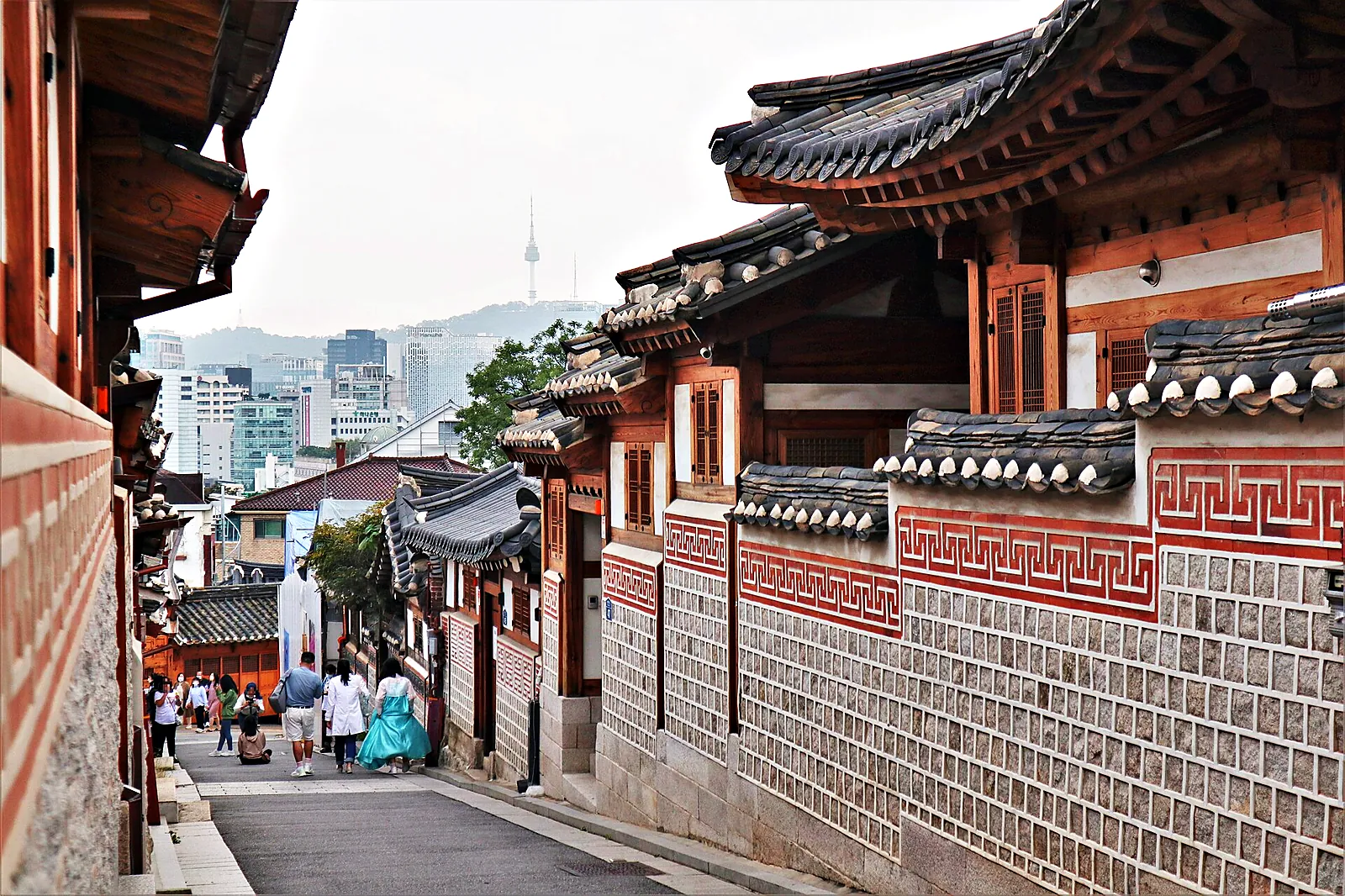
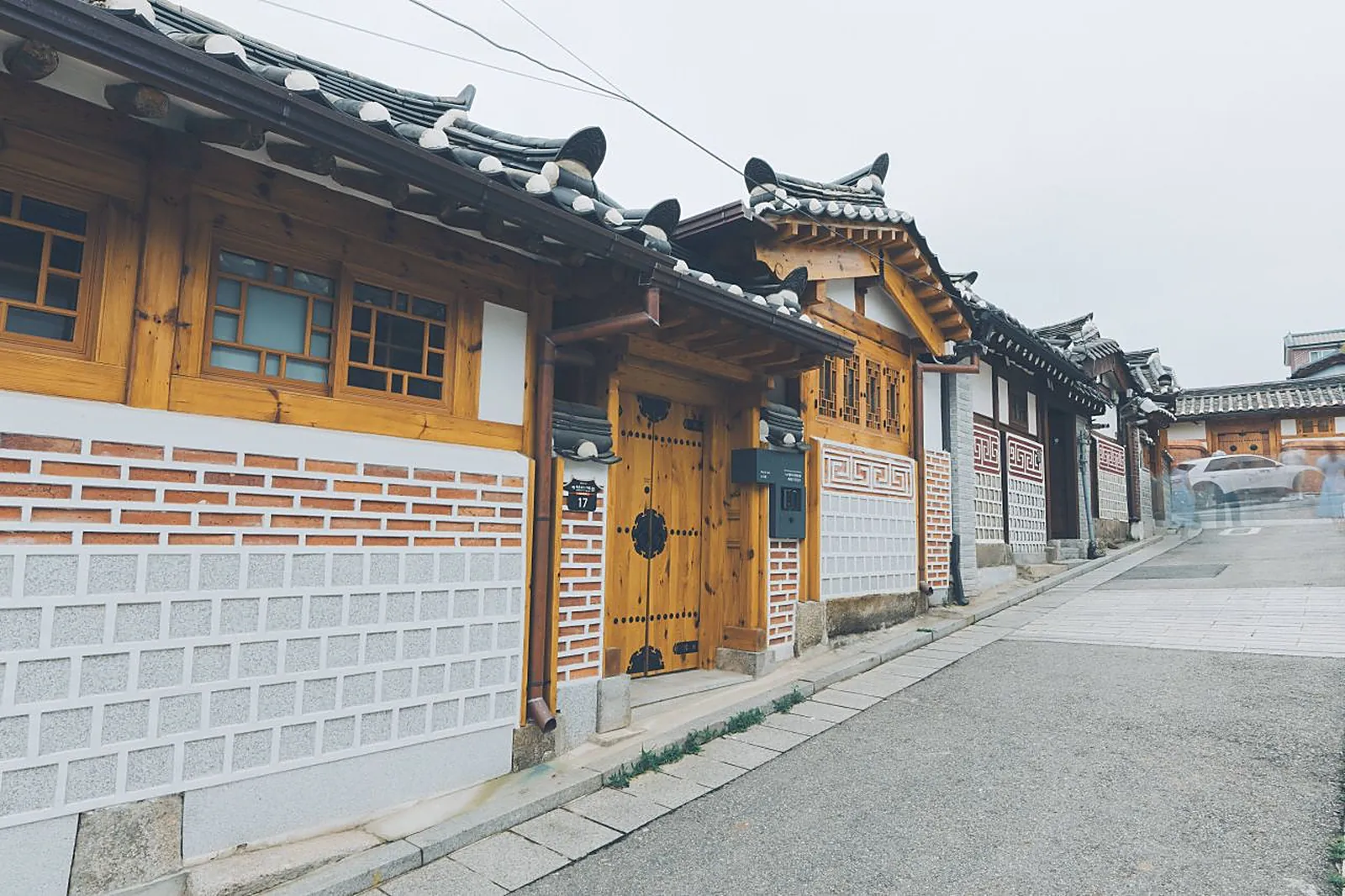
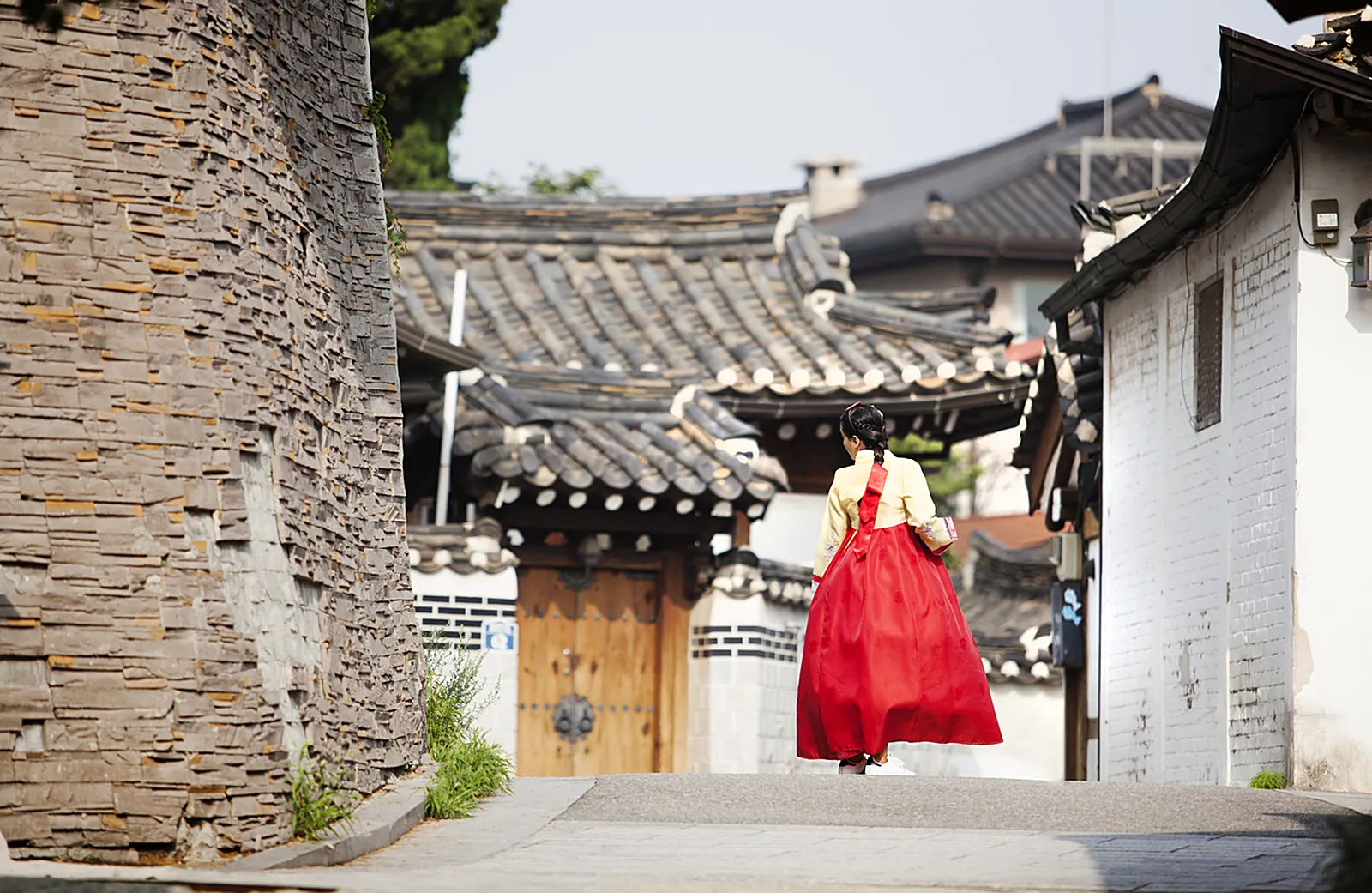
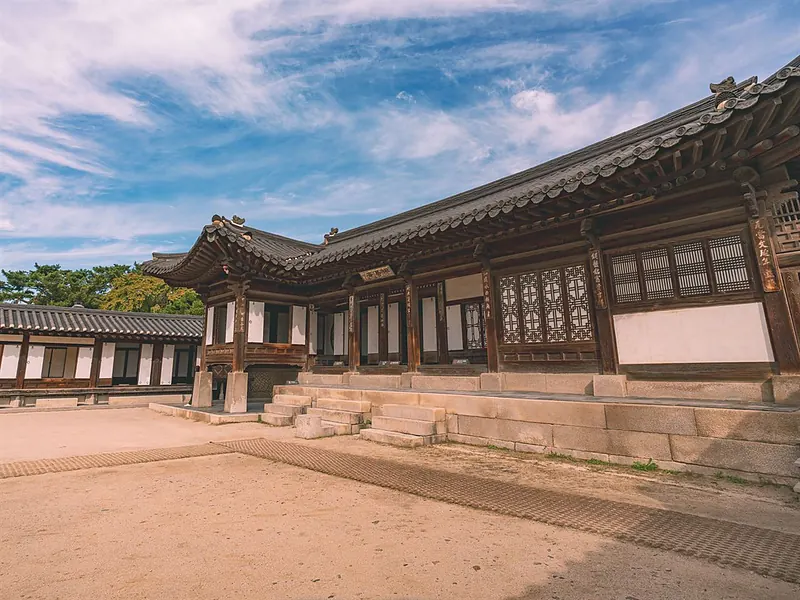
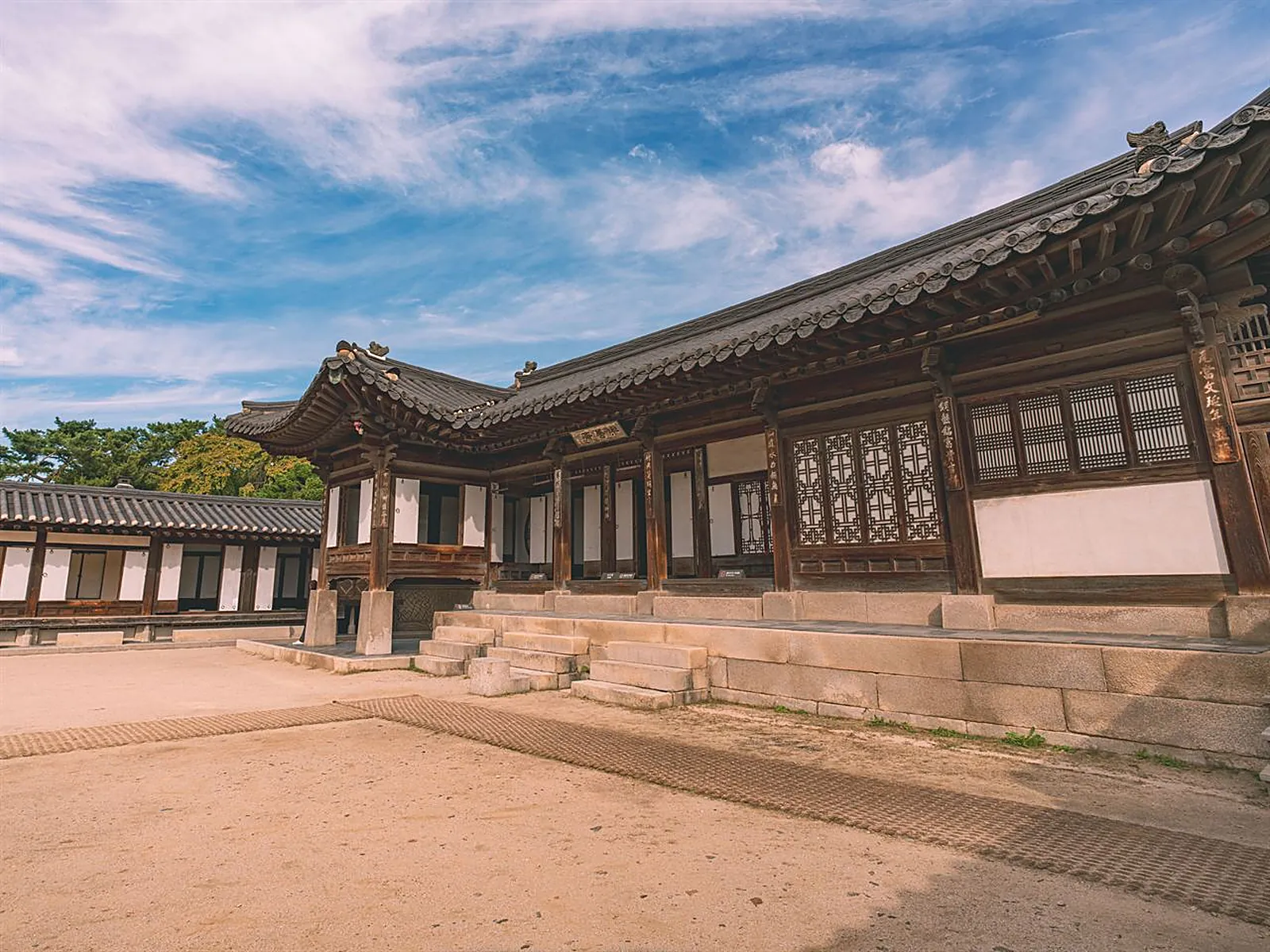
Bukchon Hanok Village sits on the slope between Gyeongbokgung and Changdeokgung palaces, and it's one of the last large neighbourhoods of traditional Korean houses (hanok) in Seoul — curved tiled roofs, wooden gates, narrow stone lanes. It's gorgeous, and it's also somewhere people live.
That second part matters more than ever, because the neighbourhood now has rules for visitors.
The visiting hours (read this first)
After years of complaints from residents about noise and crowds, Seoul's Jongno district designated Bukchon's core residential area a special management zone. In that zone:
- Tourists may visit only between 10:00 and 17:00
- Visiting outside those hours can result in a fine
- The zone is marked with signs — the most photographed lanes are inside it
So forget the old advice about going at sunrise to beat the crowds. Plan for mid-morning on a weekday, which is the calmest time within the allowed hours.
How to be a good guest
- Keep your voice down — people are working from home, sleeping, raising kids
- Stay on public lanes; don't open gates, sit on doorsteps or peer into courtyards
- Don't photograph residents or point cameras through open doors or windows
- No drones
- Take your rubbish with you
Treat it like walking through someone's street, because that's exactly what it is.
The best photo spots
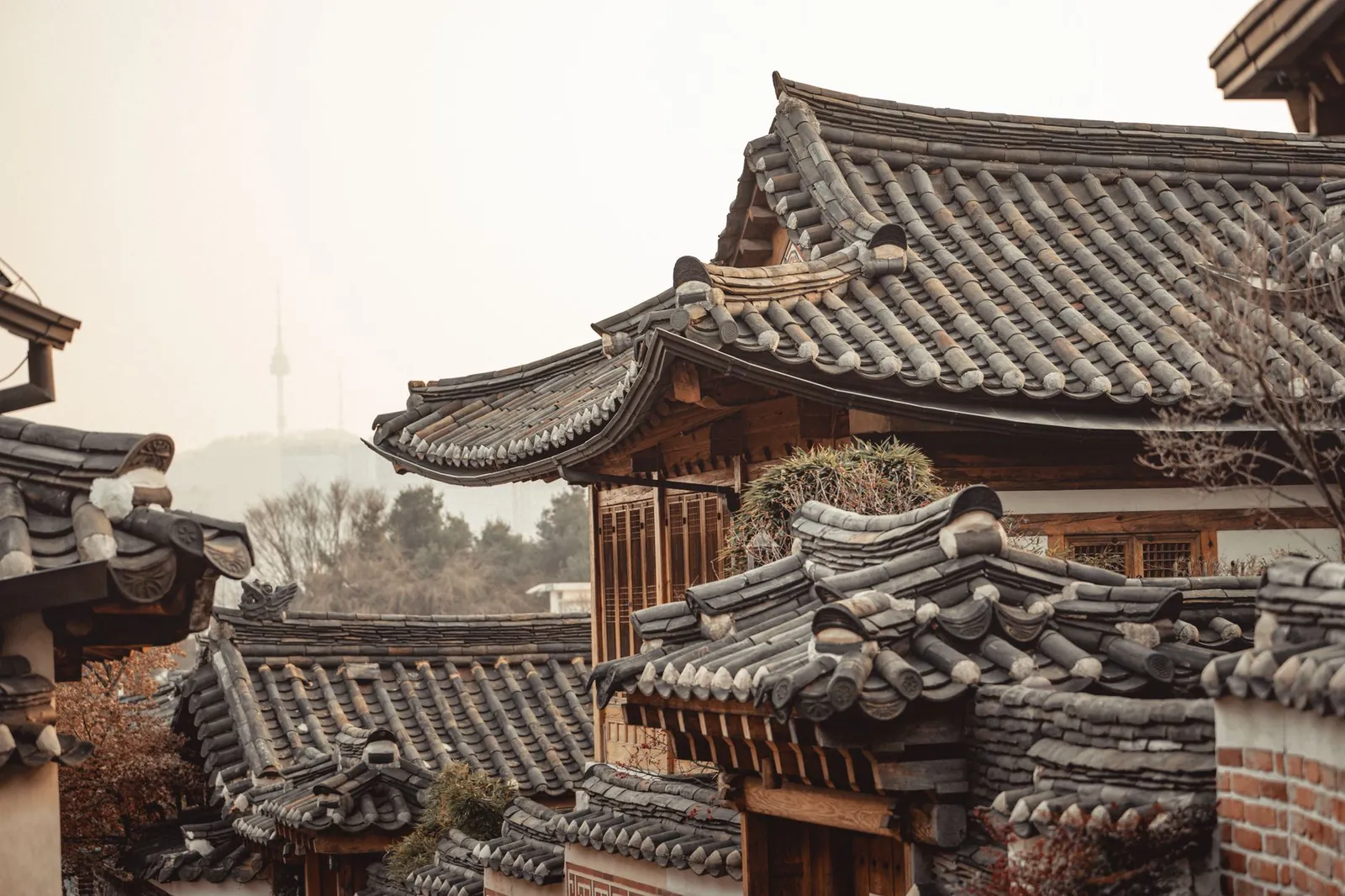
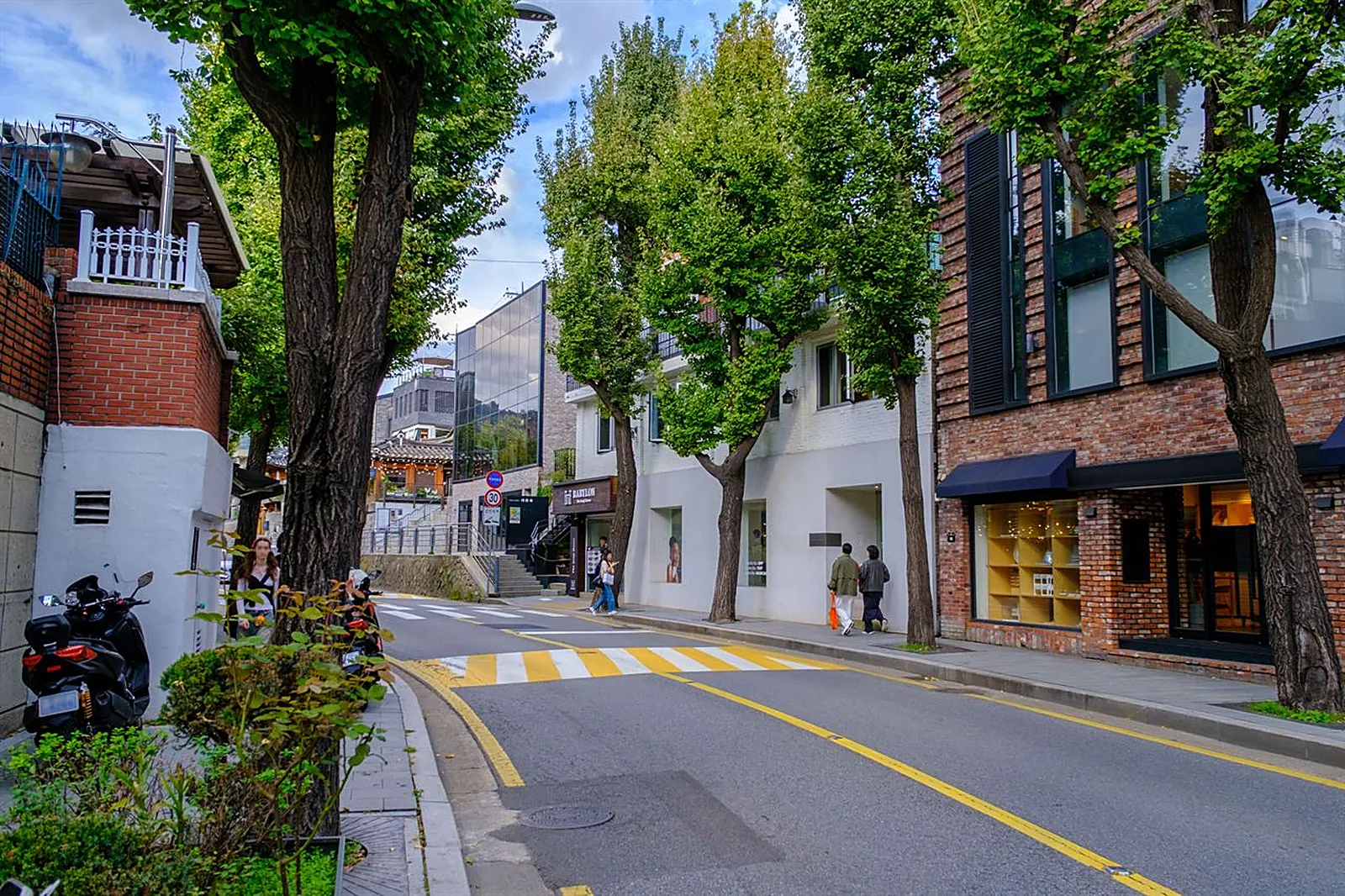
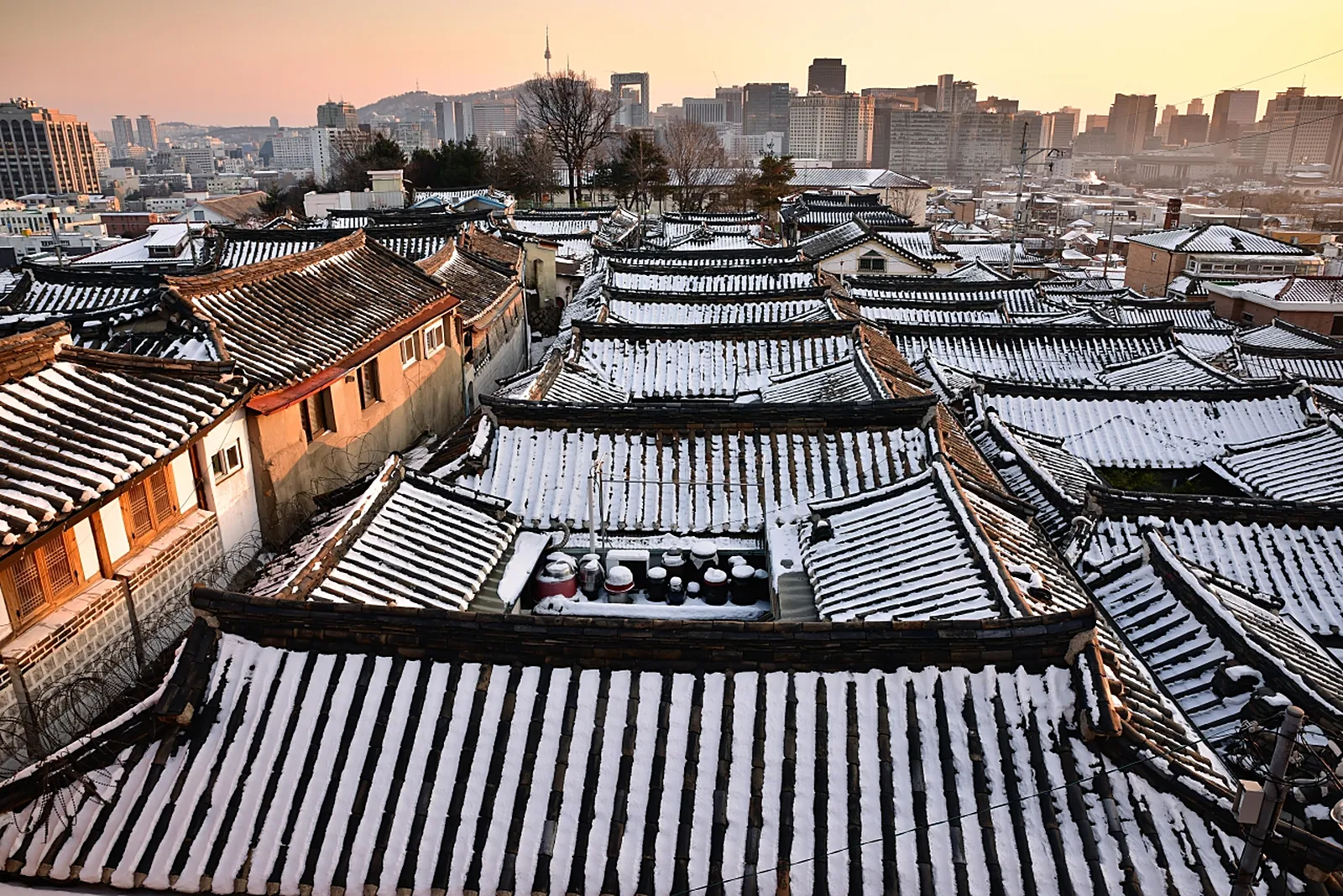
Bukchon-ro 11-gil — the famous sloping lane with rows of rooftops stepping down the hill, and the classic "hanok roofs with the city behind" view. This is the shot you've seen on Instagram. It's also the most crowded; get there close to 10am.
The upper lanes of Gahoe-dong — quieter streets higher up the slope, with long rows of hanok walls and gates.
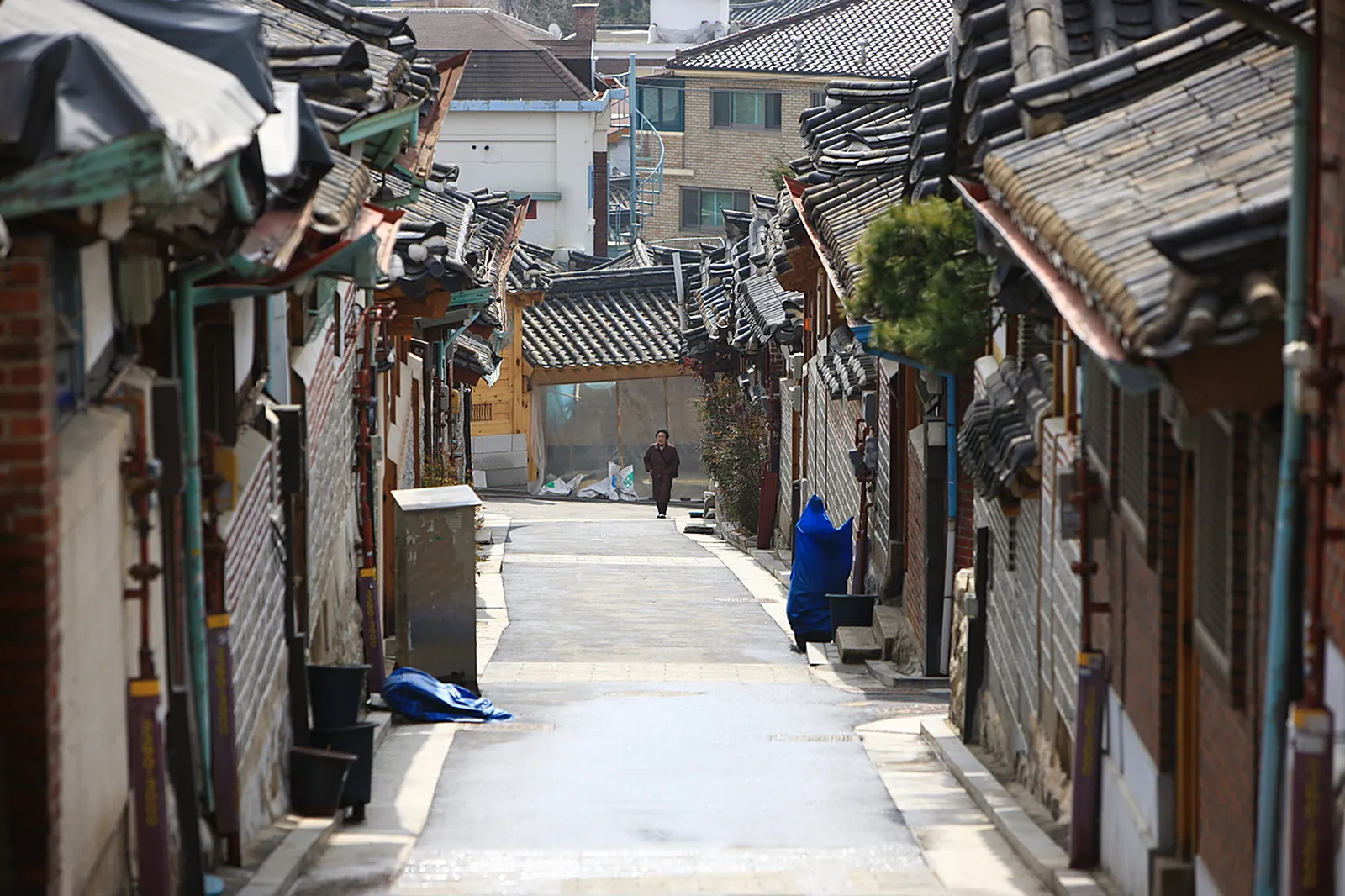
Bukchon viewpoints — several spots along the upper lanes look back over the rooftops toward the city. Follow the small tourist signs.
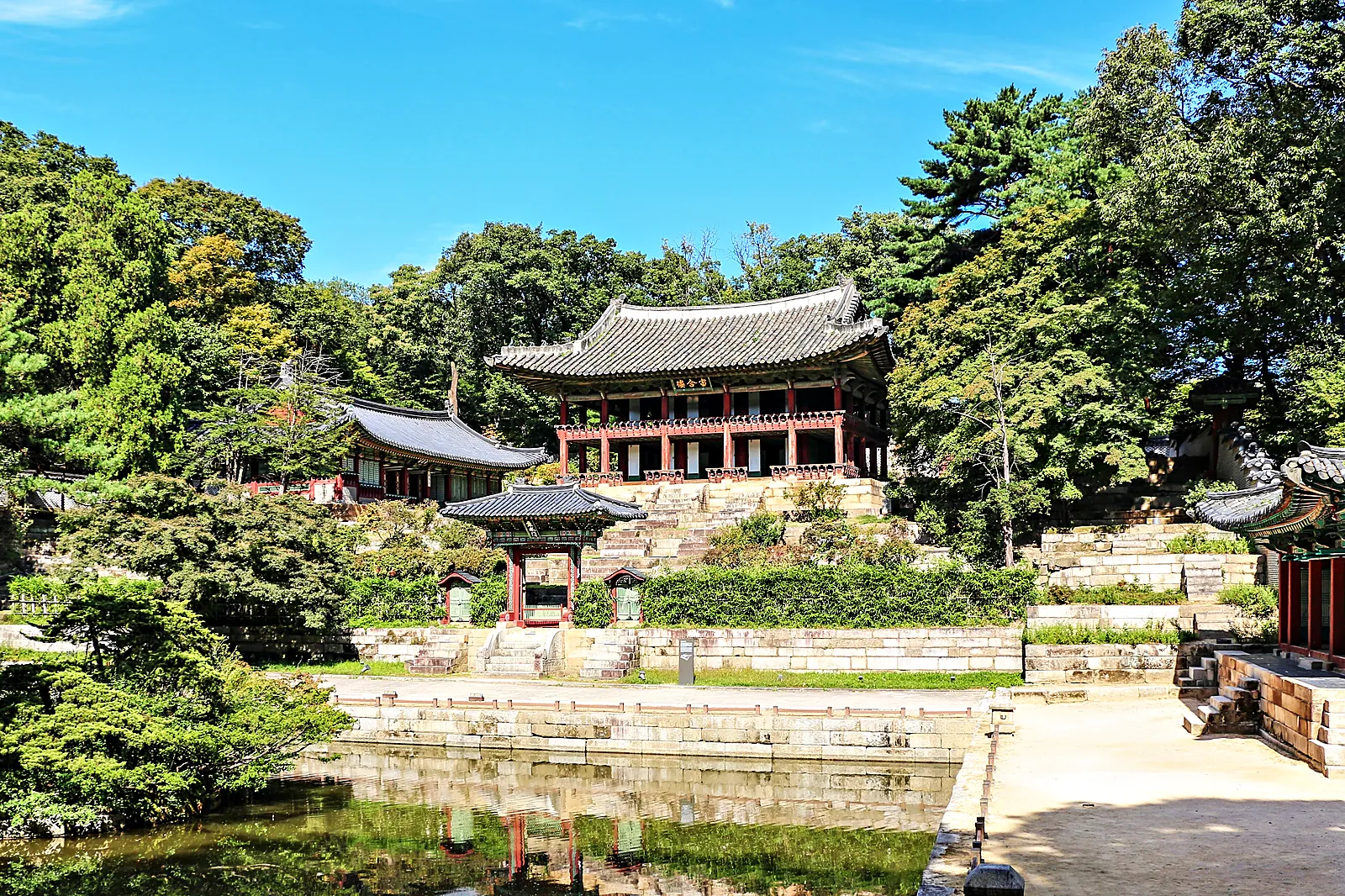
Nearby: more hanok, fewer rules
A sample route
- 9:30 — rent a hanbok near Gyeongbokgung or Anguk Station
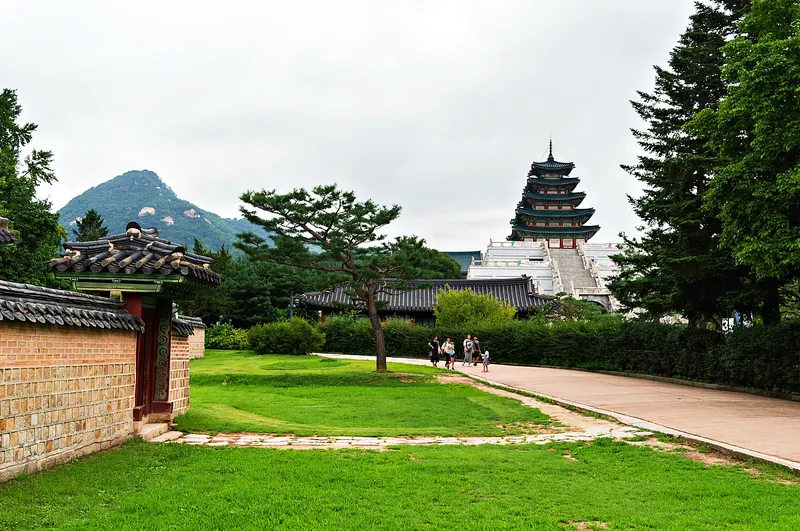
- 10:00 — Gyeongbokgung Palace (free in hanbok, closed Tuesdays)
- 11:30 — walk up into Bukchon, Bukchon-ro 11-gil and the upper lanes
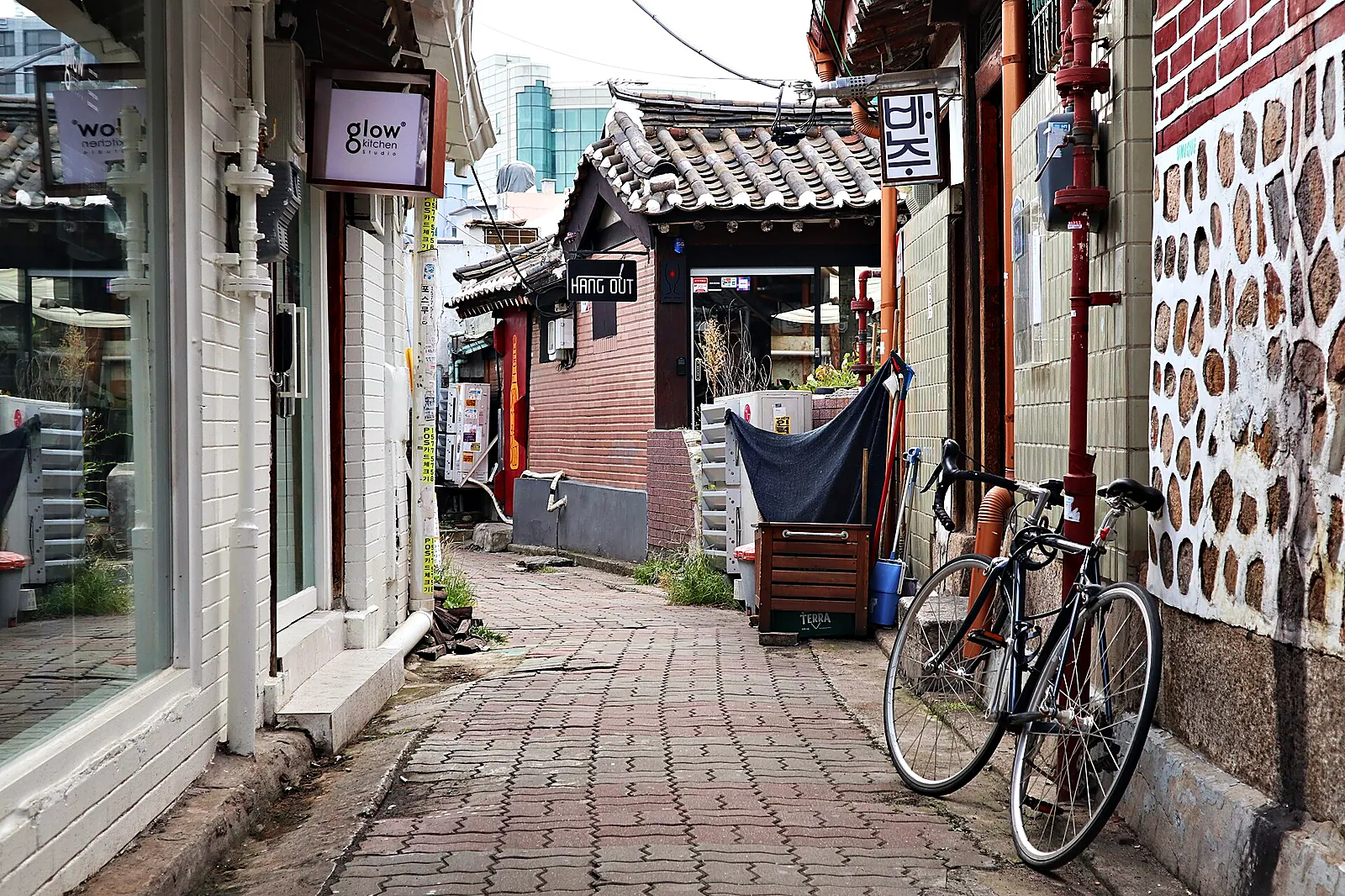
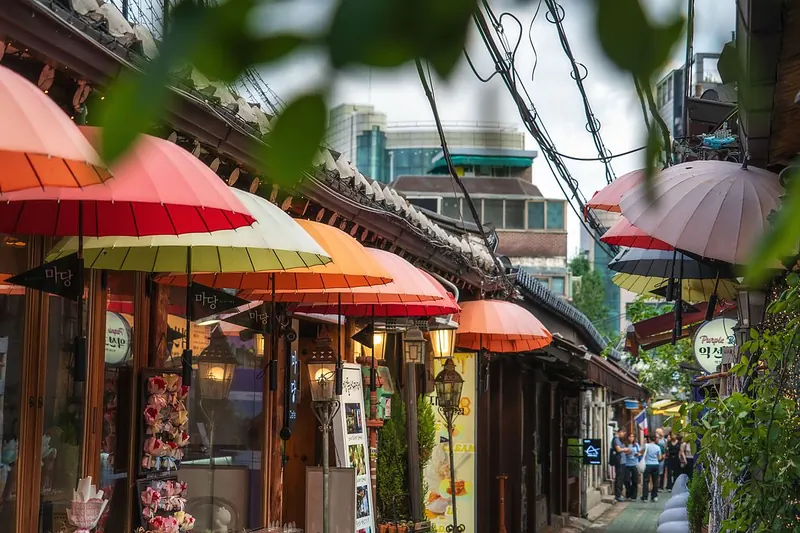
- 13:00 — lunch in Samcheong-dong or Ikseon-dong
- Afternoon — Changdeokgung, or on to Gwangjang Market
A little history
Bukchon means "northern village". It sits north of Cheonggyecheon Stream and Jongno, between Gyeongbokgung and Changdeokgung, and during the Joseon dynasty it was home to high-ranking officials and aristocratic families who wanted to live close to the palaces.
Most of the hanok you see today were built in the early 20th century, when large estates were divided into smaller "urban hanok" for a growing city. As Seoul modernised, many neighbourhoods like this were demolished. Bukchon survived, and since the 2000s the city has supported restoring its houses — which is part of why it became so popular.
Hanok 101: what you're looking at
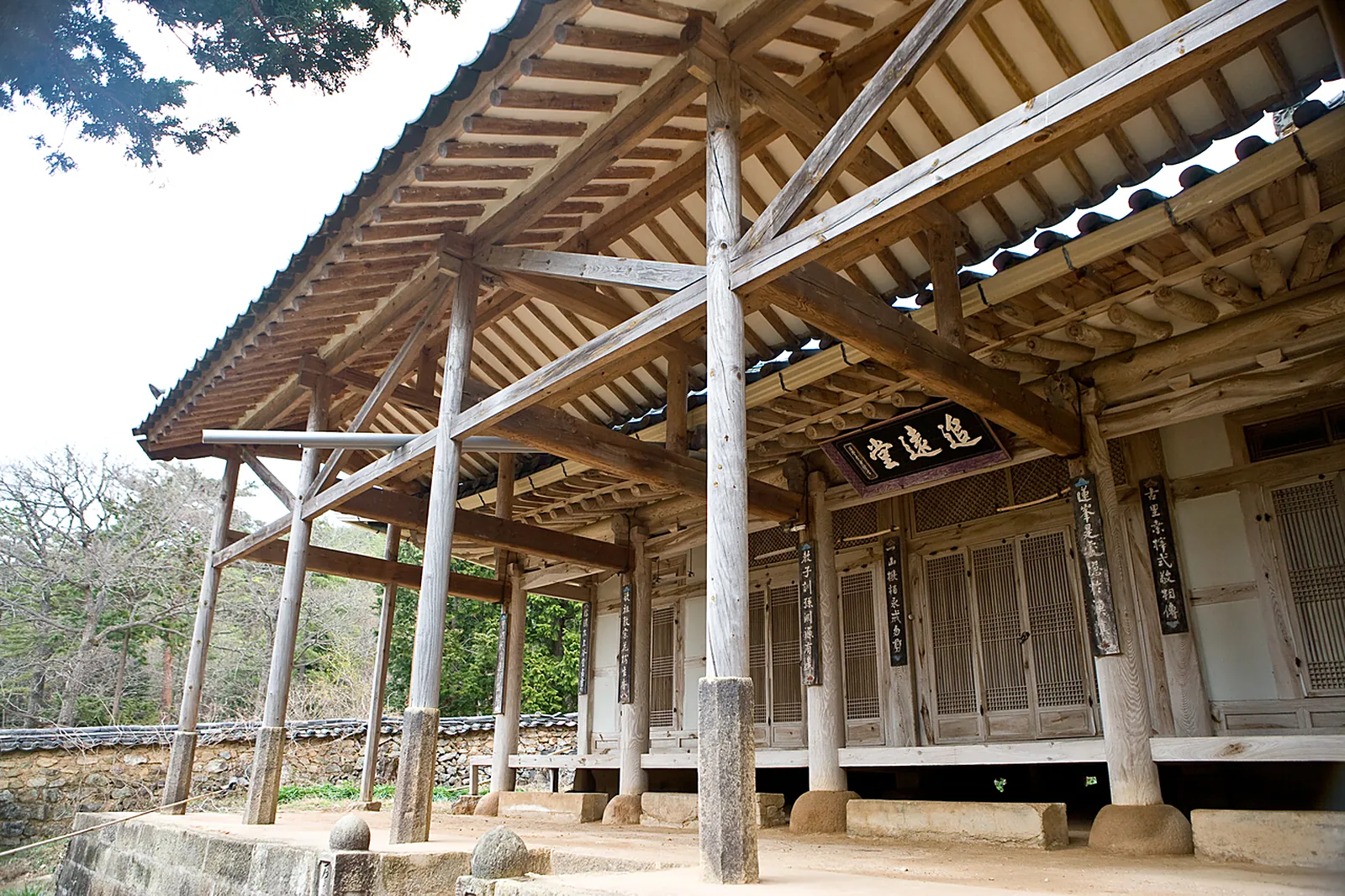
Knowing a few terms makes the walk far more interesting:
- Giwa — the curved clay roof tiles, with decorated end tiles along the eaves
- Cheoma — the gently upturned eaves that give hanok their silhouette
- Madang — the inner courtyard, the centre of family life
- Ondol — the traditional underfloor heating system that still inspires Korean homes today
- Hanji — paper made from mulberry bark, used for doors and windows
Toilets, rest stops and snacks
The residential zone has very few public toilets and no convenience stores on its quietest lanes. Plan your breaks:
- Use the toilets at Anguk Station before you walk up
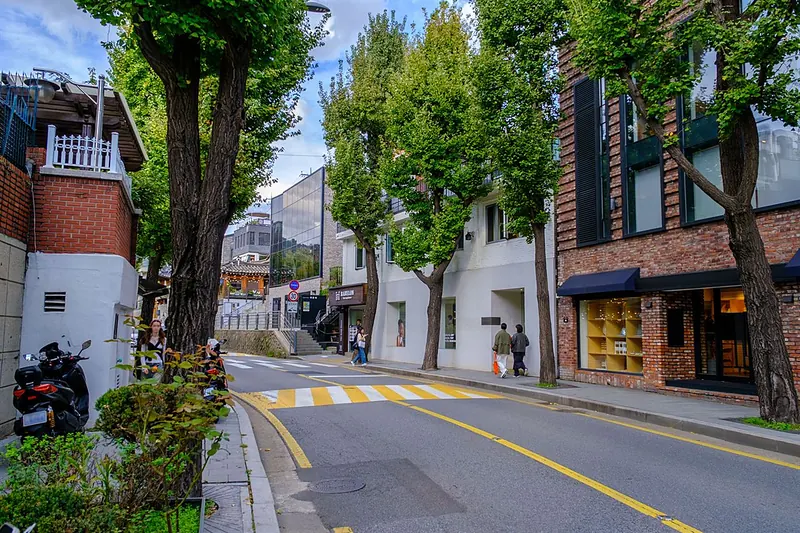
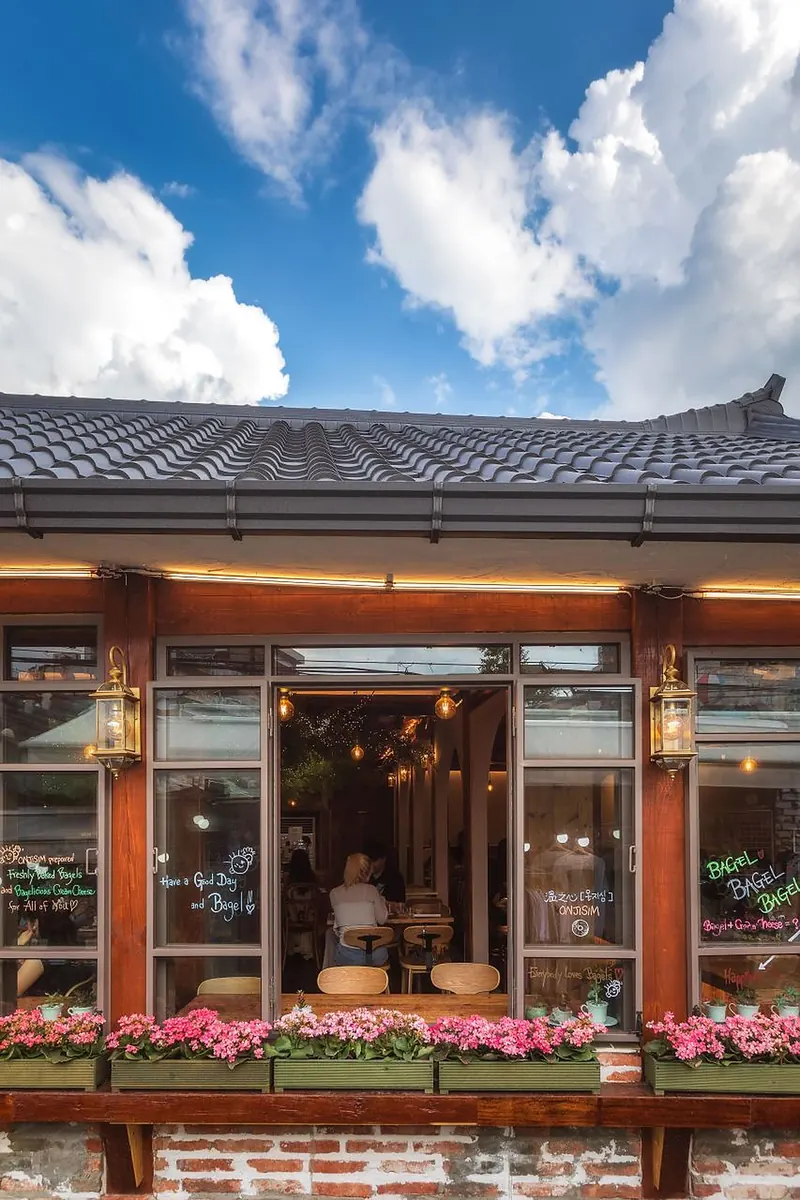
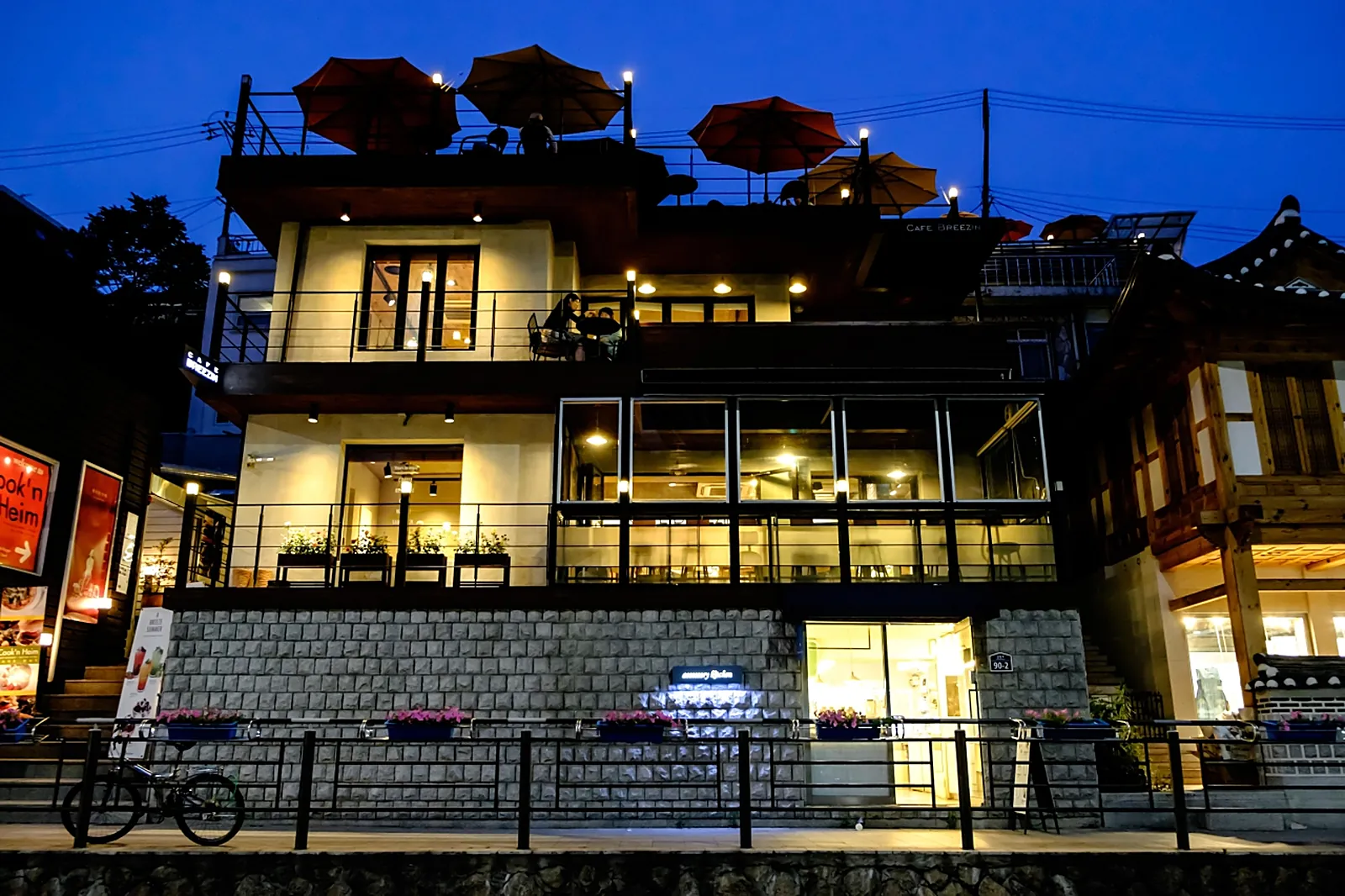
- Samcheong-dong and the streets around Anguk have plenty of cafés where you can rest
- Carry water in summer — the lanes are steep and there's little shade
Rainy day or out-of-hours alternatives
If it's pouring, or you can only go early or late, try these instead of the residential lanes:
Getting there
Anguk Station (Line 3), exit 2 or 3, is the usual approach — it's a short uphill walk into the village.
Our honest take
Bukchon is beautiful and genuinely special — and it's also someone's neighbourhood that has struggled with too many visitors. The visiting hours exist for a reason.
Go if:
- You love traditional architecture and quiet streets
- You can visit mid-morning on a weekday within the visiting hours
- You're combining it with a palace or hanbok rental nearby
Choose somewhere else if:
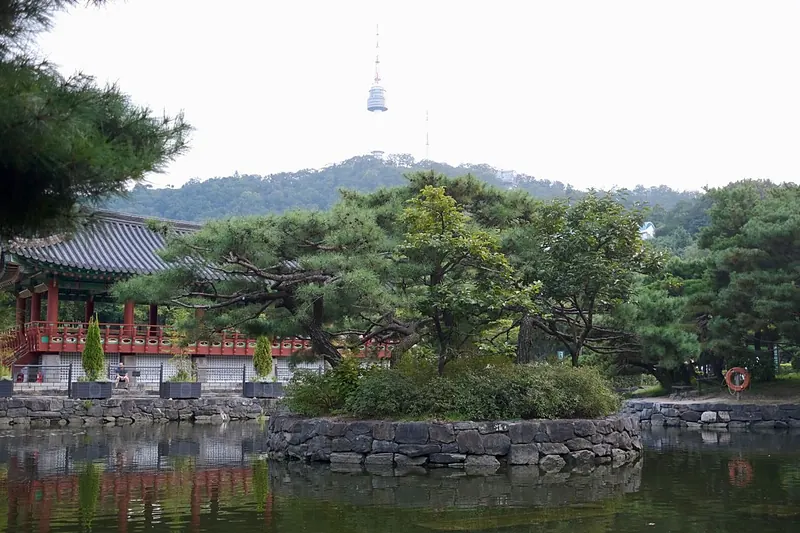
- You can only go early morning or evening — Ikseon-dong or Namsan Hanok Village are better then
- You want a lively shopping street — Insadong or Ikseon-dong suit that better
Our tip: spend less time on the famous slope and more in the upper lanes, where it's quieter and just as pretty. Keep your voice low, take your photos, and move on. Then reward yourself with a slow tea or coffee in Samcheong-dong.
Frequently asked questions
Is Bukchon free?
Yes. Walking the public lanes costs nothing — just stick to the visiting hours.
Can I go inside a hanok?
Most are private homes. A handful operate as cafés, guesthouses, workshops or small museums and are clearly signed as open to the public.
How long do I need?
An hour or two for the main lanes and viewpoints. Add time for Samcheong-dong and Ikseon-dong.
What's the best season?
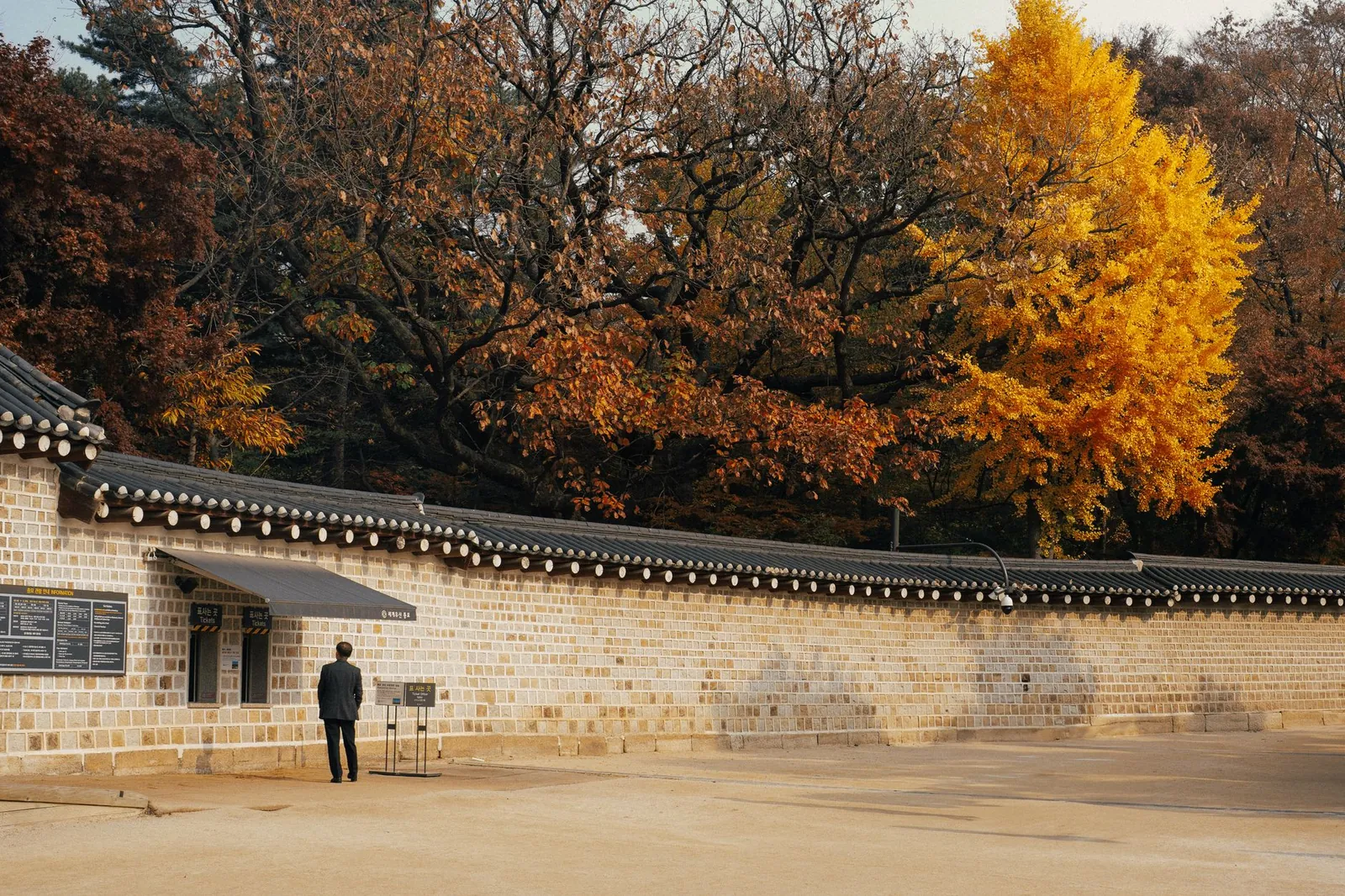
Spring and autumn. Autumn foliage against the tiled roofs is spectacular.