Few capital cities have mountains inside their limits. Seoul has dozens. Hiking is one of Korea's great national pastimes, and on any weekend the trails fill with locals in full hiking gear. It's also one of the fastest-growing activities among foreign visitors — and one of the best ways to see how green, and how big, the city really is.
Choosing your hike
| Mountain | Difficulty | Time (round trip) | Best for |
|---|---|---|---|
| Namsan | Easy | 1–1.5 hours | First walk, N Seoul Tower |
| Achasan | Easy | 1–2 hours | Han River views, sunrise |
| Inwangsan | Easy–moderate | 1.5–2 hours | City wall, palace views |
| Bugaksan | Moderate | 2–3 hours | History, views over Gyeongbokgung |
| Gwanaksan | Moderate–hard | 3–4 hours | Rocky ridges, south Seoul |
| Bukhansan | Hard | 4–6 hours | Granite peaks, the big one |
Times are rough and depend on your route and fitness.
Achasan: the easy win
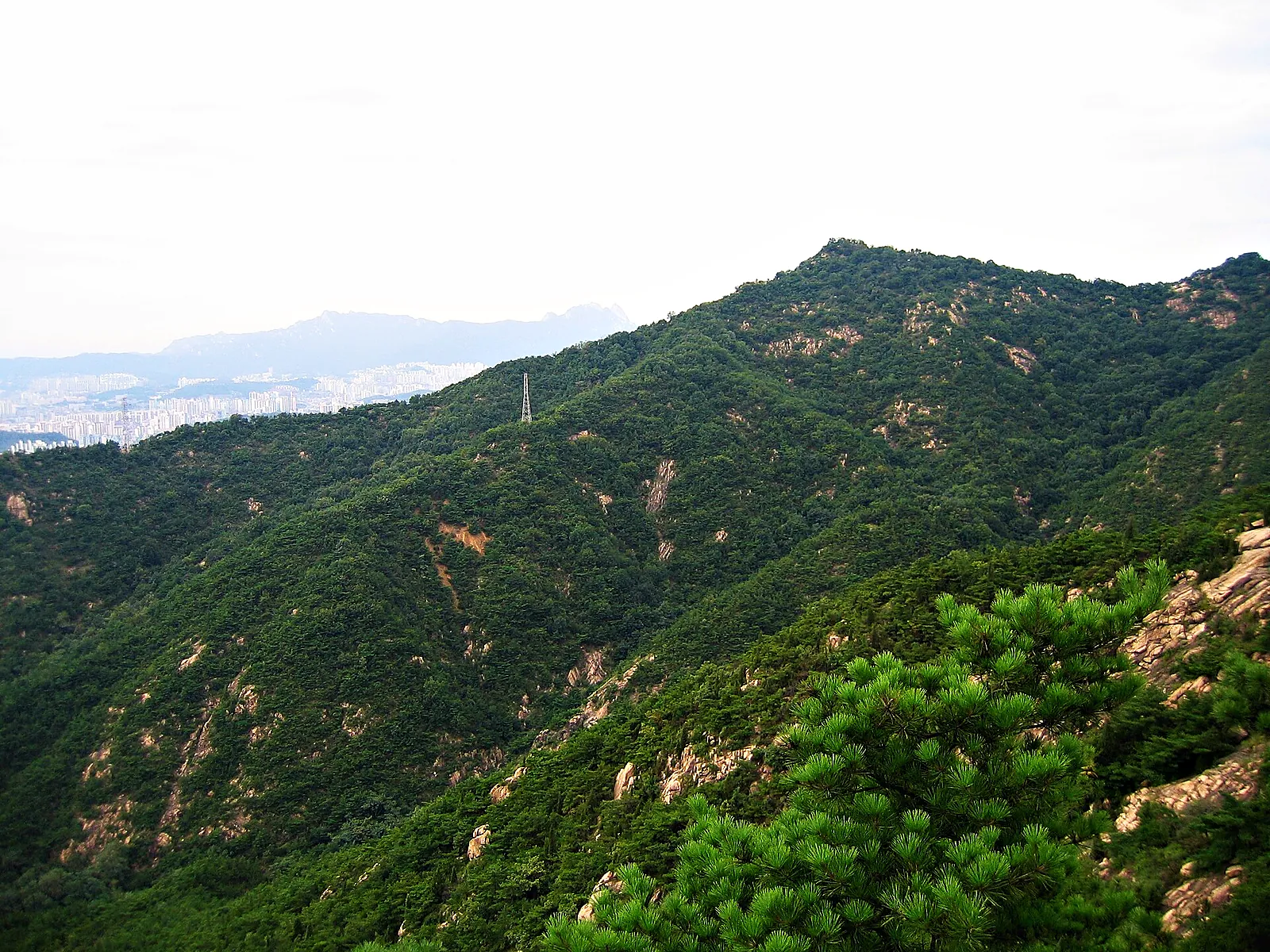
Achasan in the east of Seoul is a gentle, well-kept mountain with wooden stairs and wide paths. Within an hour you're on a ridge looking over the Han River and the eastern city. It's a favourite for sunrise and has become especially popular with foreign visitors.
- Getting there: Achasan Station (Line 5), then a short walk to the trailhead
- Good for: beginners, families, a morning before a Seongsu afternoon
Inwangsan: city wall and palace views
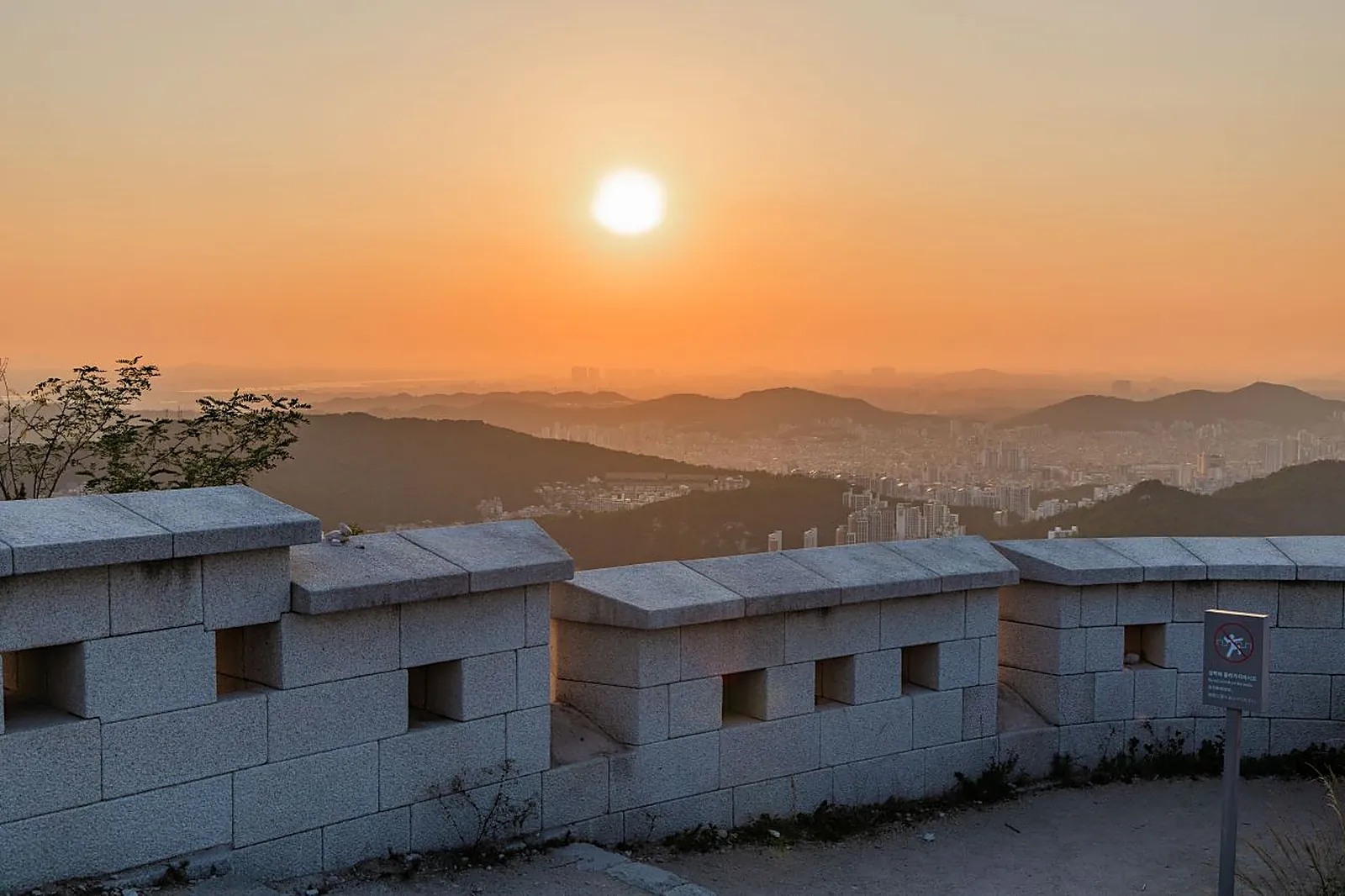
Inwangsan rises right behind Seochon and Gyeongbokgung. A path follows the restored Seoul City Wall up rocky slopes to a summit with one of the best views of the palace and old city.
- Getting there: Dongnimmun Station (Line 3) or walk up from Seochon
- Note: some sections are steep stone steps — take your time
Bugaksan: behind the palace
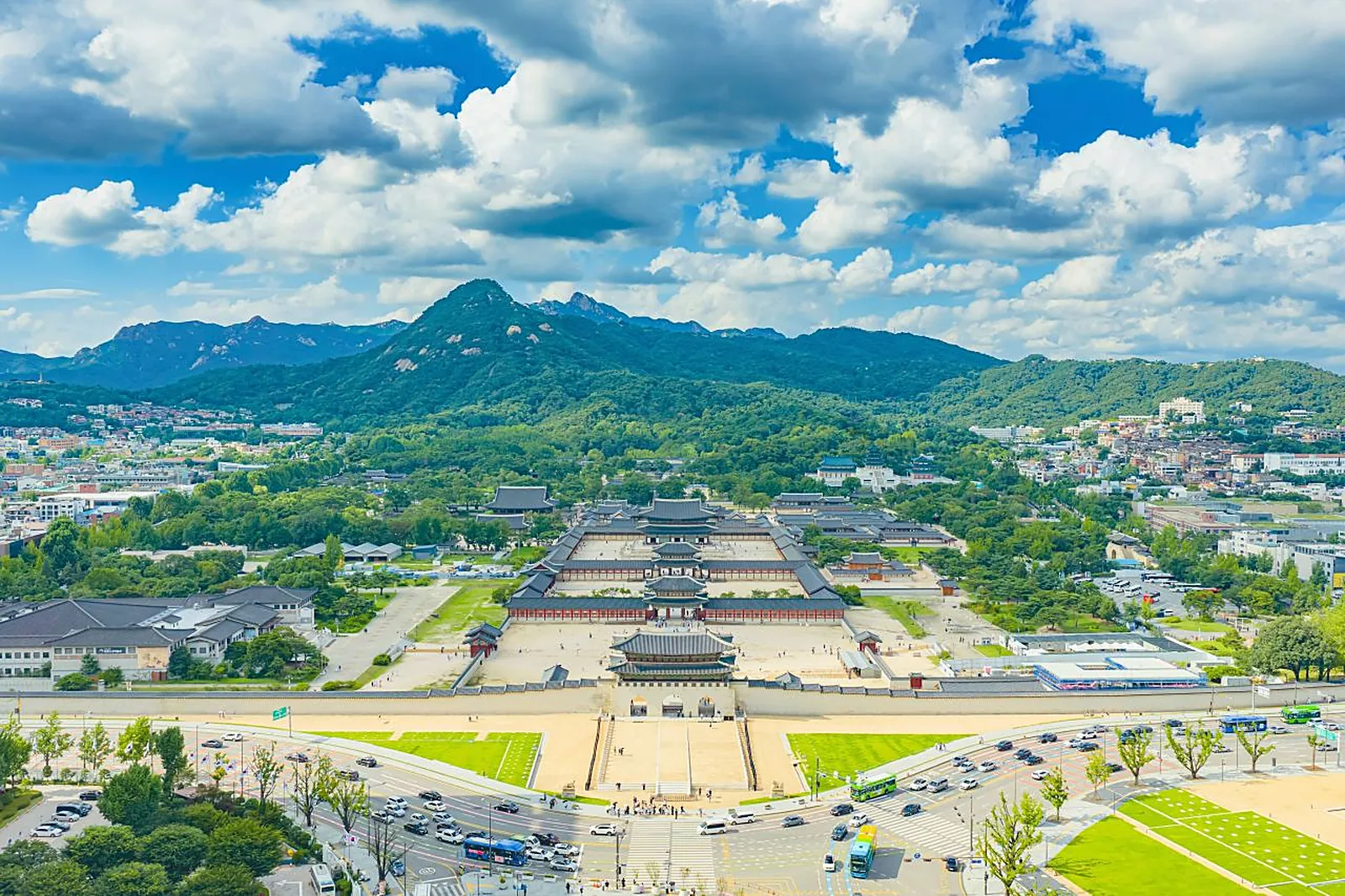
Bugaksan stands directly behind Gyeongbokgung and the former presidential residence. For decades it was closed or tightly restricted; its trails have been fully reopened to the public in recent years. The walk follows the city wall with historic gates and wide views.
Bukhansan: the big one
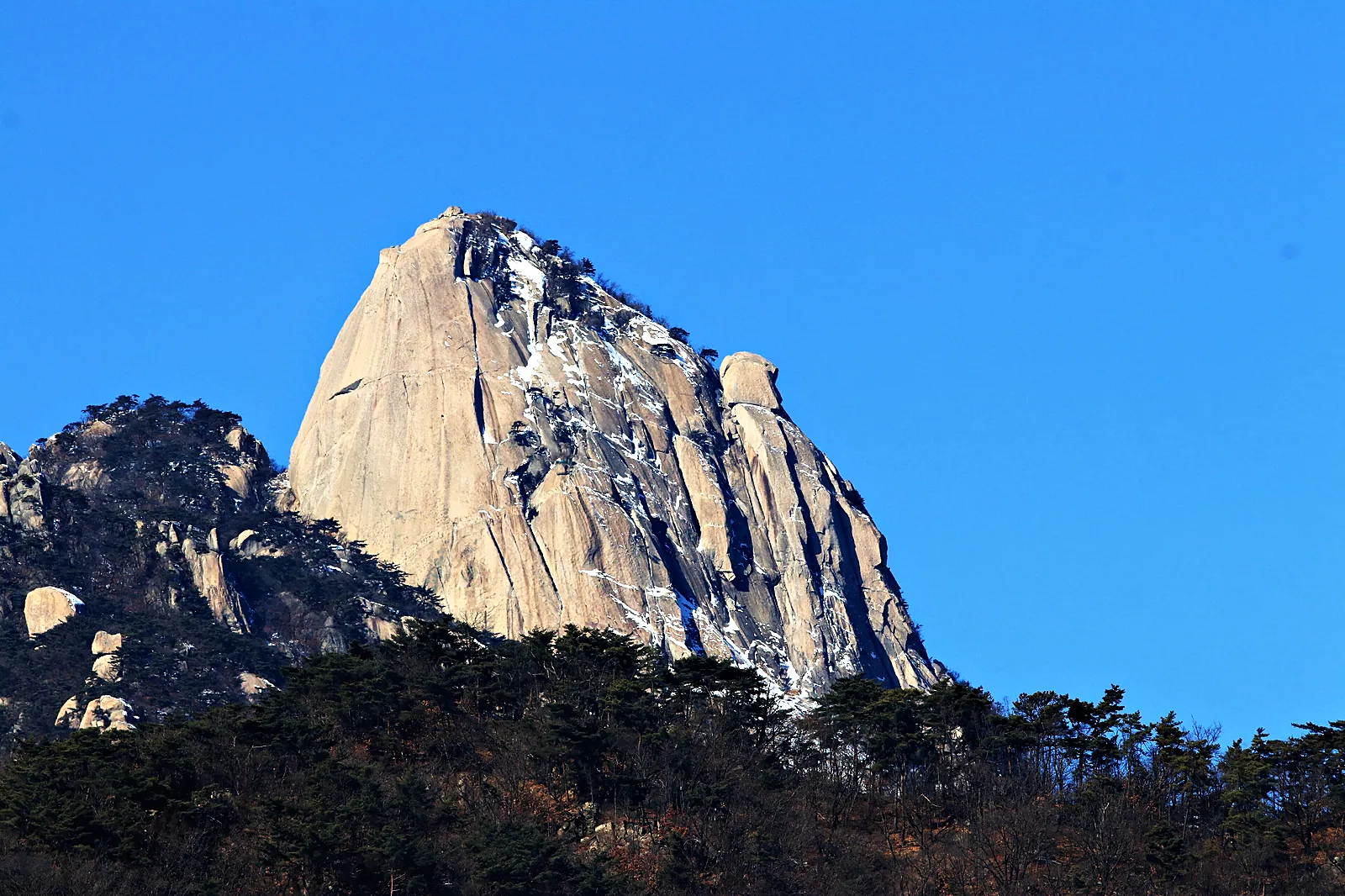
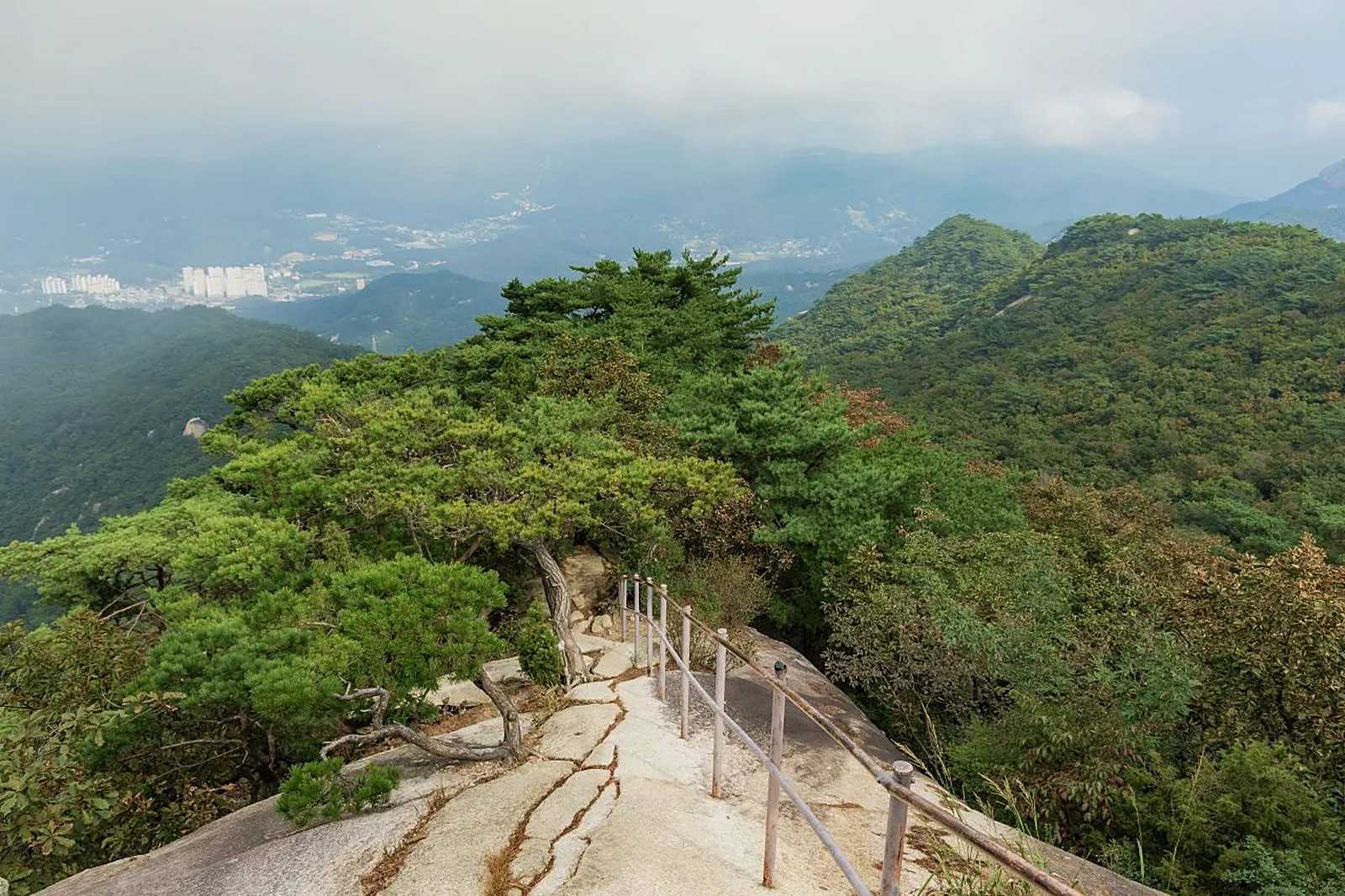
Bukhansan National Park covers the northern edge of the city and is one of the most visited national parks in the world for its size. Its granite peaks — the highest, Baegundae, is over 800 metres — involve steep, rocky sections with cables and railings near the top.
- Getting there: buses from Gupabal Station (Line 3) to the Bukhansanseong trailhead are a common route
- Allow: most of a day
- Go on a weekday — weekend trails can be very busy
Hiking culture in Korea
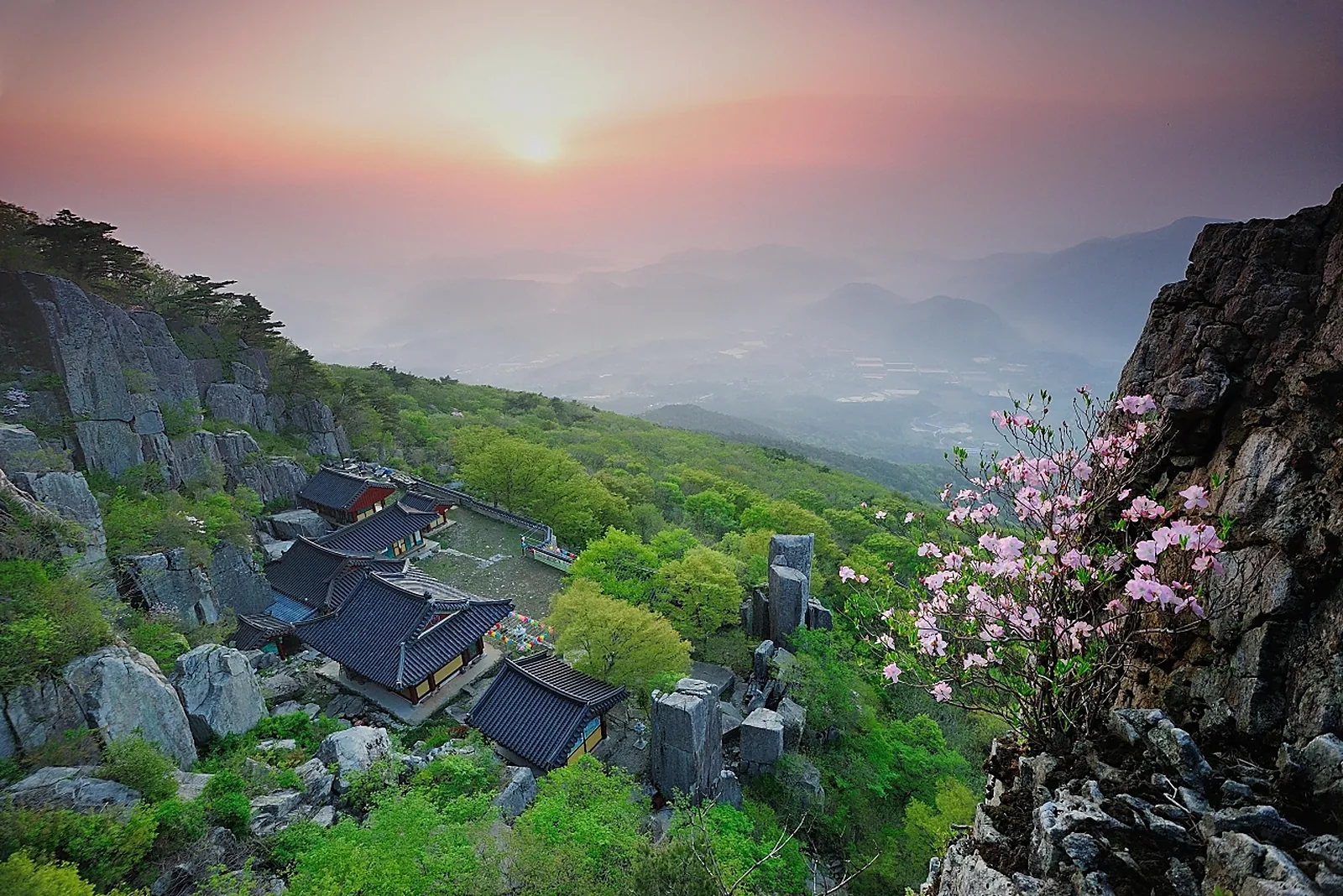
- The gear is serious. Many Korean hikers wear full technical outfits. You don't need to — comfortable trainers or hiking shoes are fine for the easy hikes
- Greet people. A quick annyeonghaseyo on the trail is friendly and common
- Keep right on narrow paths and let faster hikers pass
- Leave no trace. Bins are rare on trails — carry your rubbish out
- Finish with food. Trailheads are full of restaurants serving pajeon (green onion pancake) and makgeolli — the classic post-hike reward
What to bring
- Comfortable shoes with good grip
- Water — more than you think in summer
- A light jacket; summits are windy and cool
- A charged phone with Naver Map, which shows many trails
- Snacks, and a little cash for the trailhead restaurants

Best seasons
- Autumn — the best, with clear skies and foliage from mid-October
- Spring — mild temperatures and cherry and azalea blossoms
- Summer — hot and humid; go at sunrise and carry lots of water
- Winter — clear and cold; icy upper sections need crampons
The Seoul Trail
If you love walking, the Seoul Trail is a long-distance route looping around the entire city through mountains, forests and riverside paths, split into sections you can do in a morning or a day. Stamps are available at checkpoints along the way for completing sections.
Safety tips
- Start early — trails are cooler and quieter in the morning, and you won't race the sunset
- Check the weather and air quality before you go; skip rocky peaks in rain or ice
- Stay on marked trails and follow the signs back down the same way if you're unsure
- Save the emergency numbers: 119 for rescue, 112 for police, and 1330 for English help
- Share your route with someone and keep your phone charged
Our honest take
A morning hike is one of the most rewarding, least touristy things you can do in Seoul — and most of the good ones are a subway ride away.
Do it if:
- You want a break from shopping and sightseeing
- You love views and fresh air
- The weather is clear — especially in autumn
Skip or choose an easy one if:
- You're not used to steep steps — pick Namsan or Achasan
- It's very hot, wet or icy
Our tip: start with Achasan or Inwangsan early in the morning. If you love it, save Bukhansan for a clear weekday later in your trip.
Frequently asked questions
Do I need special gear?
Not for the easy hikes. Comfortable shoes with grip, water and a light jacket are enough. Bukhansan's summit routes need proper hiking shoes.
Is it safe to hike alone?
The popular trails are busy and well marked. Tell someone your plan, carry water and a charged phone, and avoid the steep peaks in bad weather.
Are the trails signposted in English?
Major trails usually have English or bilingual signs. Naver Map helps with the rest.
What's the easiest hike with a great view?
Achasan — about an hour to wide views over the Han River.