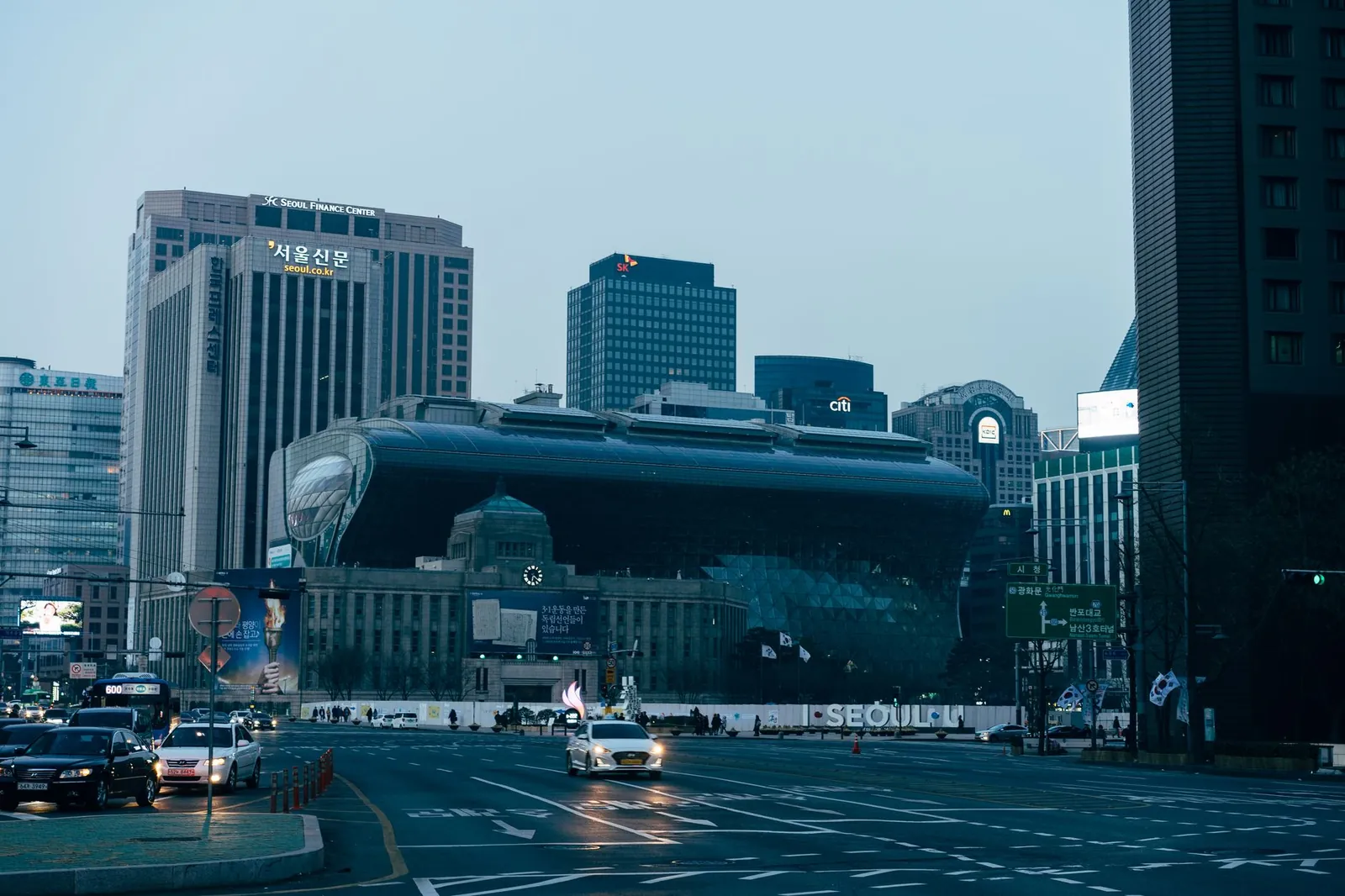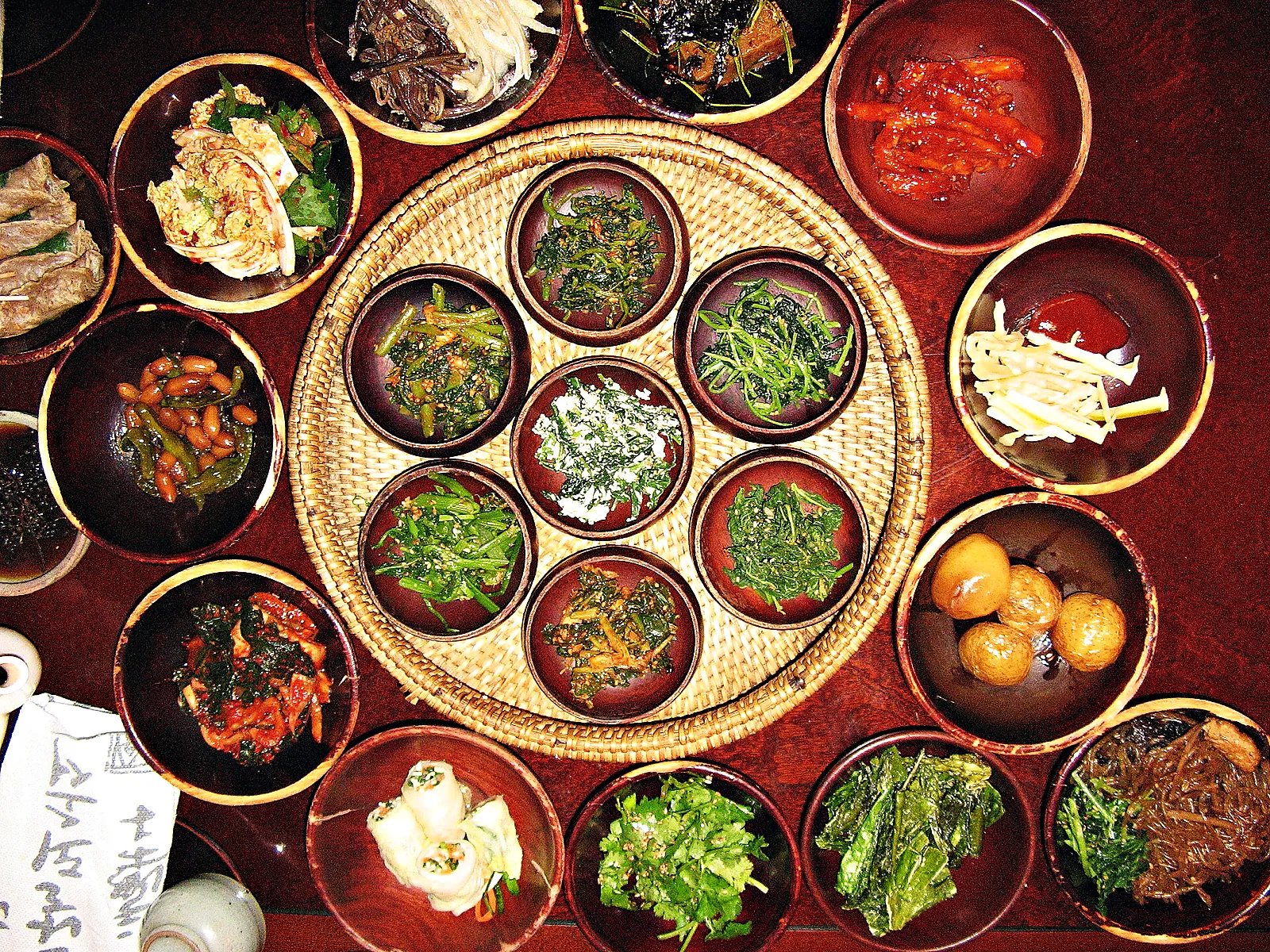
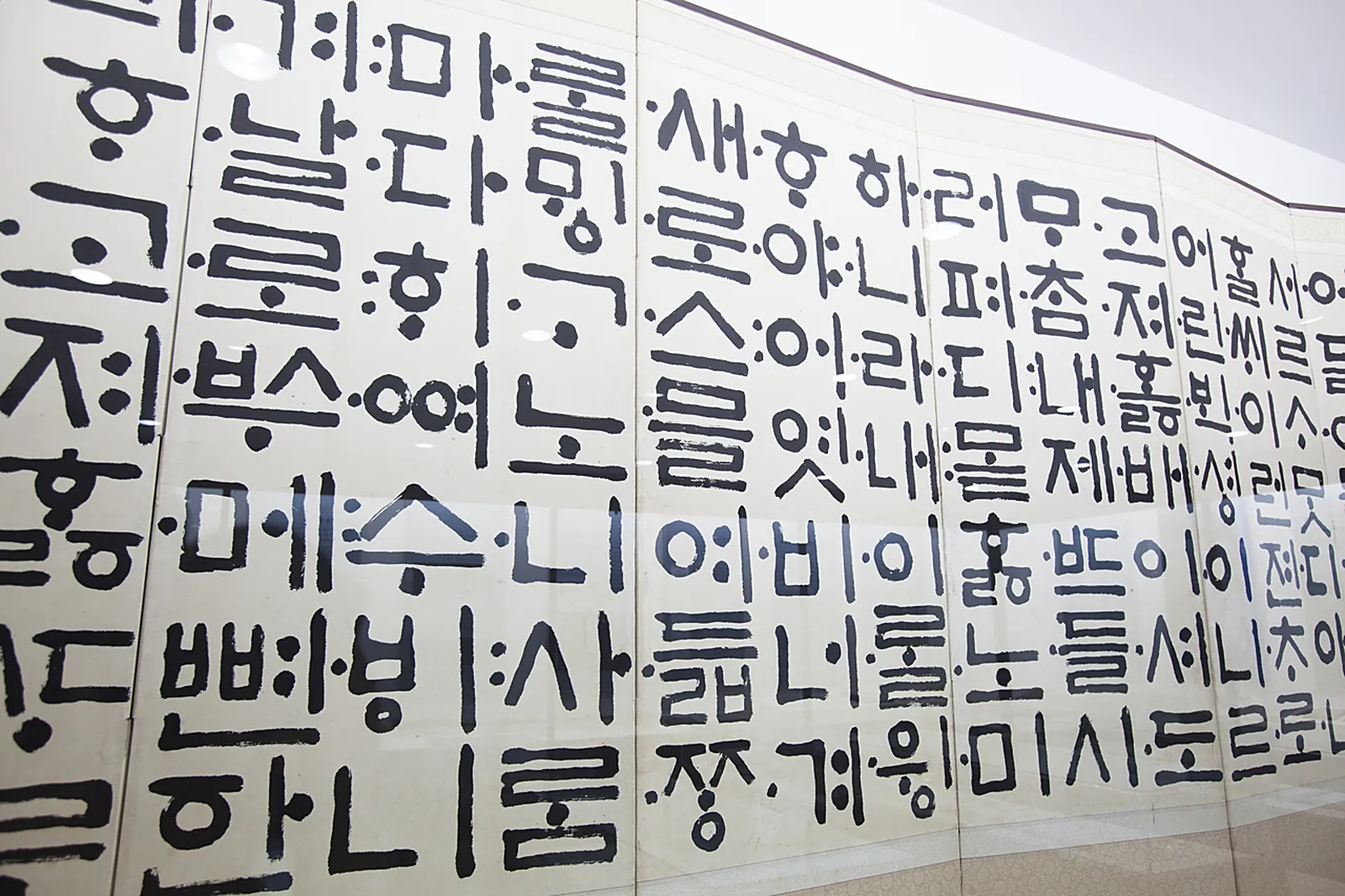
Seoul is very manageable in English: signs, menus and subway announcements come with translations, and Papago fills the gaps. But a few words of Korean change the whole mood of an interaction. People light up, service gets warmer, and you'll feel less like a visitor.
Here are the phrases that actually get used — no textbook filler.
How to use this guide
The romanisation shows roughly how to say each word. Korean doesn't have strong word stress like English — say syllables evenly. The polite endings -yo and -nida keep you safely respectful with strangers.
The essentials
| English | Korean | Say it |
|---|---|---|
| Hello | 안녕하세요 | annyeong-haseyo |
| Thank you | 감사합니다 | gamsa-hamnida |
| Yes | 네 | ne |
| No | 아니요 | aniyo |
| Sorry / excuse me | 죄송합니다 | joesong-hamnida |
| Excuse me! (getting attention) | 저기요! | jeogiyo! |
| Goodbye (to someone staying) | 안녕히 계세요 | annyeonghi gyeseyo |
| Goodbye (to someone leaving) | 안녕히 가세요 | annyeonghi gaseyo |
Eating out
| English | Korean | Say it |
|---|---|---|
| Table for one / two | 한 명 / 두 명이요 | han myeong / du myeong-iyo |
| This one, please | 이거 주세요 | igeo juseyo |
| Not spicy, please | 안 맵게 해주세요 | an maepge haejuseyo |
| A little less spicy | 덜 맵게 해주세요 | deol maepge haejuseyo |
| Water, please | 물 주세요 | mul juseyo |
| More of this, please | 이거 더 주세요 | igeo deo juseyo |
| It's delicious | 맛있어요 | masisseoyo |
| The bill, please | 계산해 주세요 | gyesan-hae juseyo |
| I ate well (on leaving) | 잘 먹었습니다 | jal meogeot-seumnida |
| Takeaway, please | 포장이요 | pojang-iyo |
| I'll eat here | 먹고 갈게요 | meokgo galgeyo |
Allergies and diets
| English | Korean | Say it |
|---|---|---|
| I have an allergy | 알레르기 있어요 | allereugi isseoyo |
| Peanuts | 땅콩 | ttangkong |
| Shellfish / seafood | 해산물 | haesanmul |
| No meat, please | 고기 빼주세요 | gogi ppaejuseyo |
| I'm vegetarian | 저는 채식주의자예요 | jeoneun chaesik-juuija-yeyo |
Shopping
| English | Korean | Say it |
|---|---|---|
| How much is it? | 얼마예요? | eolma-yeyo? |
| Can I pay by card? | 카드 돼요? | kadeu dwaeyo? |
| Just looking | 그냥 볼게요 | geunyang bolgeyo |
| Tax free? | 택스 프리 돼요? | taekseu peuri dwaeyo? |
| A bag, please | 봉투 주세요 | bongtu juseyo |
Getting around
| English | Korean | Say it |
|---|---|---|
| Where is ___? | ___ 어디예요? | ___ eodi-yeyo? |
| Bathroom | 화장실 | hwajangsil |
| Subway station | 지하철역 | jihacheol-yeok |
| Please take me here (showing phone) | 여기로 가주세요 | yeogiro gajuseyo |
| Stop here, please | 여기서 세워주세요 | yeogiseo sewojuseyo |
| Help! | 도와주세요! | dowajuseyo! |
Read Hangul in an afternoon
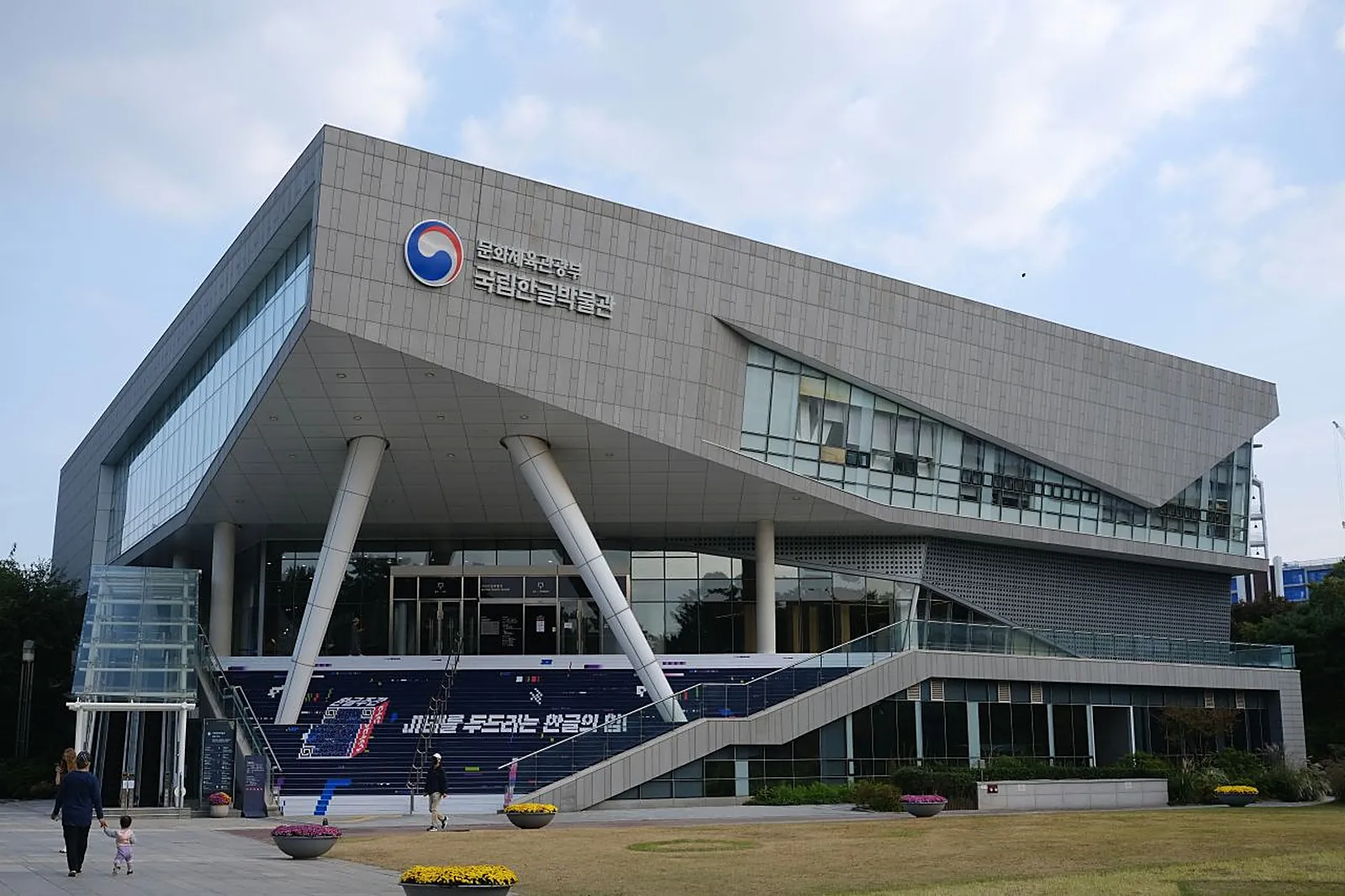
Korean's alphabet, Hangul, was designed in the 1400s to be easy to learn — and it is. With an hour or two of practice you can sound out menus and signs, and a surprising number of words are English loanwords written in Hangul (커피 = keopi = coffee). It's the best return on time you'll get before a trip.
Two number systems (just so you're not confused)
Korean uses two sets of numbers: native Korean numbers (hana, dul, set…) for counting things and people, and Sino-Korean numbers (il, i, sam…) for money, dates and phone numbers. You don't need to learn both — just know why "two people" (du myeong) and "₩2,000" (i-cheon won) sound different.
At the pharmacy or in an emergency
| English | Korean | Say it |
|---|---|---|
| Pharmacy | 약국 | yakguk |
| Hospital | 병원 | byeongwon |
| It hurts here | 여기 아파요 | yeogi apayo |
| Headache | 두통 | dutong |
| Cold / flu | 감기 | gamgi |
| I need a doctor | 의사가 필요해요 | uisaga piryohaeyo |
| Please call an ambulance | 구급차 불러 주세요 | gugeupcha bulleo juseyo |
Counting and ordering amounts
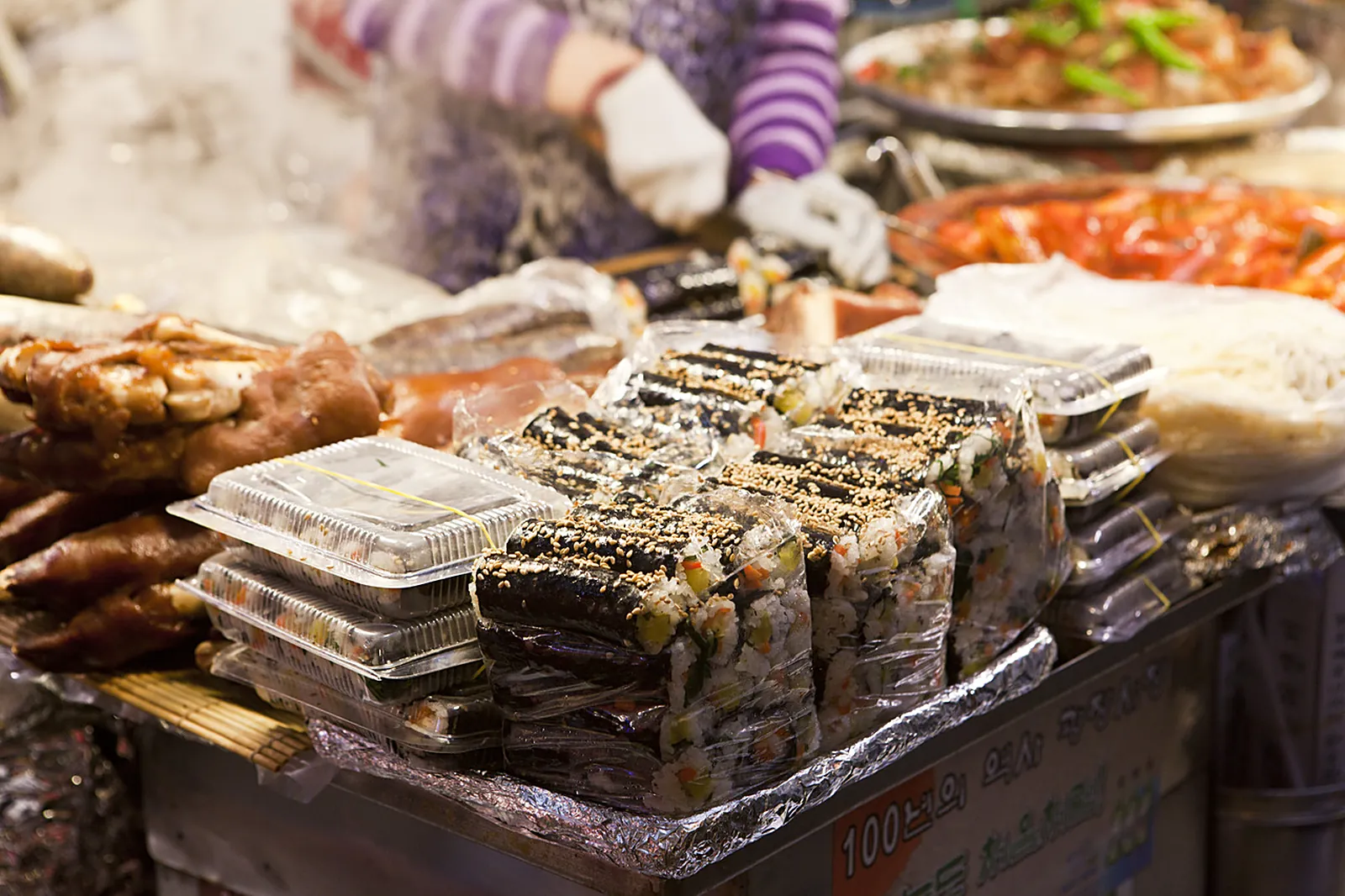
When ordering things, Koreans use native numbers plus a counter word:
- One / two / three — hana (하나), dul (둘), set (셋)
- "One of these" — igeo hana juseyo (이거 하나 주세요)
- "Two, please" — du gae juseyo (두 개 주세요)
- "Two people" — du myeong (두 명)
- "Two bottles" — du byeong (두 병) — useful for beer and soju
Pronunciation tricks
- Korean has no strong stress, so say syllables evenly
- The romanised eo sounds like the "u" in "fun"; eu is like the "oo" in "good" with unrounded lips
- Final consonants are soft — gamsahamnida sounds like "gam-sa-ham-ni-da"
- Use Papago's speaker button to hear any phrase, and don't worry about perfect pronunciation — effort is what counts
Frequently asked questions
Can I get by with English only?
Yes, in Seoul. Signs, transit and most tourist areas have English. The phrases are about warmth, not survival.
Do I need to bow?
A small nod of the head when greeting or thanking is plenty and very natural.
What's the most useful single phrase?
Gamsahamnida. Use it constantly.
Will people respond in Korean if I try?
Sometimes! Point at your phone translator and smile — people are generally delighted you tried.