Seoul has a reputation as an expensive city, but it's one of the best-value big cities in Asia if you know where the money goes. Transit is cheap and excellent, lunch sets are generous, and many of the best experiences cost nothing at all.
Where the money goes
For most visitors, the big costs are:
- Accommodation — the biggest variable. Location matters more than room size
- Food — surprisingly flexible; you can eat very well for little, or spend a lot
- Shopping — K-beauty and fashion are where budgets quietly disappear
- Paid attractions — theme parks, observation decks and tours add up
Transit, sightseeing and everyday food can be very cheap.
Transit: the easiest saving
- Get a Climate Card tourist pass for unlimited subway and bus rides in Seoul
- Take the AREX all-stop train from the airport rather than a taxi (airport guide)
- Walk — central Seoul is compact, and many sights are close together
- Avoid late-night taxis by planning around the last train, or stay near where you go out
Eating well for less
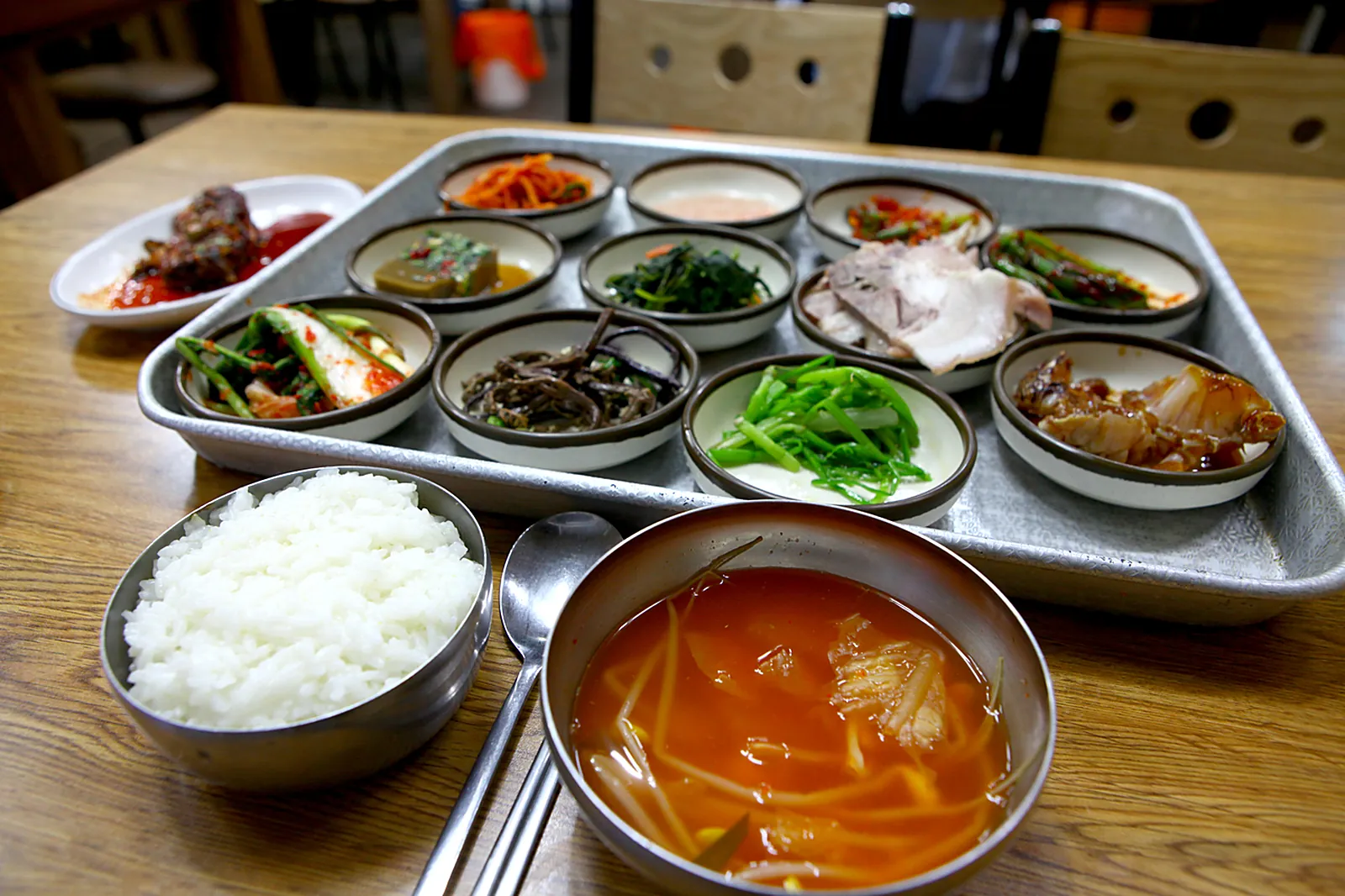
- Lunch sets — many restaurants serve a set lunch (rice, soup, side dishes) for much less than dinner
- Kimbap and noodle chains — cheap, fast and open late
- Markets — Gwangjang, Mangwon and Tongin markets for filling, inexpensive meals
- Convenience stores — triangle kimbap, lunch boxes and 1+1 deals (guide)
- Street food — tteokbokki and fish cakes for a few thousand won (street food A–Z)
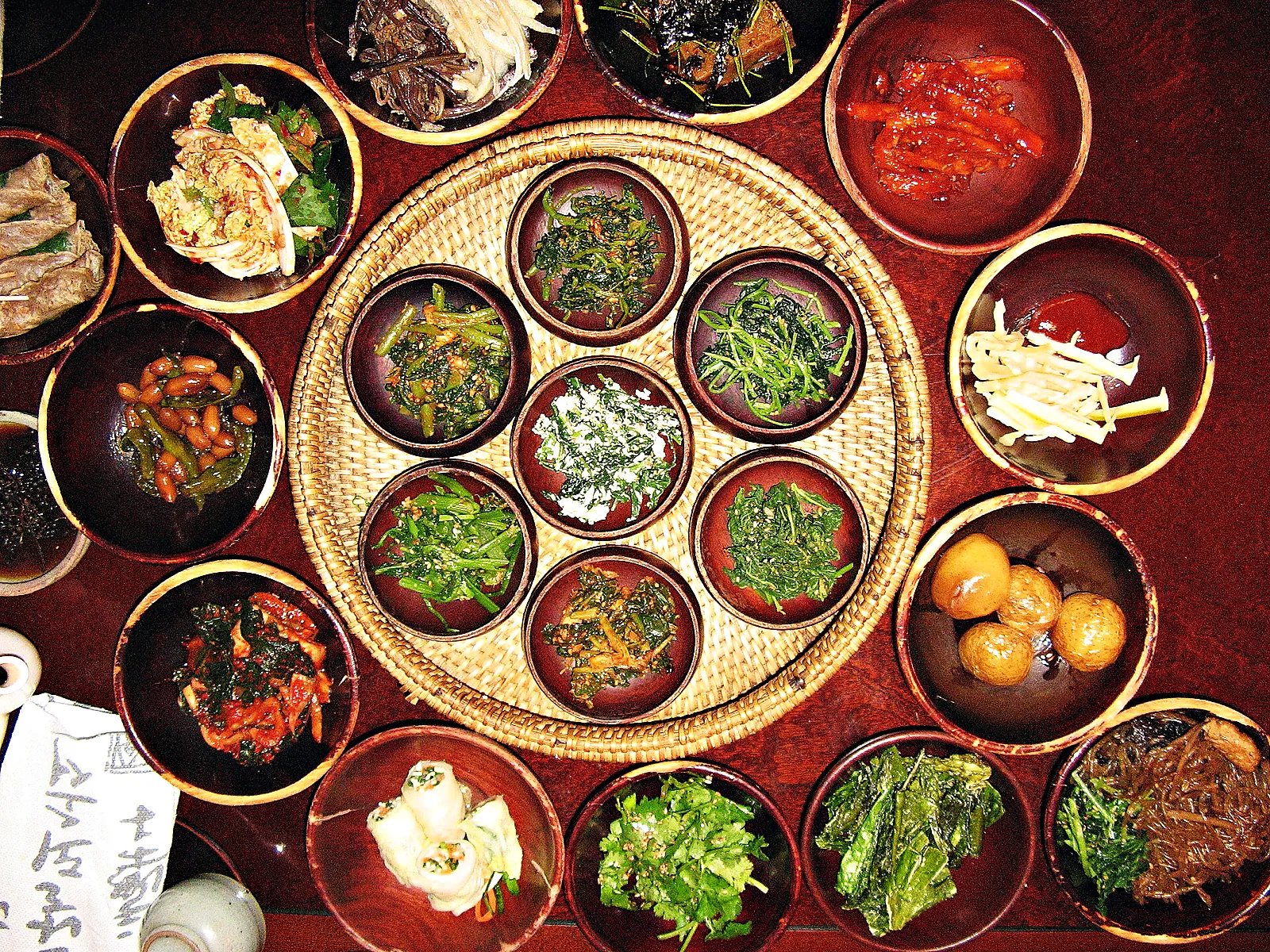
- Free refills — side dishes (banchan) are refilled for free at most Korean restaurants
Free things to do
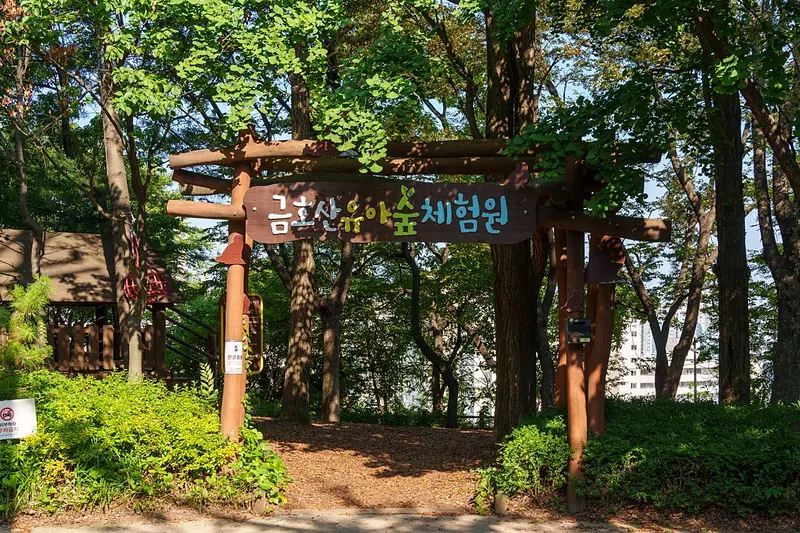
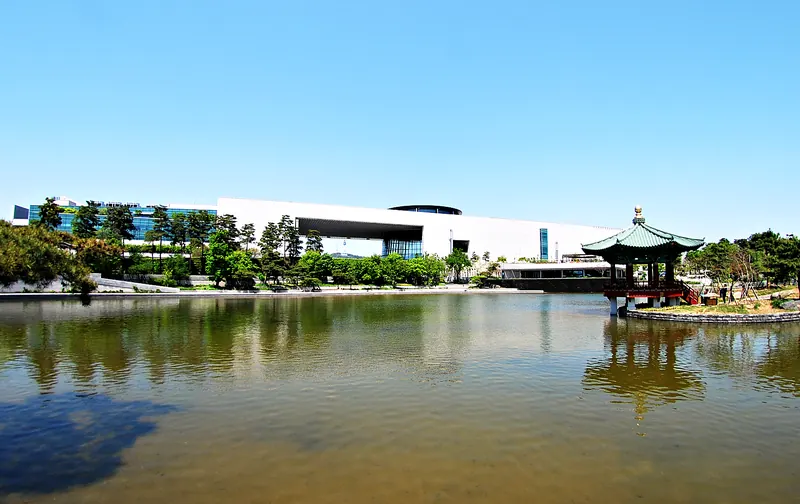
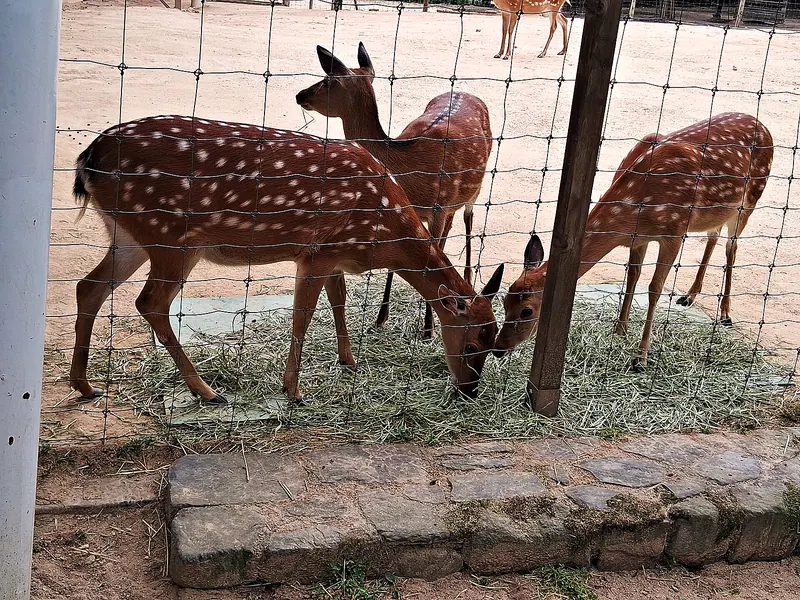
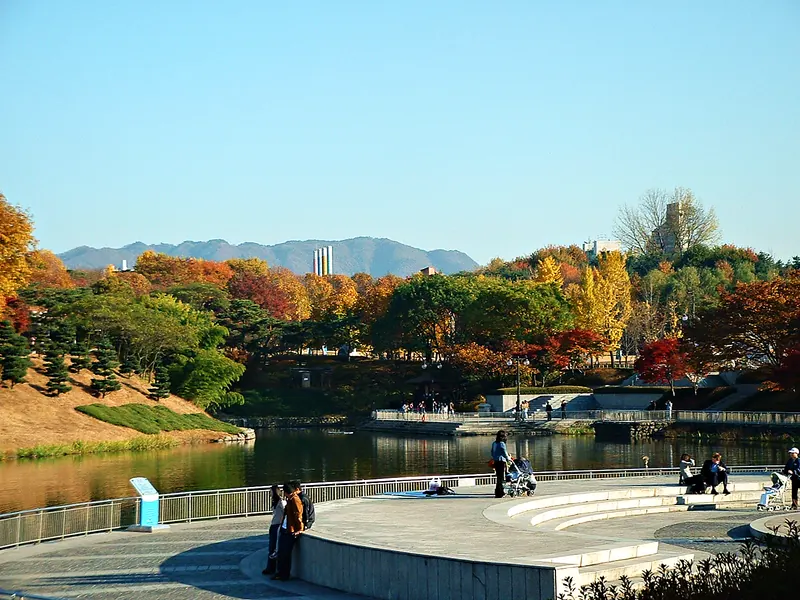
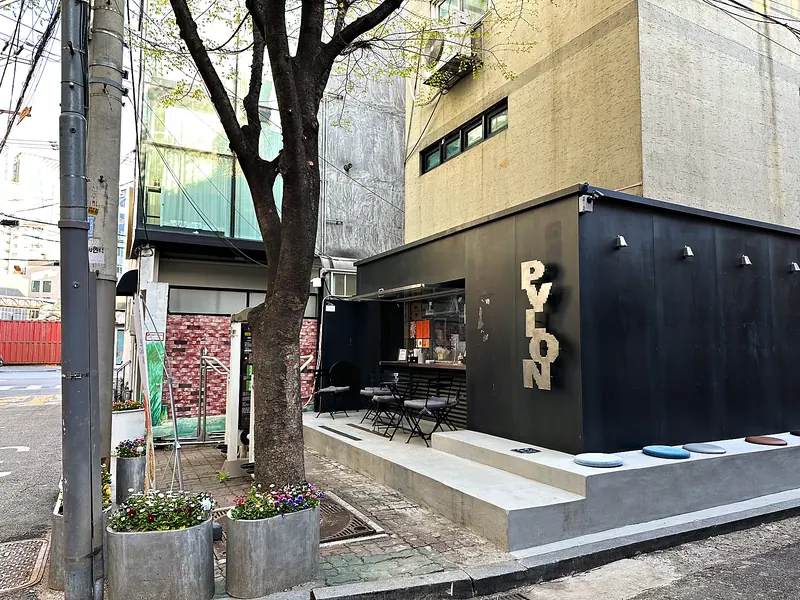
Seoul also runs free guided walking tours on set routes; book online in advance.
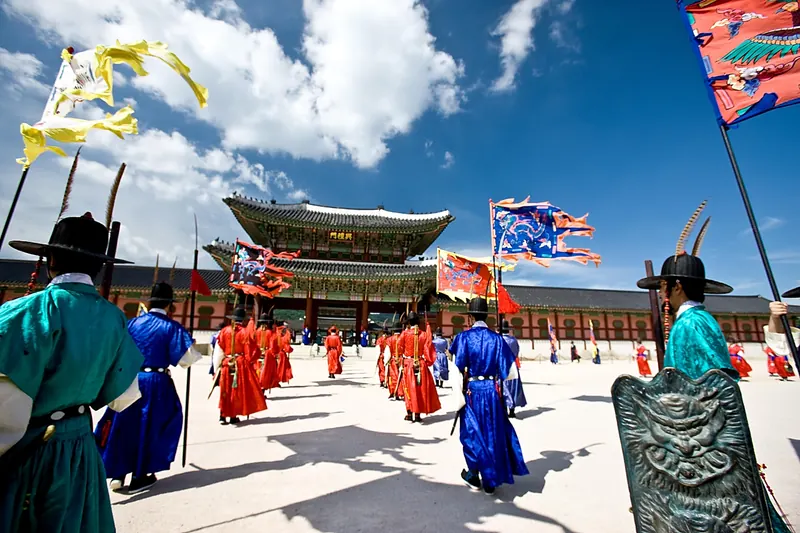
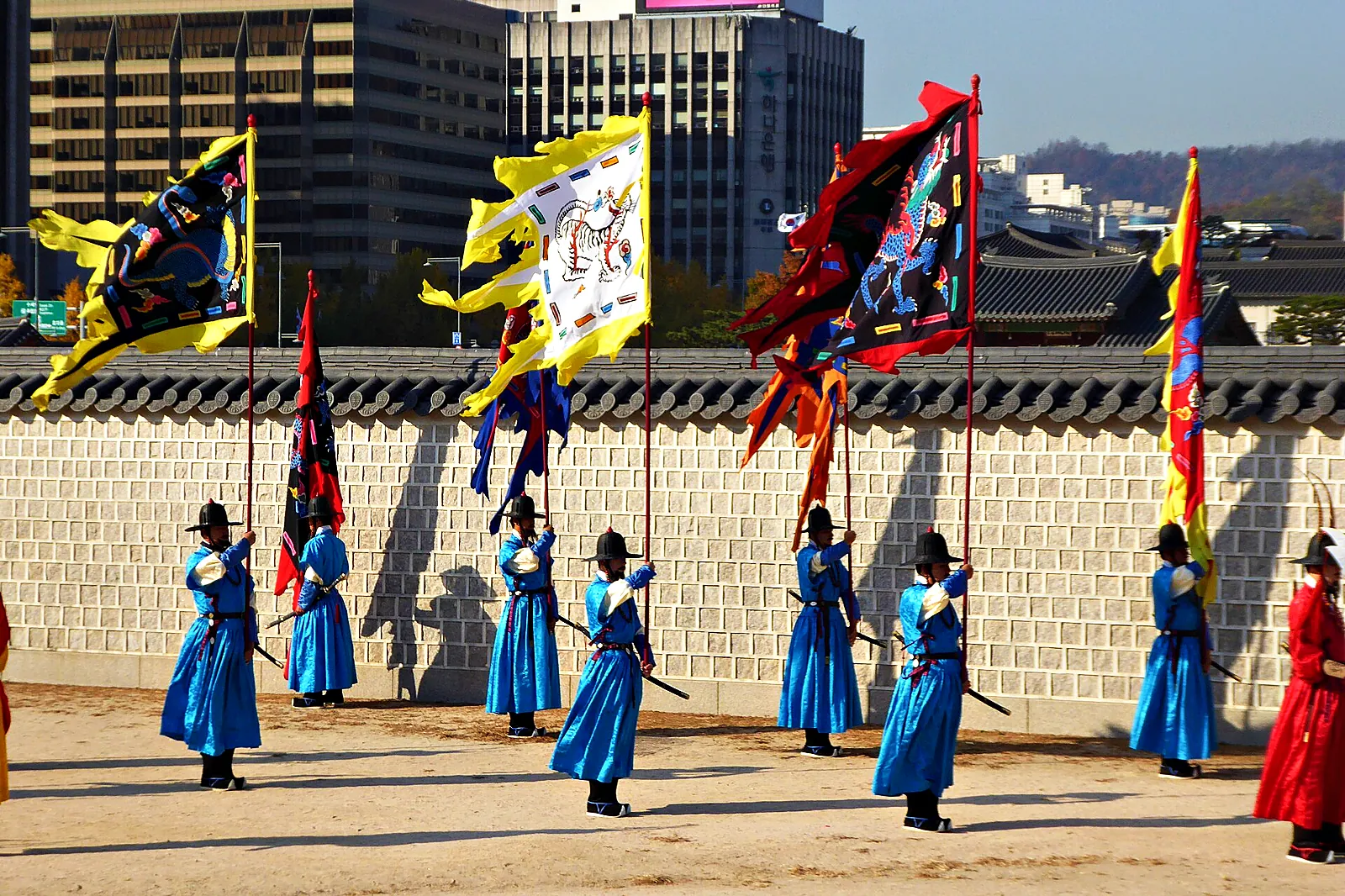
Palace entry costs very little — and it's free if you wear a hanbok.
Where to stay
- Guesthouses and hostels in Hongdae, Myeongdong and Jongno are good value and well connected
- Business hotels near subway stations often have deals on weekdays
- Stay near an AREX or major subway line so you don't pay for long taxi rides
- Check what's included — breakfast, laundry and luggage storage can save money
Shopping without overspending
- Use tax refunds on eligible purchases (how it works)
- Watch for 1+1 and bundle deals at Olive Young and convenience stores
- Set a K-beauty budget before you go in — it's very easy to overspend
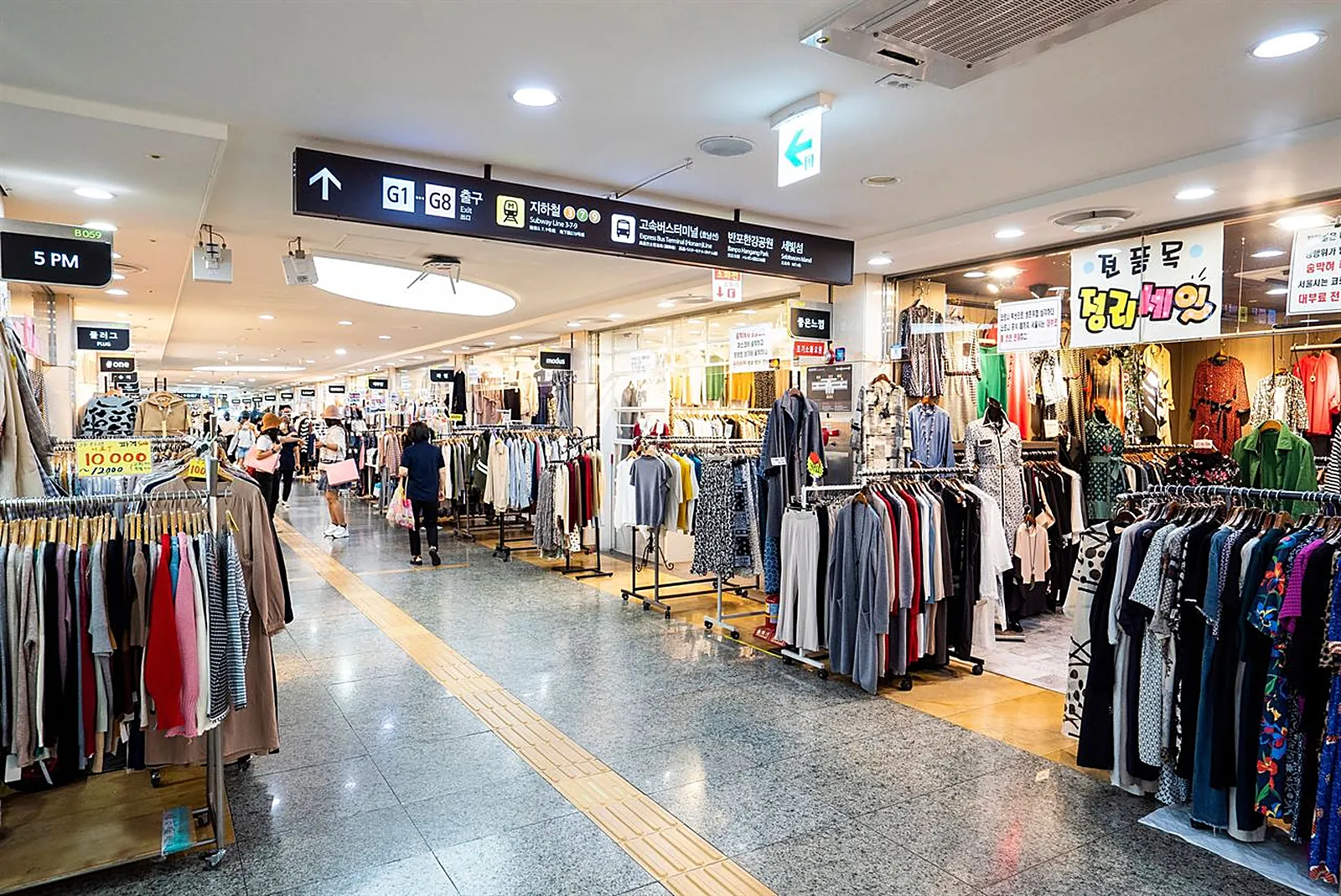
- Try Dongdaemun, Hongdae and underground shopping streets for cheaper fashion
Where it's worth spending
Budget travel doesn't mean skipping the good stuff. We'd save everywhere else and spend on:
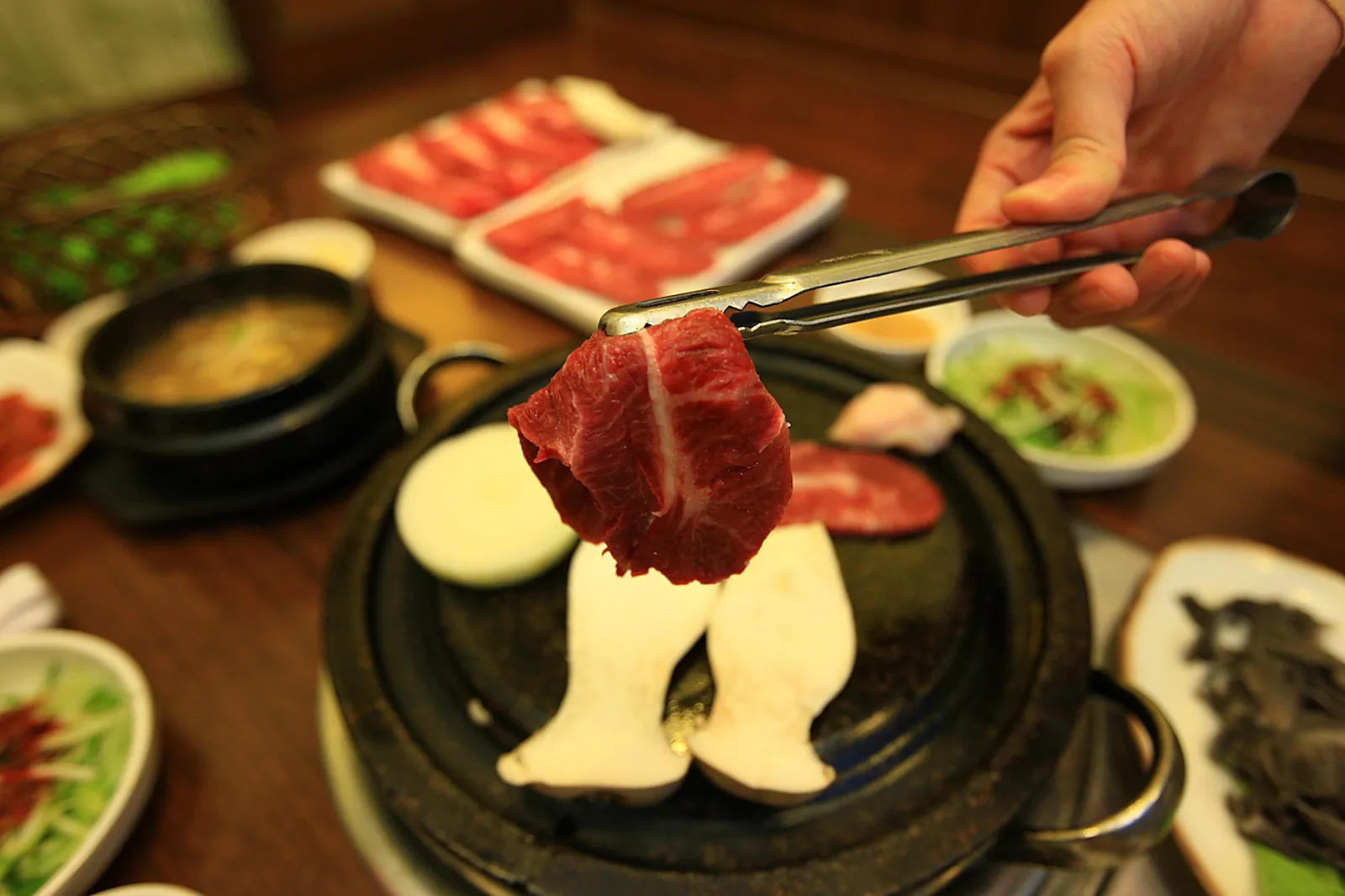
- One great Korean BBQ dinner (how to do it right)
- A jjimjilbang afternoon — cheap for what you get
- A DMZ tour if you're interested in history
- Hanbok rental — it also gets you into the palaces free
A sample budget day
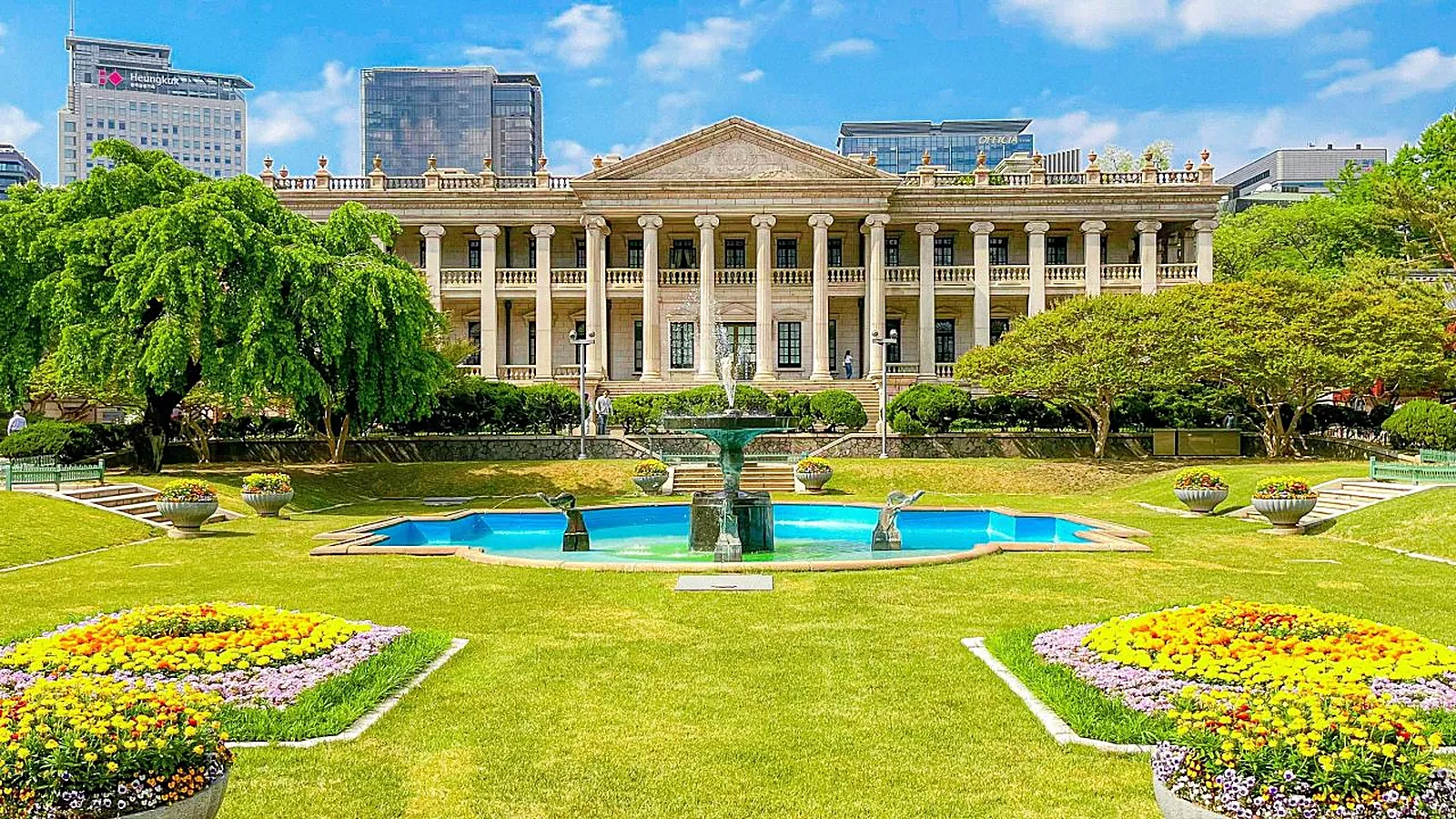
Here's what a great, low-cost day in Seoul can look like:
- Breakfast: triangle kimbap and coffee from a convenience store
- Morning: changing of the guard at Gwanghwamun, then a palace (cheap entry, or free in hanbok)
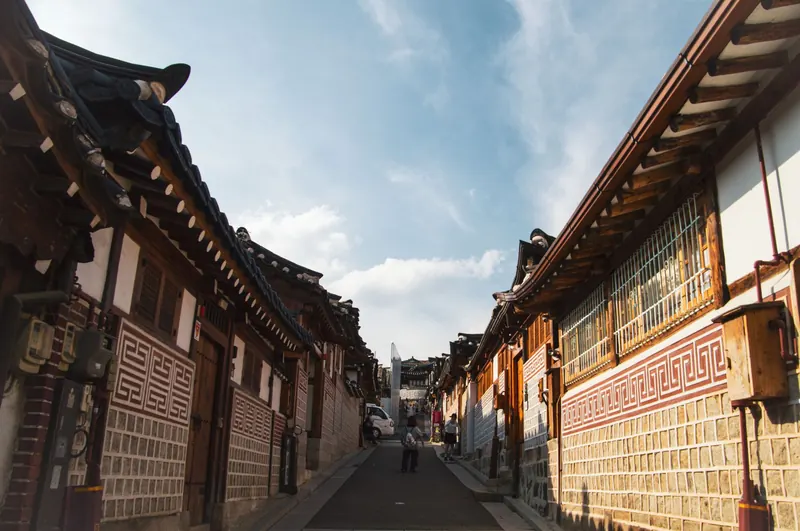
- Late morning: walk through Bukchon during visiting hours and down to Samcheong-dong
- Lunch: a lunch set at a local restaurant, or a market meal at Gwangjang
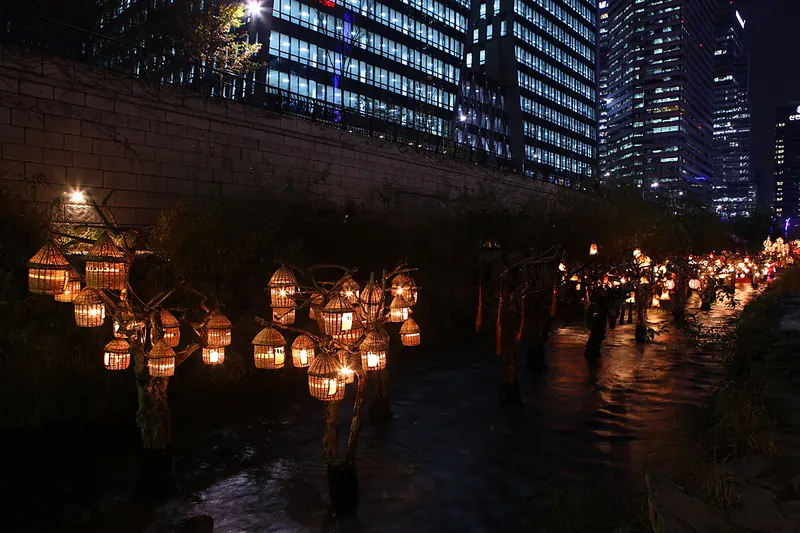
- Afternoon: the free National Museum of Korea, or a walk along Cheonggyecheon Stream
- Sunset: hike up Namsan on foot instead of paying for the cable car
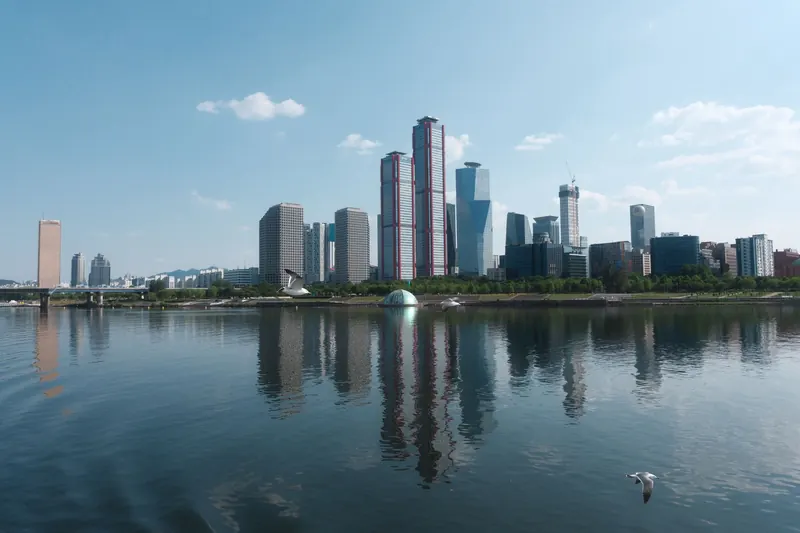
- Dinner: street food in Myeongdong, or chicken and a drink by the Han River
- Getting around: all on your Climate Card
Almost everything on that list is free or costs just a few thousand won.
Money traps to avoid
- Airport currency exchange — change only a little there (better options)
- Late-night taxis at surge-like busy times — plan around the last train
- Tourist-street restaurants with pictures but no prices — check the menu before you sit down
- "Charge in your home currency" at card terminals — always pay in won
- Impulse K-beauty shopping — make a list before you go in
Our honest take
Seoul rewards budget travelers. The public transport is superb, food can be cheap and excellent, and many of the best experiences are free.
You'll save the most if:
- You get a Climate Card and walk a lot
- You eat lunch sets, markets and street food
- You plan free sights around your paid ones
Budgets slip on:
- K-beauty shopping and cafés — small costs that add up fast
- Late-night taxis and theme parks
Our tip: decide your "splurges" in advance — one special dinner, one experience — and go cheap and cheerful the rest of the time. You'll see more of the real city that way.
Frequently asked questions
Is Seoul expensive?
Less than its reputation suggests. Accommodation can be pricey, but transit, everyday food and many sights are good value.
Is it cheaper to pay by card or cash?
Cards are fine almost everywhere. Keep a little cash for markets, street food and transit top-ups.
Are there free museums?
Yes. The National Museum of Korea's permanent collection is free, and several city museums are free or very cheap.
Should I tip to get better service?
No — Korea has no tipping culture, which also helps your budget (why).