Seoul has four very distinct seasons, and the city feels like a different place in each one. There's no bad time to go — but there's definitely a wrong time to go if you packed for the wrong one. Here's what each season is actually like, what's on, and who it suits.
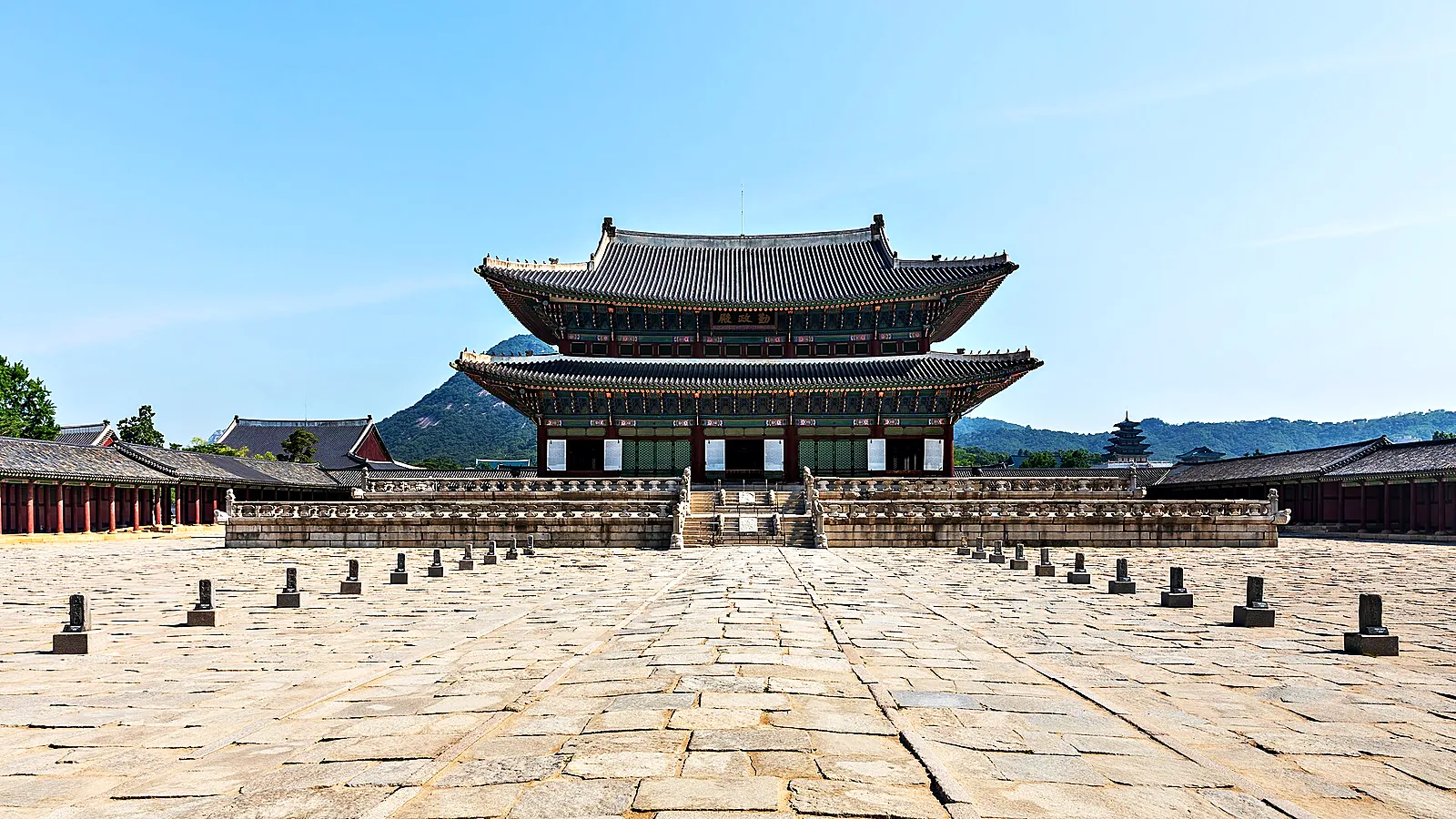
Spring (March–May): blossoms and crowds
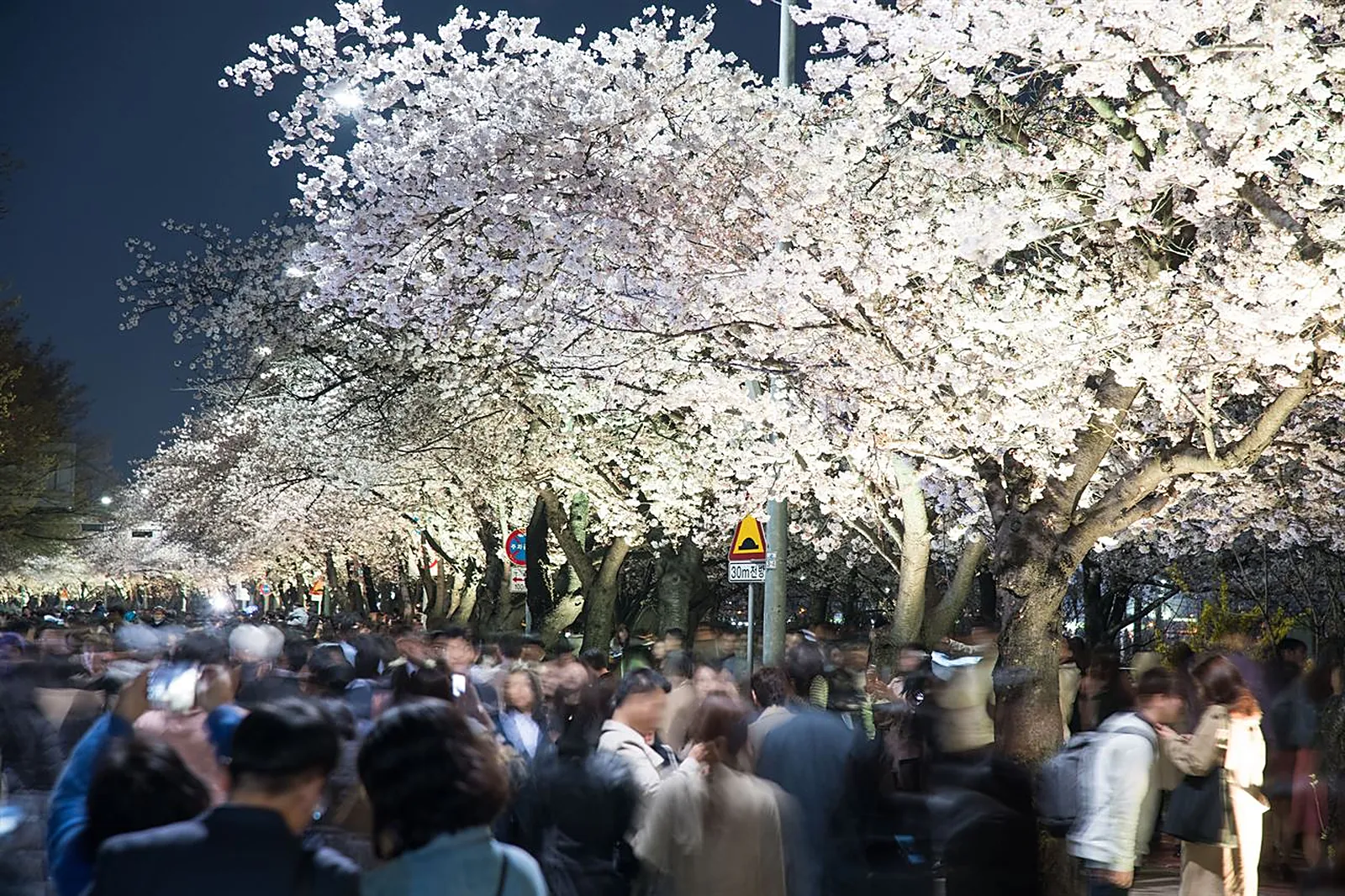
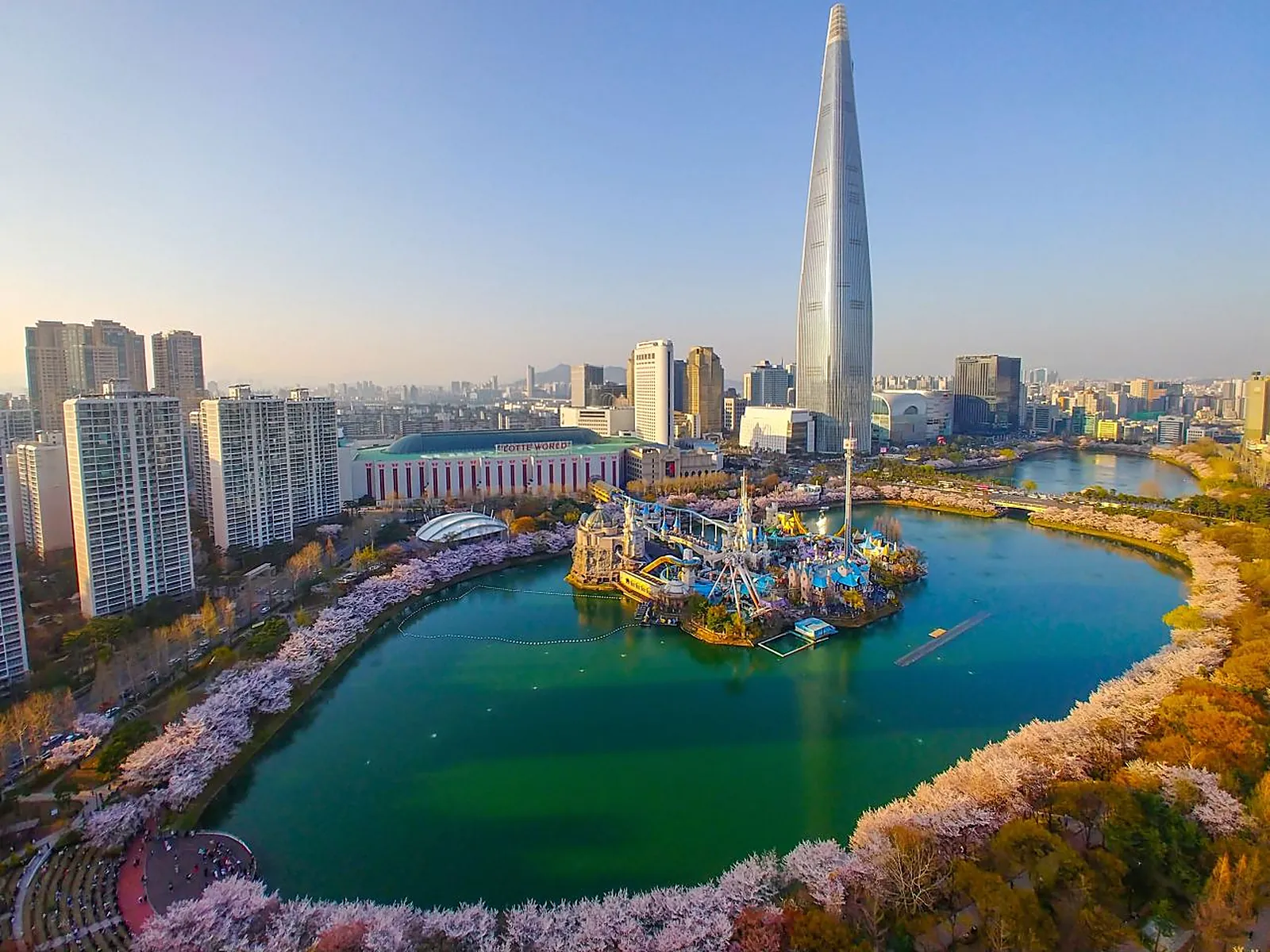
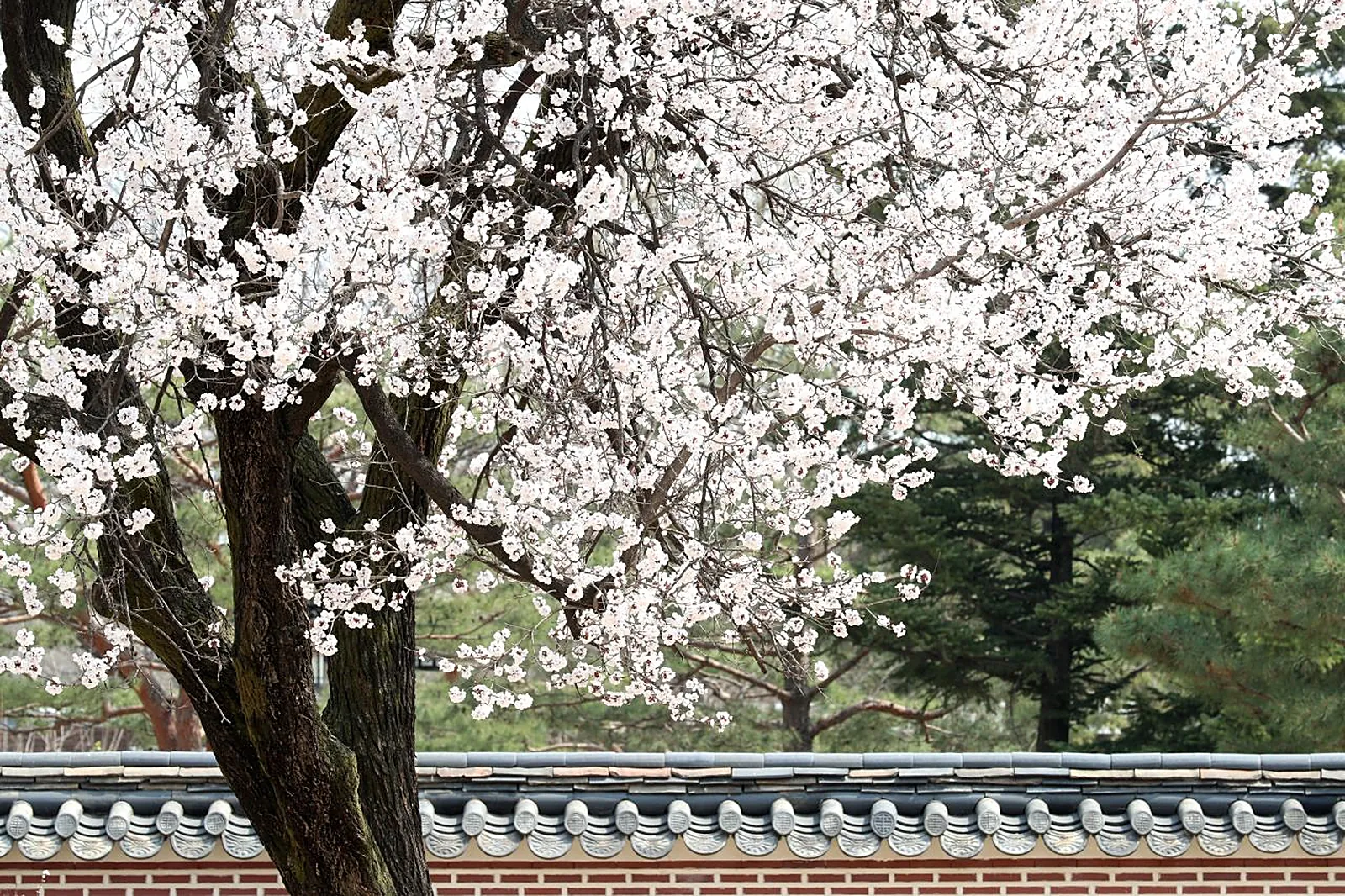
March is still cold and grey — don't be fooled by the word "spring". Things change fast in April, when cherry blossoms bloom across the city, usually in the first half of the month. Yeouido, Seokchon Lake by Lotte World, and the palaces are the famous spots, and they're packed on weekends.
- Temperatures: chilly in March, pleasant by late April, warm by May
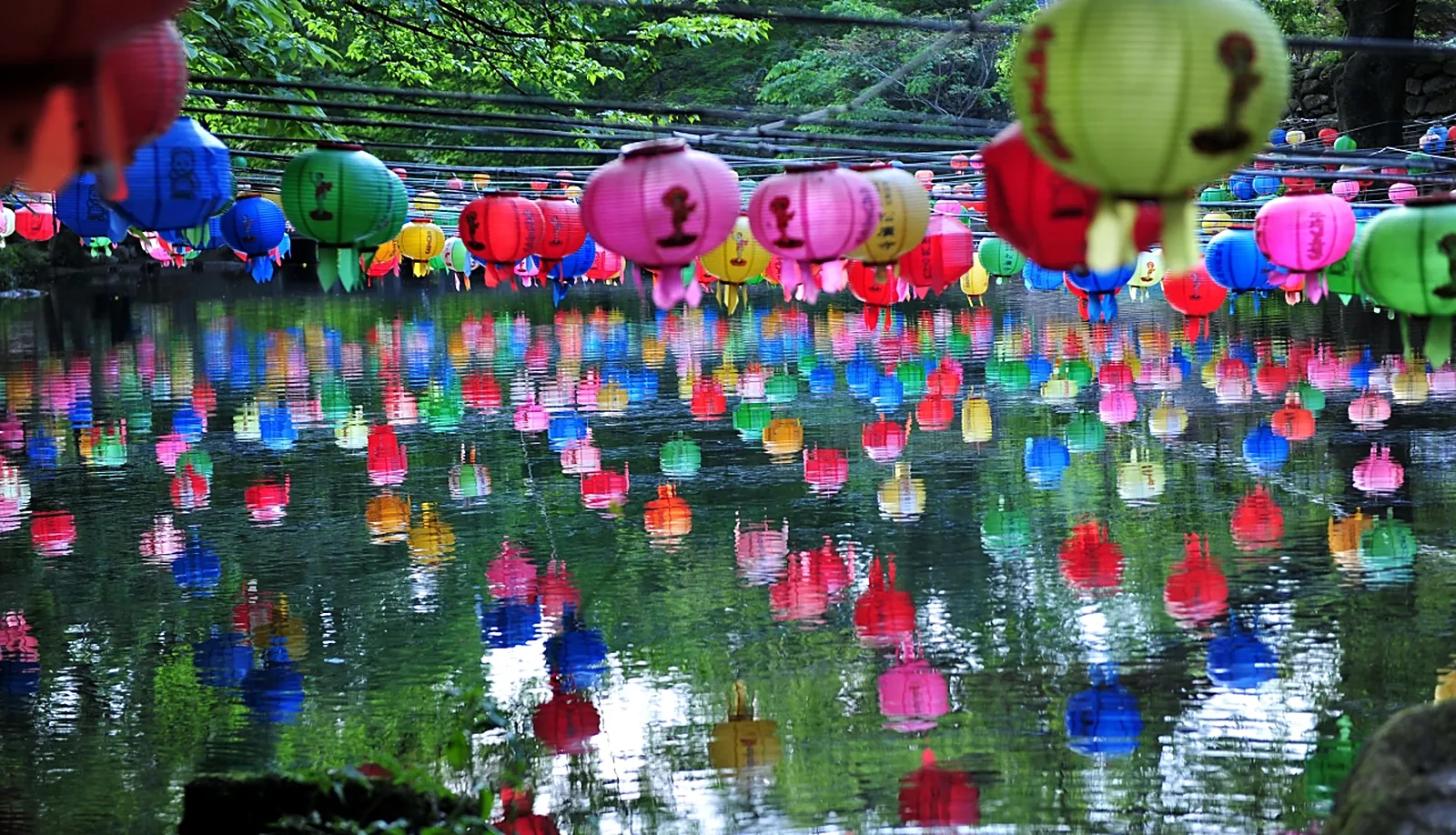
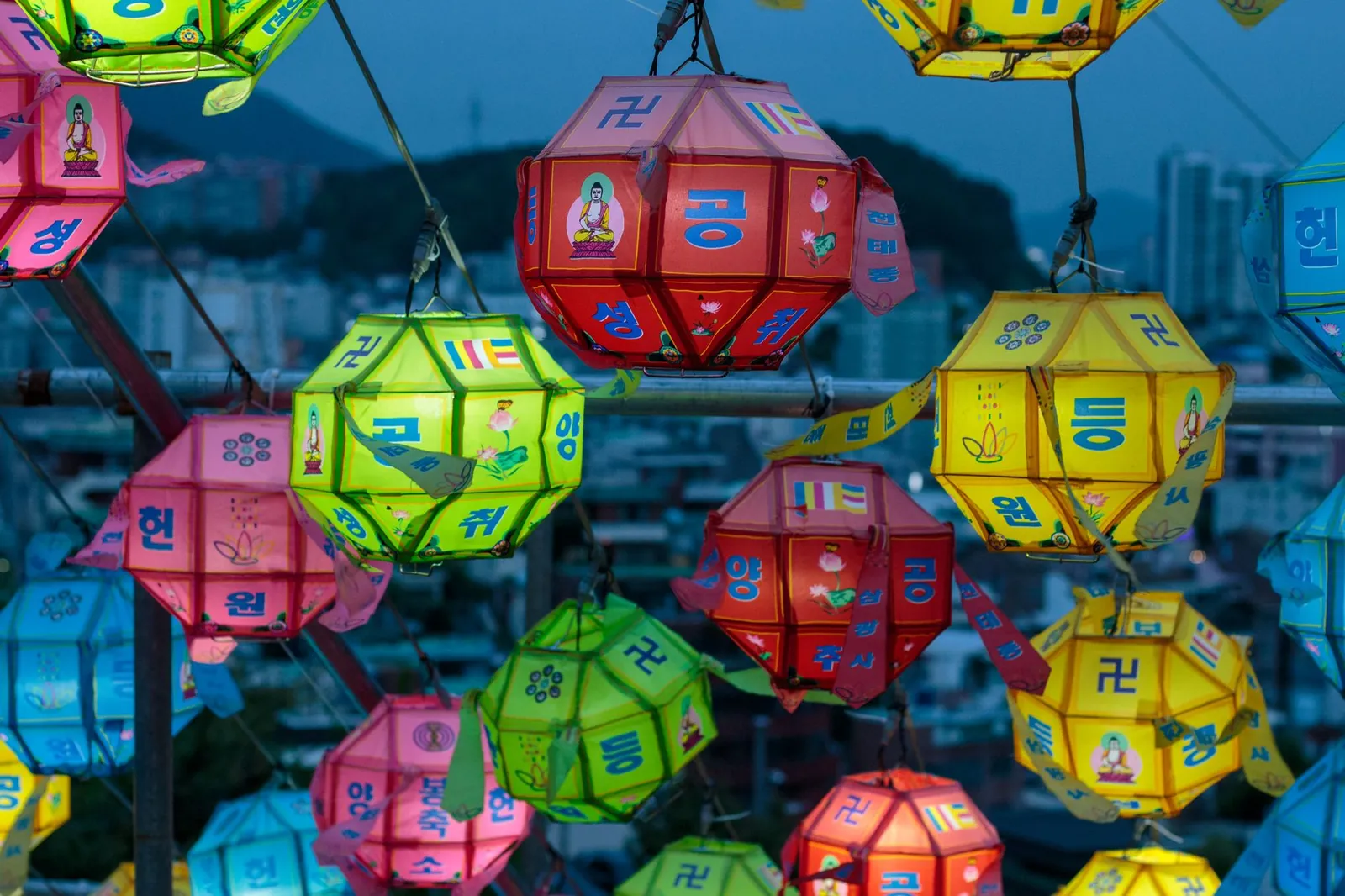
- What's on: cherry blossom season, and in May the colourful lanterns around Buddha's Birthday, including the lantern parade in central Seoul
- Watch out for: fine dust and "yellow dust" days in spring. Check an air-quality app and pack a mask for bad days
Summer (June–August): hot, humid, wet
Summer is hot and sticky, often in the low-to-mid 30s°C with high humidity. The rainy season (jangma) usually arrives in late June and runs through July, with days of heavy downpours. August is hot and bright, with the occasional typhoon later in the season.
- Good for: Han River evenings, water parks, air-conditioned cafés and museums, night markets
- Not great for: long walking days in the midday heat
- Pack: a compact umbrella, breathable clothes, and shoes that can handle a soaking
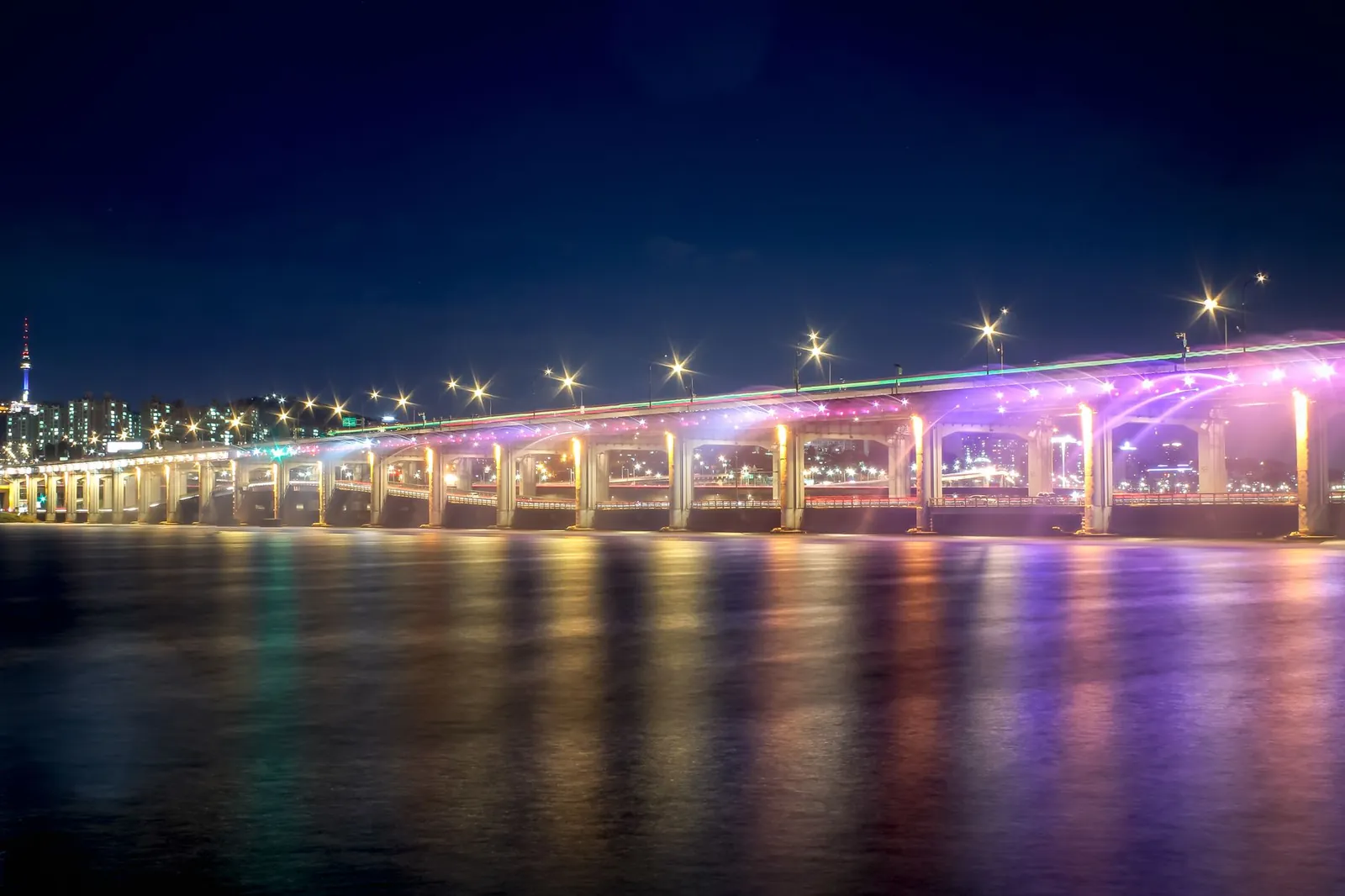
The upside: summer flights and hotels can be cheaper outside the school holidays, and the city is at its most alive after dark.
Autumn (September–November): the best all-rounder
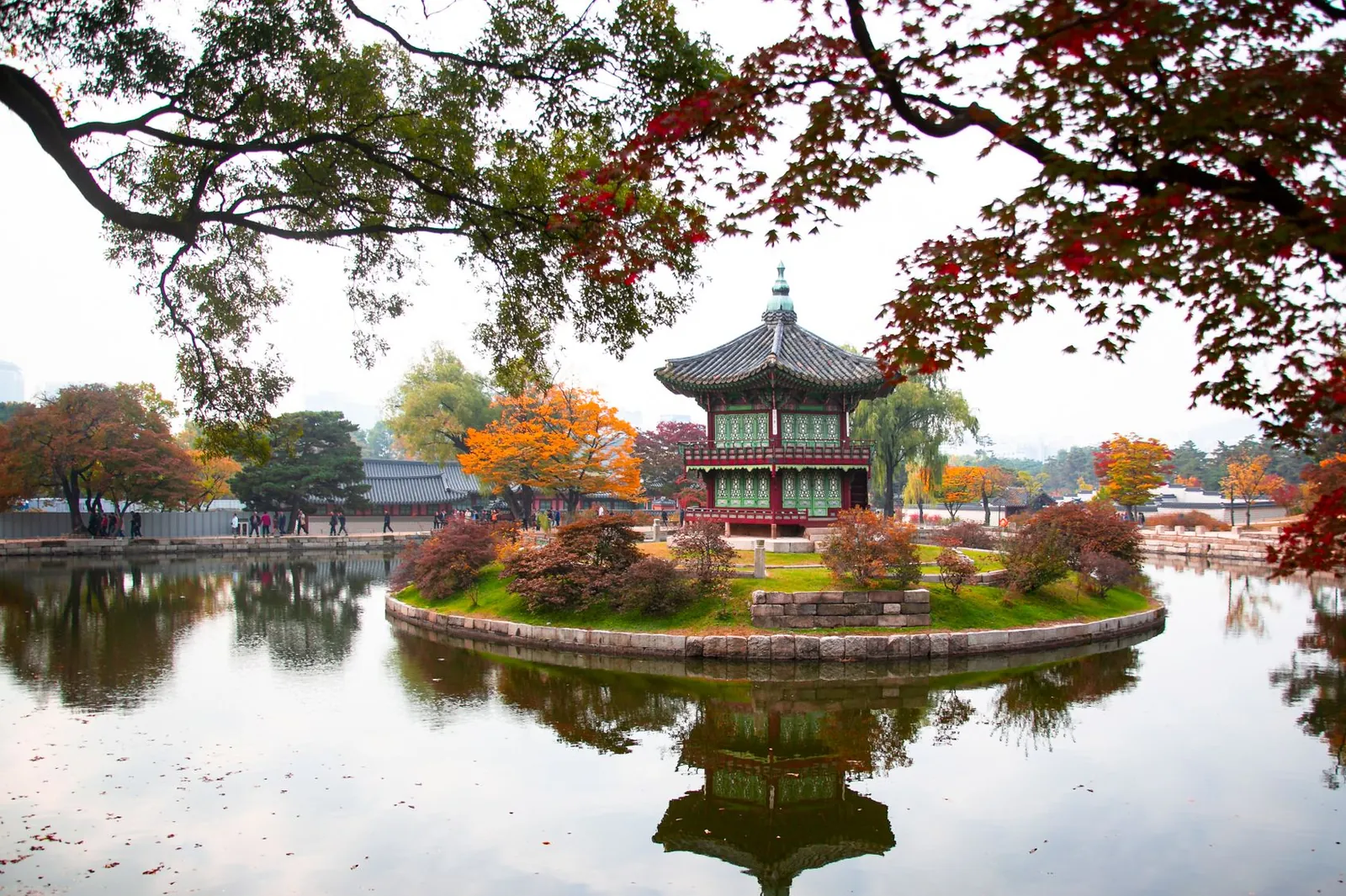
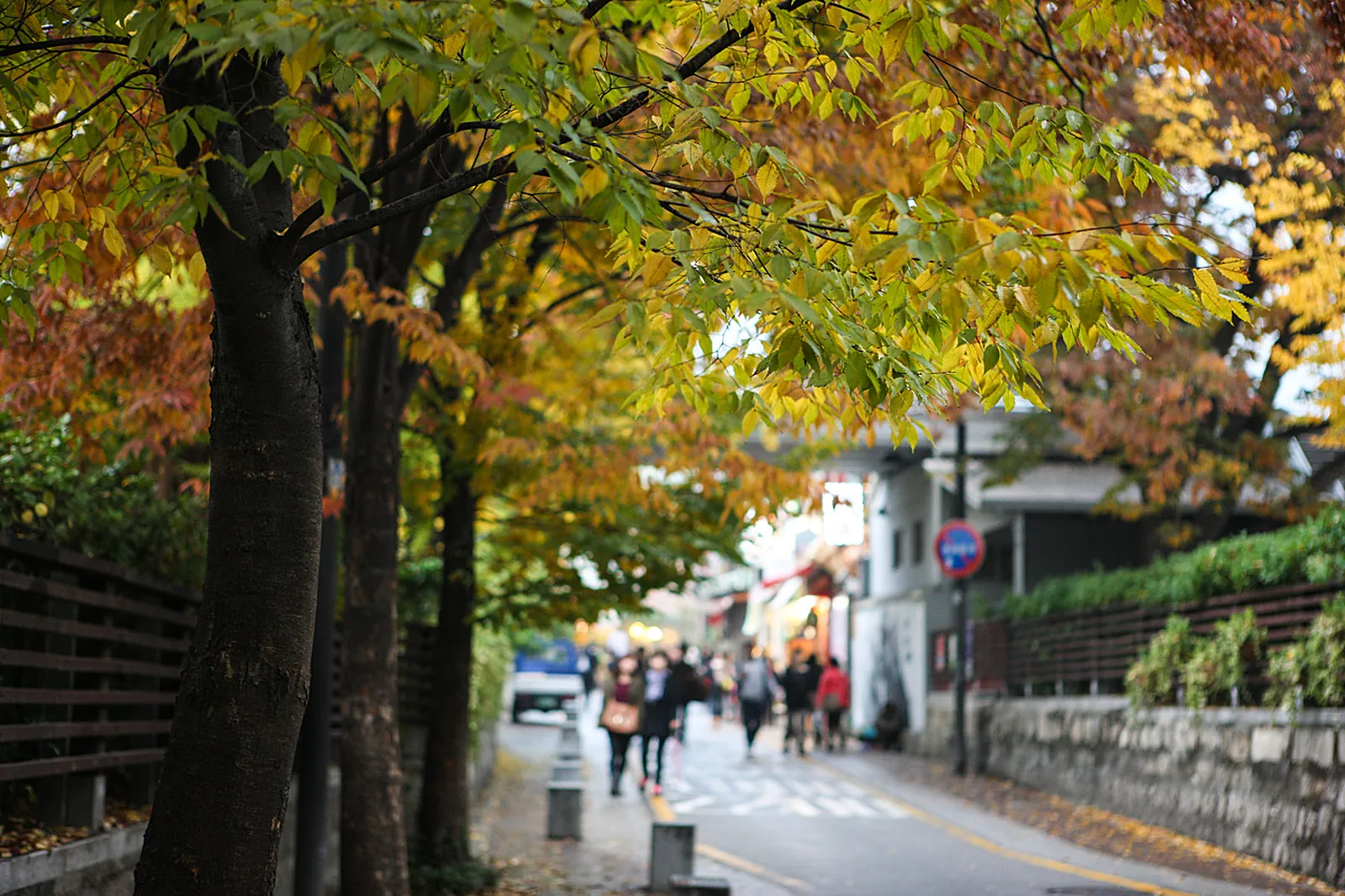
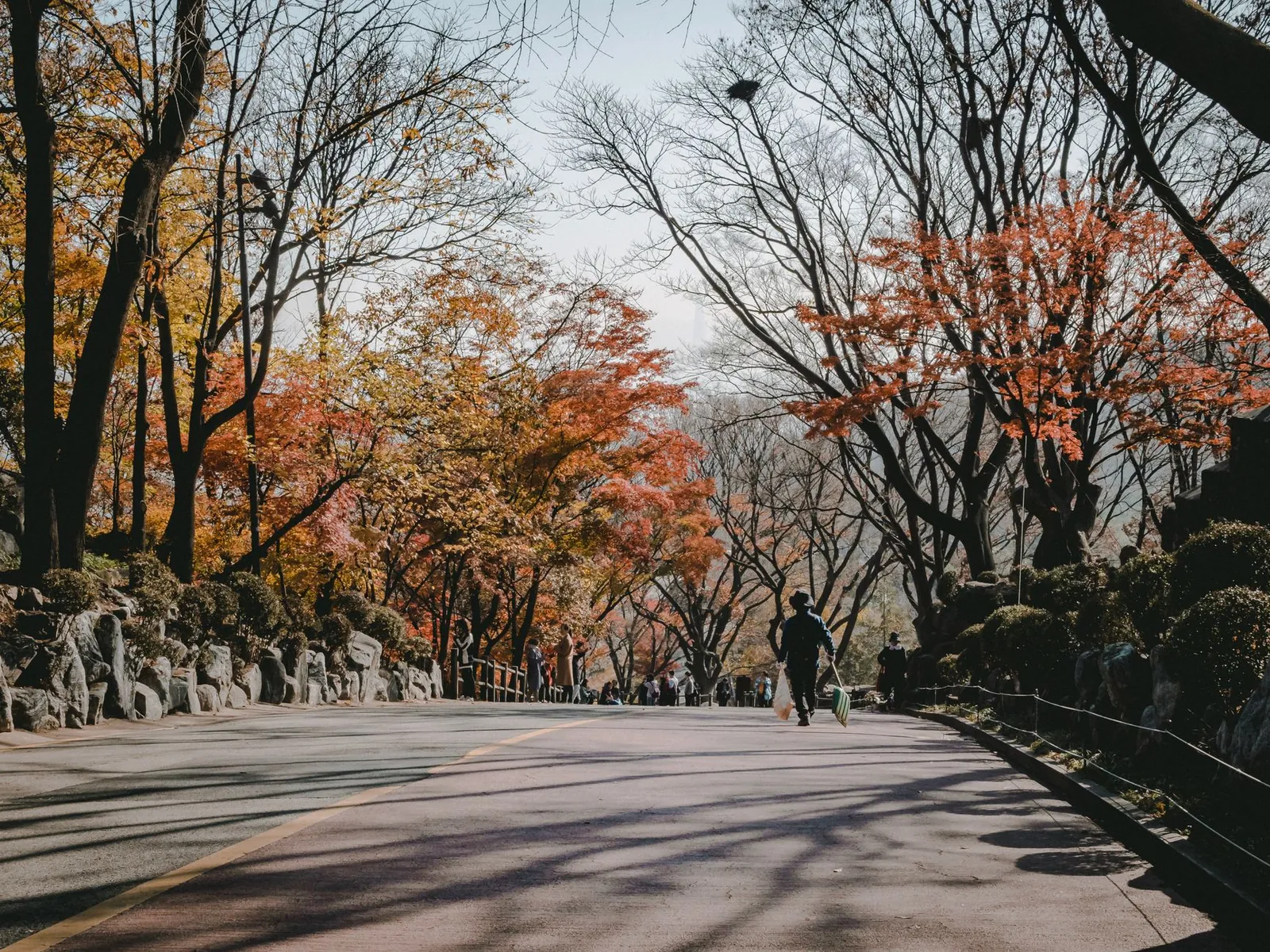
If you can pick any time, pick autumn. From late September the humidity breaks, skies clear and temperatures are perfect for walking. The leaves turn from mid-October, with the classic colours usually peaking in late October to early November — the palaces, Namsan and Bukhansan are gorgeous.
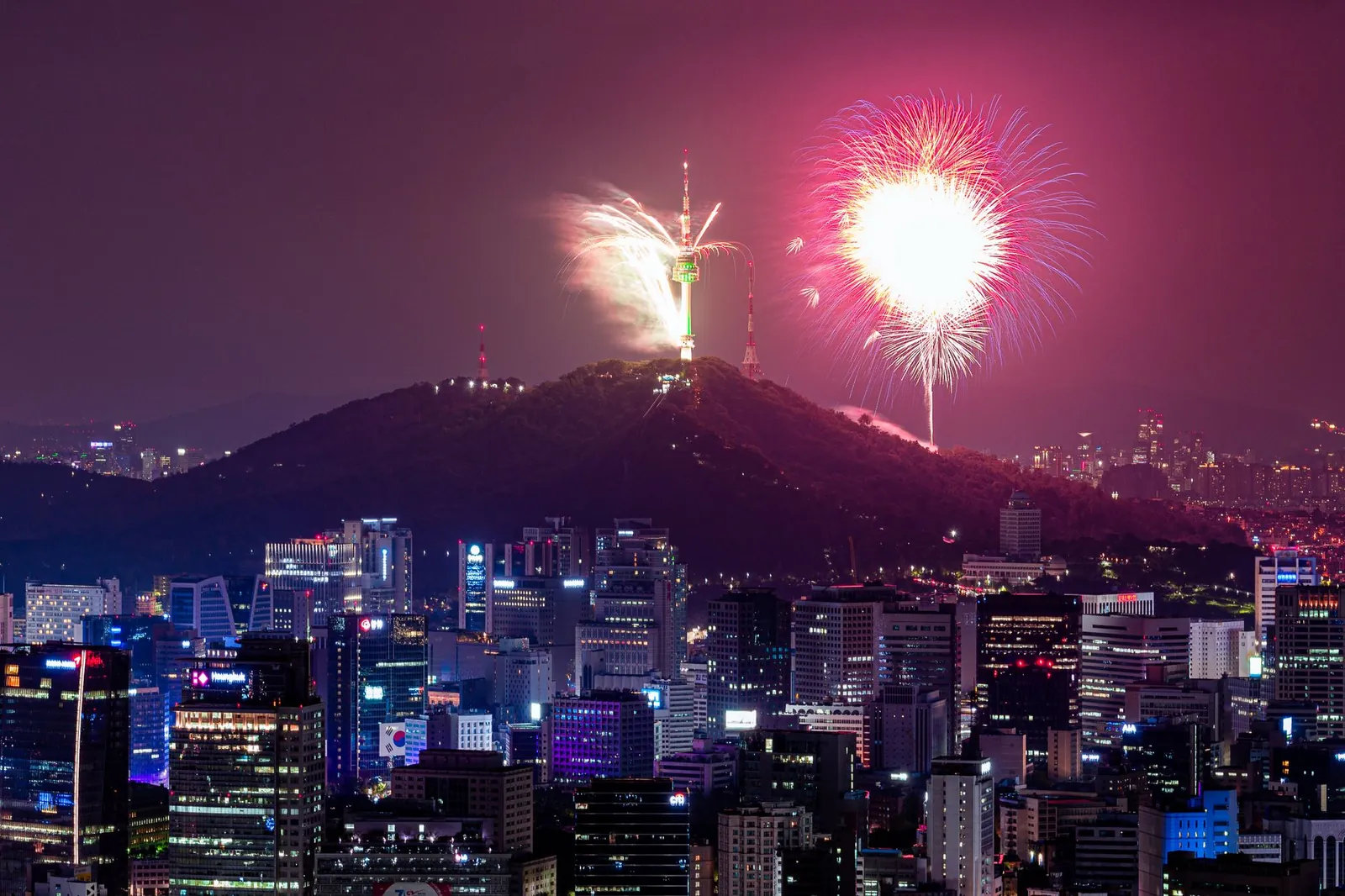
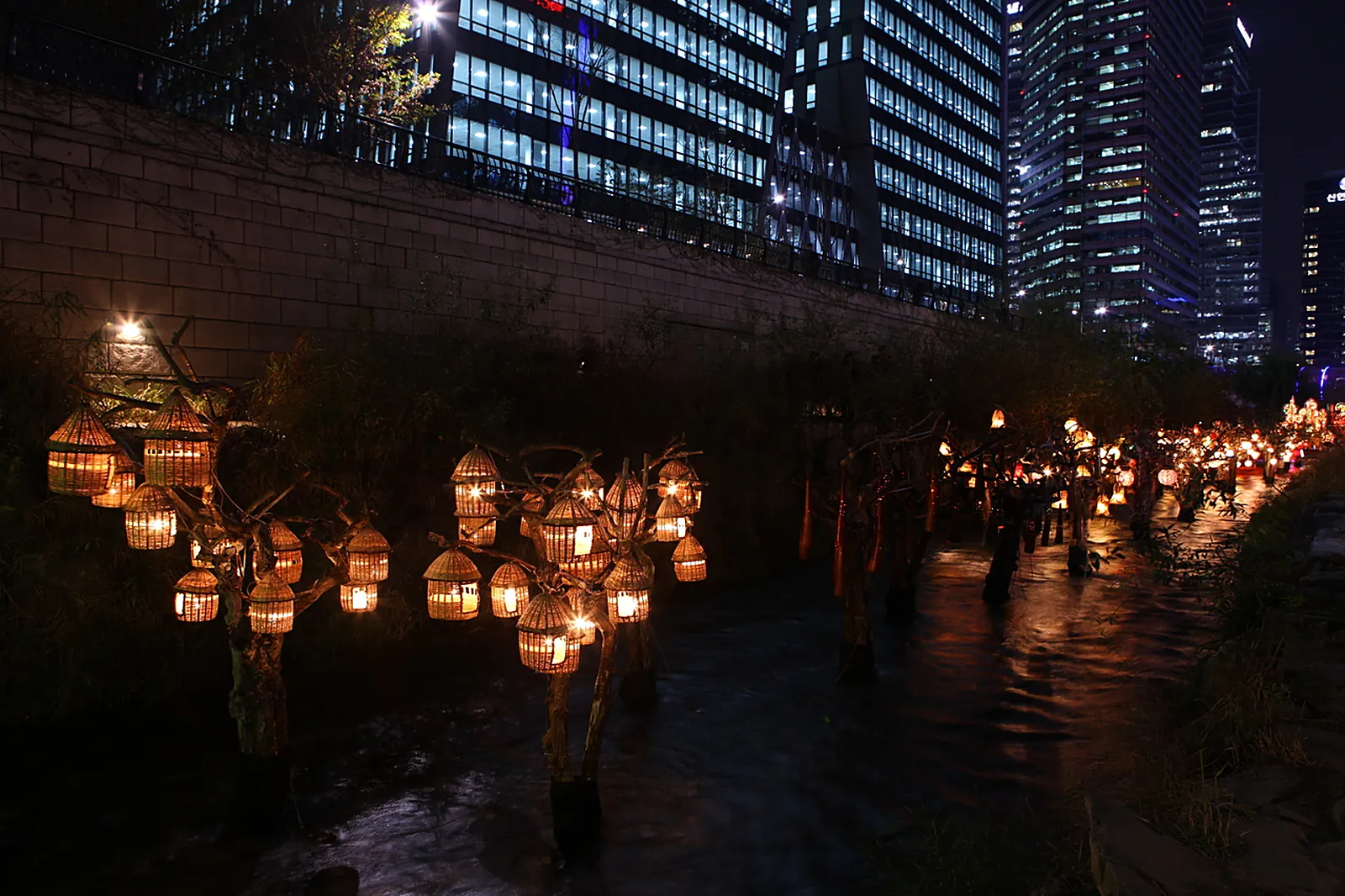
- What's on: the Seoul International Fireworks Festival over the Han River (usually a Saturday in early October), and lantern displays along Cheonggyecheon Stream in November in many years
- Watch out for: the Chuseok holiday (see below), and chilly evenings from late October
Winter (December–February): cold, clear and cheap
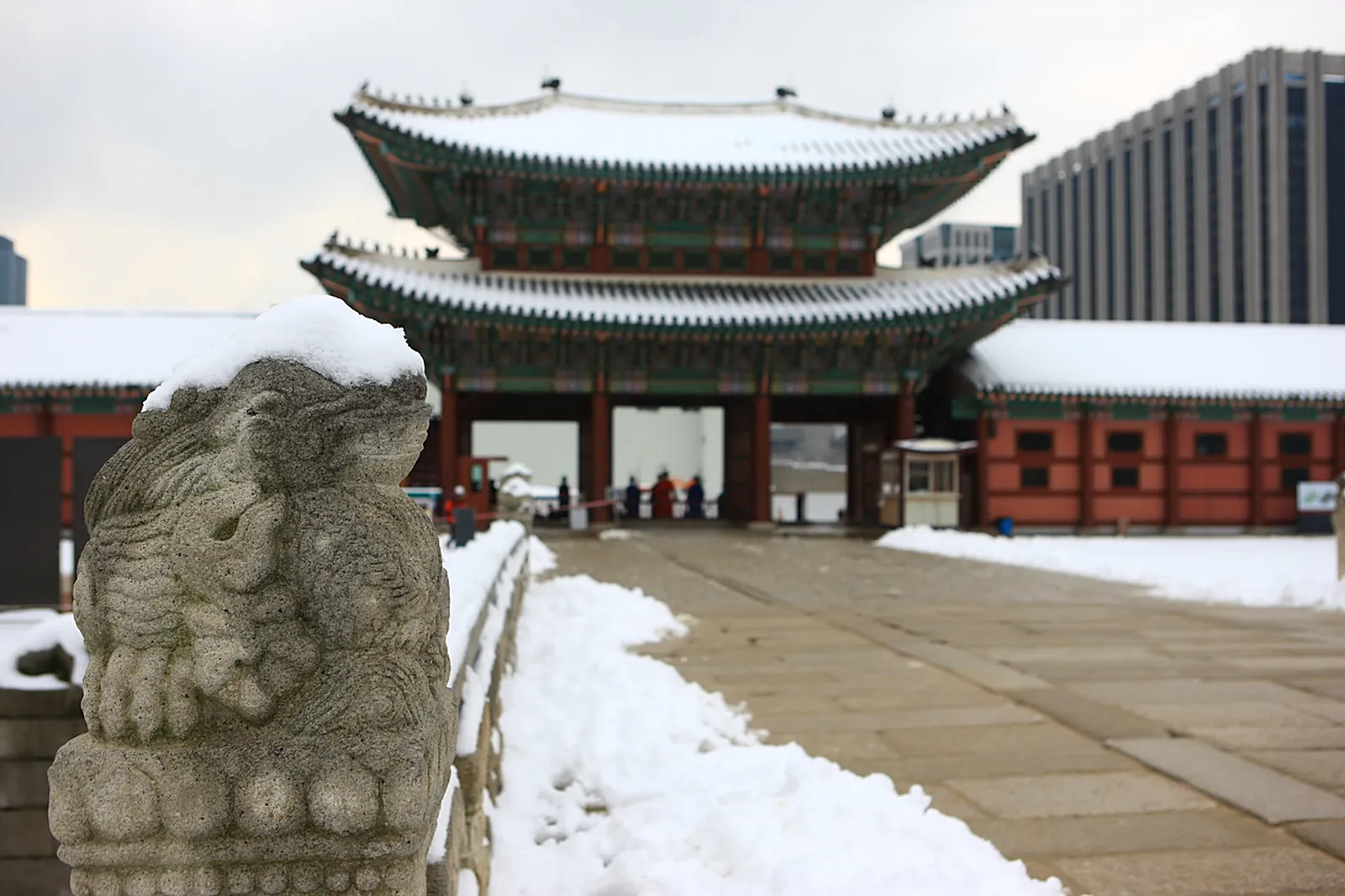
Seoul winters are serious. Temperatures regularly drop below freezing and can hit −10°C or colder, with a biting wind — but the sky is usually clear and dry, and heavy snow in the city is occasional rather than constant.
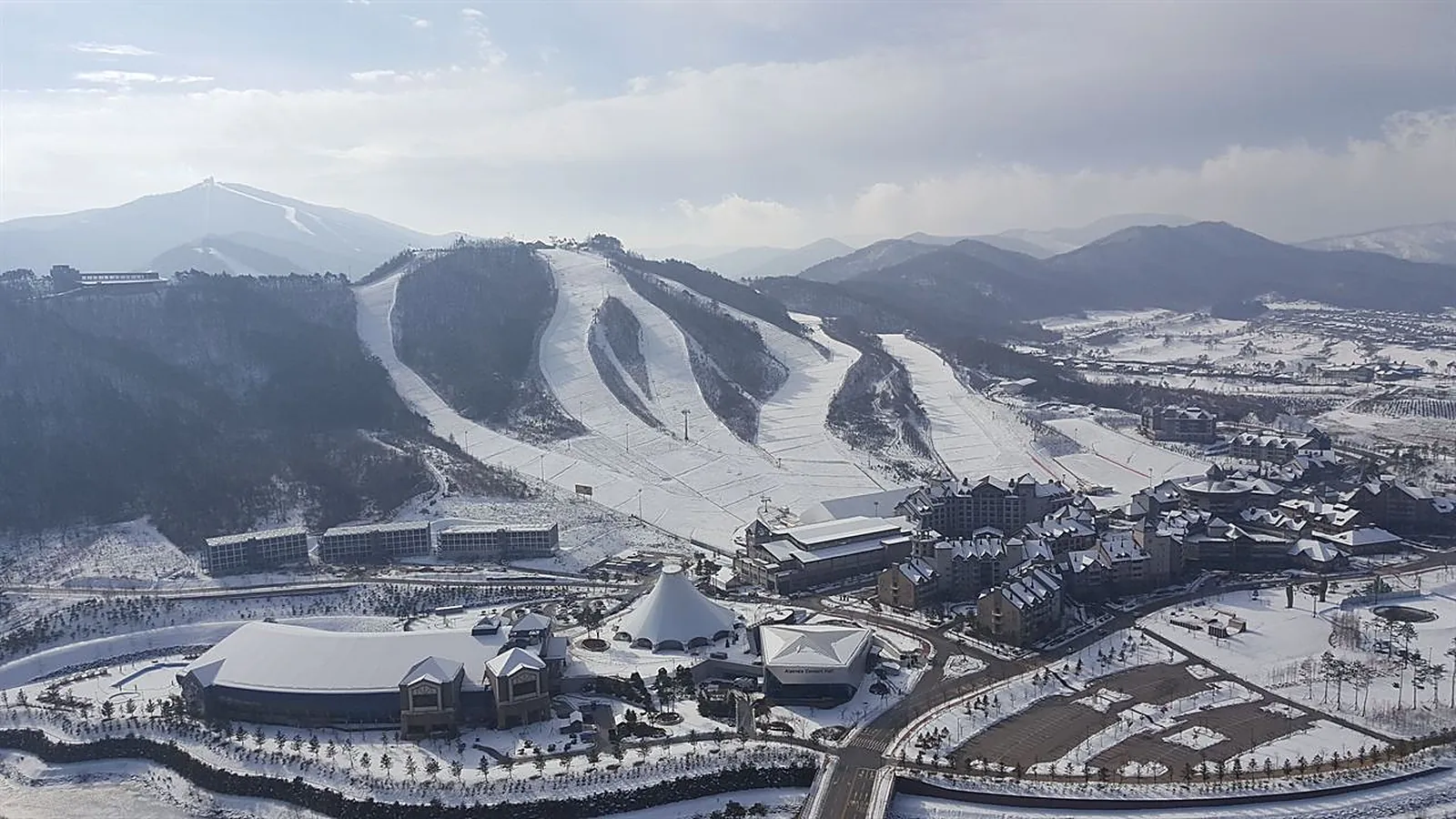
- Good for: lower prices, Christmas and New Year lights, cosy cafés, a jjimjilbang evening, and ski resorts within day-trip range
- Pack: a proper down jacket, gloves, a hat and thermal layers. Buildings and the subway are well heated, so layers you can take off are key
The holidays to plan around
Two big holidays follow the lunar calendar, so their dates change every year:
- Seollal (Lunar New Year) — usually late January or February
- Chuseok (harvest festival) — usually September or early October
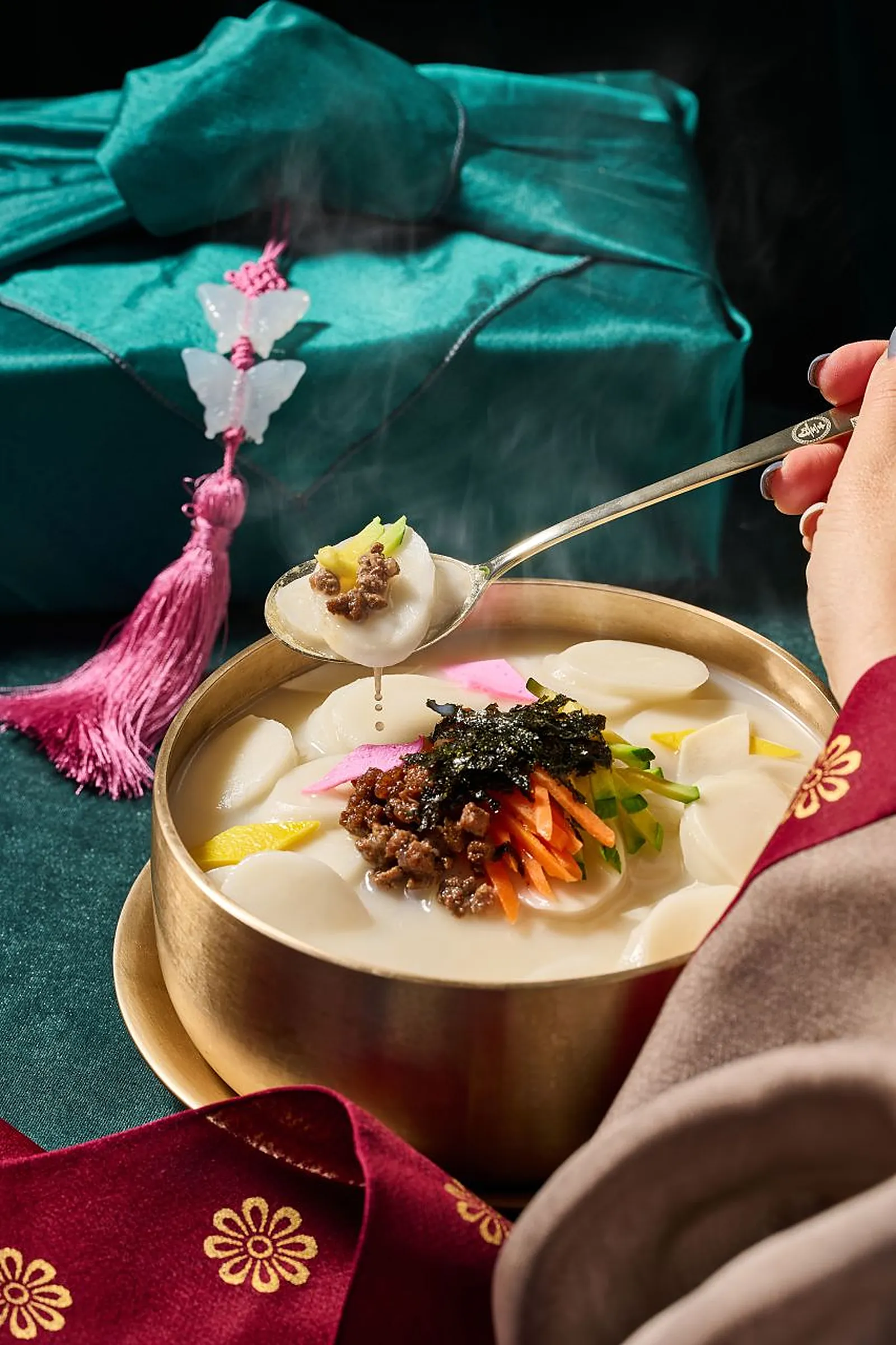
Each is a three-day national holiday (sometimes longer). Many family-run restaurants and shops close, trains and buses out of Seoul sell out weeks ahead, and the city feels oddly quiet. Big sights, department stores and chains usually stay open. It's not a disaster to be in Seoul then — just don't plan a day trip or a specific small restaurant on those dates.
Month-by-month cheat sheet
| Month | Weather | Crowds | Verdict |
|---|---|---|---|
| Jan–Feb | Freezing, dry | Low (except Seollal) | Cheap, cold, cosy |
| Mar | Cold, grey | Low | Shoulder season |
| Apr | Mild, blossoms | High | Beautiful, book early |
| May | Warm, green | High | Great, check fine dust |
| Jun | Hot, rain begins | Medium | Mixed |
| Jul | Rainy, humid | Medium | Hardest month |
| Aug | Very hot | High | Evenings only |
| Sep | Warm, clearing | Medium (Chuseok spikes) | Very good |
| Oct | Perfect | High | The best month |
| Nov | Crisp, foliage | Medium | Excellent |
| Dec | Cold, festive | Medium | Lights and cafés |
What to pack, season by season
- Spring: layers for cold mornings and warm afternoons, a light jacket, and a mask for fine-dust days
- Summer: breathable clothes, a compact umbrella, sandals or quick-drying shoes, and sunscreen
- Autumn: a light jacket or sweater for evenings, comfortable walking shoes — this is walking season
- Winter: a proper insulated coat, thermal layers, gloves, a hat and lip balm. Heated buildings mean you'll want layers you can take off indoors
Festivals worth planning around
Dates change every year, so check before you book — but these are worth building a trip around:
- Cherry blossom season (early April): blossom festivals along Yeouido and around Seokchon Lake
- Lotus Lantern Festival (around Buddha's Birthday, usually May): a huge lantern parade through central Seoul and lanterns at temples across the city
- Seoul International Fireworks Festival (usually early October): fireworks over the Han River at Yeouido — spectacular, and extremely crowded
- Seoul Lantern Festival (November in many years): illuminated sculptures along Cheonggyecheon Stream
Our pick for every kind of traveler
- First-timers: October. Comfortable weather makes it easy to walk everywhere
- Photographers: early April for blossoms or late October for foliage
- Food lovers: any time, but winter is peak season for hot stews and street snacks
- Budget travelers: January to early March, avoiding Seollal
- Families: May or early June, before the rainy season, when parks and theme parks are at their best
Frequently asked questions
What's the single best month?
October. Clear skies, comfortable temperatures, and the start of foliage season. Book accommodation early.
Is it worth going in the rainy season?
It's fine if you plan indoor days — museums, shopping, cafés, spas — but July is the least reliable month for outdoor plans.
How cold is Seoul in winter, really?
Cold enough that you'll want a real winter coat. Mornings below −10°C happen. The upside is clear, sunny days.
When are prices lowest?
Generally January to early March and parts of summer outside the school holidays. Spring blossom season and October are the priciest.