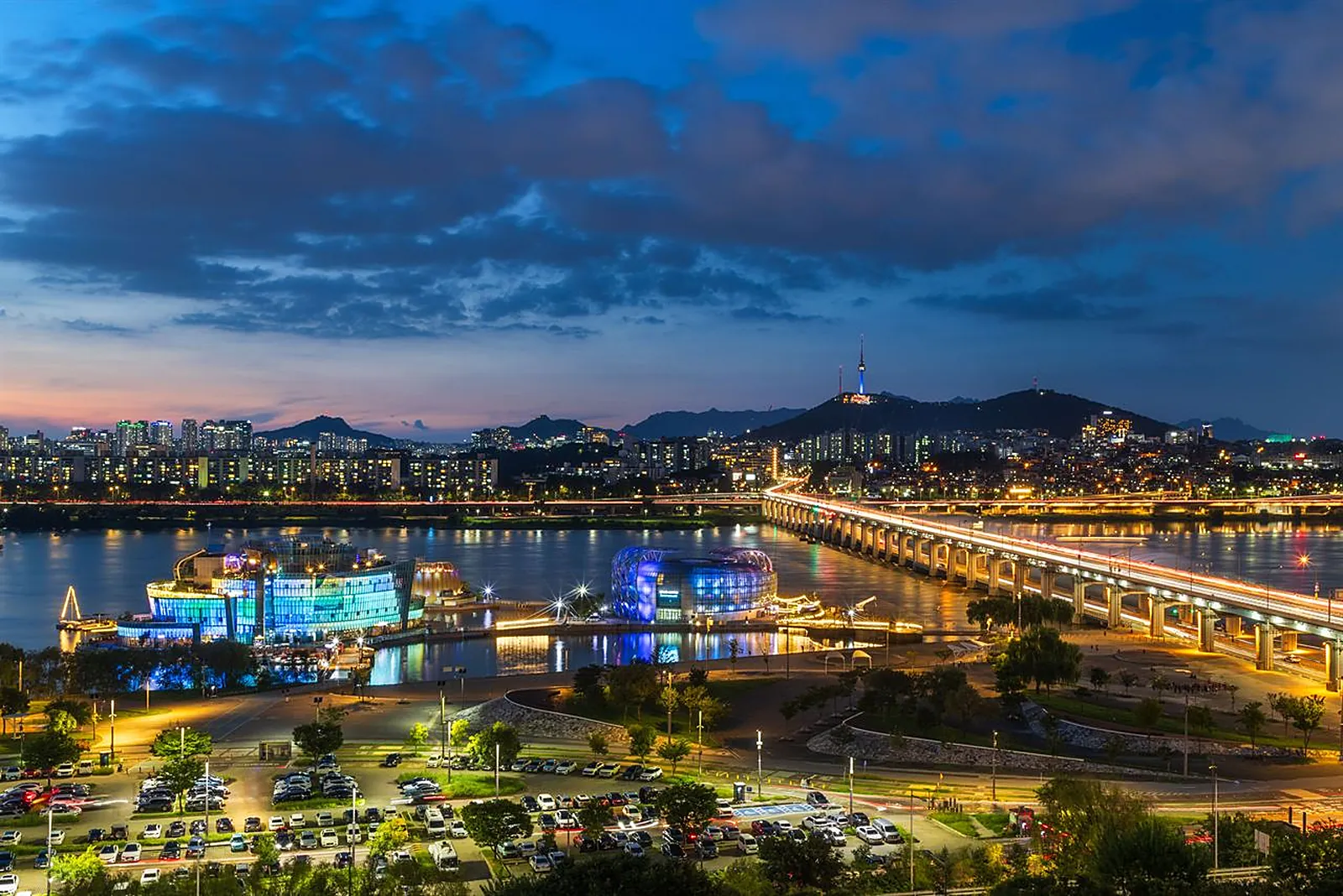
Seoul is big, but its subway is excellent, so there's no truly "wrong" place to stay. What changes is how your days feel: whether you walk out of the hotel into street food and shopping, a quiet hanok lane, or a business district that empties out at night. This guide compares the areas most visitors choose, with honest pros and cons, and the few checks that save you from a bad booking.
The short answer
| If you want… | Stay in | Why |
|---|---|---|
| Easiest first trip | Myeongdong / Euljiro | Central, walkable to palaces and Namsan, airport buses |
| Airport convenience | Seoul Station | AREX Express to Incheon, KTX to Busan |
| Nightlife, young crowd | Hongdae / Yeonnam-dong | Bars, clubs, buskers, AREX stop |
| Culture, tea houses, hanok | Insadong / Jongno / Ikseon-dong | Walk to Gyeongbokgung and Bukchon |
| Cafes and design shops | Seongsu | Seoul's trendiest area, a bit less central |
| Modern comfort, shopping | Gangnam / COEX / Jamsil | Newer hotels, big malls, business-traveller feel |
| International food | Itaewon | Diverse restaurants, hilly streets |
| Late-night shopping | Dongdaemun | DDP, fashion malls, good transport |
Myeongdong and Euljiro — best for a first trip
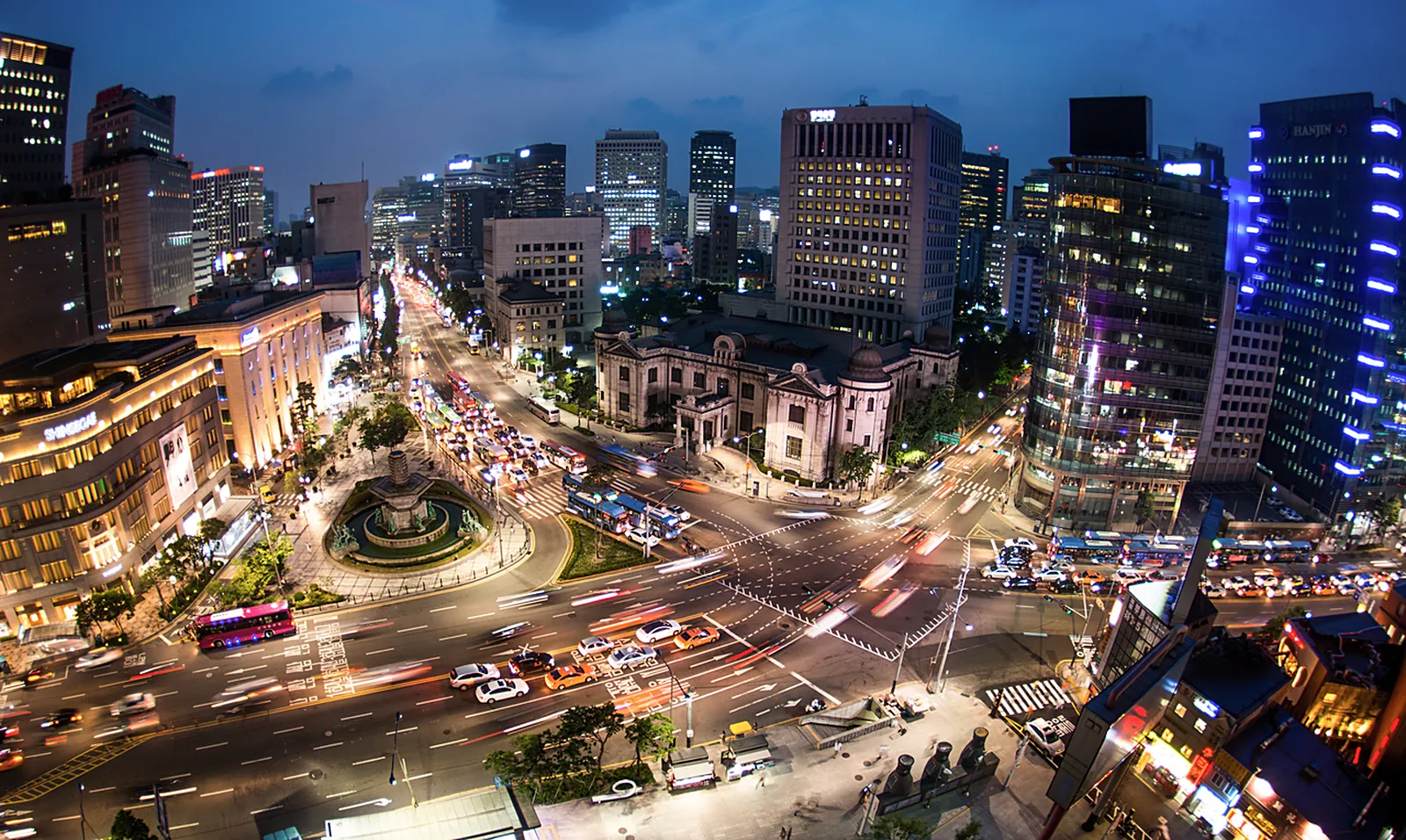
Myeongdong is where most first-time visitors stay, and there's a good reason. You're a short walk or one or two subway stops from the palaces, Namsan and N Seoul Tower, Namdaemun Market and City Hall. The streets are full of cosmetics shops (see our Myeongdong beauty crawl) and the evening street-food stalls are right outside your door.
The downside: it's busy and commercial, and it gets quiet after the shops close. Euljiro, just to the north, is a little cheaper and has the retro bars and alleys covered in our Dongdaemun, DDP and Euljiro guide.
Seoul Station — best for airport and day trips
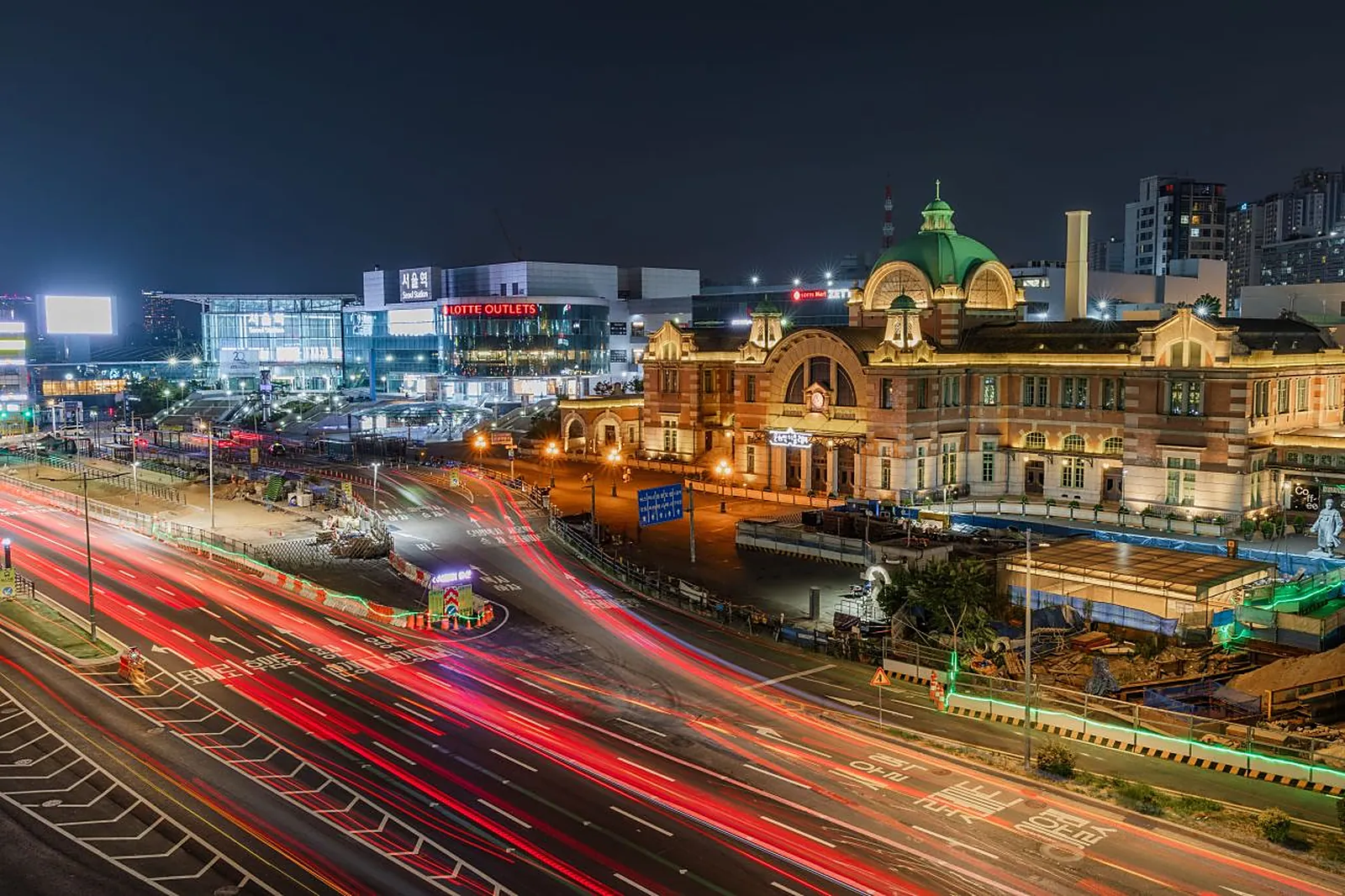
If you're arriving late, leaving early or planning a day trip by KTX, Seoul Station is hard to beat. The AREX Express runs straight to Incheon Airport, KTX trains leave for Busan and elsewhere, and the area is two stops from Myeongdong. Our airport guide compares the train, bus and taxi options.
It's not the most charming area, and some streets are quiet at night, but for a short or transit-heavy trip it's very practical.
Hongdae and Yeonnam-dong — best for nightlife
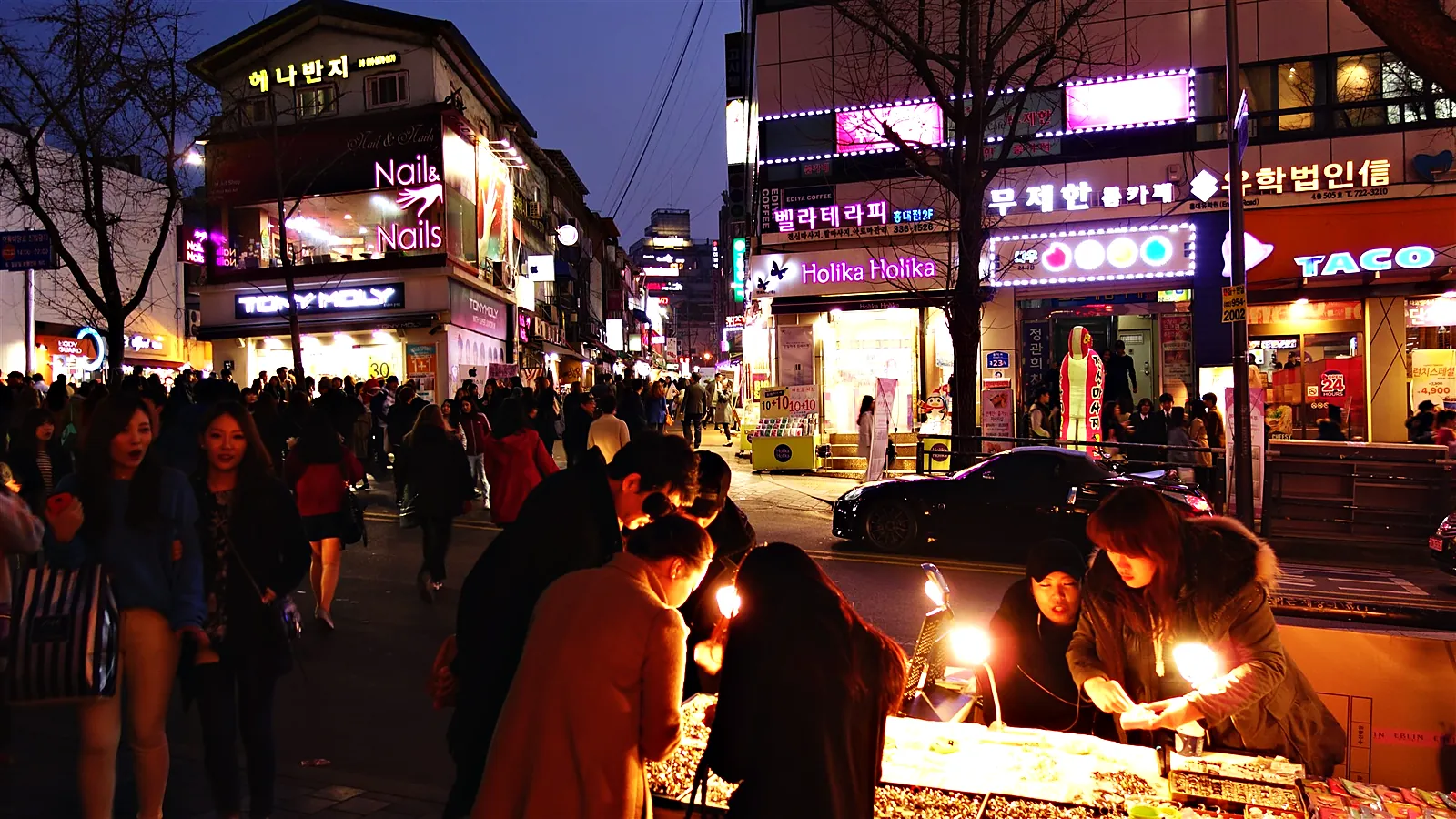
Hongdae is Seoul's university and nightlife district: live music, clubs, buskers, cheap eats and shopping that stays open late. Yeonnam-dong next door is calmer, with cafes and the Gyeongui Line Forest Park. Hongik University Station is on Line 2 and the AREX, so the airport is one train away. Read Hongdae after dark for the night side.
Choose a hotel a few streets away from the main club area if you want to sleep — Friday and Saturday nights are loud.
Insadong, Jongno and Ikseon-dong — best for culture
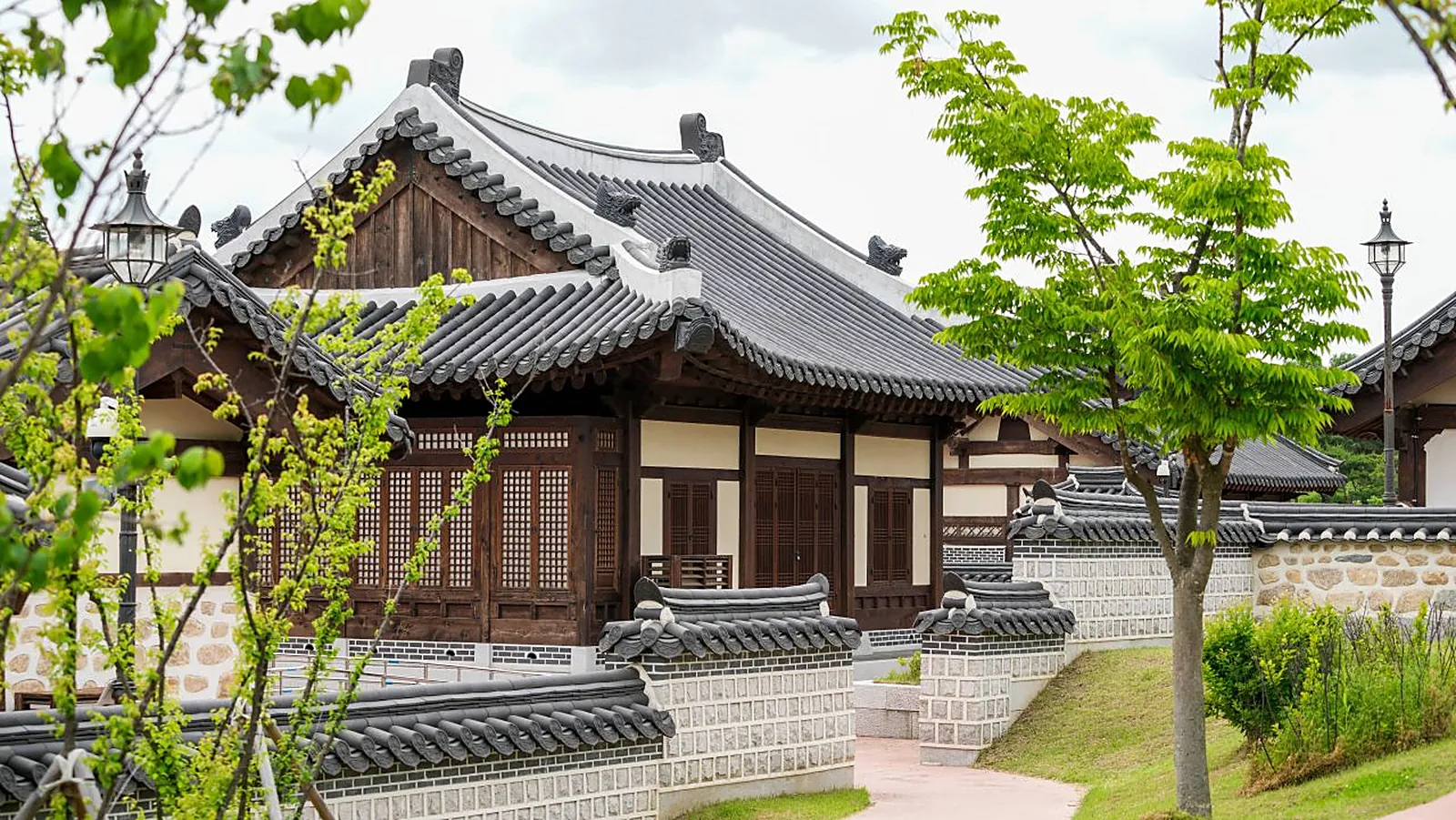
Stay here if you want to walk to Gyeongbokgung and Changdeokgung in the morning. The area has tea houses, craft shops, the hanok alleys of Ikseon-dong and plenty of traditional restaurants — see our Insadong and Ikseon-dong guide. Seochon, on the west side of the palace, is quieter still (Seochon guide).
This is also where you'll find hanok stays — guesthouses in traditional wooden houses with heated floors. They're a memorable experience, but rooms are often small, some share bathrooms, and you may sleep on a mattress on the floor. Read the listing carefully. If a hanok is inside Bukchon's special zone, ask the host how the tourist visiting-hour rules affect guests.
Seongsu — best for cafes and design
Seongsu is Seoul's most fashionable neighbourhood right now: converted factories, pop-up stores, specialty coffee and Seoul Forest. There are fewer hotels here than in the centre, and it's around 25–30 minutes by subway to the palaces, but if cafes and shopping are your main reason for visiting, waking up here is a treat.
Gangnam, COEX and Jamsil — best for modern comfort
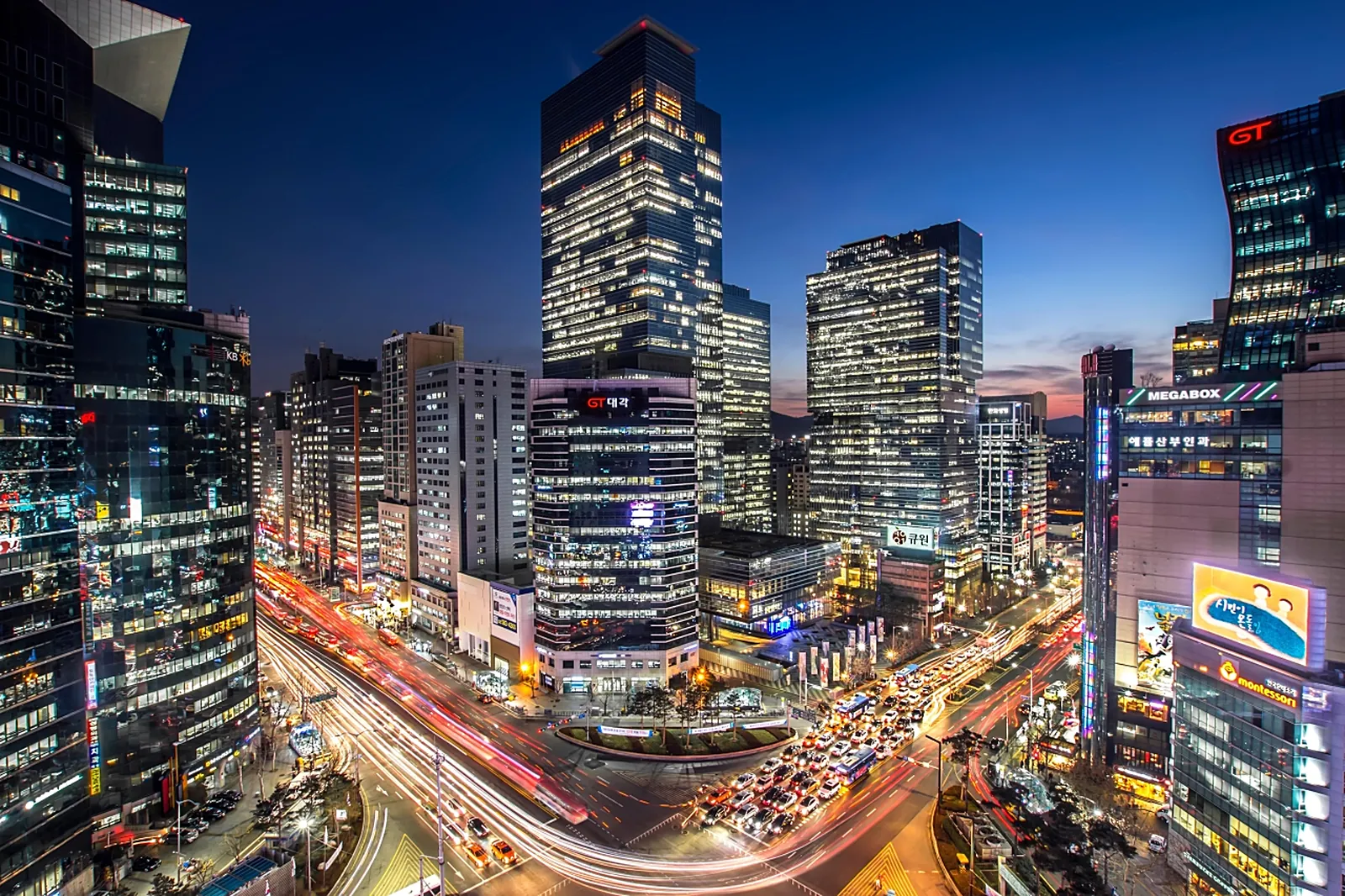
Gangnam has many newer, larger hotels, big malls and excellent restaurants, and it feels polished and business-like. COEX and the Starfield Library, Bongeunsa Temple, Lotte World Tower and Seokchon Lake are all nearby — see our Gangnam guide. Jamsil is handy for Lotte World.
The trade-off is distance: palaces and old Seoul are 30–45 minutes away by subway. Good for repeat visitors, families who want space, or anyone combining work with the trip.
Itaewon and Dongdaemun
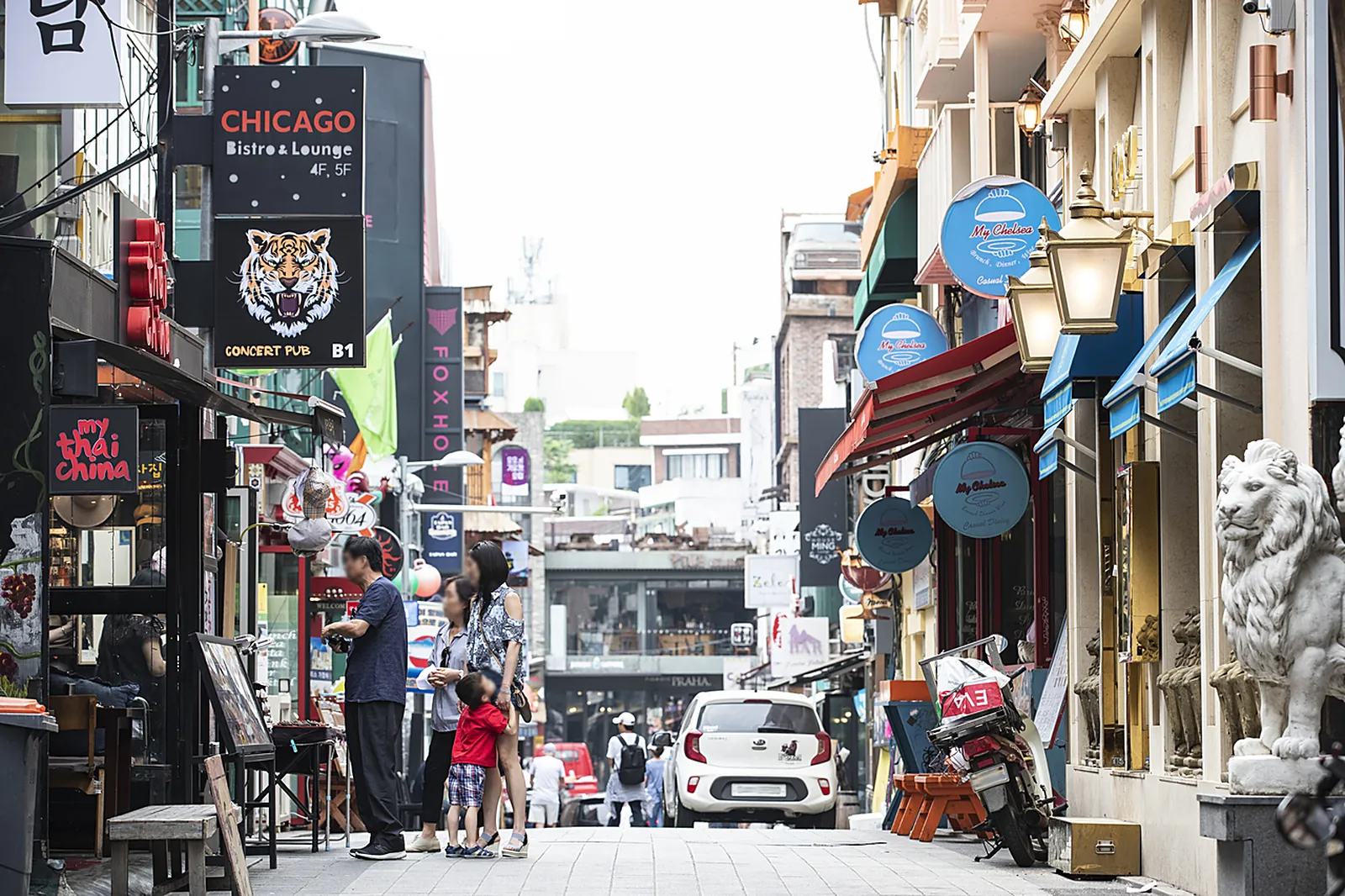
Itaewon is Seoul's most international area, with food from all over the world (Itaewon eats) and a lively bar scene. Its streets are steep, which matters with luggage.
Dongdaemun has fashion malls that open late, the DDP, and several subway lines. It's good value and central, though some blocks feel wholesale-market busy rather than pretty.
Types of places to stay
- Big-brand and business hotels: predictable and comfortable. Some higher-end hotels quote rates before tax and service — check the final price
- Mid-range "boutique" hotels: the sweet spot for most visitors. Rooms are often compact, so check the size in the listing
- Guesthouses and hostels: cheapest, sociable, common around Hongdae and Jongno
- Hanok stays: traditional houses, small rooms, a memorable night or two
- "Motels": local budget hotels, often clean and well-equipped, popular with couples. Fine for a night, but the decor can be surprising
- Serviced residences: apartments with kitchens and laundry, good for families and longer stays
What to check before you book
- Walking time to the subway. Five minutes is ideal. Ten minutes with a suitcase up a hill is not
- Which line. Line 2 (the green circle line) and stations with several lines make every day easier
- Airport link. Near Seoul Station, Hongik University or a stop for the airport limousine bus saves time and money on arrival and departure
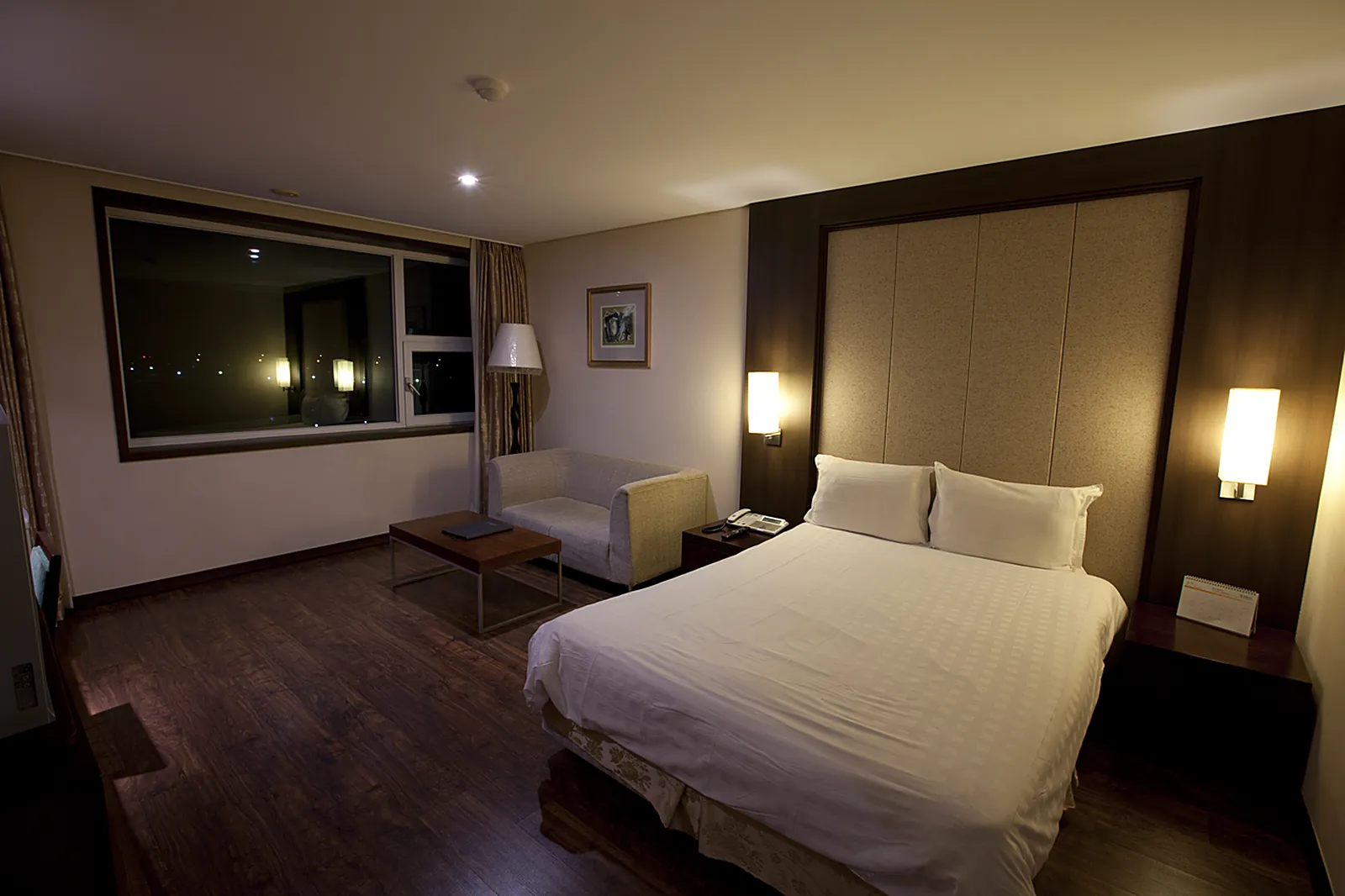
- Room size and beds. Photos can flatter. Check square metres and whether "double" means one bed
- Front desk hours. Small guesthouses may not have 24-hour staff — tell them if you arrive late
- Laundry. Many hotels have coin washers; useful on longer trips
- Cancellation policy. Free cancellation costs a little more but gives you room to change plans
Booking tips
Prices rise sharply around Korean holidays (Seollal and Chuseok), cherry-blossom season and big concerts. Book early for those dates. Compare the same hotel on two or three sites — prices and included breakfast often differ — and read recent reviews for noise, cleanliness and how far the "nearby" station really is.
If you're following our trip planner, the classic and food plans work best from Myeongdong or Jongno, the trendy plan from Seongsu or Hongdae, and the night plan from Hongdae or Euljiro.
Getting there from the airport
From Incheon Airport, the AREX train goes to Hongik University and Seoul Station; airport limousine buses stop near many hotels in Myeongdong, Jongno, Gangnam and Jamsil; and taxis cost more but go door to door. The full comparison is in our airport to city centre guide. Gimpo Airport is closer, with subway lines straight into the city.
Our honest take
For a first trip, don't overthink it. Stay central, near a subway station, and spend your energy on the city rather than the commute.
Go if:
- Myeongdong / Jongno: it's your first time and you want to walk to the big sights
- Hongdae: you want nightlife and a younger vibe
- Seongsu or Gangnam: you've been before or prefer modern, polished areas
Skip if:
- You'd book a "cheap" place 20 minutes' walk from the subway — the time and taxi fares cancel out the savings
- You're a light sleeper choosing a hotel on Hongdae's main club streets
Our tip: split a longer trip. Three nights central for sightseeing, then two in Seongsu or Hongdae for a different feel — Seoul is easy to move around, and you'll see more of it.
Frequently asked questions
What is the best area to stay in Seoul for first-timers?
Myeongdong or the Jongno / Insadong area. Both are central, walkable to major sights and well connected by subway.
Is it better to stay in Gangnam or Myeongdong?
Myeongdong for sightseeing and old Seoul; Gangnam for modern hotels, shopping and a business feel. Most first-time visitors are happier in Myeongdong.
Is Hongdae a good place to stay?
Yes, if you want nightlife and easy airport access on the AREX. Pick a hotel away from the main club streets for quieter nights.
Are hanok stays worth it?
For a night or two, yes — they're a memorable experience. Check whether the bathroom is shared and whether you sleep on a floor mattress before you book.