If Seoul is Korea's head, Busan is its salty, laid-back heart. It's a port city strung along the south-east coast, with city beaches, steep hillside neighbourhoods, one of Asia's biggest fish markets and a seaside temple built on the rocks. It has its own dialect, its own food and a much slower pace than the capital.
Thanks to the KTX high-speed train, it's also surprisingly easy to reach. Here's how to plan it, whether you have one day or a whole weekend.
Day trip or overnight?
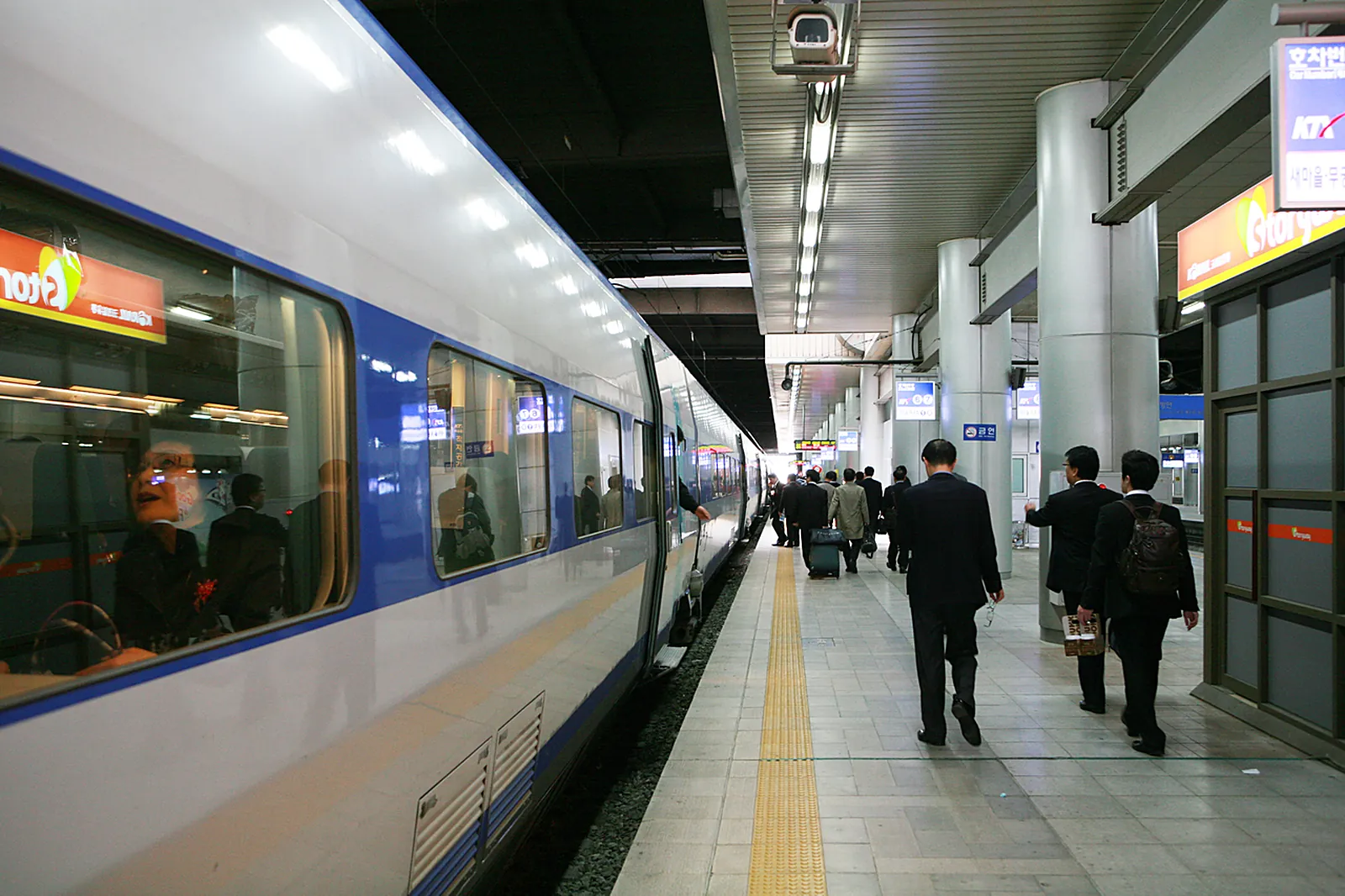
A day trip works if you catch an early train (around 7am), focus on two or three areas, and take a late train back. You'll see the highlights, but you'll spend five hours on trains and miss Busan at night.
Two days is much better: one day for the old port side (Gamcheon, Jagalchi, Nampo, Yeongdo) and one for the beaches (Haeundae, the coastal rail, Gwangalli at night), with time to eat properly. Three days lets you add Haedong Yonggungsa, Beomeosa temple and a spa.
The old port: Nampo, Jagalchi and Gamcheon
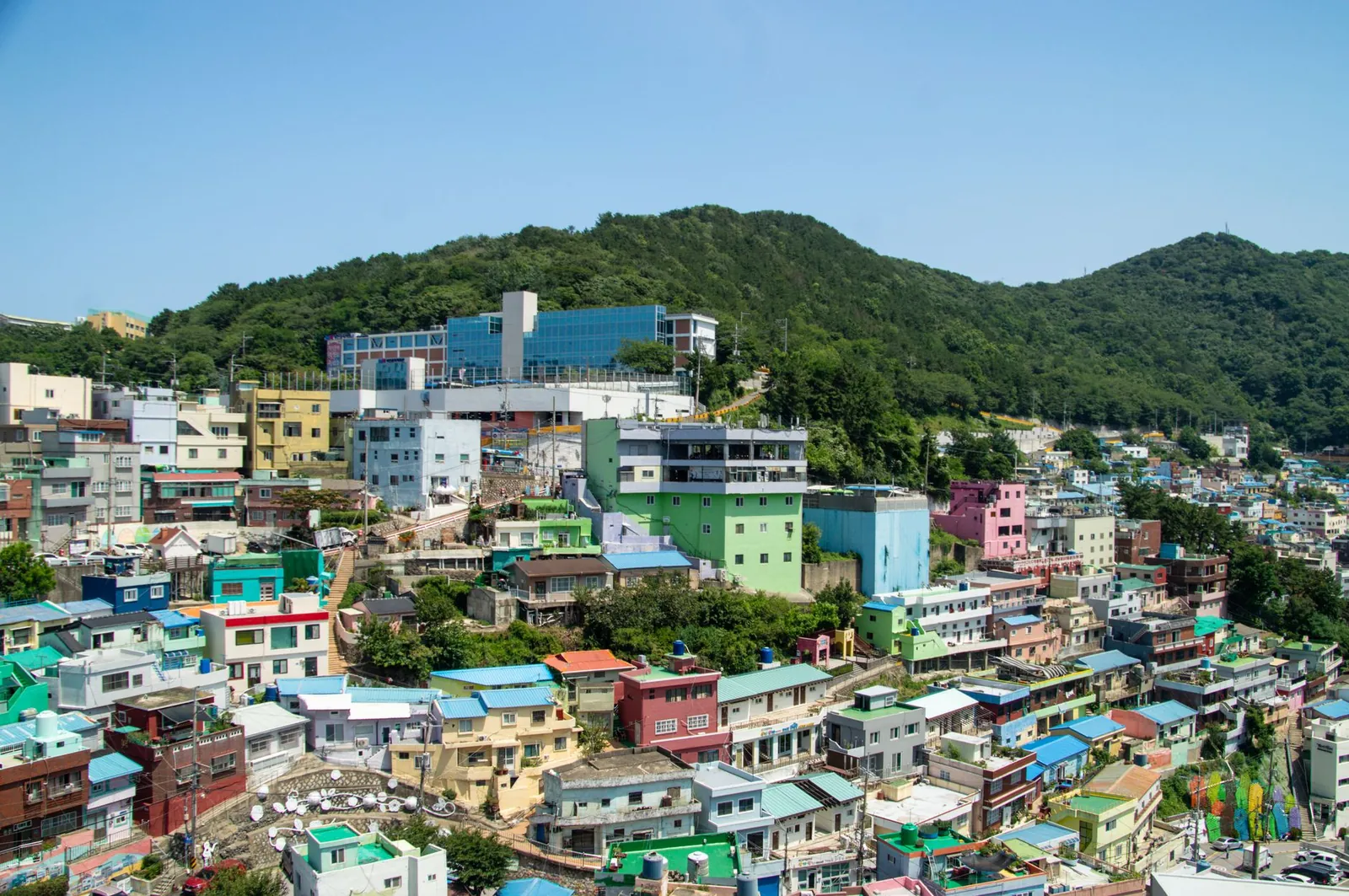
Gamcheon Culture Village is Busan's most photographed sight: a hillside of small houses painted in bright colours, stacked up the slope, with art installations, murals and viewpoints. It's a real neighbourhood, so keep your voice down and don't peer into homes. Look for the Little Prince statue looking over the rooftops.
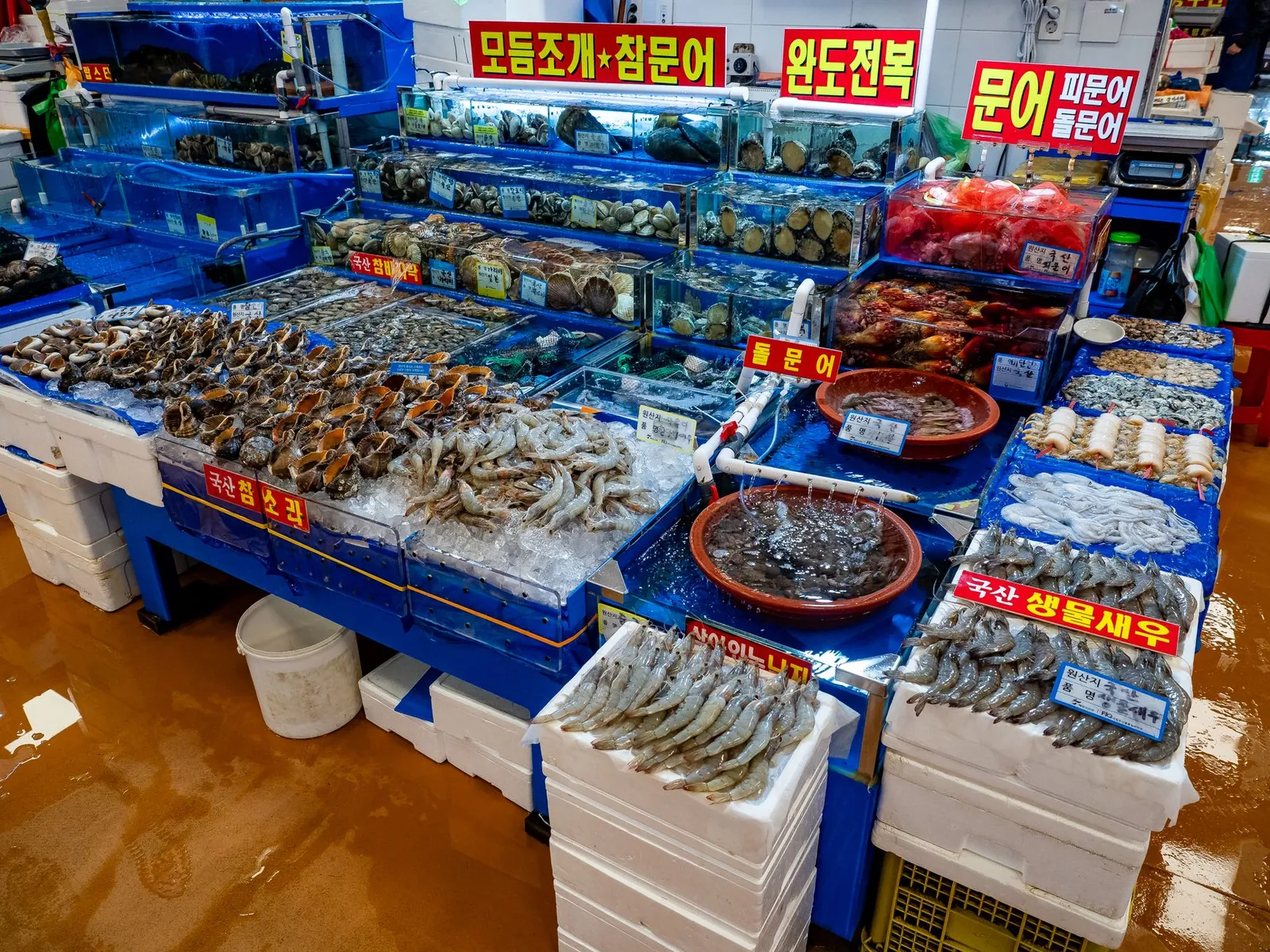
Jagalchi Market is Korea's largest seafood market, right on the harbour. Tanks of live fish, octopus, crabs and shellfish fill the ground floor. The classic experience: choose your seafood downstairs, then take it upstairs to a restaurant that prepares it for you for a set fee.
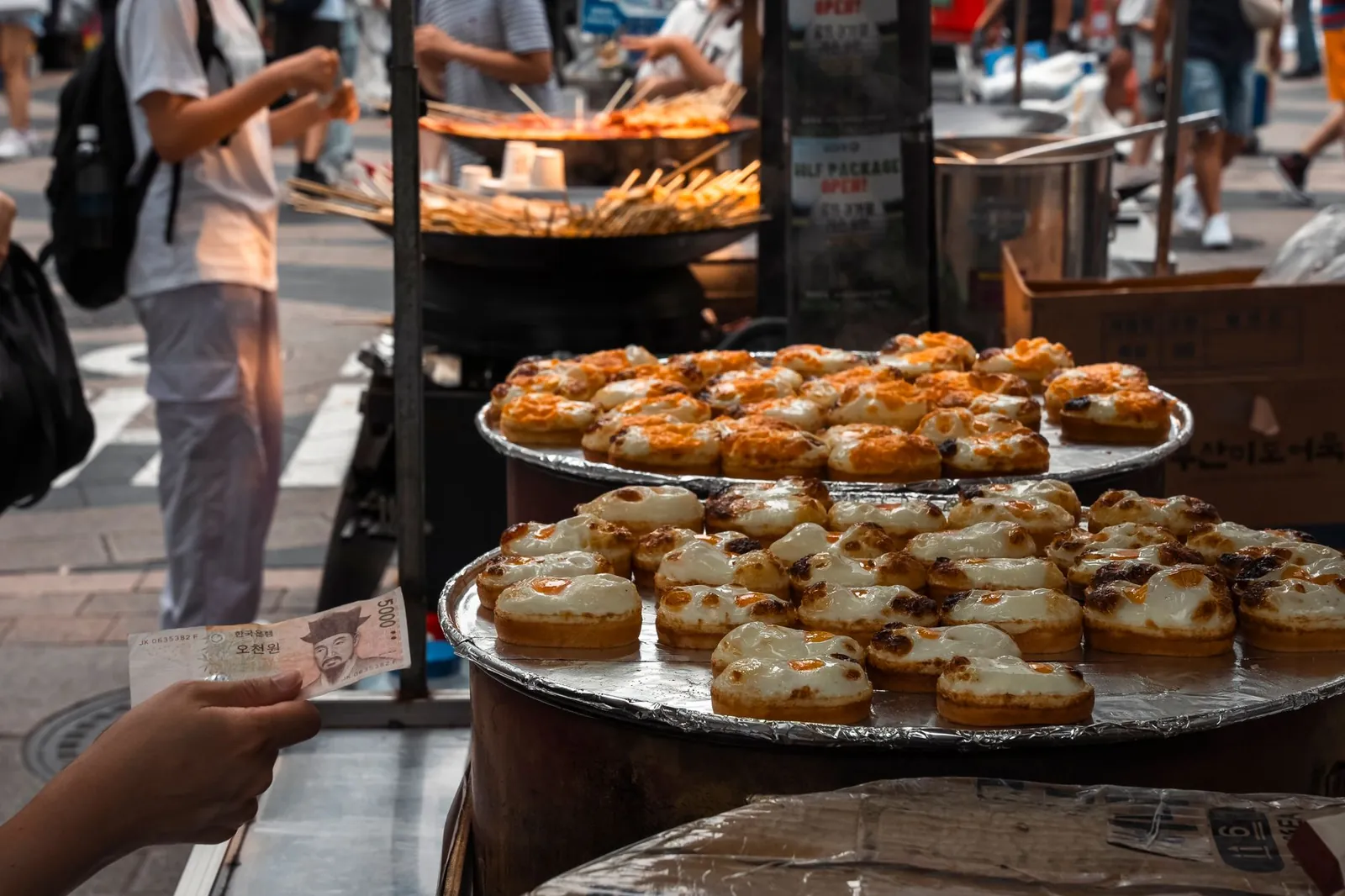
Next door, Nampo-dong has the old city's shopping streets, Gukje Market (a sprawling traditional market) and BIFF Square, where street stalls sell ssiat hotteok — sweet pancakes stuffed with seeds and nuts, a Busan speciality.
Yeongdo: cliffs and the sea
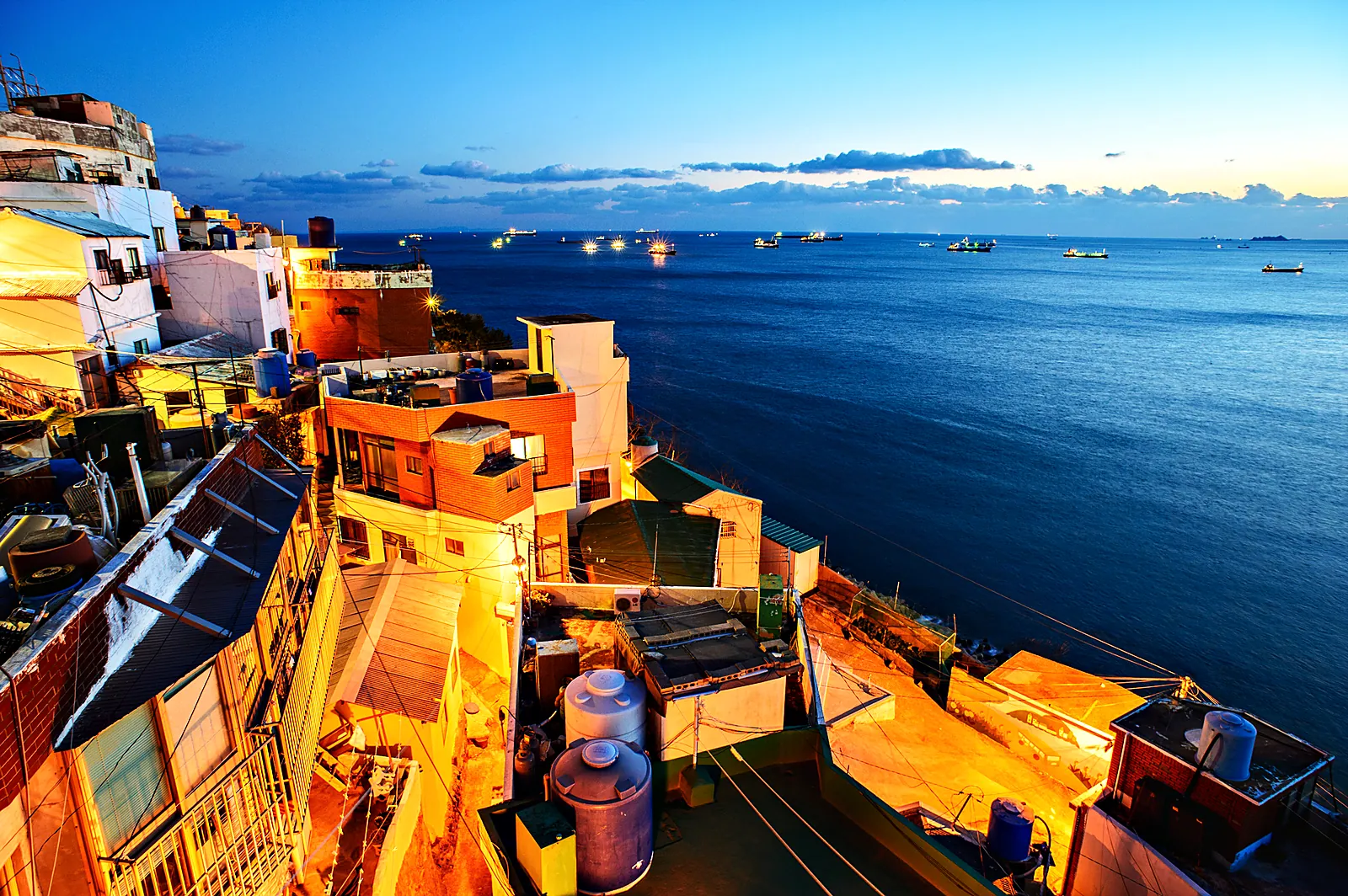
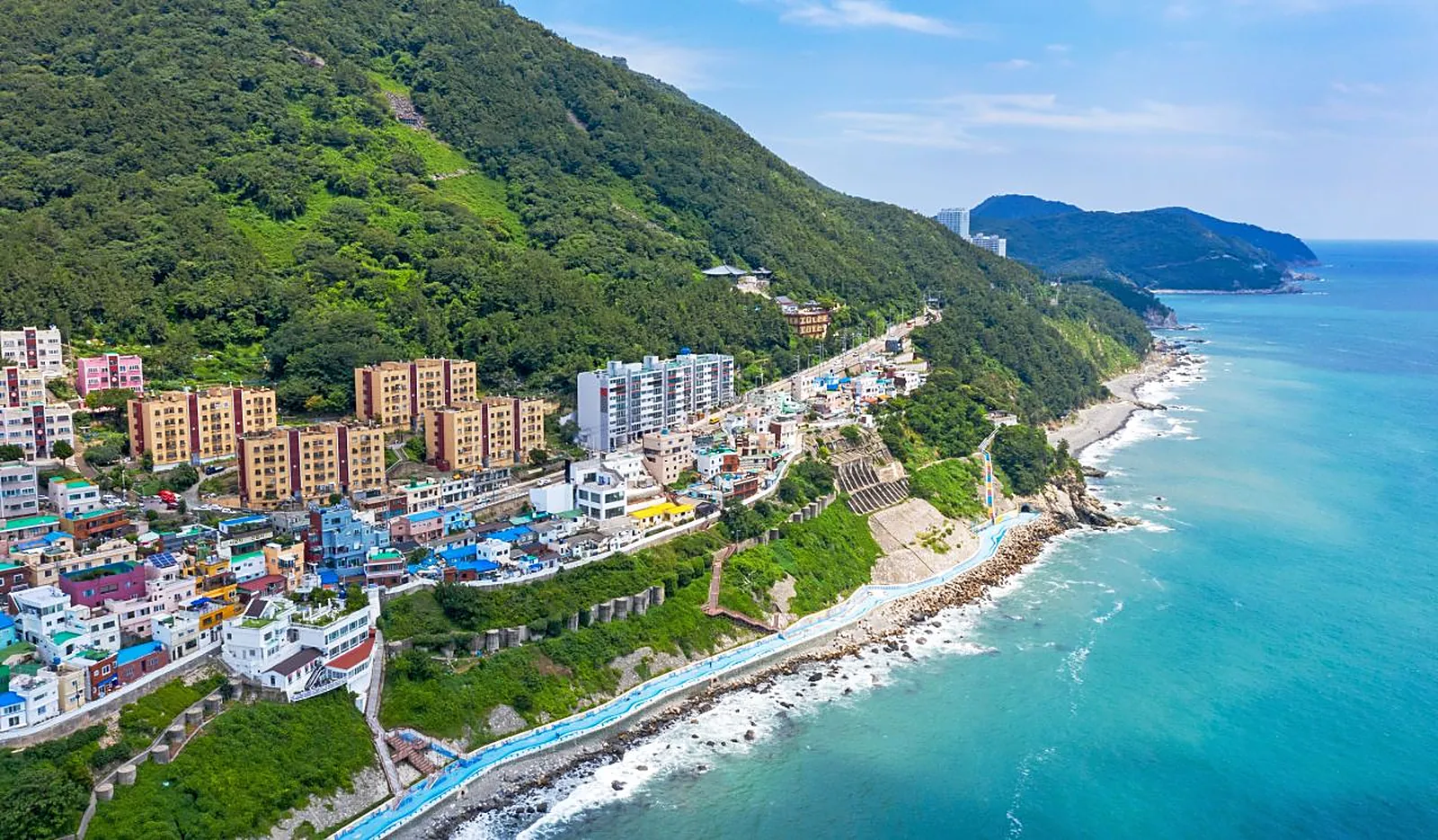
Across the bridge from Nampo, Yeongdo island has Huinnyeoul Culture Village — white houses on a cliff above the sea, with a coastal walking path below — and Taejongdae, a park of dramatic cliffs and a lighthouse. It's a quieter, more local side of Busan.
Haeundae and the coast
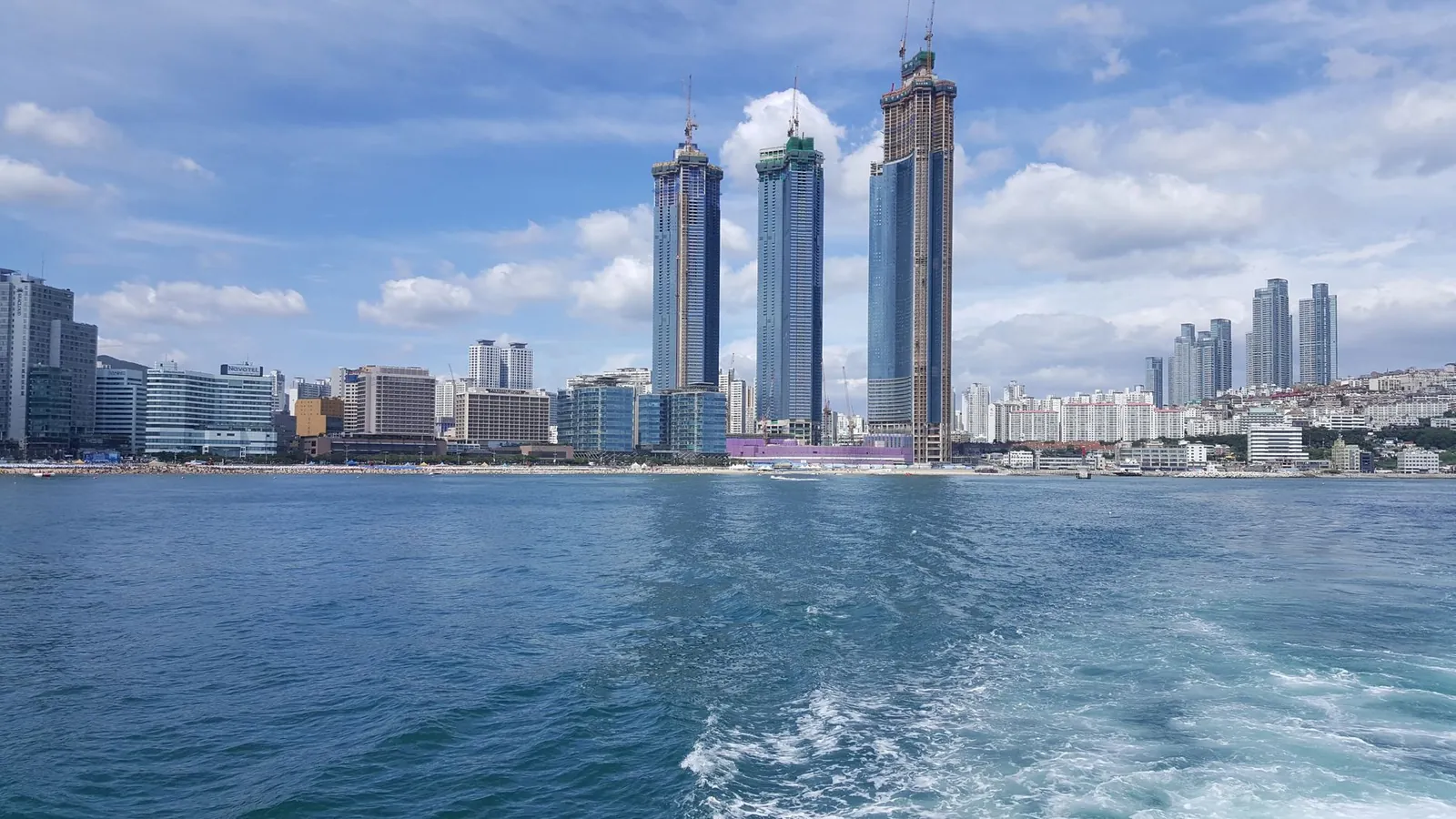
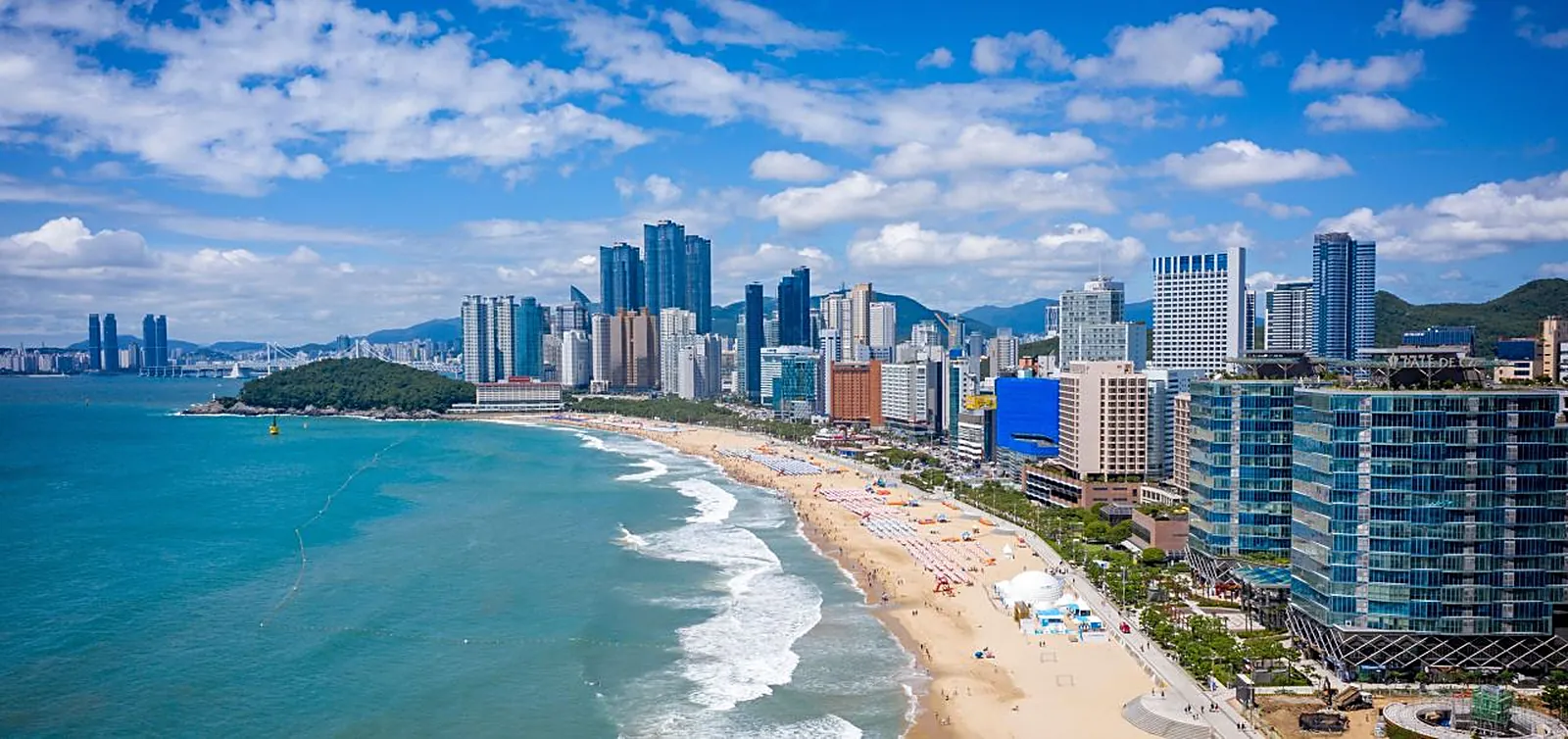
Haeundae Beach is Busan's famous city beach: a long curve of sand backed by hotels, with seafood restaurants and a traditional market just behind. Walk south along the shore to Dongbaekseom, a small wooded island with a coastal path and views back to the skyline.
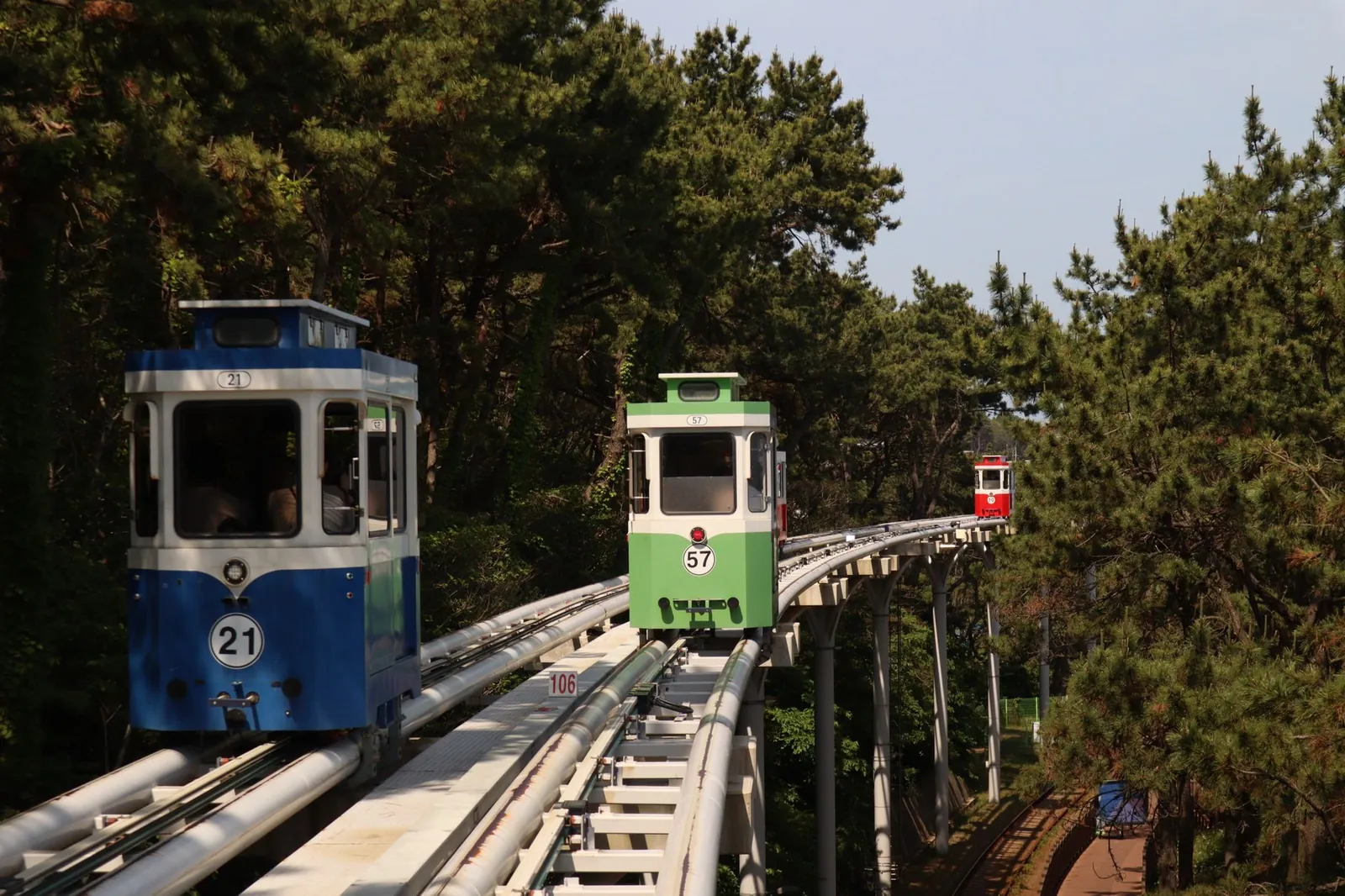
At the eastern end of Haeundae, Haeundae Blueline Park runs along an old railway by the sea: a slow Beach Train and small, colourful Sky Capsules on an elevated track above the water. Book ahead on weekends — it sells out.
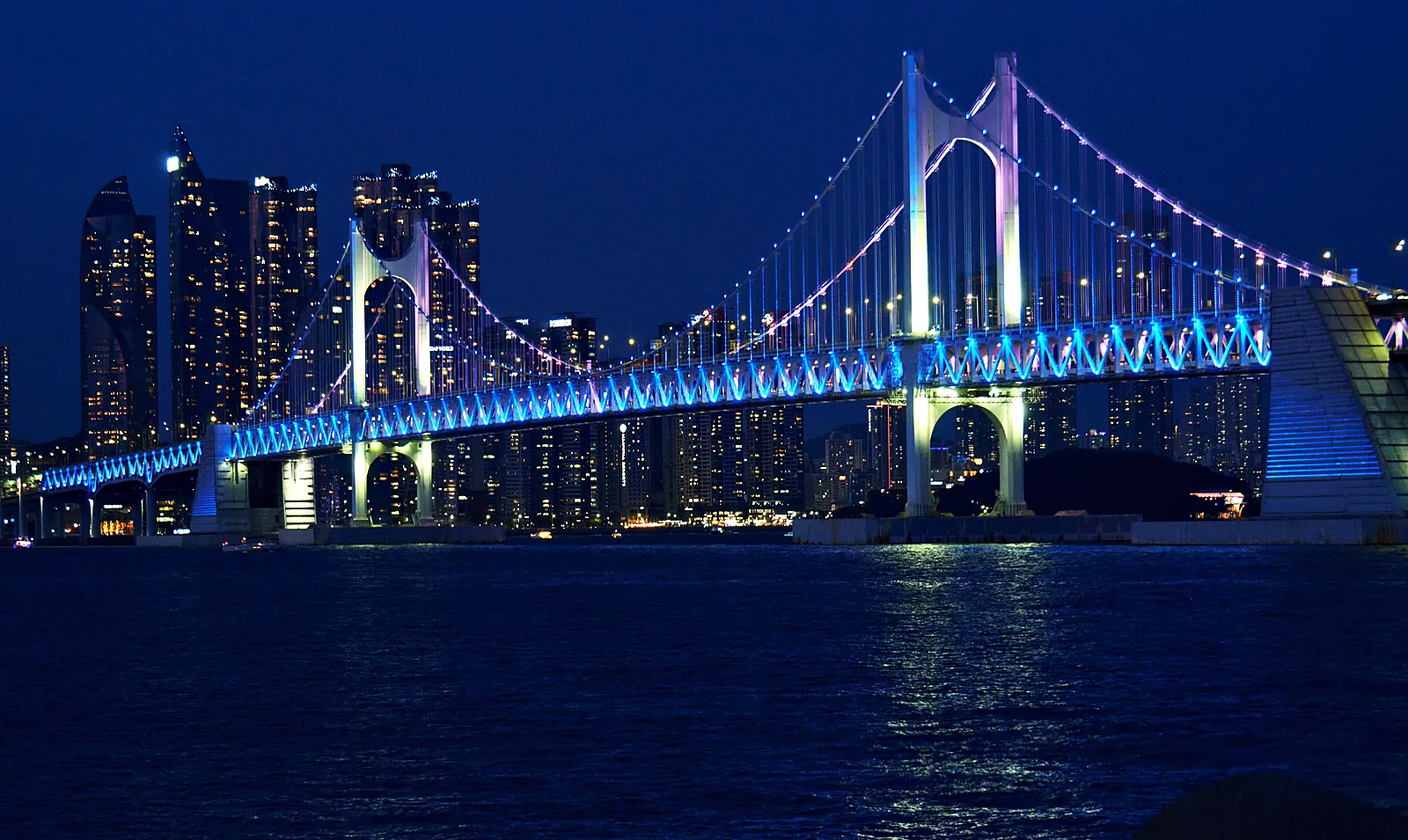
Gwangalli Beach, a short ride west, faces the huge Gwangan Bridge, which is lit up at night. The bars and cafés along the beach are Busan's best evening hangout, and there's often a drone light show over the water on Saturday evenings — check the schedule.
Haedong Yonggungsa: the temple on the rocks
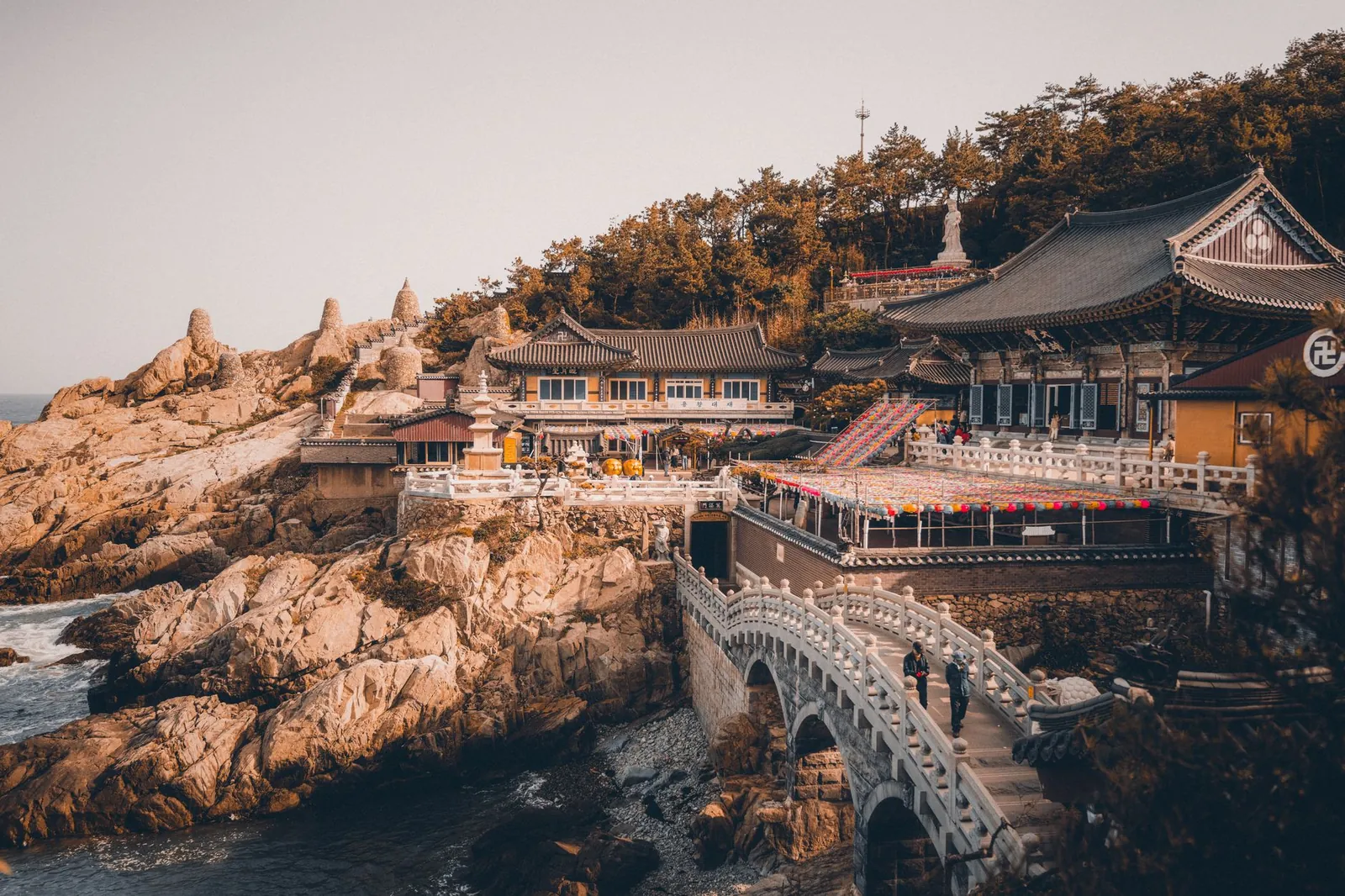
Most Korean temples are in the mountains. Haedong Yonggungsa sits on rocks right above the sea, north-east of Haeundae. Walk down the stone steps past lanterns and statues to the main halls, with waves crashing below. It's busy but memorable, especially early in the morning. Allow about half a day including the bus or taxi from Haeundae.
What to eat in Busan
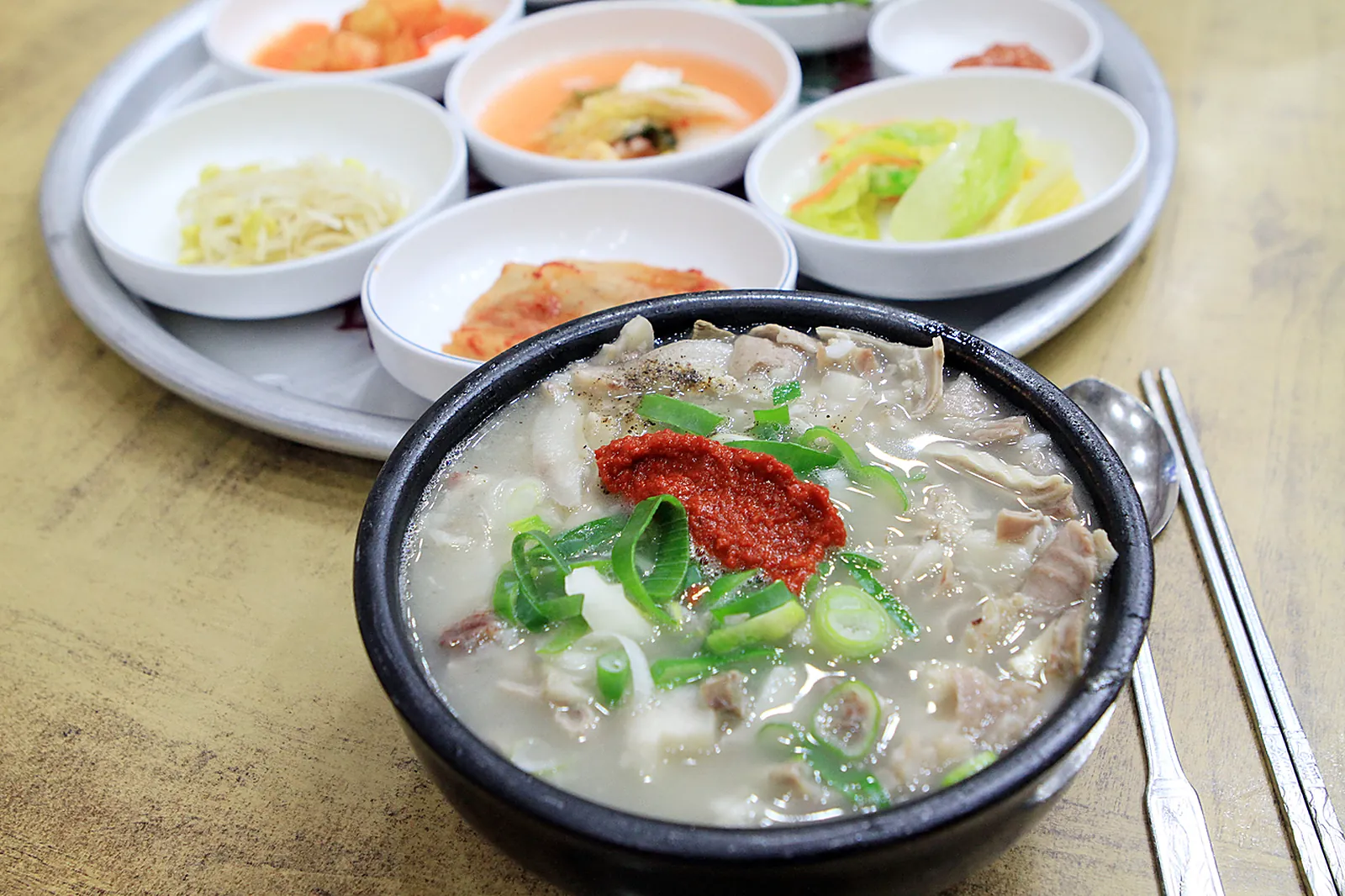
- Dwaeji gukbap: pork and rice soup — Busan's signature comfort food, cheap and filling
- Milmyeon: chewy wheat noodles in a cold, tangy broth, invented in Busan
- Fresh raw fish (hoe): best at Jagalchi or the seafood restaurants around the beaches
- Eomuk (fish cake): Busan is famous for it — eat it hot on a skewer in broth
- Ssiat hotteok: the seed-stuffed pancake at BIFF Square
A two-day plan
| Day | Morning | Afternoon | Evening |
|---|---|---|---|
| 1 | KTX to Busan; Gamcheon Culture Village | Jagalchi lunch, BIFF Square, Gukje Market, Yeongdo | Gwangalli Beach and the bridge |
| 2 | Haedong Yonggungsa | Haeundae, Blueline Park, Dongbaekseom | KTX back to Seoul |
For a day trip, do day 1 without Yeongdo, then finish at Haeundae or Gwangalli and take a late train from Busan Station.
Where to stay
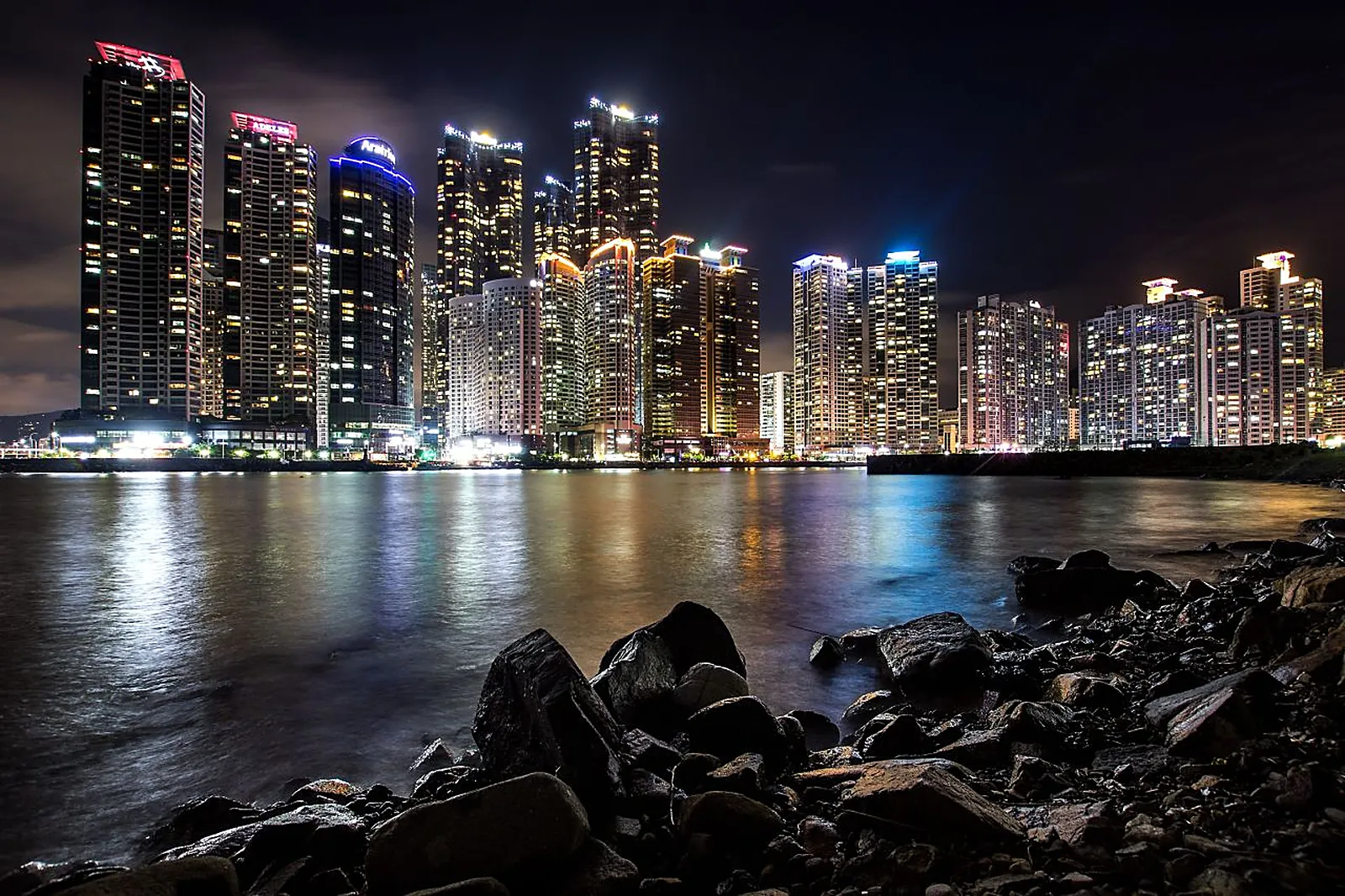
Haeundae is best for beaches and a holiday feel; Seomyeon is central, with great transport and food; Nampo is convenient for the old port and Gamcheon. Book early in summer and during the Busan International Film Festival in October.
Getting there
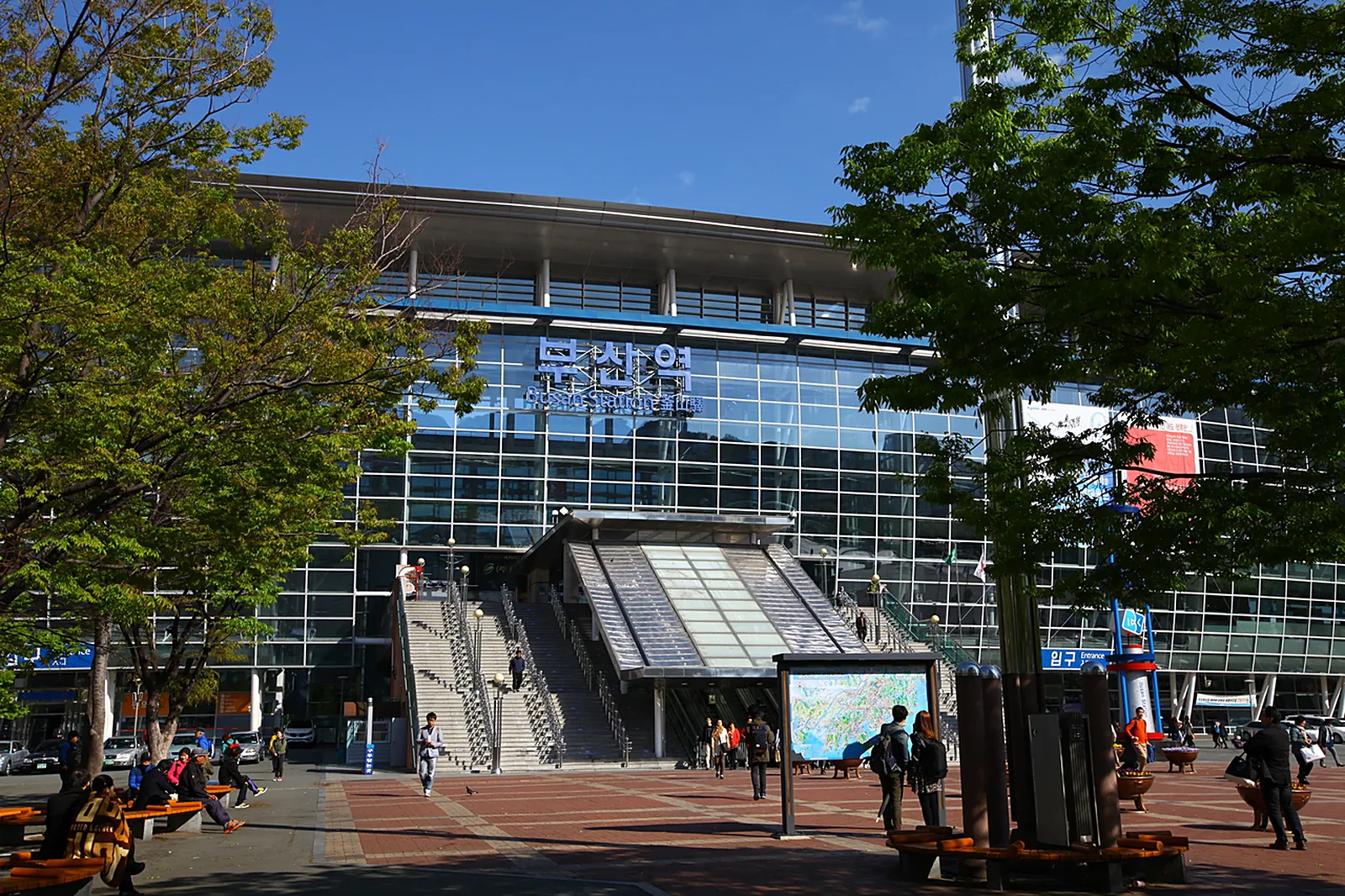
- KTX: from Seoul Station to Busan Station in about 2.5 hours, many times a day. Standard fares are around ₩60,000 each way at time of writing. Book on the Korail app, especially for weekends
- SRT: a separate high-speed train from Suseo Station in south-east Seoul — handy if you're staying in Gangnam
- Fly: Gimpo to Gimhae airport takes about an hour, but once you add airport time it's rarely faster than the train
- In Busan: the subway is easy and signs are in English. Use a regular T-money card — Seoul's Climate Card doesn't work in Busan
Our honest take
Busan is the best second city to add to a Seoul trip — different food, the sea, and a more relaxed pace. It's worth two days if you can spare them.
Go if:
- You have five or more days in Korea
- You love seafood, beaches and coastal walks
- You want to see a different side of Korea from Seoul
Skip if:
- You only have three days — stay in Seoul and do Suwon instead
- You'd only have time for a rushed day trip in winter, when the beach side is quiet
Our tip: take a Friday-morning KTX, spend the night near Gwangalli so you can see the bridge lights, and come back Saturday evening.
Frequently asked questions
How long does it take to get from Seoul to Busan?
About 2.5 hours on the KTX from Seoul Station, or a similar time on the SRT from Suseo Station.
Can I do Busan as a day trip from Seoul?
Yes, with an early train and a late one back — but you'll only see a few areas. Two days is much better.
Does the Climate Card work in Busan?
No. It only covers Seoul. Use a regular T-money card, which works on Busan's subway and buses.
What is the best area to stay in Busan?
Haeundae for beaches, Seomyeon for transport and food, Nampo for the old port and Gamcheon Culture Village.