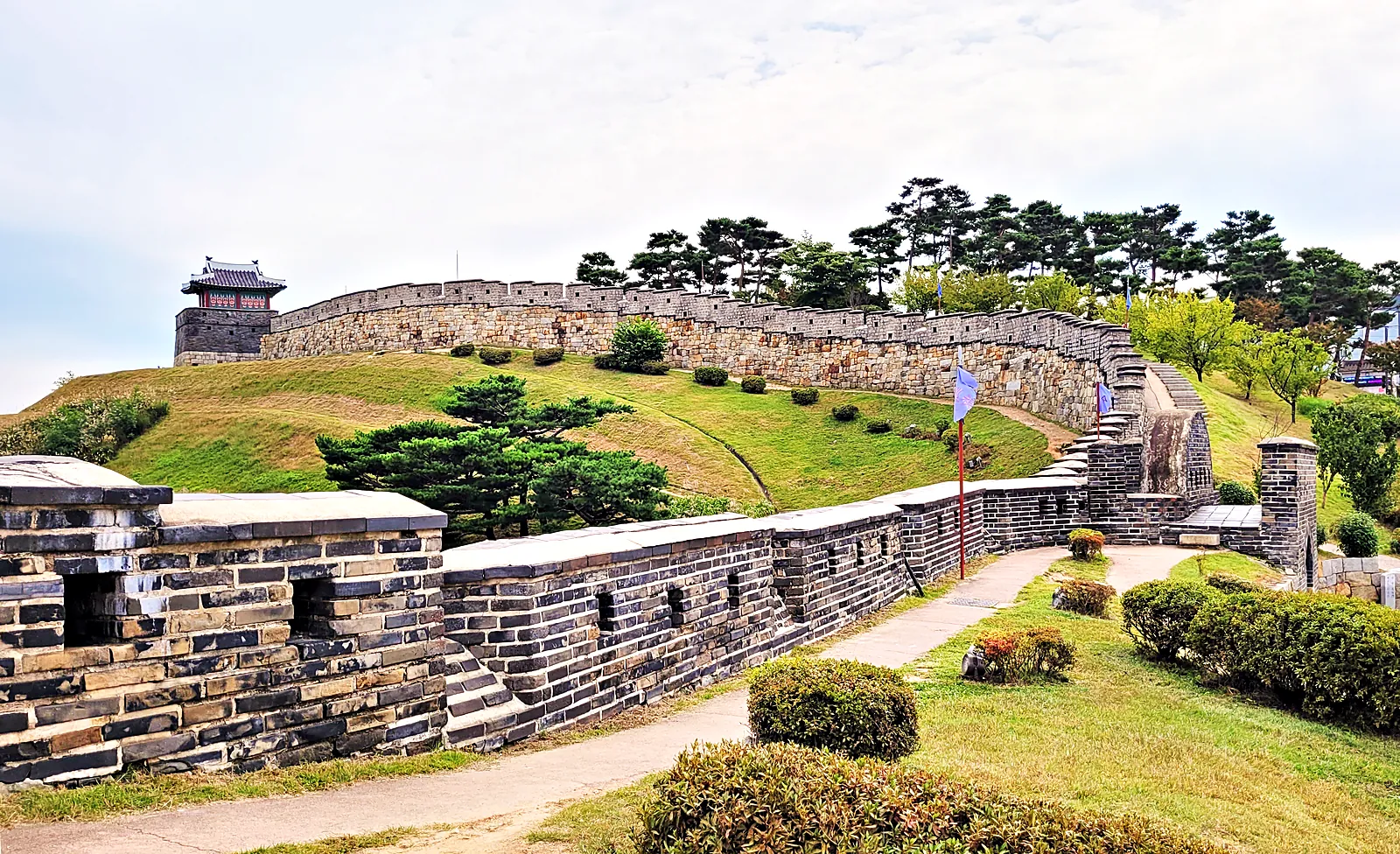
Most day trips from Seoul need a tour bus or an early train. Suwon needs a subway ride. The city is the capital of Gyeonggi Province, just south of Seoul, and at its heart is Hwaseong Fortress: a wall built in the 1790s by King Jeongjo that still wraps around the old town, with grand gates, watchtowers, a floodgate over a stream and a command post on a hill.
It's one of the best-preserved fortresses in Korea, and walking it is a genuinely lovely half day — part history, part hike, with the city below you. Here's how to do it well.
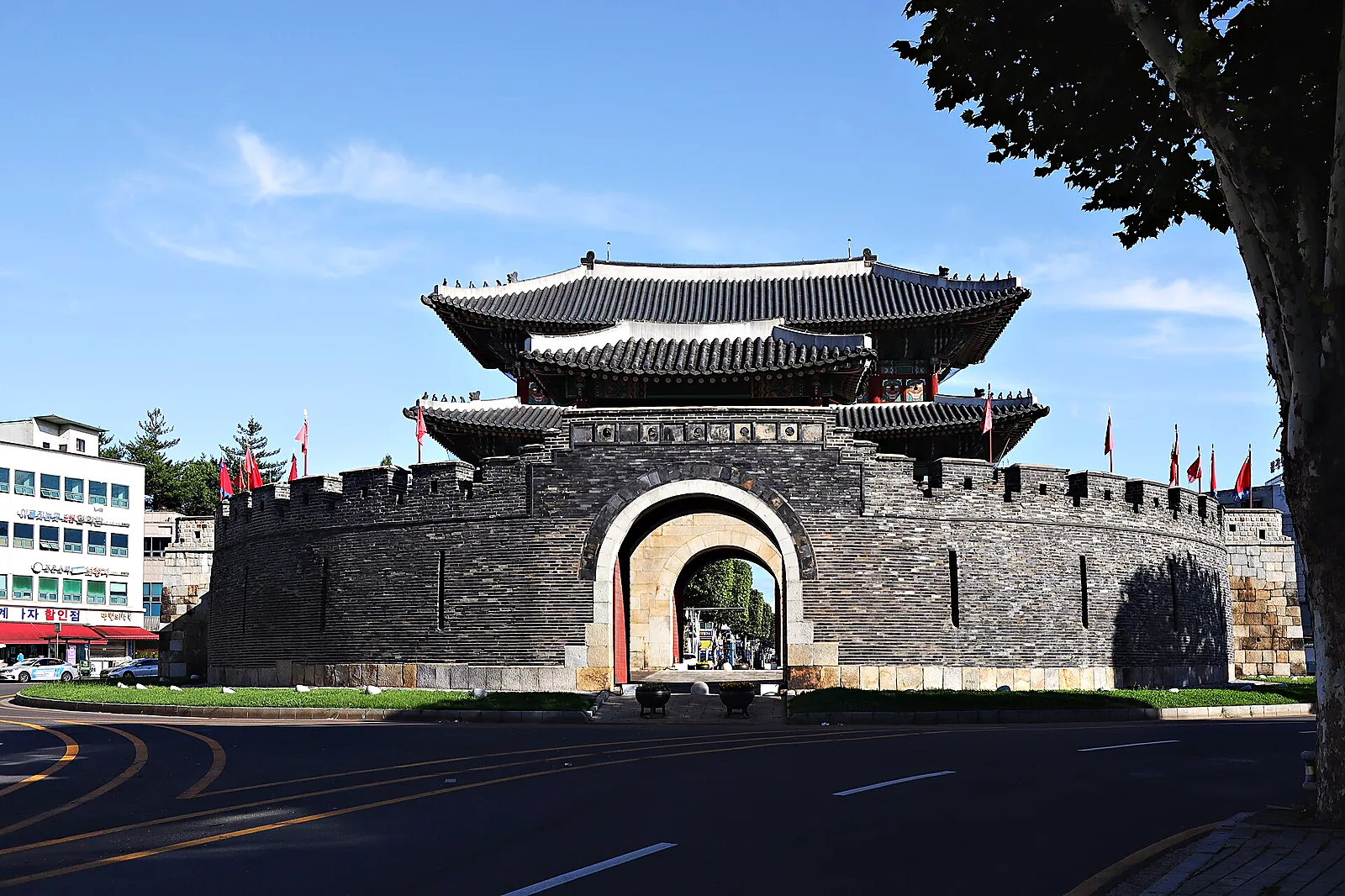
Why Hwaseong is special
King Jeongjo built the fortress between 1794 and 1796, partly to honour his father and partly as a planned new capital. It was cutting-edge for its time: engineers used cranes and pulleys, and the whole project was recorded in detail. When parts of the wall were damaged in the 20th century, those records allowed an unusually faithful restoration — one reason it became a UNESCO World Heritage Site in 1997.
What you see today is a complete loop of wall with four main gates, sentry posts, bastions, secret gates and a beautiful pavilion over a pond. Unlike a palace, you can walk on it.
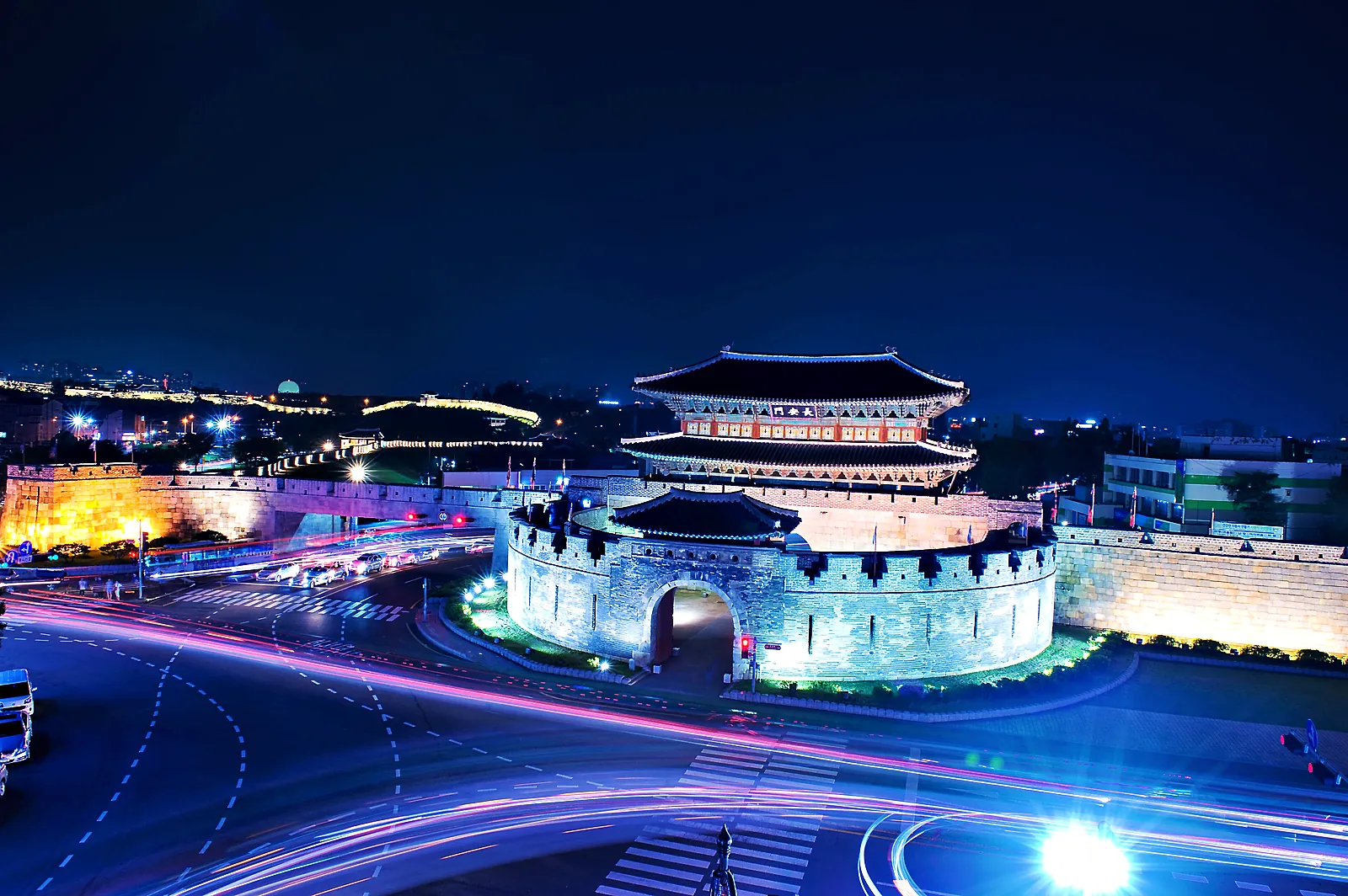
Walking the wall
The full circuit is about 5.7km. At a relaxed pace with photo stops, allow two and a half to three hours. You don't have to do all of it — the best sections are:
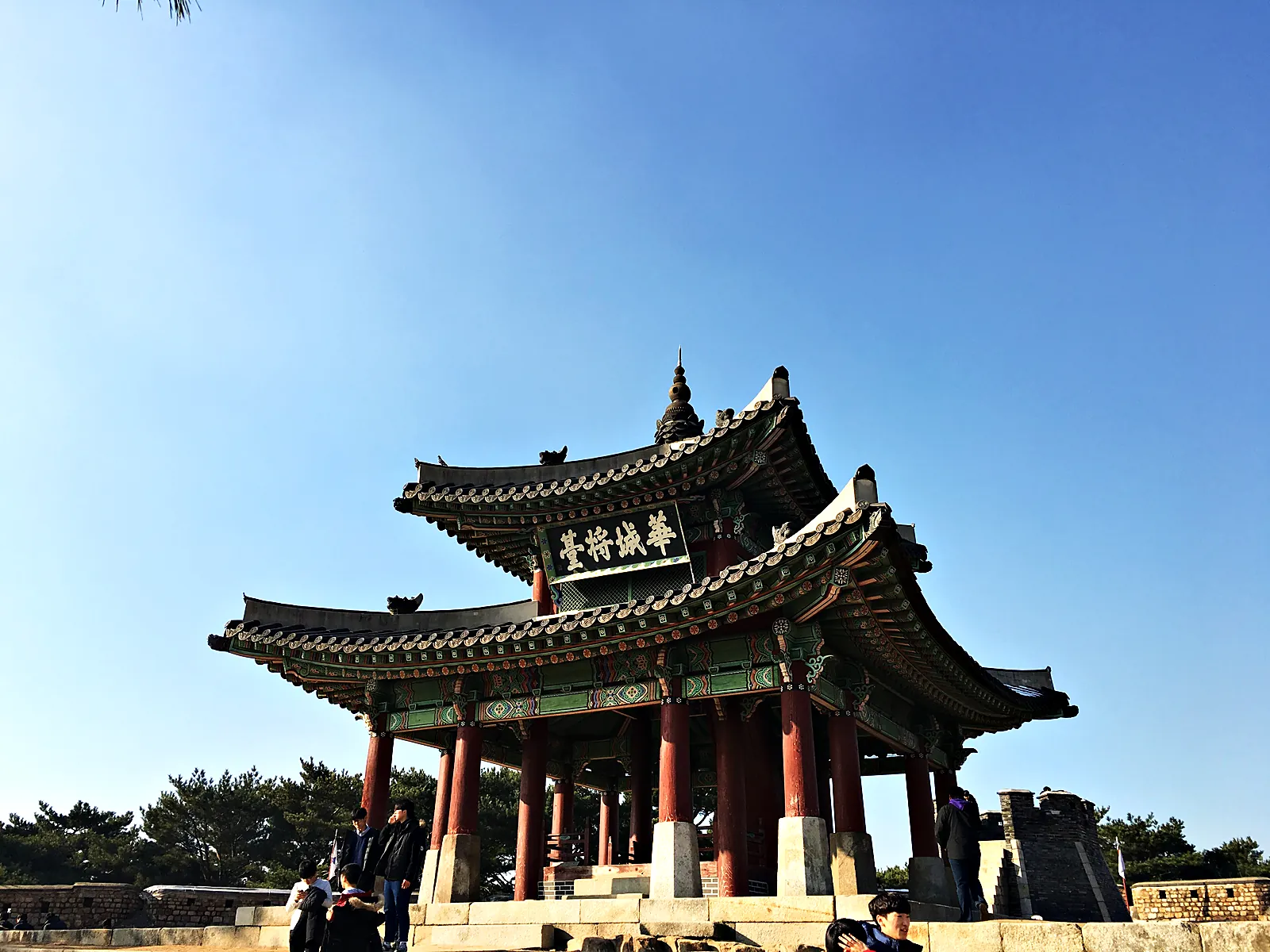
- Paldalsan and Seojangdae: the western hill, with the command post and the best view over Suwon. It's a steep climb from the south gate, then easy along the ridge
- Hwaseomun Gate: the west gate, compact and very photogenic
- Janganmun Gate: the north gate, the biggest, with its round outer wall
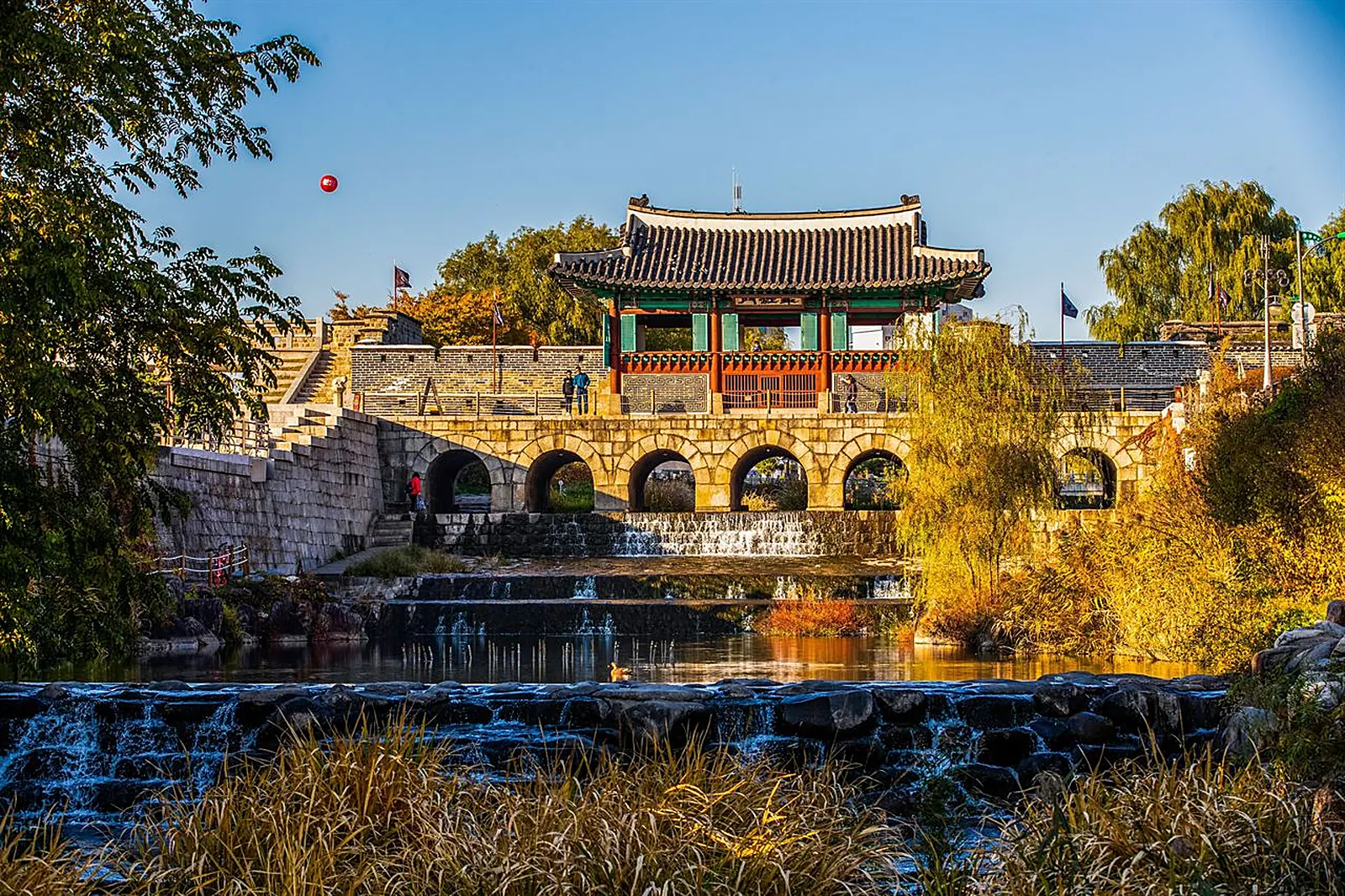
- Hwahongmun and Banghwasuryujeong: a stone floodgate with seven arches over the stream, and the pavilion above a lotus pond — the most beautiful spot on the whole wall
- Yeonmudae: the eastern command post by a wide lawn, where you can try traditional archery
A good plan: start at Paldalmun (the south gate), climb to Seojangdae, follow the wall north past Hwaseomun to Janganmun, continue to the floodgate and pavilion, then finish at Yeonmudae. You'll see the best of it in about two hours.
Hwaseong Haenggung Palace
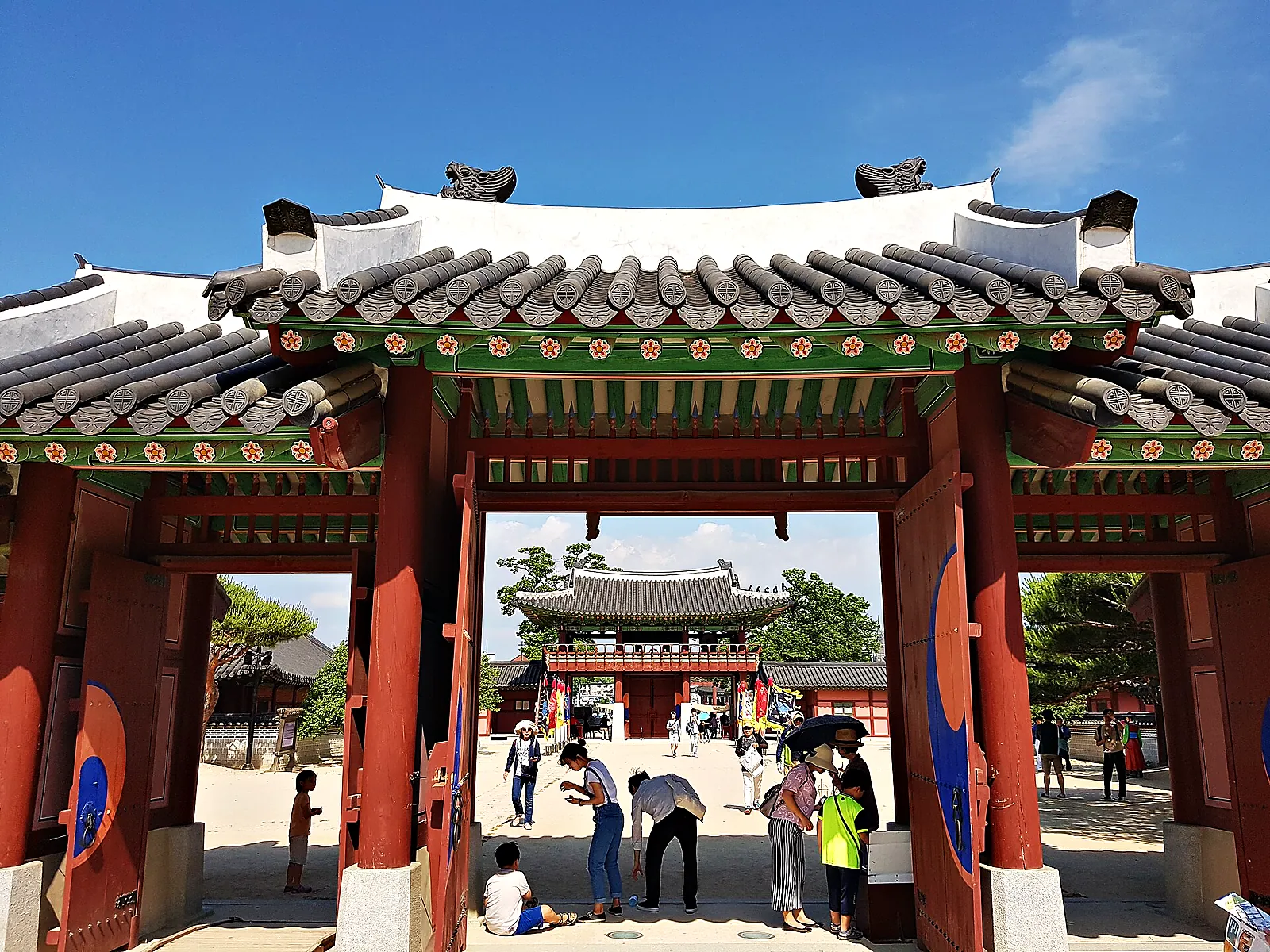
Inside the walls, at the foot of Paldalsan, is Hwaseong Haenggung — a temporary royal palace where King Jeongjo stayed on his visits. It was largely destroyed in the 20th century and has been rebuilt, so it's newer than it looks, but it's well done and rarely crowded. On some days there are traditional martial-arts demonstrations and changing-of-the-guard ceremonies in the square outside — check the schedule when you arrive.
There's a small entry fee for the palace and another for the fortress wall, both very cheap at time of writing. Hanbok rental shops nearby make it easy to dress up for photos.
Haenggung-dong: cafés and lanes
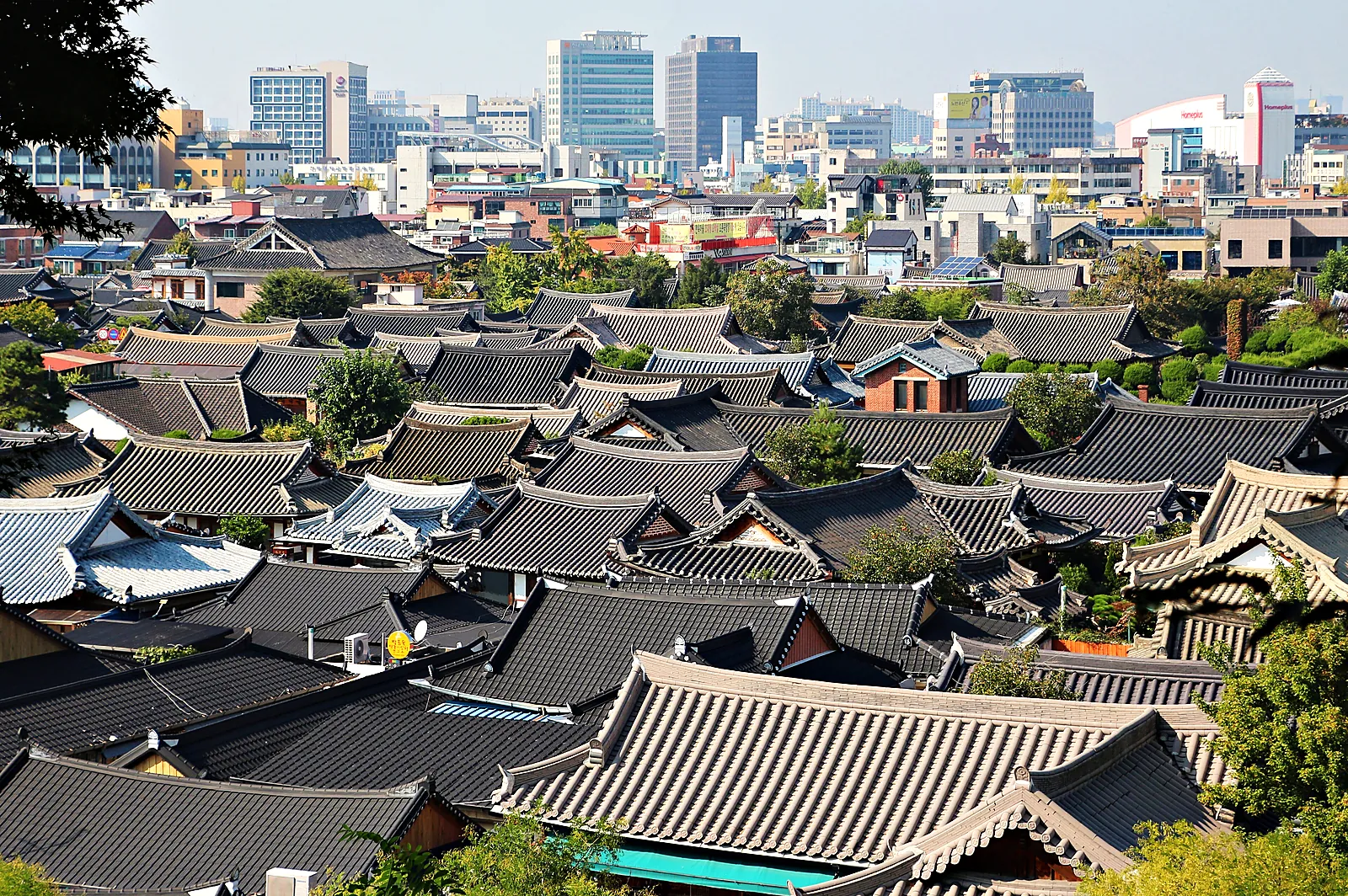
The neighbourhood around the palace, Haenggung-dong, has become Suwon's café district — locals call its main lanes "Haengridan-gil". Low-rise streets hug the inside of the wall, full of small cafés, bakeries, craft shops and murals. It's the perfect place to rest your legs between wall sections.
Extras if you have time
- Traditional archery at Yeonmudae: a short session with a Korean bow, suitable for beginners
- The Hwaseong trolley: a small tourist train that runs between Yeonmudae and the palace area — handy if you're tired
- Flying Suwon: a tethered balloon ride near the east side of the wall, with views over the whole fortress in good weather
- Suwon Hwaseong Cultural Festival: held around early October, with a royal procession and performances
What to eat
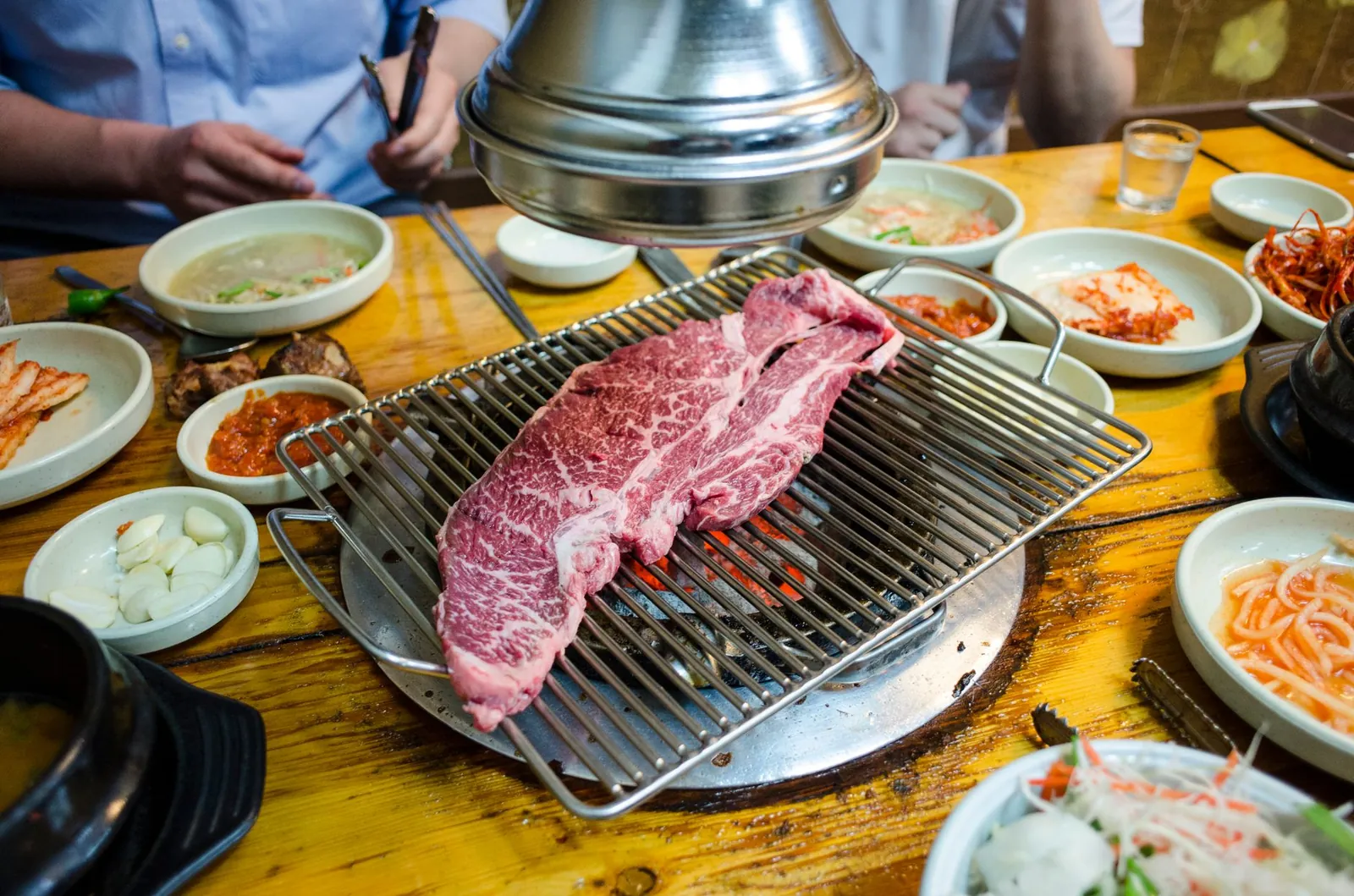
Suwon is famous for two things: galbi (big marinated beef ribs) and fried chicken. Near Paldalmun there's a lane known as Suwon Chicken Street, where restaurants fry whole chickens in large iron pots. A plate of crispy chicken and a cold beer after walking the wall is a very Korean way to end the day. Suwon galbi restaurants are pricier and better for a proper sit-down dinner.

A one-day plan
| Time | What |
|---|---|
| 09:30 | Subway from central Seoul to Suwon |
| 10:45 | Taxi or bus to Paldalmun; climb to Seojangdae |
| 12:30 | Walk the wall north to Hwaseomun and Janganmun |
| 13:30 | Lunch in Haenggung-dong |
| 15:00 | Floodgate, pavilion and Yeonmudae (archery if you like) |
| 16:30 | Hwaseong Haenggung Palace |
| 18:00 | Fried chicken on Chicken Street, then back to Seoul |
Getting there
- Subway: Line 1 runs from central Seoul (Seoul Station, City Hall, Jongno) to Suwon Station in about an hour. It's the cheapest way, and it works with a normal transit card
- Faster trains: some regular Korail trains (and a few KTX services) run from Seoul or Yongsan Station to Suwon in about 30 minutes. Book on the Korail app
- From Suwon Station: many local buses go to Paldalmun and the palace in 10–15 minutes; a taxi is quick and cheap
Our honest take
Suwon is the best-value day trip from Seoul: no tour, no early start, and a genuinely impressive UNESCO site you can explore at your own pace.
Go if:
- You like history but want something more active than another palace
- You'd rather not join a tour bus
- It's spring or autumn and the weather is good for walking
Skip if:
- It's a heat-wave day in summer — the wall has little shade
- You only have two or three days in Seoul and haven't seen the palaces yet
Our tip: go on a clear weekday afternoon, walk the wall toward sunset, and end with fried chicken. If you want even more, stay for the lights along the wall after dark.
Frequently asked questions
How long do I need in Suwon?
A full day is ideal. You can see the highlights in half a day if you skip the full wall circuit.
Can I walk the whole fortress wall?
Yes, the full loop is about 5.7km and open to walkers. Some sections are steep; allow two and a half to three hours.
How do I get from Seoul to Suwon?
Line 1 of the subway goes straight to Suwon Station in about an hour. Faster Korail trains take about 30 minutes from Seoul or Yongsan Station.
Is Suwon good with kids?
Yes — the trolley, archery, the palace and the wide lawns at Yeonmudae all work well for families. Skip the steep western hill with small children.