Seoul's food scene has two speeds. Most restaurants — the neighbourhood BBQ joint, the noodle shop, the kimbap place — you just walk into. But there's a layer of hyped places, the ones blowing up on Instagram and in foodie videos, where walking in without a plan means a long queue or turning around.
Here's how the booking system works, and how to beat it.
The three ways Seoul restaurants take bookings
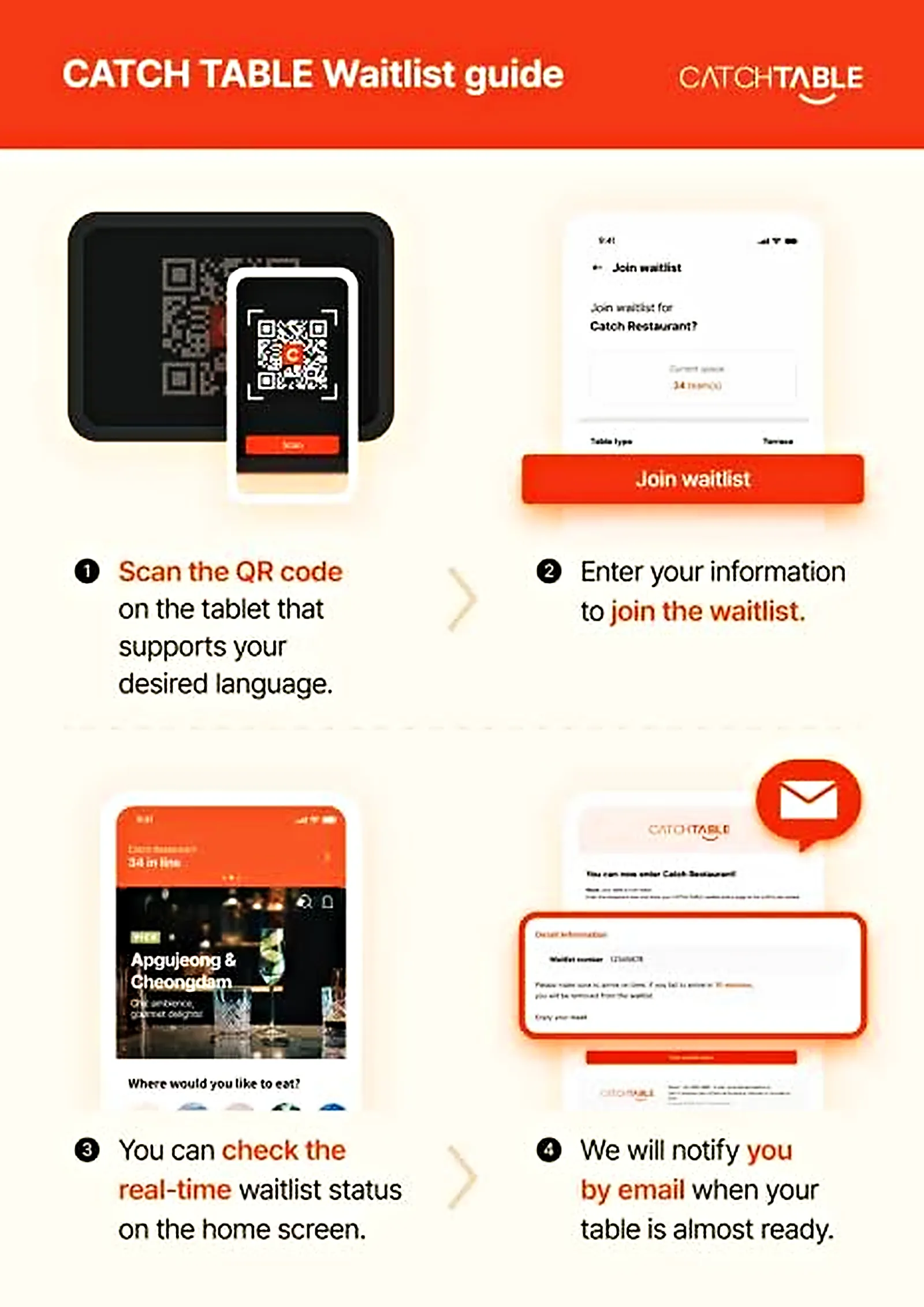
1. Catch Table
Korea's biggest restaurant reservation app, used by many of the most in-demand restaurants, including a lot of fine dining. There's a version aimed at international visitors, with English menus and foreign-card payment for deposits. This is your first stop.
2. Naver Reservation
Lots of restaurants take bookings directly on their Naver Map listing — look for a "Book" or "Reserve" button. It's worth checking even when a place isn't on Catch Table.
3. Waitlist apps and door kiosks
Casual but popular spots often don't take reservations at all. Instead there's a tablet by the door where you join a waitlist and get notified when your table's ready. Some of these send an SMS to a Korean number — if you don't have one, ask staff to call your name, or come back at the time they suggest.
How reservation drops work
Popular restaurants usually release their calendar all at once at a fixed time — often a set day of the month, or exactly a week or two ahead at a specific hour. Weekend dinner slots can be gone in minutes.
- Find the restaurant in Catch Table and check its "booking opens" info
- Set an alarm five minutes before the release time — in Korean time
- Be logged in with your card saved before it opens
- Book first, think later: take whatever slot you can get, then adjust
Deposits and no-show fees
A growing number of popular restaurants ask for a deposit or a card on file, with a fee if you don't show up. This is a response to no-shows, and restaurants take it seriously. If your plans change, cancel through the app as early as possible.
Walk-in strategies that actually work
- Arrive at opening time on a weekday. Many places hold a few tables back for walk-ins.
- Go for lunch instead of dinner. Same kitchen, easier booking, often a cheaper set menu.
- Eat at an odd hour. 2pm or 8:30pm is dramatically easier than 12:30pm or 7pm — but check for mid-afternoon break times.
- Sit at the bar. Counter seats are often kept for walk-ins.
Your hotel is a secret weapon
Concierge desks at mid-range and upscale hotels will often call a restaurant for you — very useful for places that only take phone bookings in Korean.
Which restaurants actually need this?
Honestly? Very few of your meals. Save the booking effort for:
- A special-occasion or tasting-menu dinner
- The one viral restaurant you've been dreaming about
- Popular brunch spots on weekends
Everything else — BBQ, noodles, stews, markets, convenience stores — just turn up.
Booking step by step
The first booking is the fiddly one. After that, it takes a minute.
- Create an account with your email and set the app to English
- Add a payment card if you're booking restaurants that take deposits
- Search by the restaurant's name — try both the English and Korean names
- Pick a date, time and party size. Some restaurants only show slots once bookings open
- Confirm and screenshot the booking. Show it at the door if staff ask
- Watch for reminders. Some restaurants ask you to confirm a day or two before
How to judge a restaurant in Korea
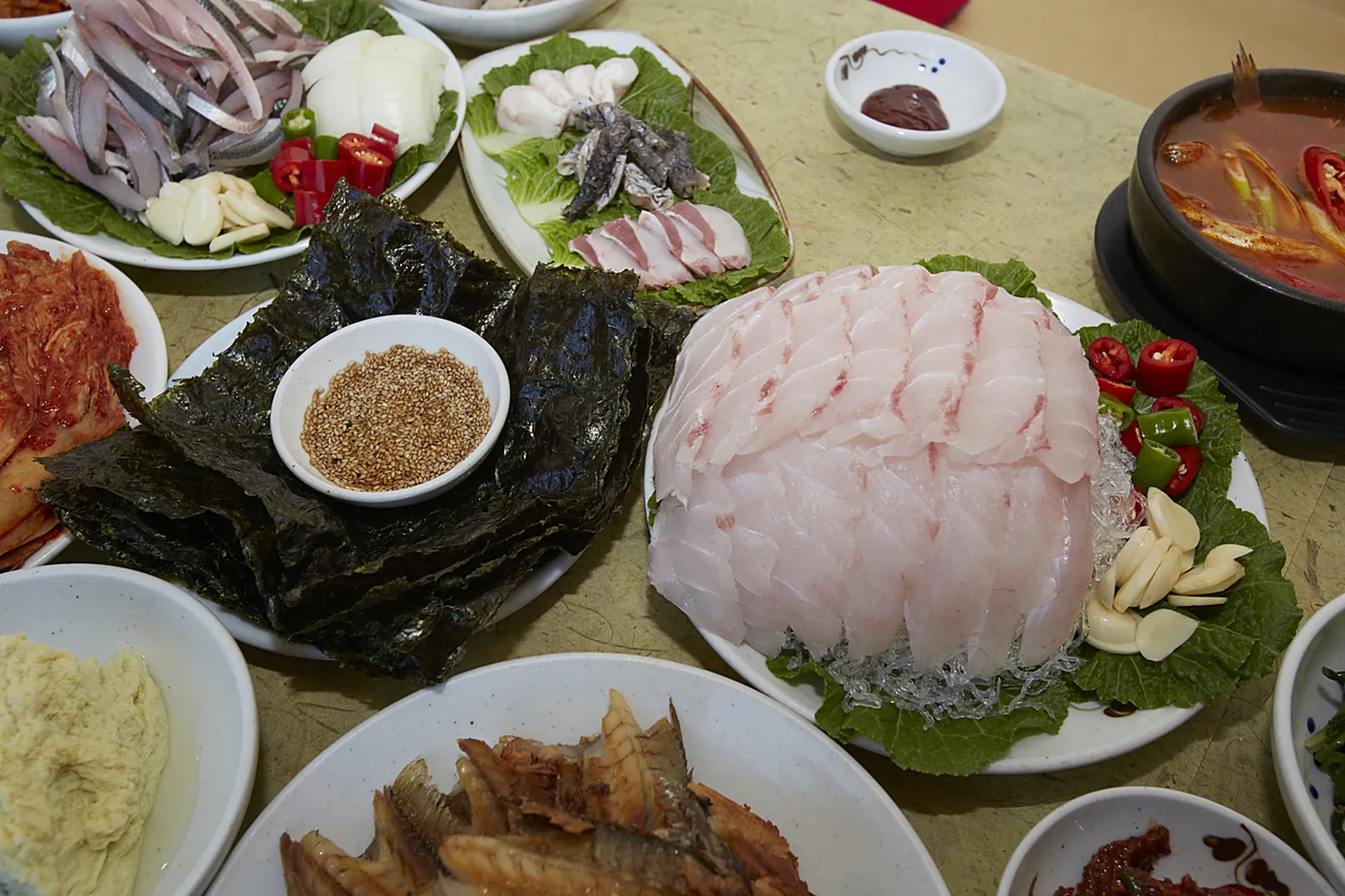
International review sites don't cover Korean restaurants very well. Locals use:
- Naver Map reviews and blog posts — search the restaurant name and read a few recent posts (Papago translates them)
- Instagram — useful for seeing the actual dishes and how busy it gets
- Guides — the Michelin Guide Seoul and Korean guides like the Blue Ribbon Survey list many of the restaurants that are hardest to book
A long queue of locals at lunchtime is still one of the most reliable signs you'll find.
Etiquette at popular restaurants
- Be on time. Tables are often released after 10–15 minutes
- Expect time limits. Busy places may give you 90 minutes or so, especially at dinner
- Ask before filming. Photos of your food are fine almost everywhere; filming staff or other diners isn't
- Order for the table. Many Korean dishes are designed to share — a group ordering one dish each can be awkward at places that cook for the whole table
If plans change
Cancel through the app as early as you can. Deposit refunds depend on the restaurant's policy, which is shown when you book — read it before you pay. If you're running late, message the restaurant through the app or ask your hotel to call.
Frequently asked questions
Do I need to speak Korean?
No. The apps work in English, and most booking flows are self-service.
Can I book for a big group?
Online bookings are often capped at around 4–6 people. For more, call (or ask your hotel to call).
What if I'm running late?
Many restaurants hold a table for 10–15 minutes before releasing it. If the app lets you message the restaurant, do; otherwise call.
Is a no-show really a big deal?
Yes — it's a genuine problem for small Seoul restaurants, and some now charge fees for it. Cancel if you can't make it.