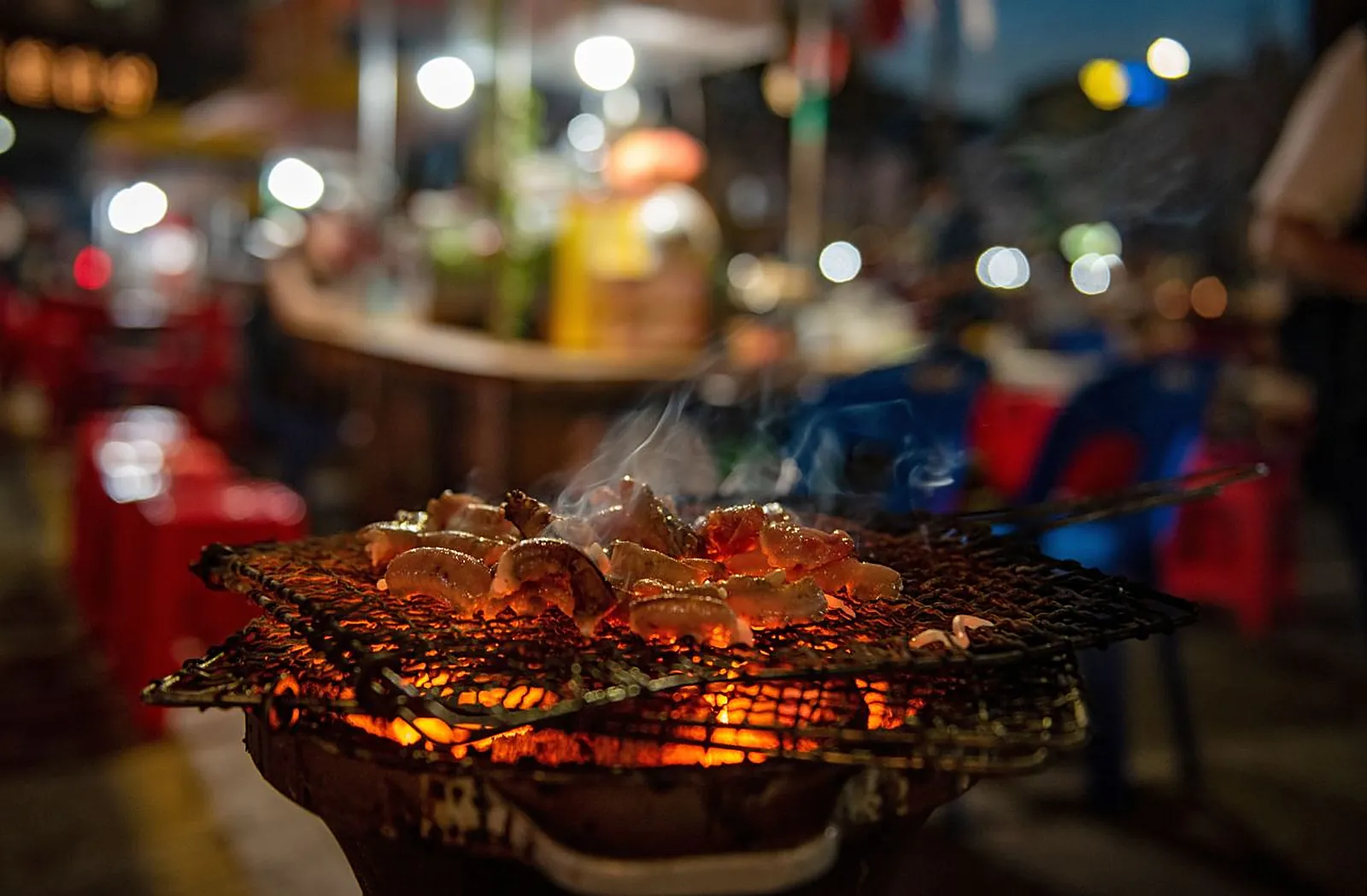
You can eat very well in Seoul without ever sitting down. Street food stalls cluster around markets, subway exits and busy shopping streets, and most snacks cost just a few thousand won. This is the list we'd hand to a friend on their first night.
The classics
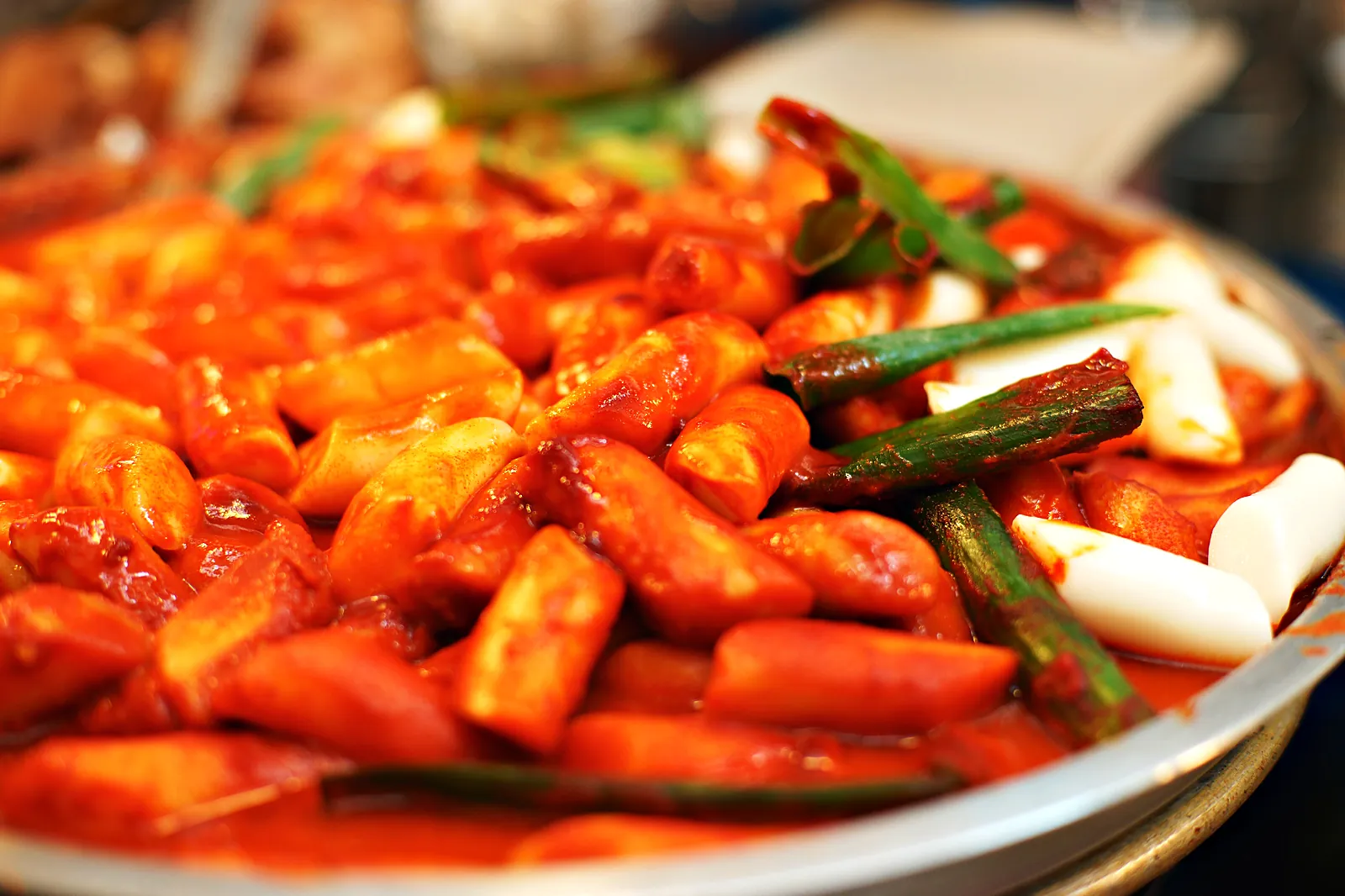
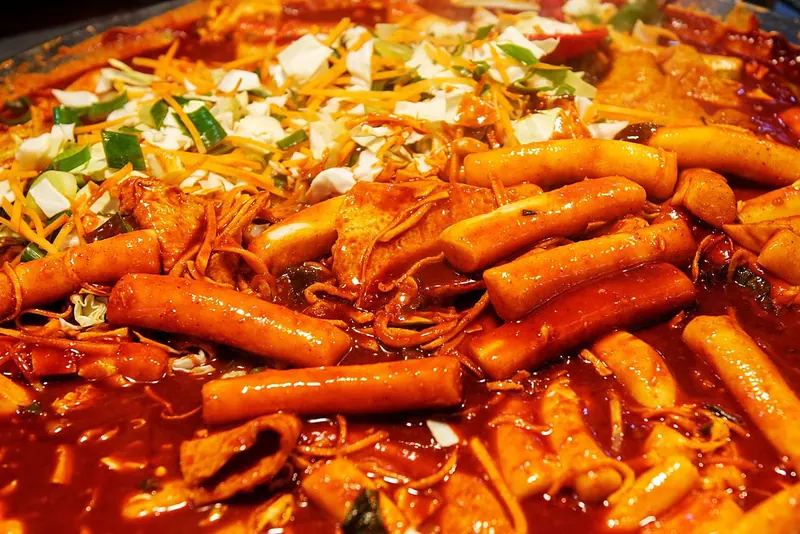
Tteokbokki (떡볶이) — chewy rice cakes simmered in a sweet, spicy red sauce, often with fish cakes and a boiled egg. The single most iconic Korean street food. Spice levels vary; ask for a taste if you're unsure.
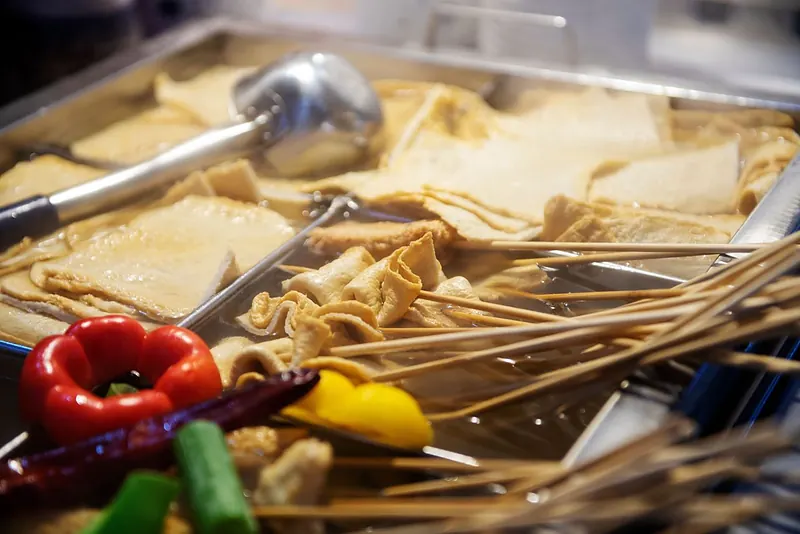
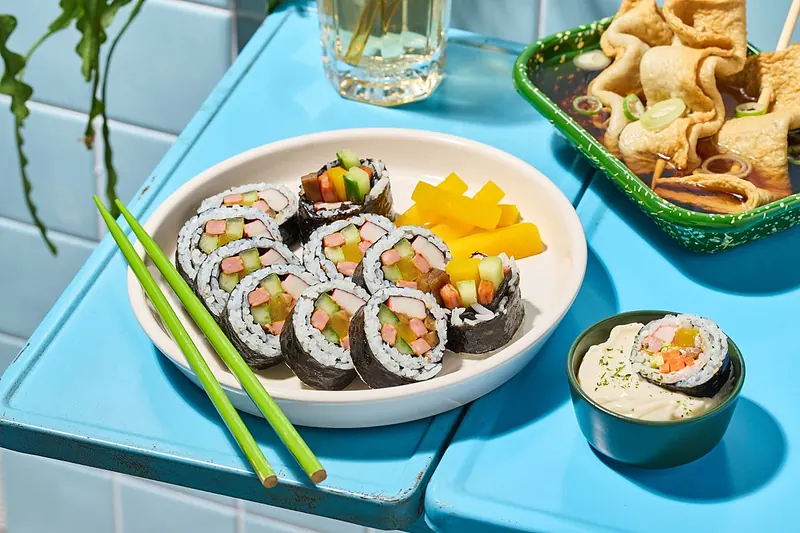
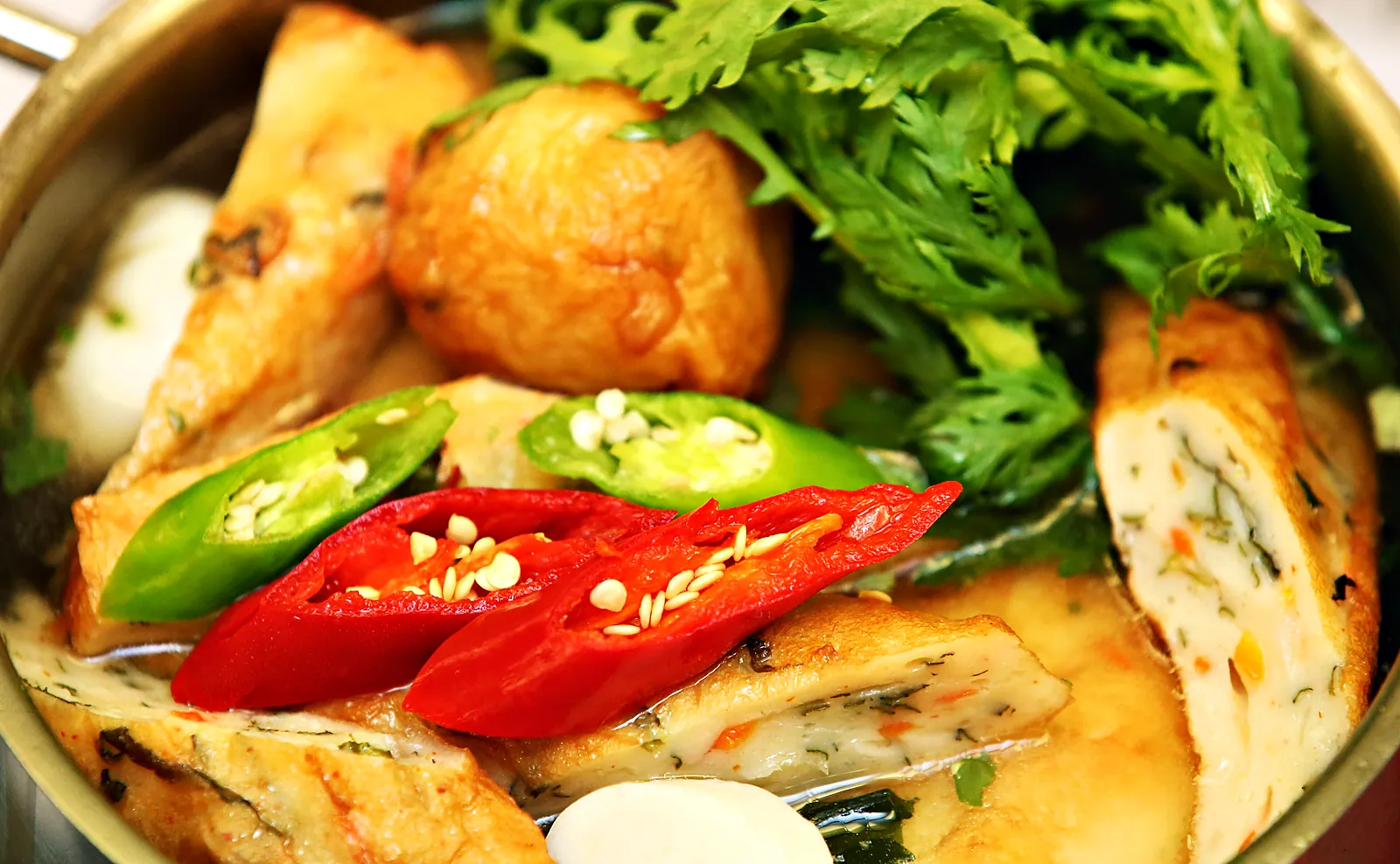
Eomuk / odeng (어묵) — fish cake skewers simmering in a light broth. Grab a skewer, eat it standing, and sip the broth from a paper cup — it's usually free. You pay for the number of skewers you take, so keep the sticks.
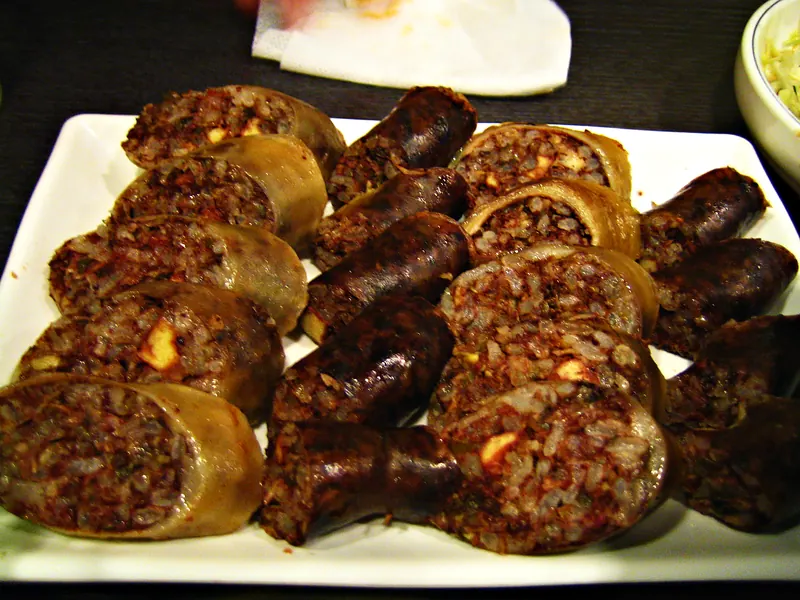
Sundae (순대) — Korean blood sausage stuffed with glass noodles, served sliced with salt and sometimes liver and lung. More adventurous, and very popular.
Twigim (튀김) — tempura-style fried vegetables, seaweed rolls, squid and dumplings. Dip them in tteokbokki sauce.
Sweet things
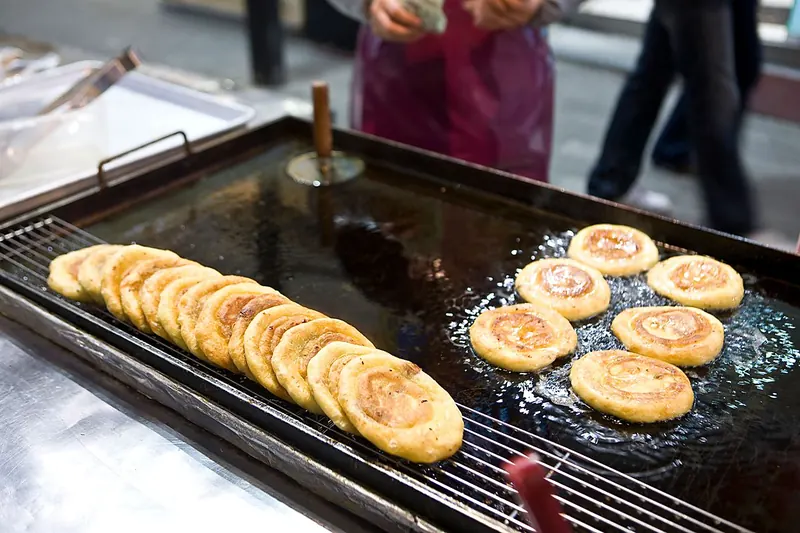
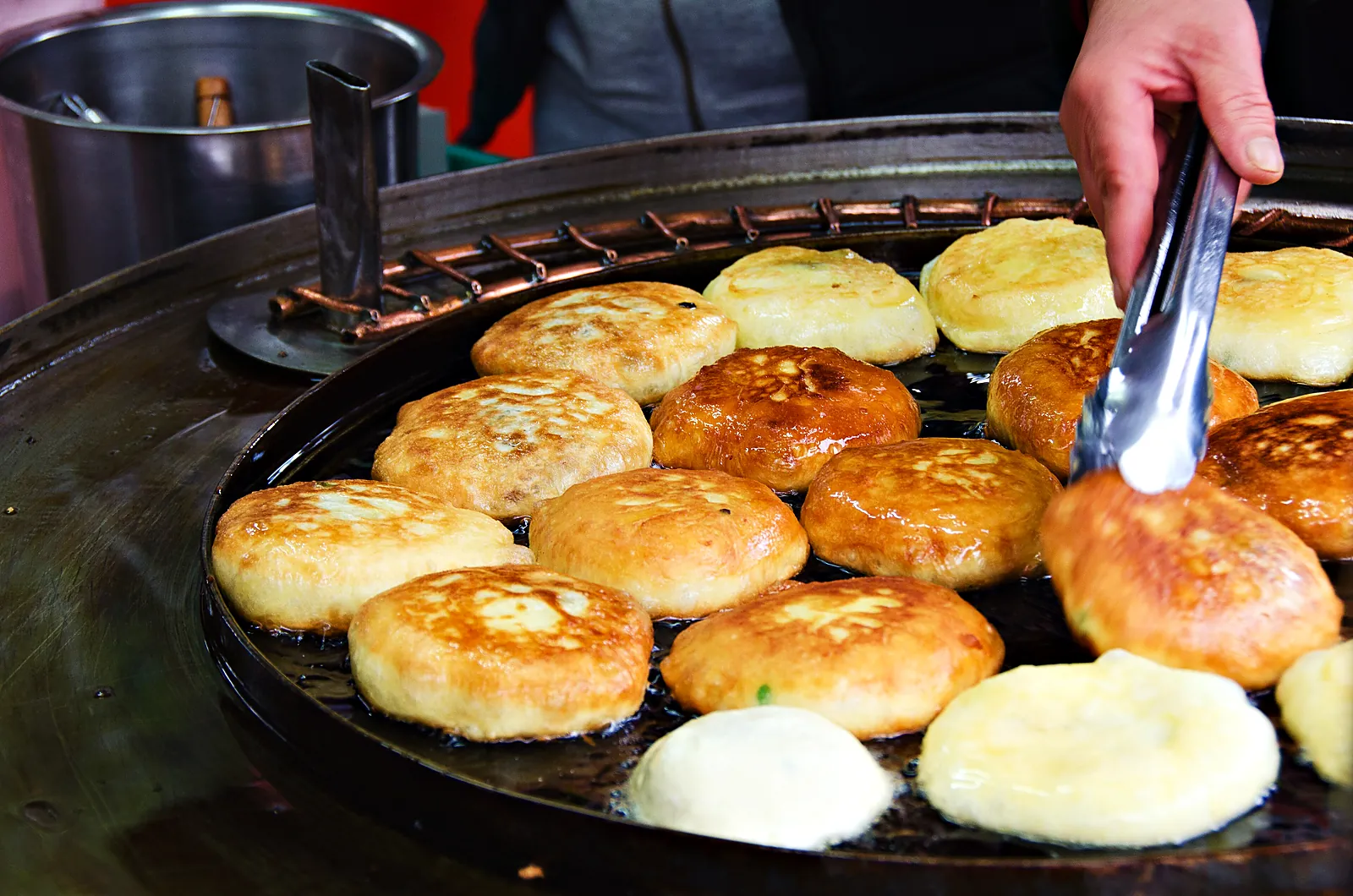
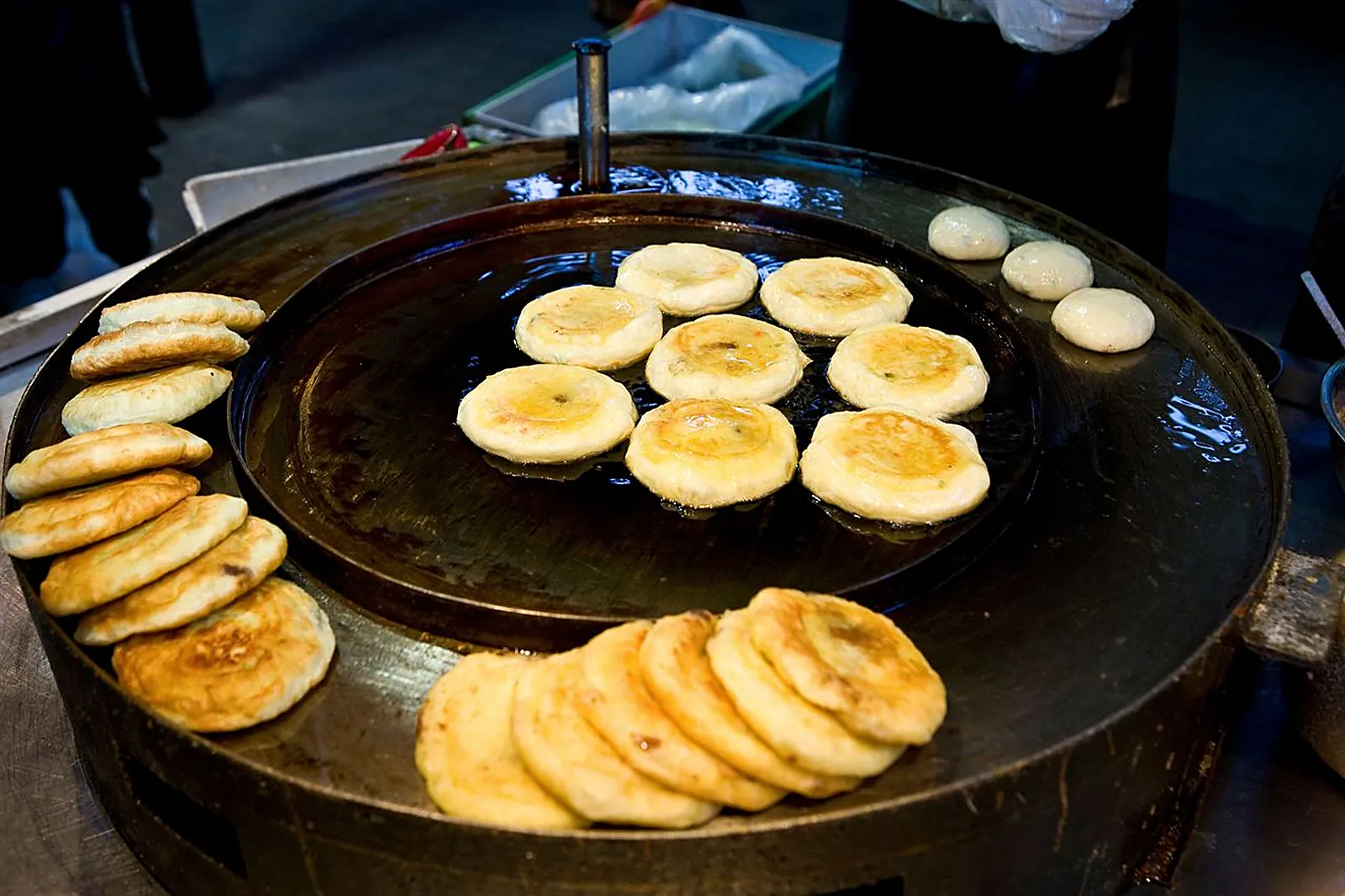
Hotteok (호떡) — a pan-fried pancake filled with brown sugar, cinnamon and nuts. The filling is molten — let it cool for a minute. A winter favourite.
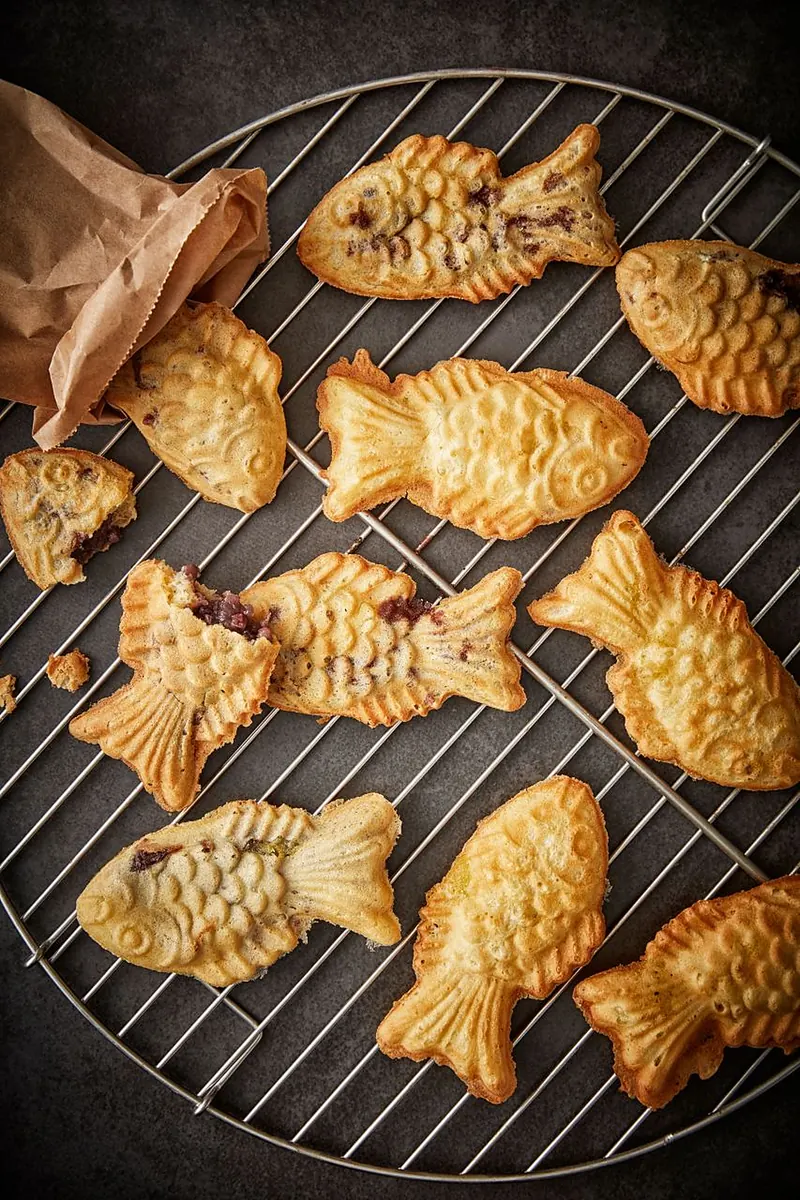
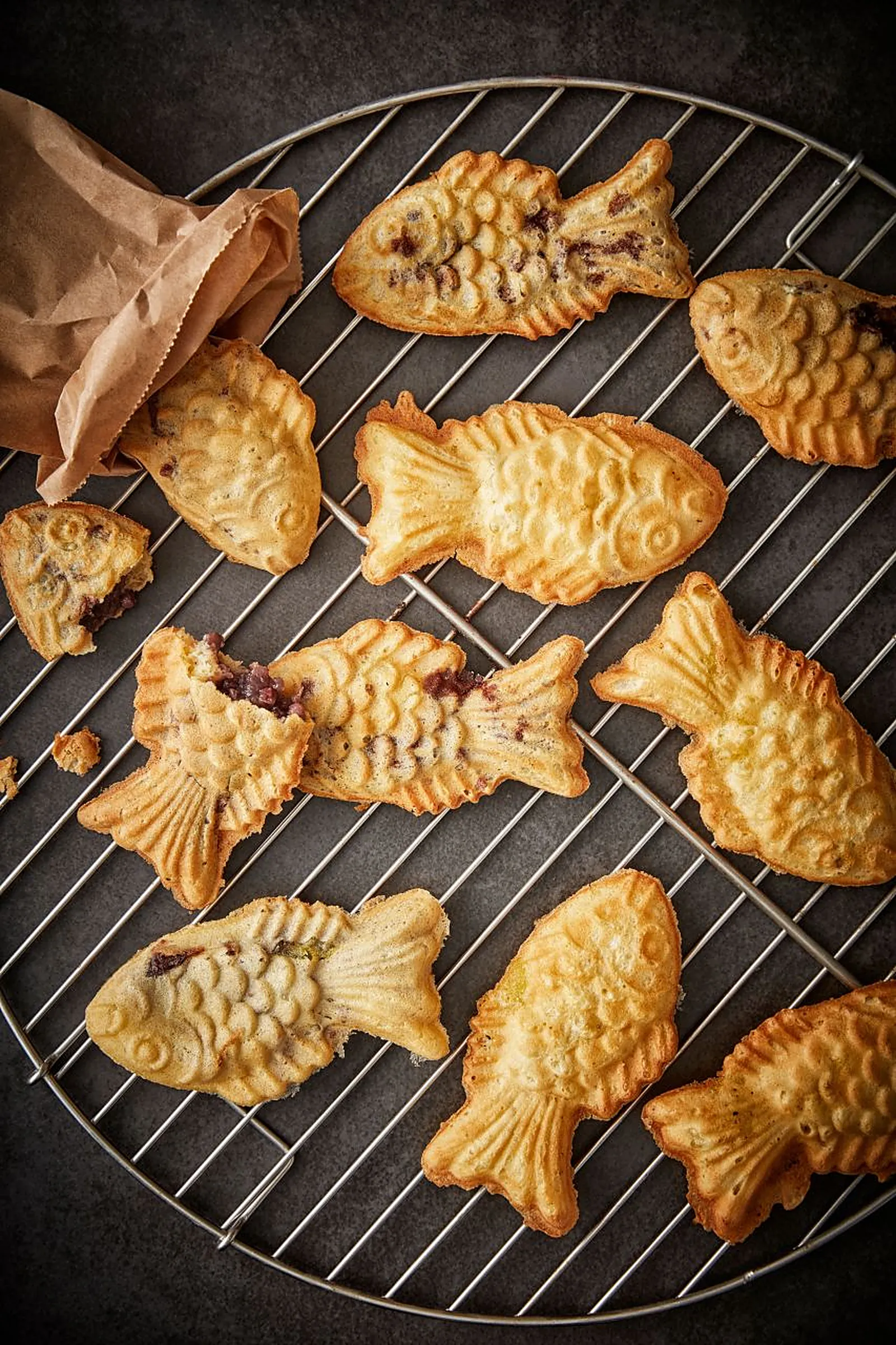
Bungeoppang (붕어빵) — fish-shaped waffle-like bread filled with sweet red bean paste (or custard). Sold from small carts in the colder months.
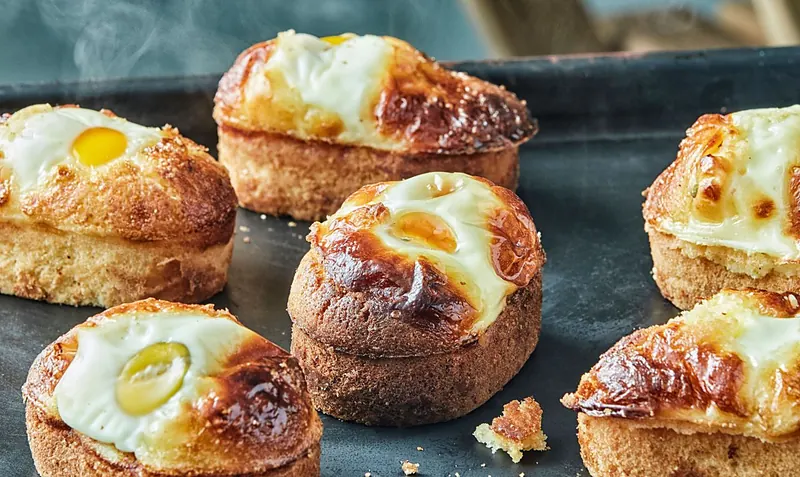
Gyeran-ppang (계란빵) — a soft, slightly sweet bread with a whole egg baked on top.
Dalgona / ppopgi (달고나) — thin honeycomb toffee with a shape pressed into it. Famous worldwide after a certain TV show; try to break the shape out without cracking it.
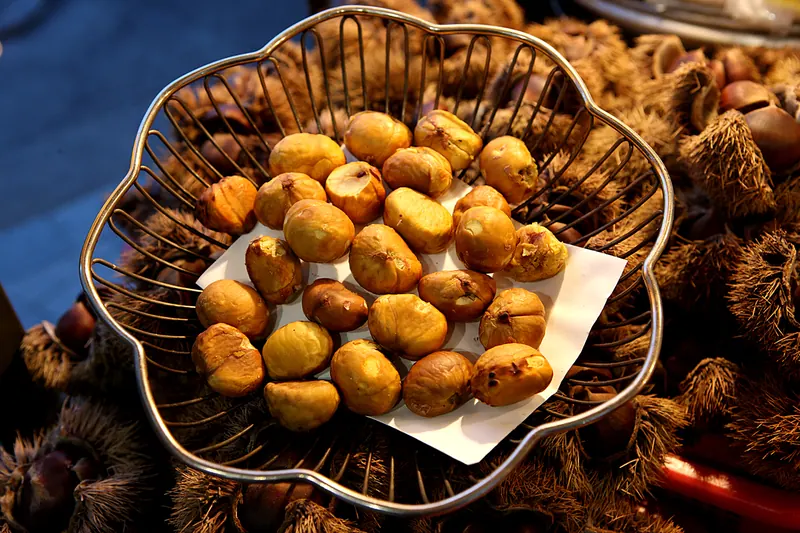
Roasted chestnuts and sweet potatoes — sold from carts in winter, often in a paper bag you can use to warm your hands.
The newer favourites
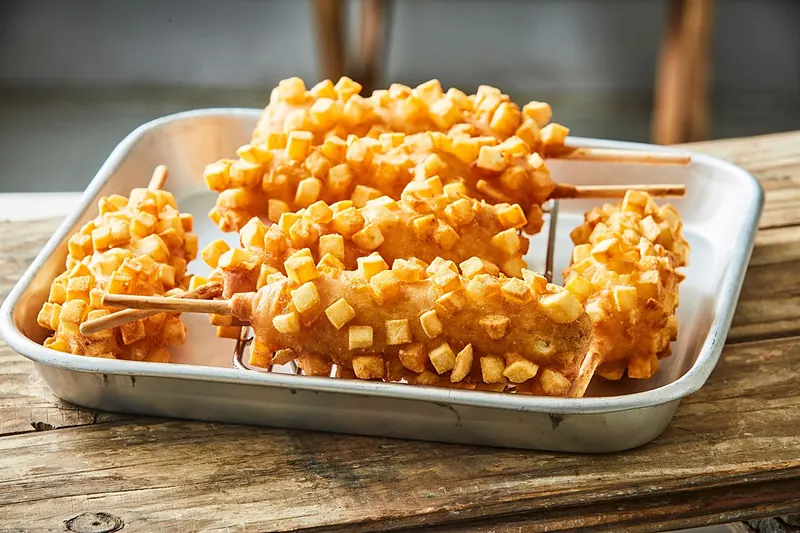
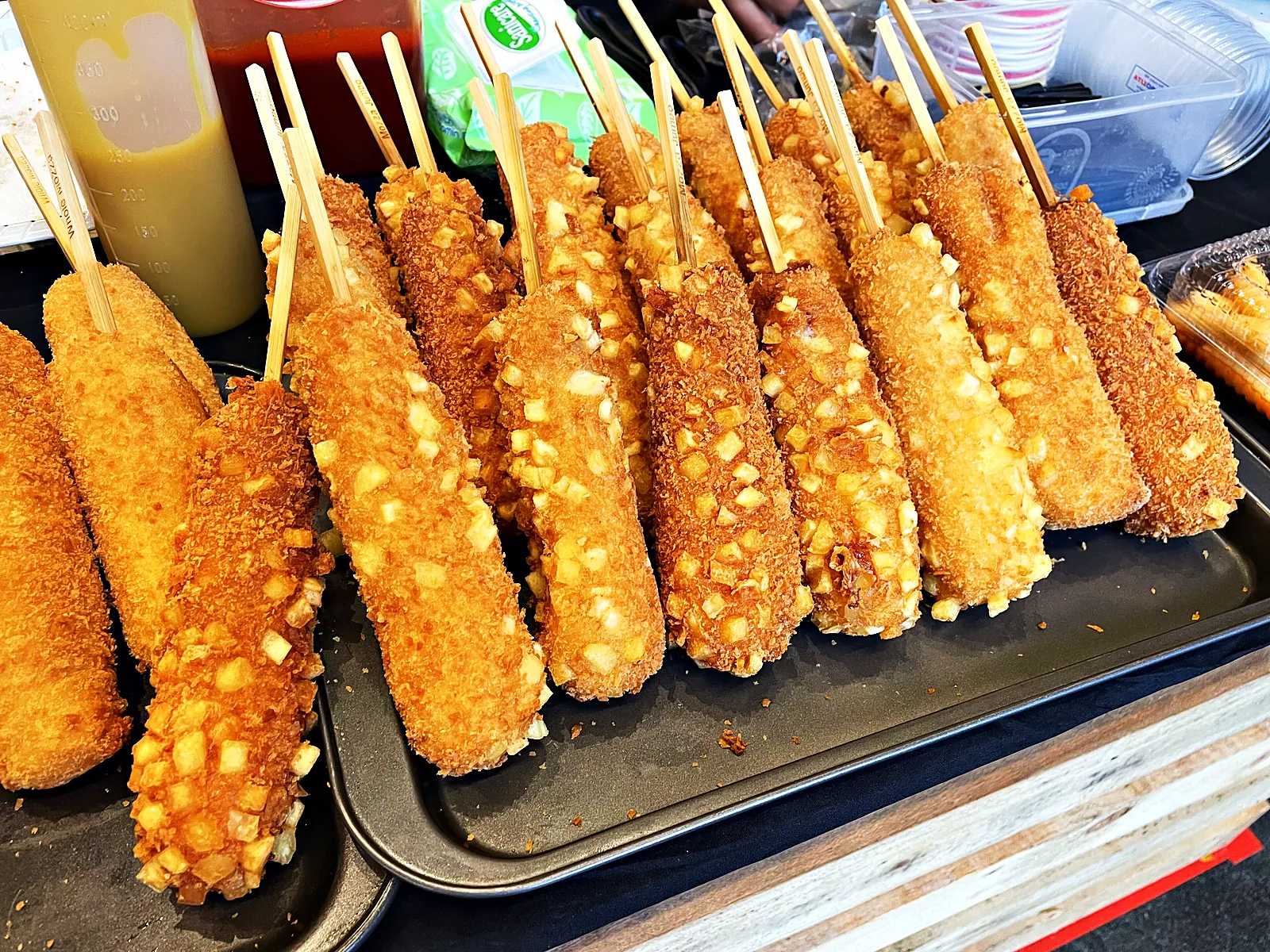
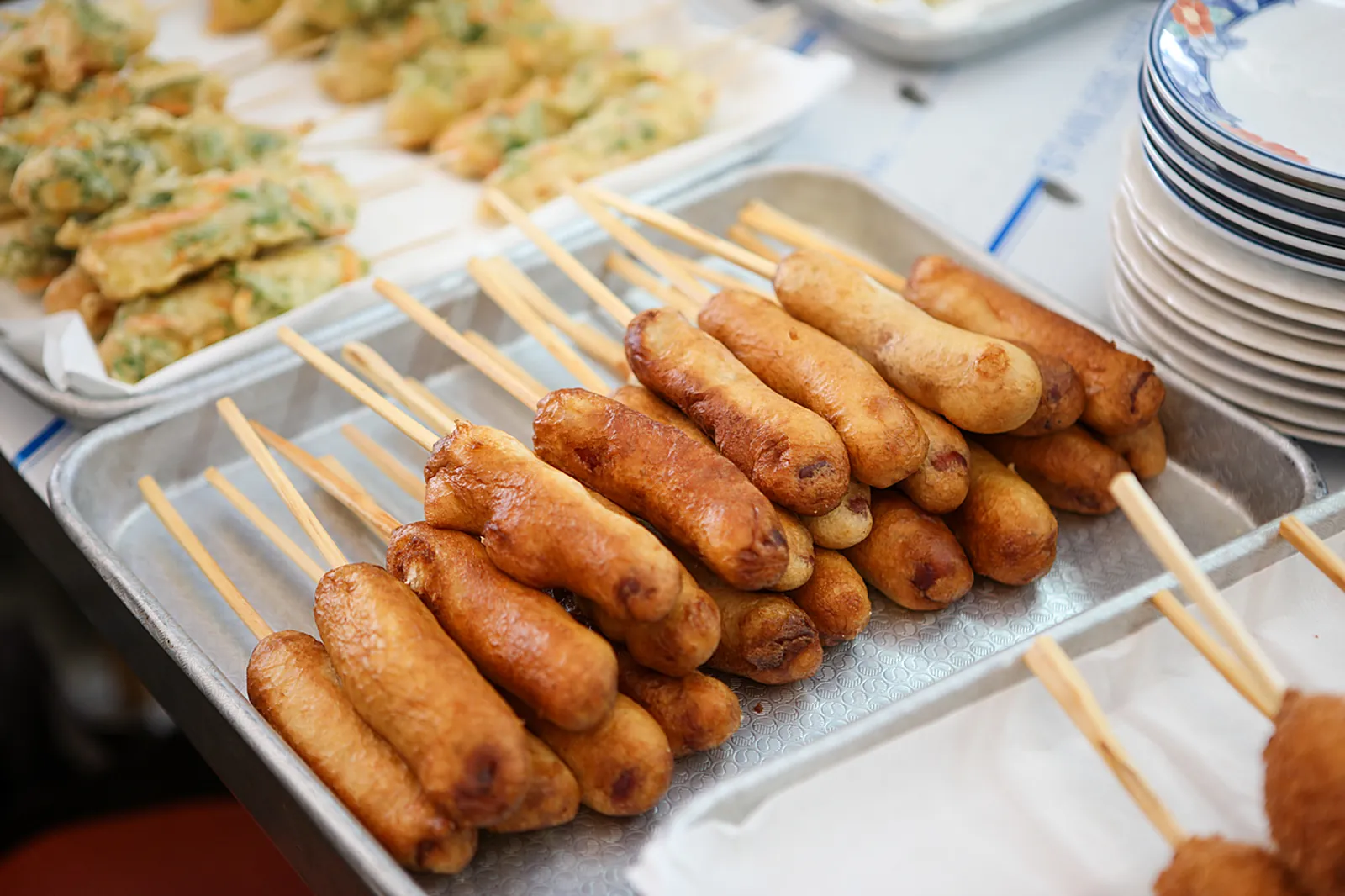
- Korean corn dog (핫도그) — a hot dog or mozzarella stick in a thick batter, sometimes rolled in diced potato, fried and dusted with sugar. Add ketchup and mustard
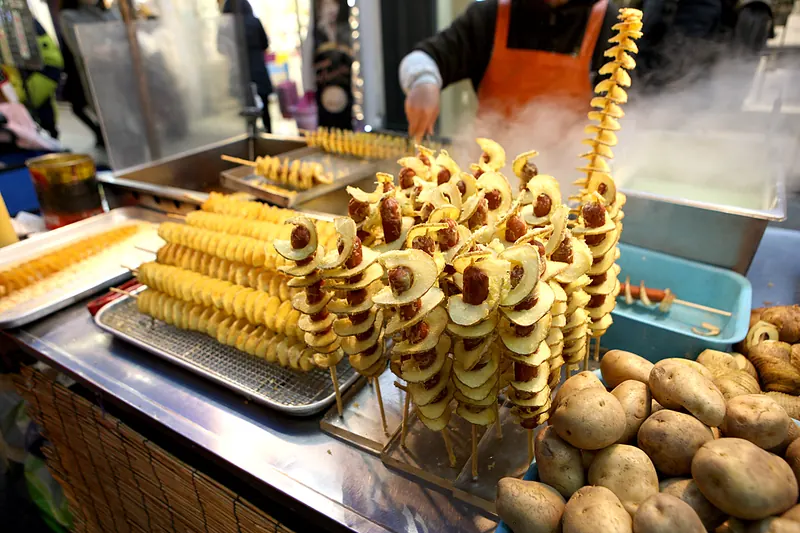
- Tornado potato — a whole potato spiral-cut onto a stick and fried
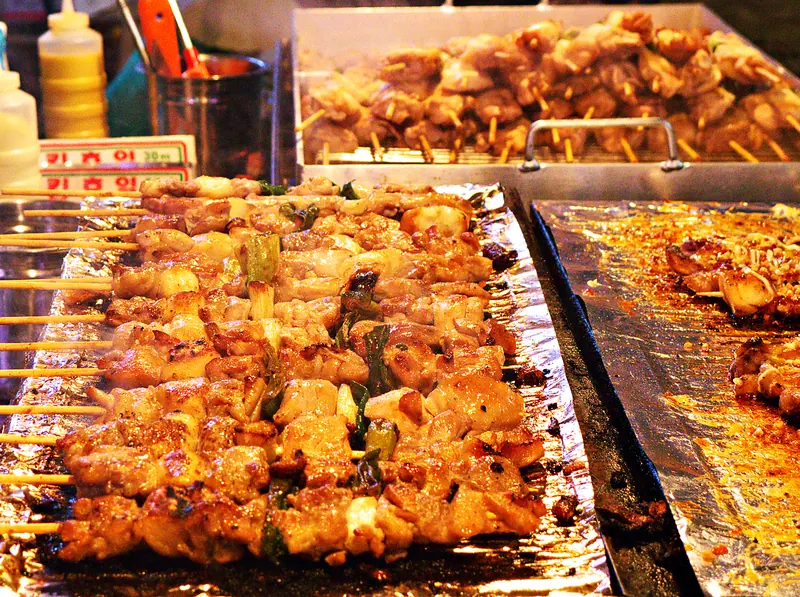
- Dakkochi (닭꼬치) — grilled chicken skewers with a sticky sweet-spicy glaze
- Grilled lobster and cheese — the flashy, pricier option at tourist streets like Myeongdong
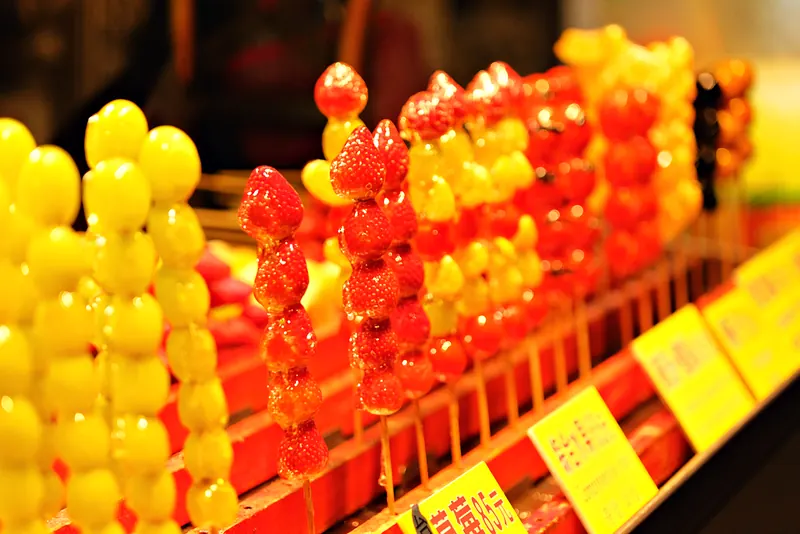
- Fruit skewers and strawberry candy — fresh fruit coated in a thin sugar shell
Where to find the best street food
- Myeongdong — the main street fills with stalls from late afternoon. Huge choice, a little more expensive, very lively (guide)
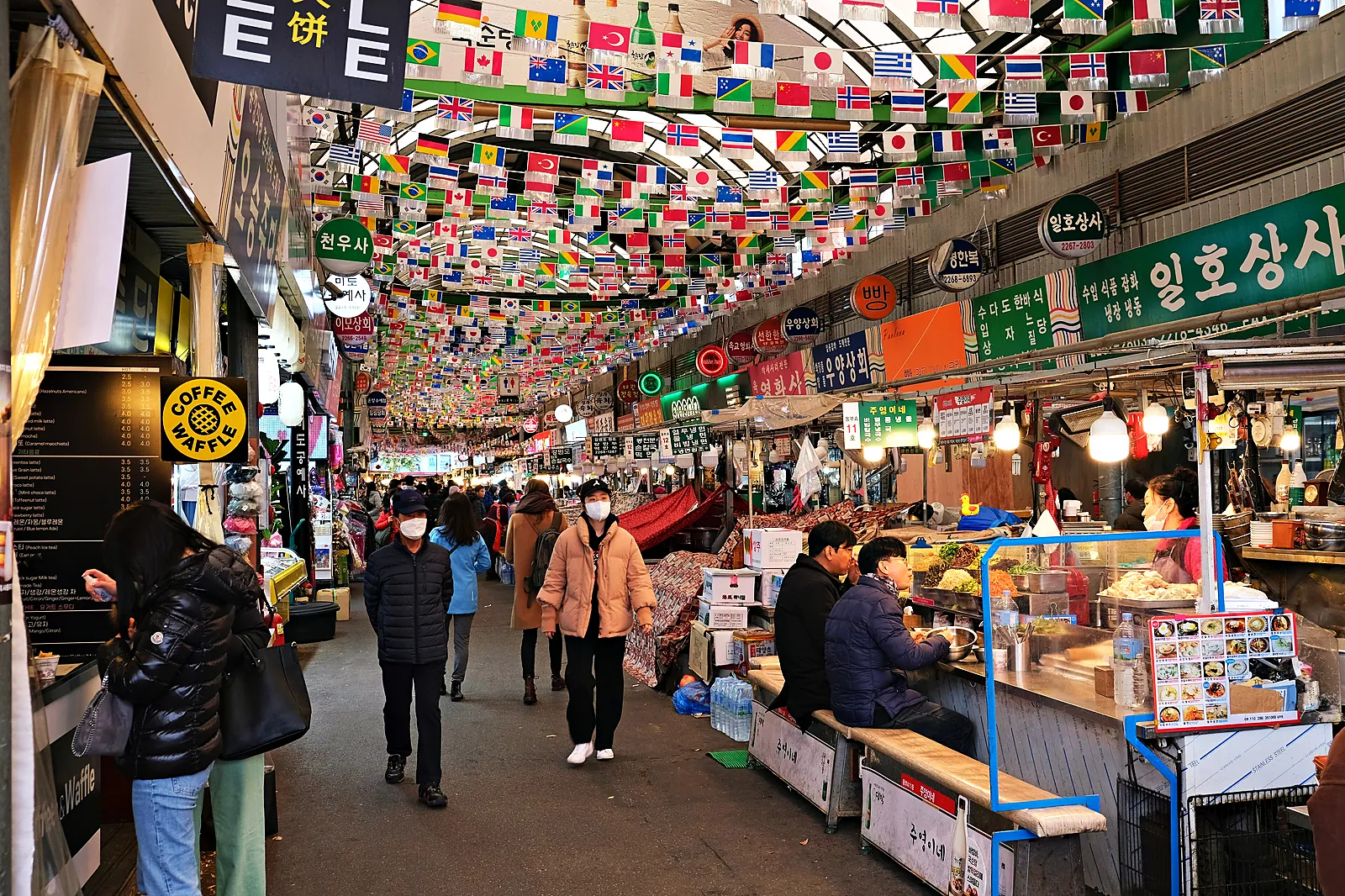
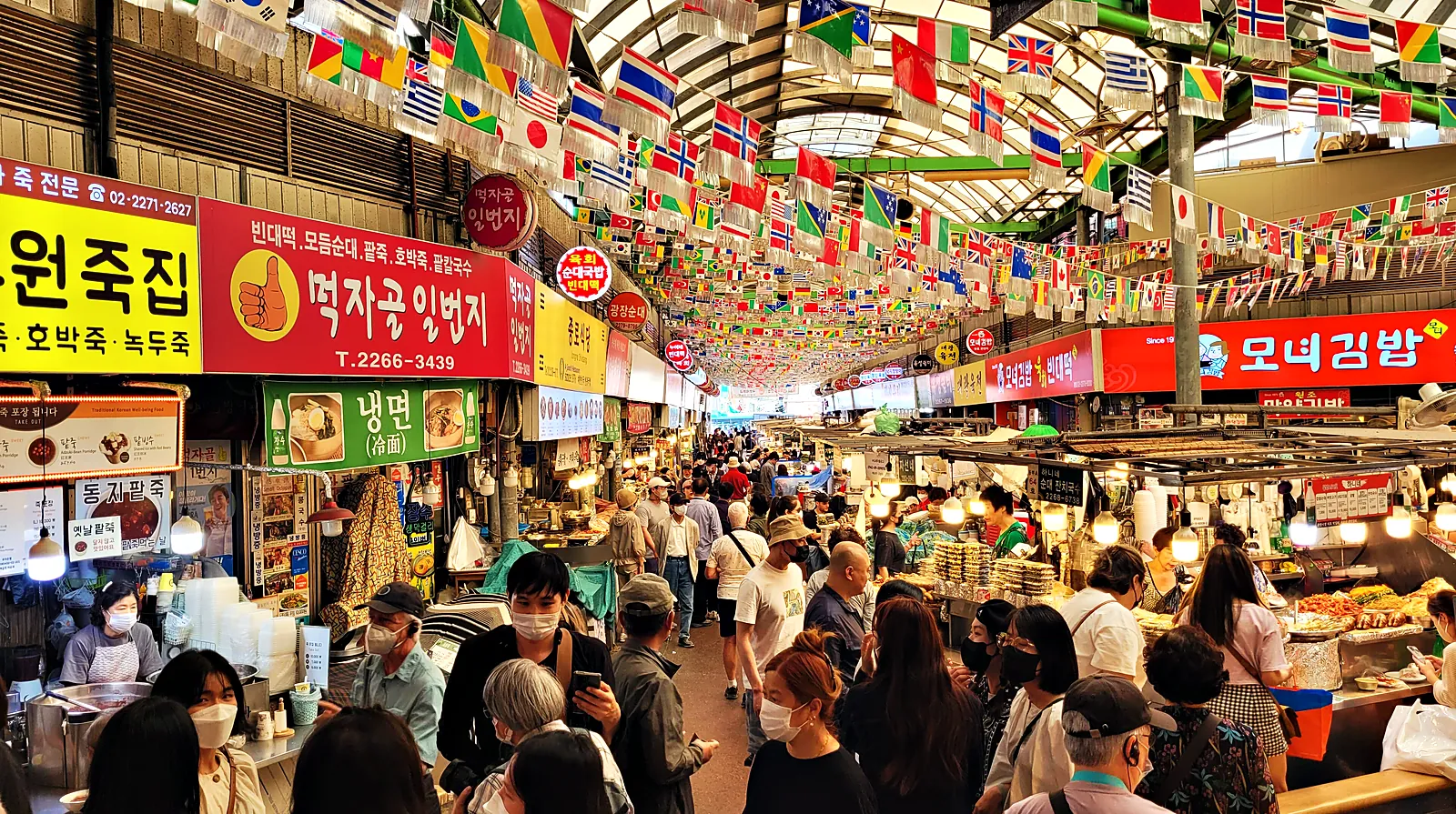
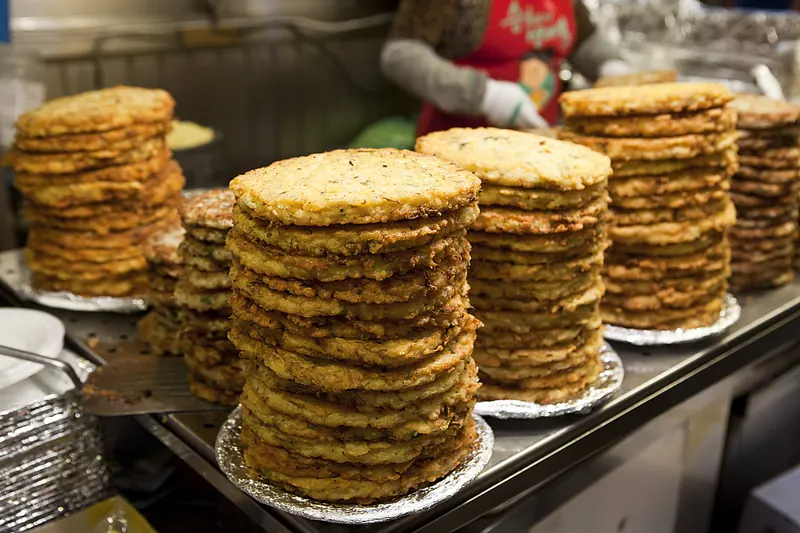
- Gwangjang Market — traditional market food: bindaetteok, mayak gimbap and more (guide)
- Namdaemun Market — food alleys and snack stalls near Myeongdong, with famous hotteok and noodle stalls
- Tongin Market — the coin-lunch-box market near Gyeongbokgung
- Near any busy subway exit — the everyday tteokbokki and fish cake stalls where locals actually eat
Pojangmacha: street tent bars
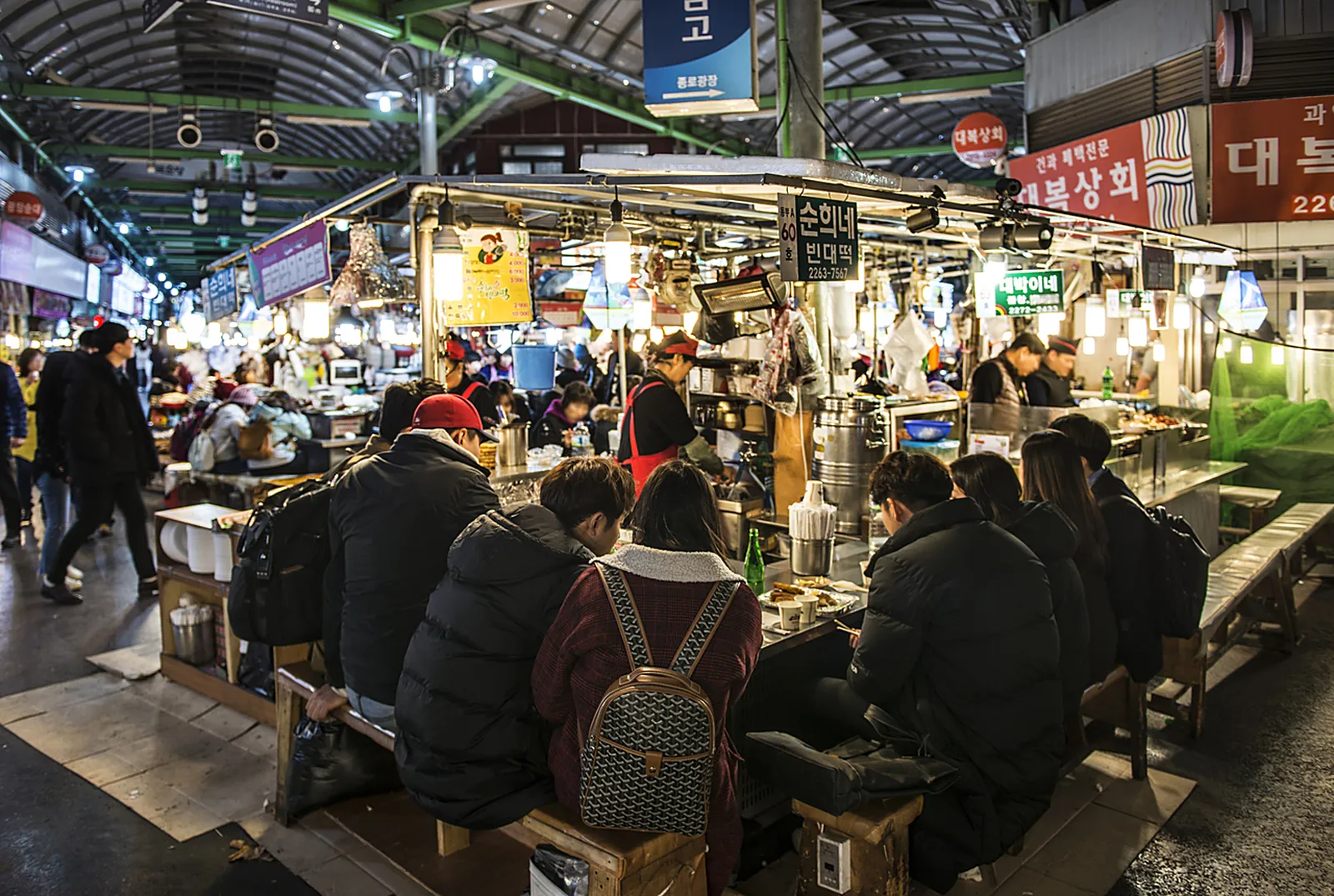
A pojangmacha is an orange-tented street bar serving food and soju late into the night. They're a classic of Korean dramas and still found in areas like Jongno and some nightlife districts. Sit down, order a few dishes and a drink, and stay a while. Prices are usually on a board — check before you order.
How to order and eat
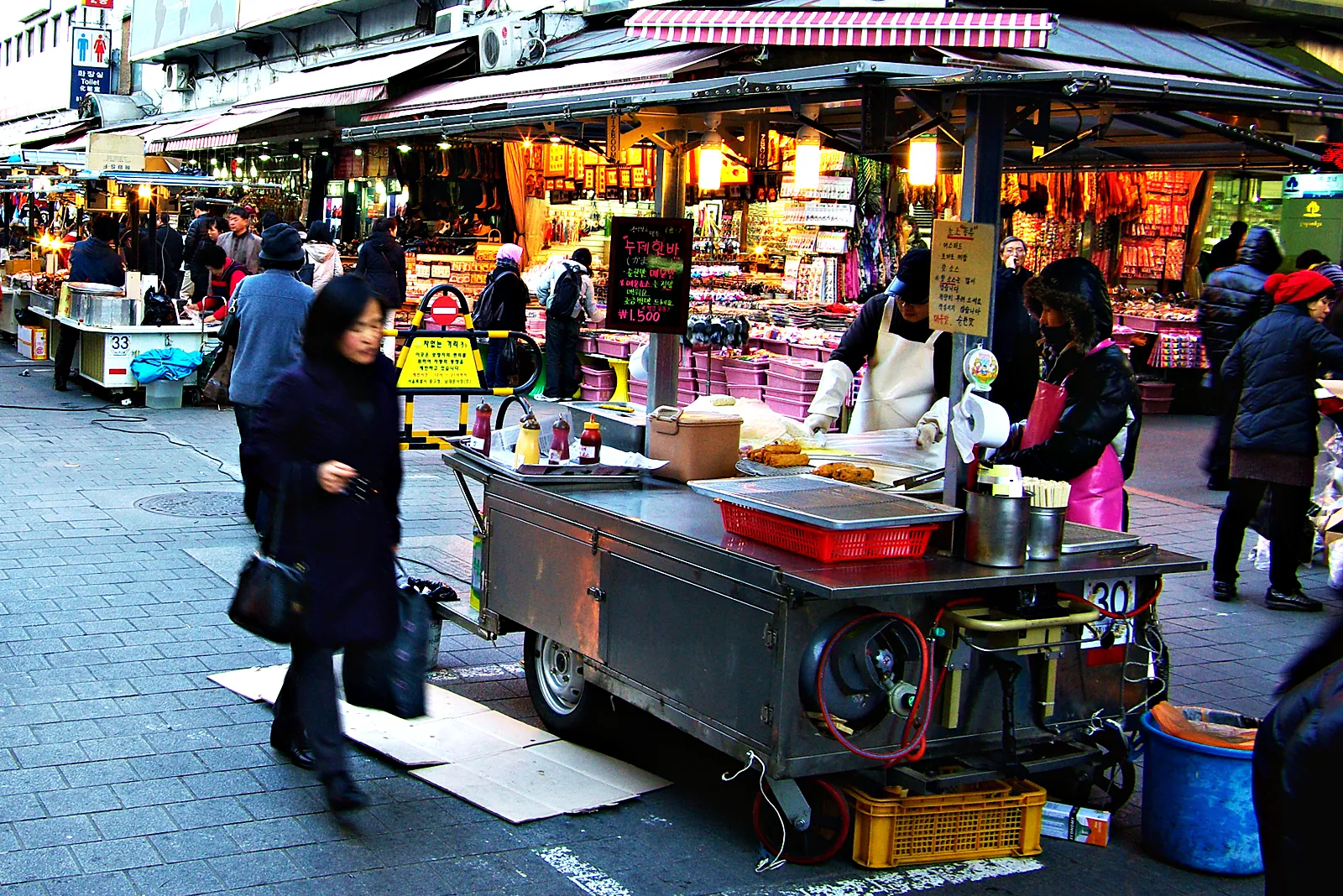
- Point at what you want — or use the menu board
- Pay at the stall, usually right away. Cash is easiest; many stalls take cards now
- Eat standing at the stall, or walk a few steps to the side
- Return skewers and cups to the containers at the stall
- Take rubbish with you — public bins are rare, so carry a small bag
Street food and dietary needs
Many snacks contain fish, meat or seafood-based broth, even when they look vegetarian. Hotteok, bungeoppang, gyeran-ppang (if you eat eggs), chestnuts and sweet potatoes are usually safe for vegetarians. For allergies, show a card in Korean — see our phrases guide.
A street-food calendar
What you'll find changes with the seasons:
- Spring: strawberry candy skewers, fresh fruit cups and lighter snacks as the weather warms
- Summer: shaved-ice desserts (bingsu) in cafés, cold drinks and fruit — hot stalls are quieter in the heat
- Autumn: roasted chestnuts appear, and the first hotteok carts start up on cool evenings
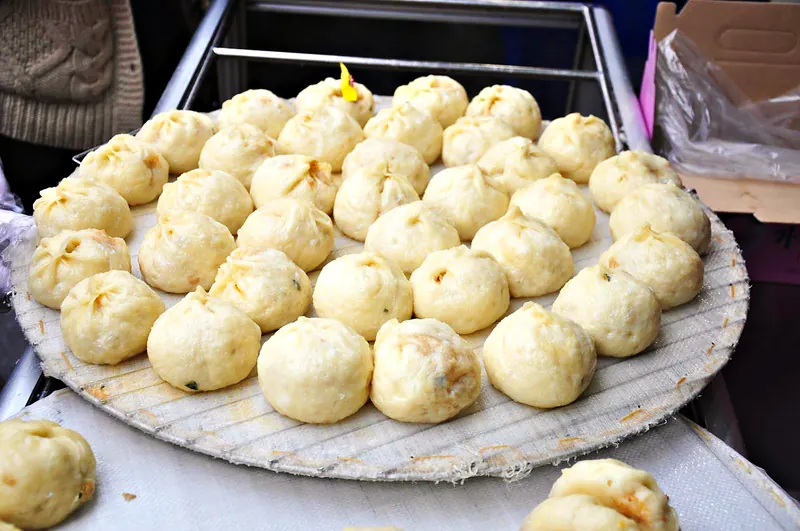
- Winter: peak street-food season — hotteok, bungeoppang, roasted sweet potatoes, fish cake broth and steaming dumplings
A three-stop street-food crawl
- Start savoury: tteokbokki and a couple of fish cake skewers — share a portion
- Something fried: a Korean corn dog or a plate of twigim dipped in tteokbokki sauce
- Finish sweet: hotteok in winter, or gyeran-ppang and a fruit skewer the rest of the year
It's cheap, filling and a great way to try several things in one evening. Myeongdong and the markets are the easiest places to do it.
Our honest take
Street food is one of the best ways to eat in Seoul — cheap, delicious and social. But it's snacking, not dining.
Go for it if:
- You want to try lots of things in one evening
- You're travelling on a budget
- You love busy markets and food streets
Don't rely on it if:
- You want a proper sit-down meal every night — mix it with restaurants
- You have strict dietary needs — ingredients are hard to check
Our tip: do one street-food "crawl" night — tteokbokki and fish cakes first, a corn dog, then something sweet — in Myeongdong or a market. Share everything so you can try more.
Frequently asked questions
Is street food safe to eat?
Yes. Stalls in busy areas turn food over quickly. Choose busy stalls and hot, freshly cooked food.
How much should I budget?
Most snacks cost a few thousand won each. A filling street-food dinner for one is usually cheaper than a restaurant meal.
Can I pay by card?
More and more stalls accept cards, but cash is still the safest option.
When is street food available?
Most stalls open from late afternoon into the evening. Markets are best from late morning to early evening.