Seoul's traditional markets are where the city still shops and eats the old way: narrow covered alleys, stall owners who've been at the same spot for decades, and food cooked in front of you. Each market has its own personality, and they're easy to reach by subway. Here's how they differ, so you can pick the one that fits your day, or string two together.
Which market for what
| Market | Best for | Nearest station |
|---|---|---|
| Gwangjang | Food: bindaetteok, mayak gimbap, yukhoe | Jongno 5-ga (Line 1) |
| Namdaemun | Street snacks, souvenirs, cheap everything | Hoehyeon (Line 4) |
| Tongin | A coin lunchbox, oil tteokbokki | Gyeongbokgung (Line 3) |
| Mangwon | Local snacks, a Han River picnic | Mangwon (Line 6) |
| Noryangjin | Seafood you choose and eat on the spot | Noryangjin (Line 1, Line 9) |
| Gyeongdong | Herbal medicine, ginseng, dried goods | Jegi-dong (Line 1) |
| Dongdaemun | Fabric, fashion, late-night shopping | Dongdaemun History & Culture Park (Lines 2, 4, 5) |
Gwangjang Market
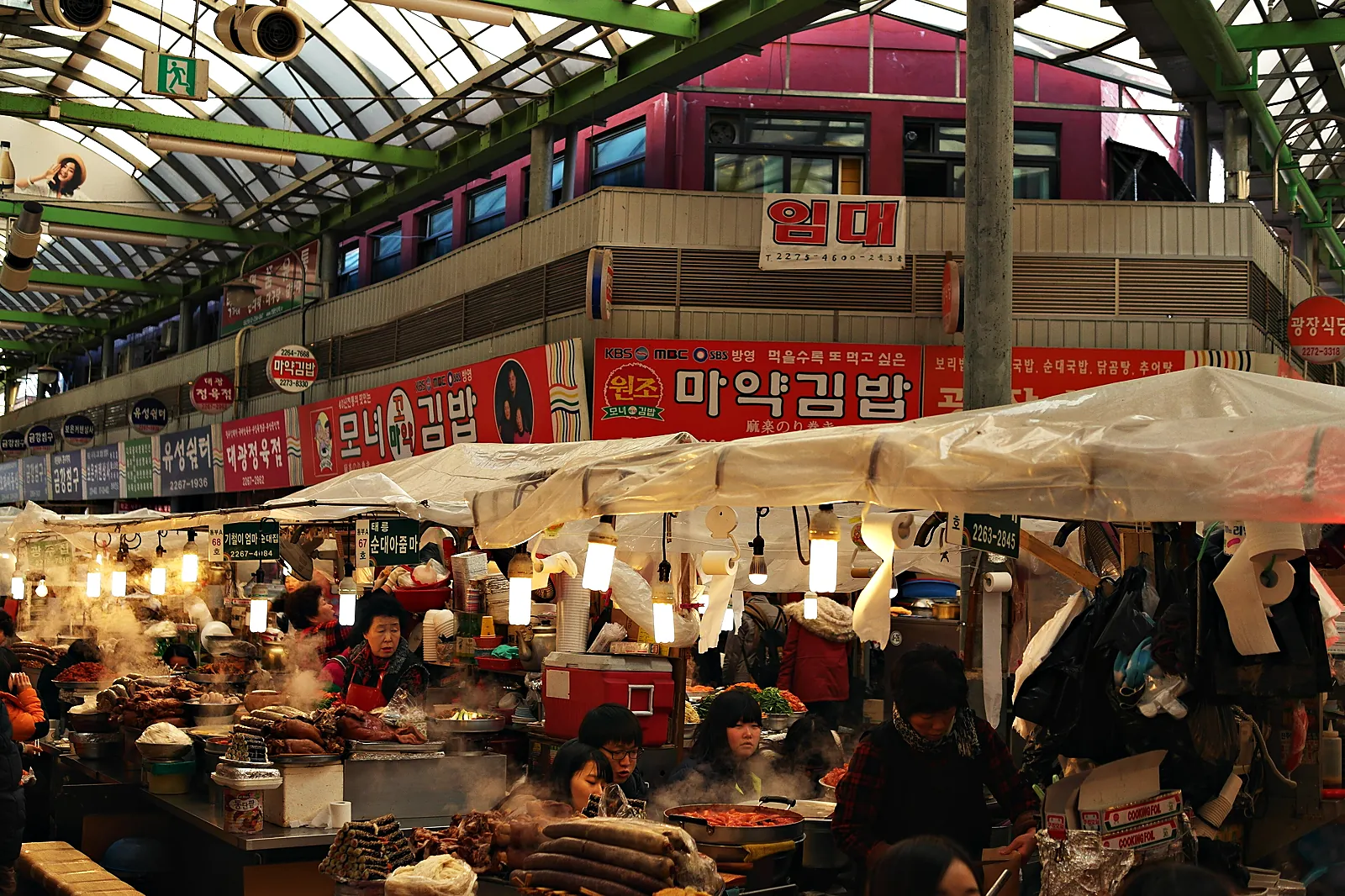
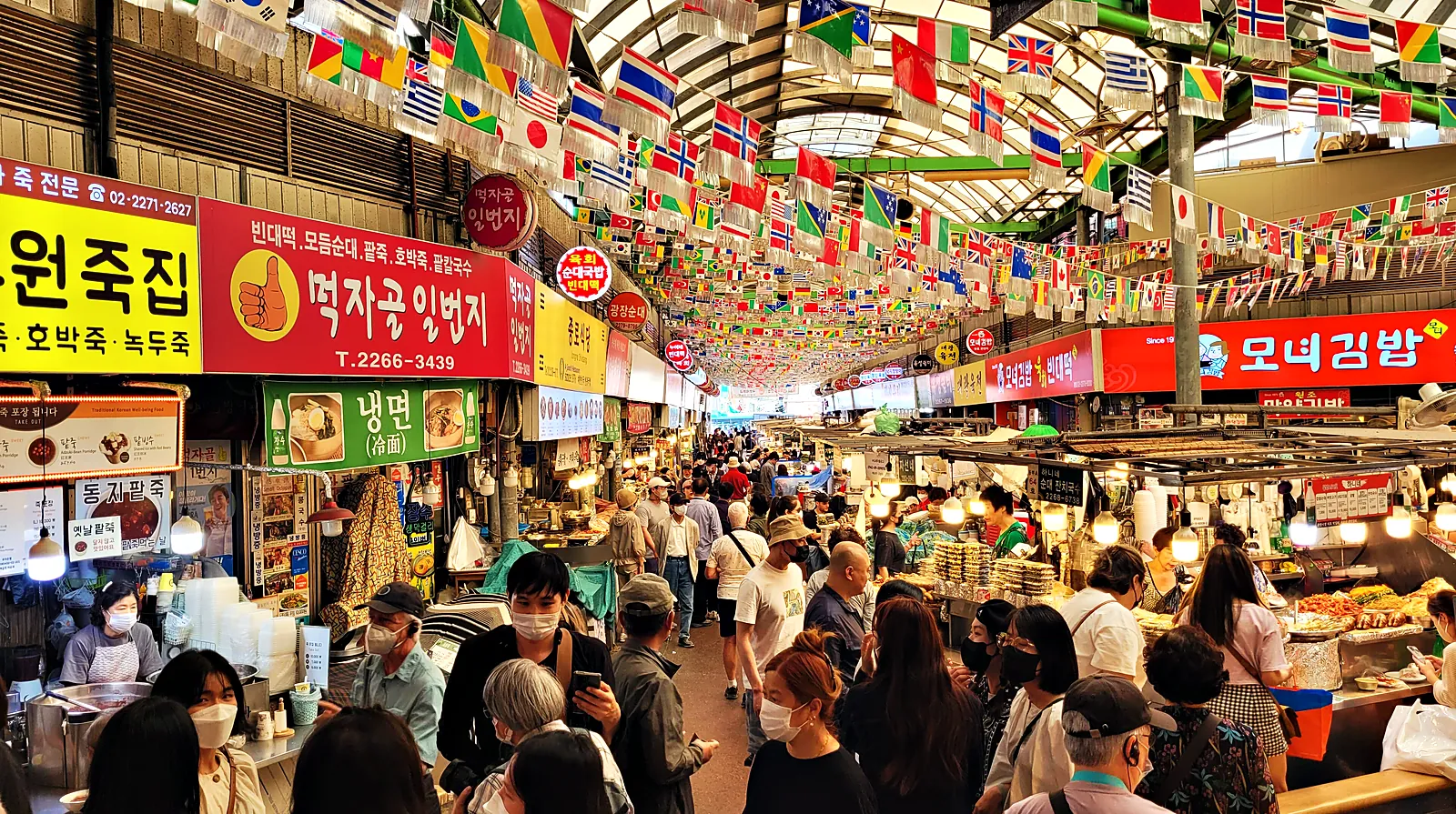
Seoul's most famous food market, and the one to choose if you only visit one. The centre of the covered market is a crossroads of food stalls: sizzling bindaetteok (mung-bean pancakes), little rolls of mayak gimbap, yukhoe (seasoned raw beef) and big bowls of kalguksu noodles. You sit on a bench at the counter and eat what the stall cooks.
It's busy and touristy, and it's still worth it. Go at lunchtime or early evening for the atmosphere, or mid-afternoon for a seat. Everything about ordering, prices and which stalls to try is in our Gwangjang Market guide.
Namdaemun Market
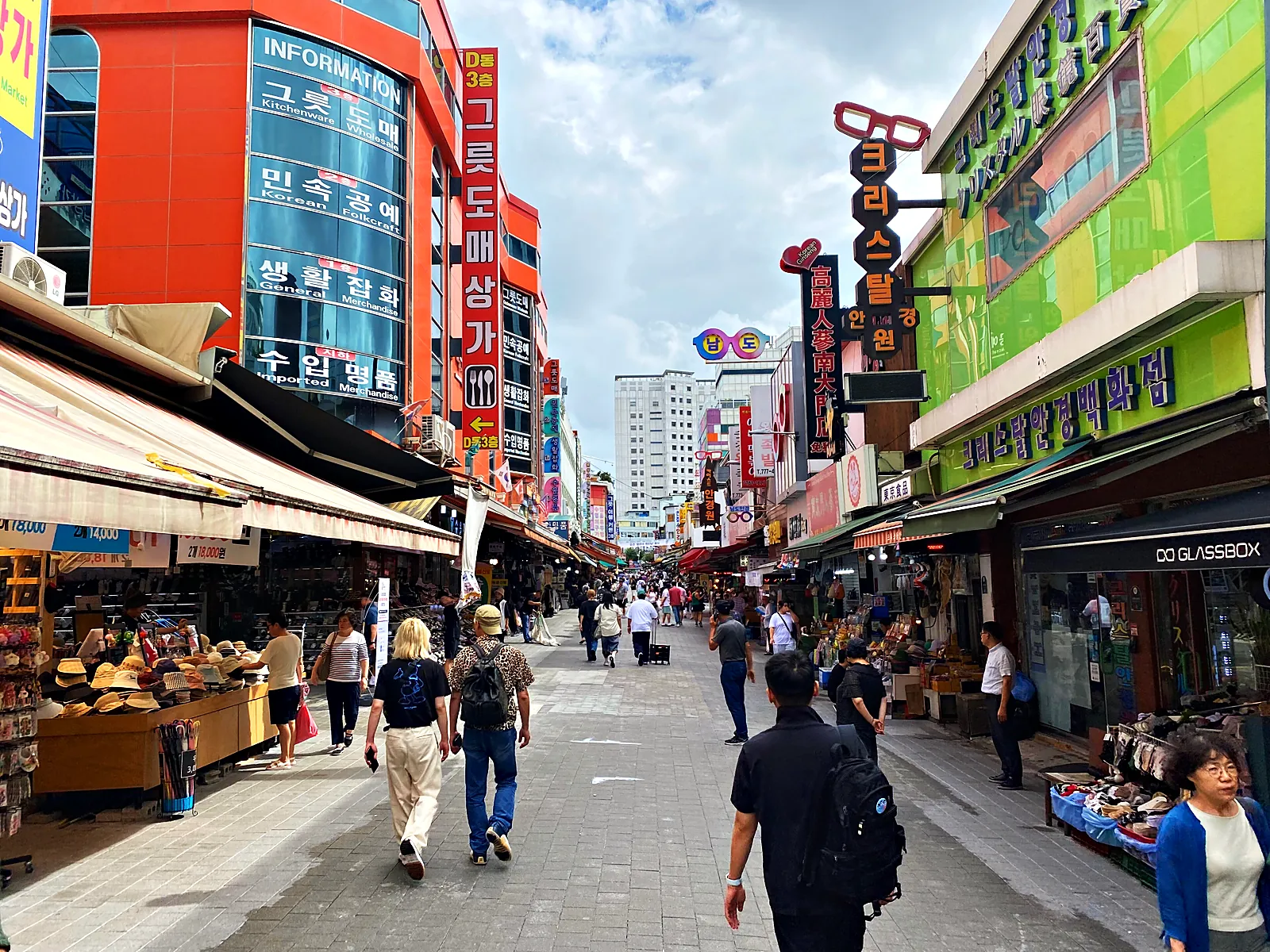
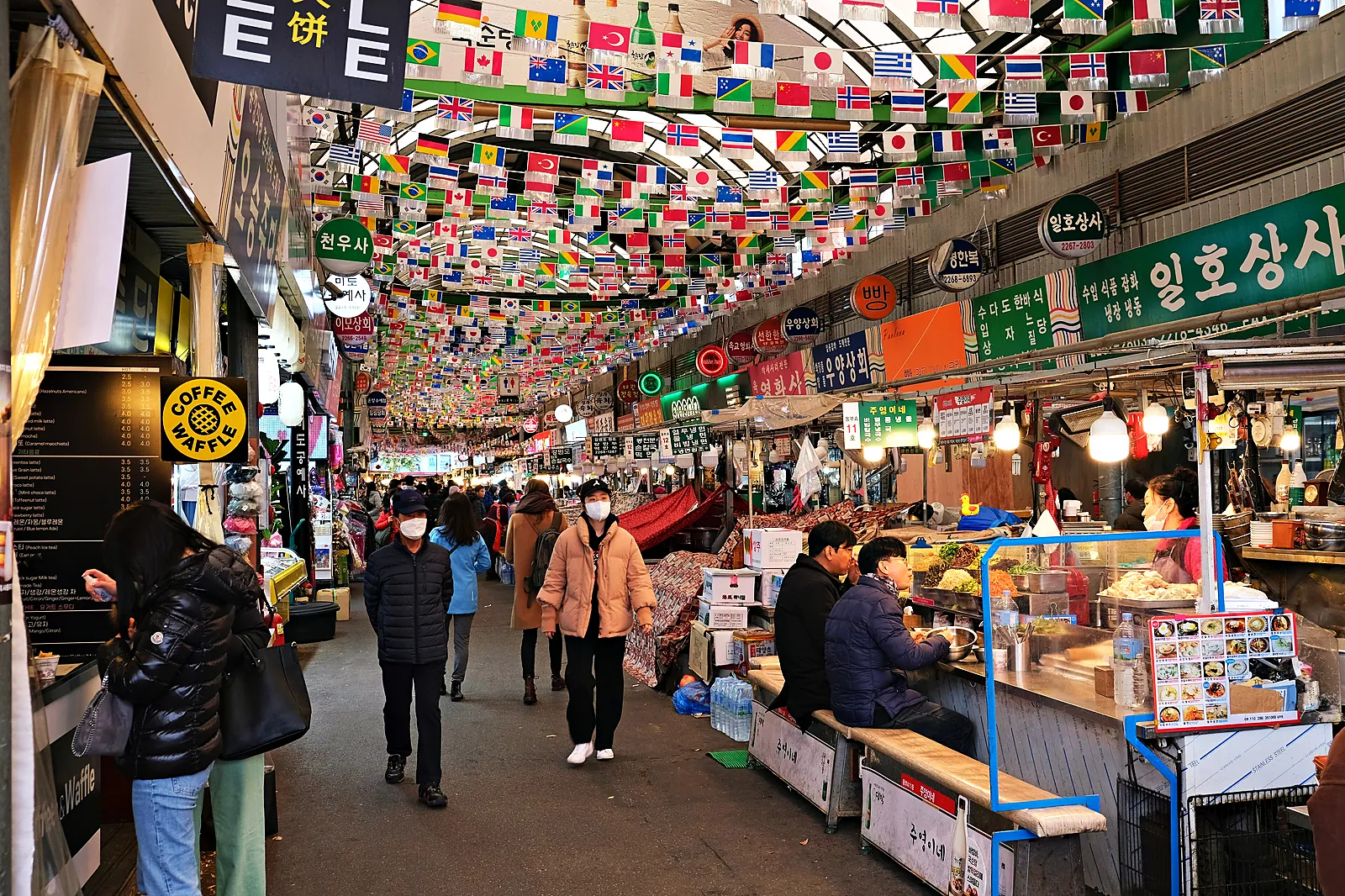
Korea's oldest and biggest traditional market, a maze of streets next to Namdaemun Gate. Thousands of shops sell clothes, kitchenware, glasses, ginseng and souvenirs, often at lower prices than Myeongdong next door. The food is the fun part: hotteok stalls with queues, kalguksu alleys where you get a bowl of noodles for very little, and galchi jorim (braised hairtail fish) alley.
Many shops close on Sundays, so go on a weekday or Saturday. It's an easy add-on to a Myeongdong afternoon.
Tongin Market
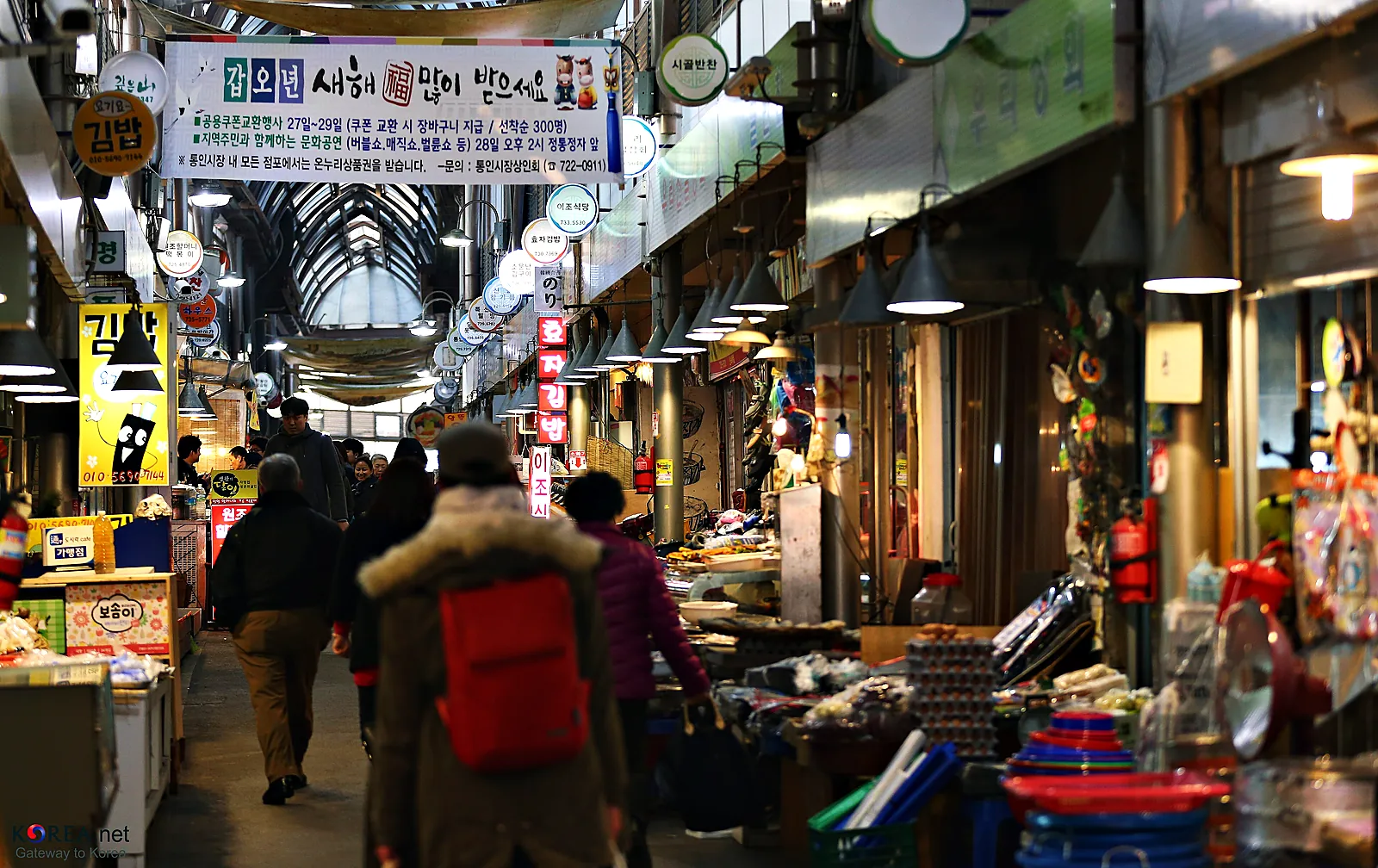
A small neighbourhood market in Seochon, west of Gyeongbokgung, famous for its coin lunchbox (dosirak). You buy a tray and a string of old-style brass coins (yeopjeon) at the café in the middle of the market, then walk the stalls filling your tray a coin or two at a time: jeon, braised meat, kimbap, salads. Take it back to the café and eat.
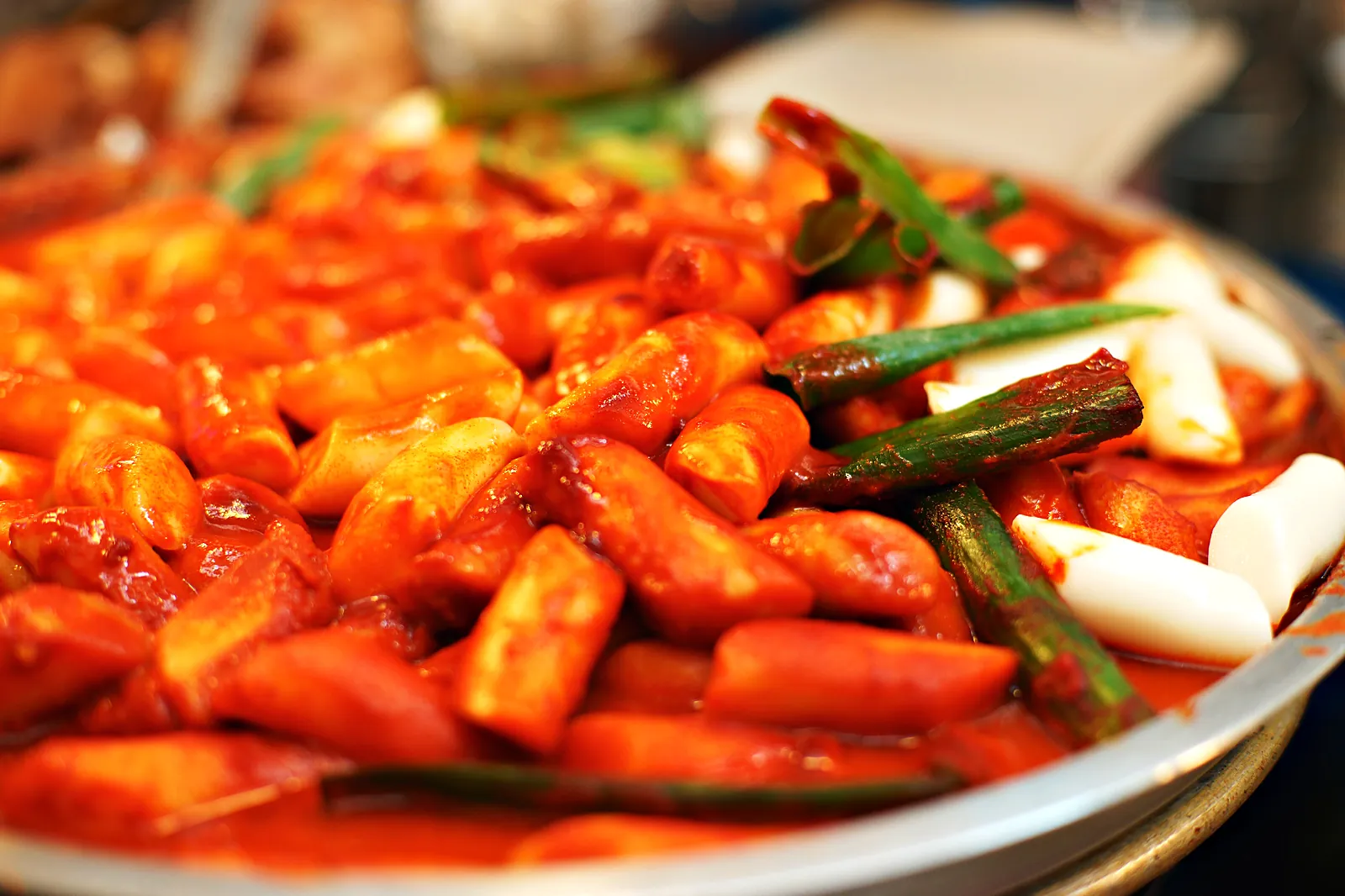
Don't leave without trying gireum tteokbokki, rice cakes stir-fried in oil with chilli, either red and spicy or the soy-sauce version.
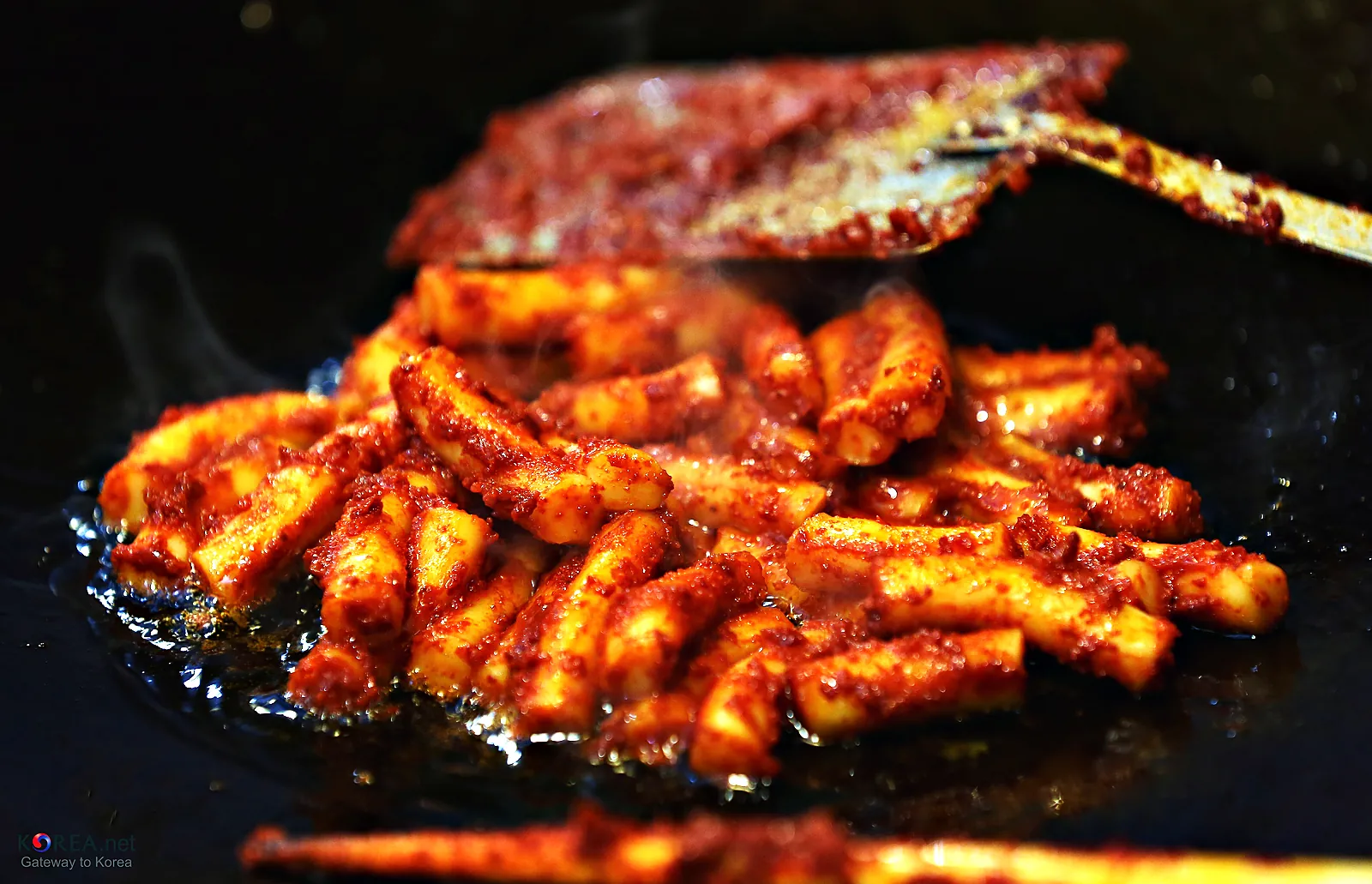
The lunchbox café keeps shorter hours than the market and closes on some days, so check the listing before you go. Combine it with a walk through Seochon and the palace.
Mangwon Market
A proper local market a short walk from Hongdae and the Han River, where people from the neighbourhood do their weekly shop. It's cheap and cheerful: croquettes, dakgangjeong (sweet crispy fried chicken), fishcakes, fruit and hotteok. Locals often buy snacks here and carry them down to Mangwon Hangang Park for a riverside picnic, which is exactly what you should do. See our Han River picnic guide.
Noryangjin Fish Market
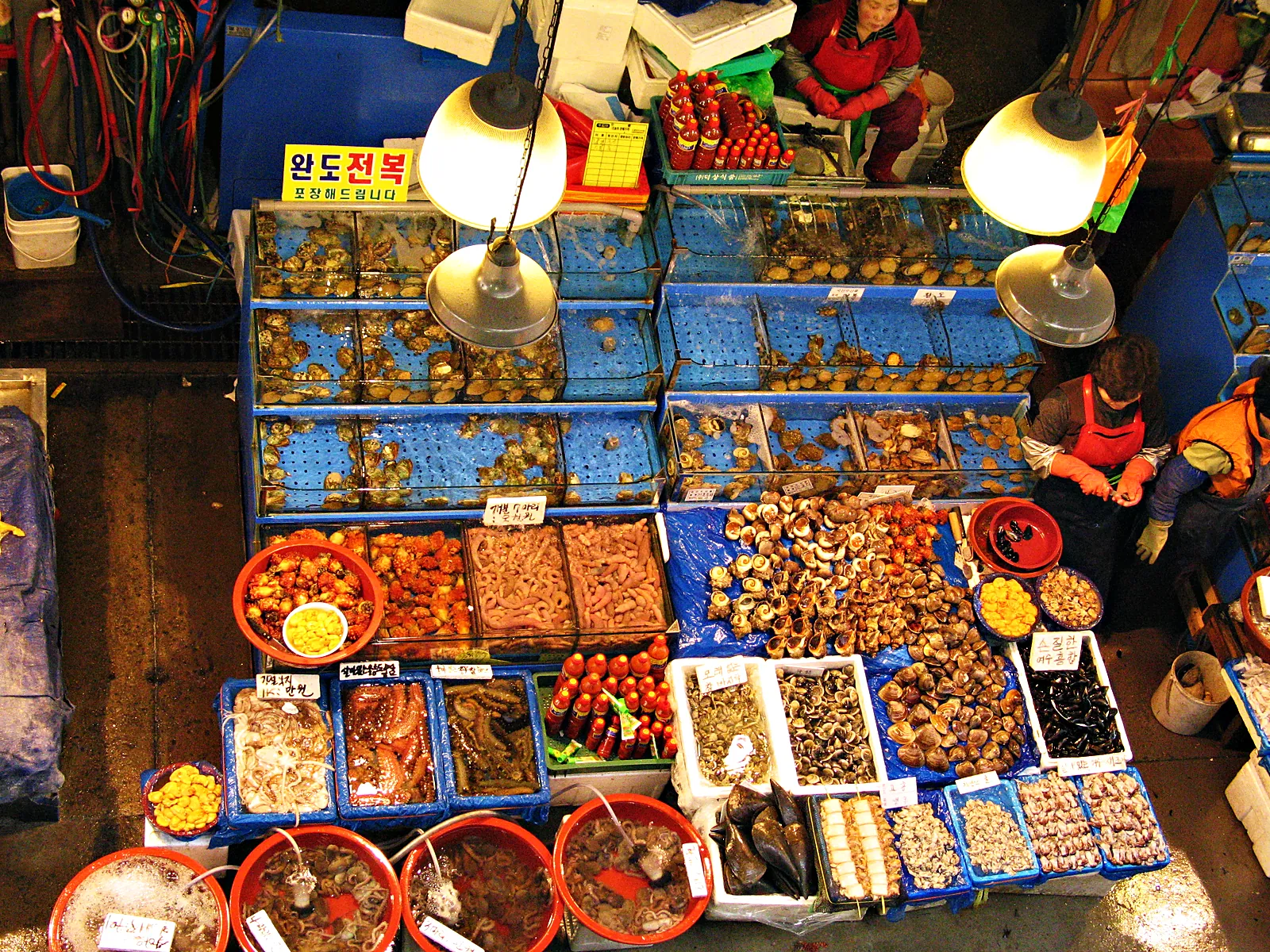
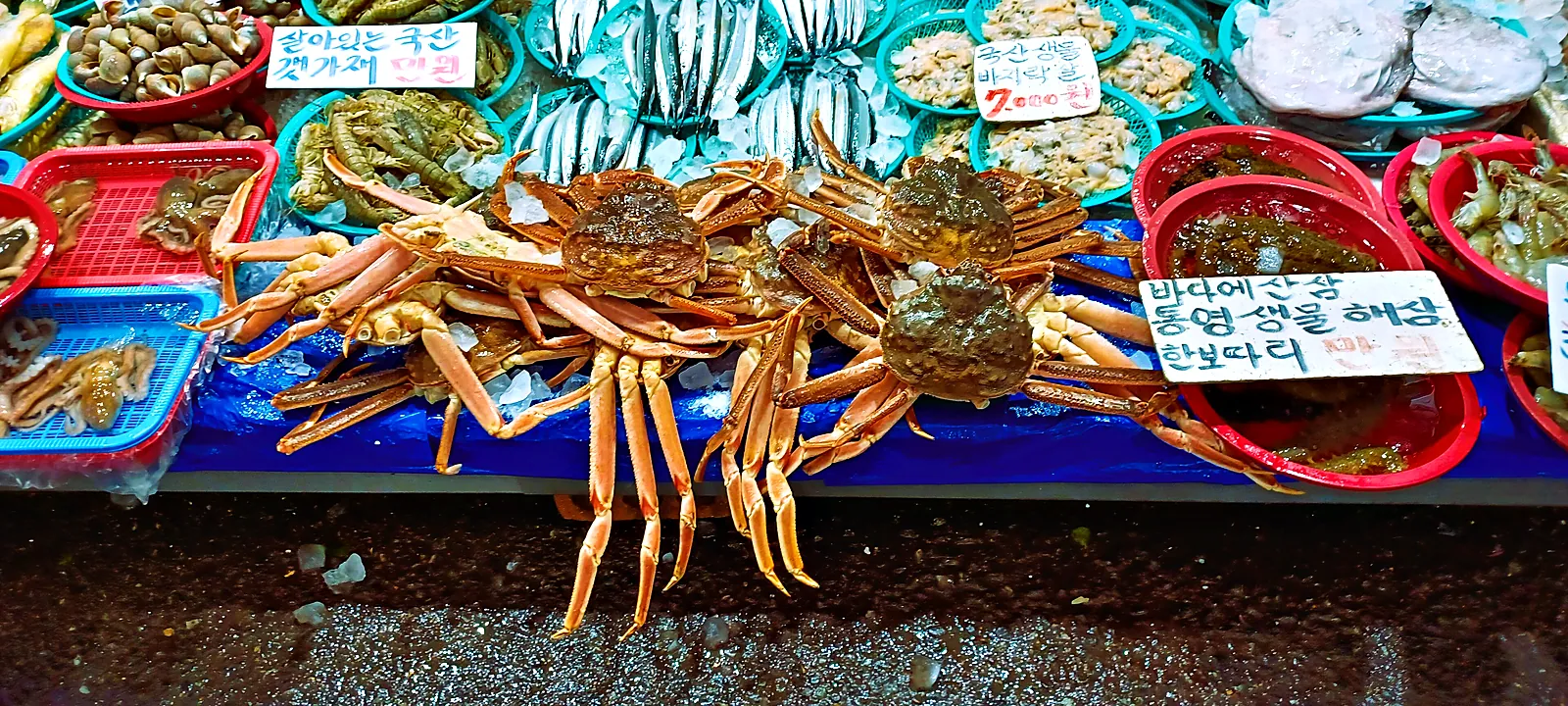
Seoul's huge wholesale seafood market, and an experience in itself. On the ground floor, stalls display live fish, king crab, octopus and shellfish. You choose what you want, agree the price, and the stall prepares it; then you take it to one of the restaurants upstairs, which cook or serve it for a per-person setting fee and sell drinks and side dishes.
It's not cheap if you pick premium seafood, so ask for the price by weight before they net anything, and agree on the total. Going with a small group makes it good value and a lot of fun.
Gyeongdong Market
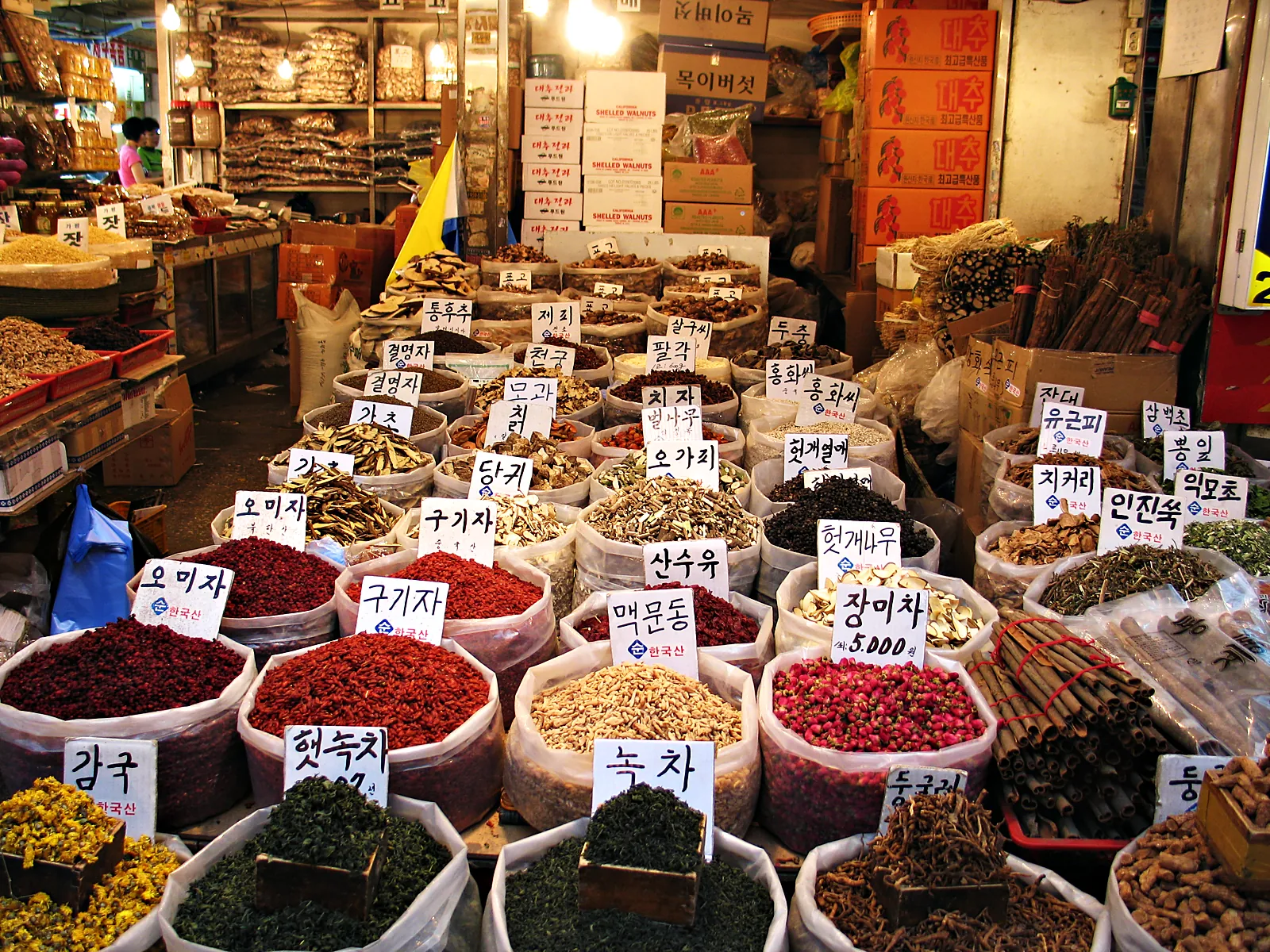
Korea's biggest market for herbal medicine: sacks of roots, bark, dried mushrooms and ginseng, and the smell of all of it. Even if you're not buying, it's one of the most unusual walks in Seoul. It's also a good place to buy ginseng and jujubes to take home.
Near the market, an old cinema has been turned into a striking café, a fun place to rest after walking the stalls. Many shops close on Sundays.
Dongdaemun's markets
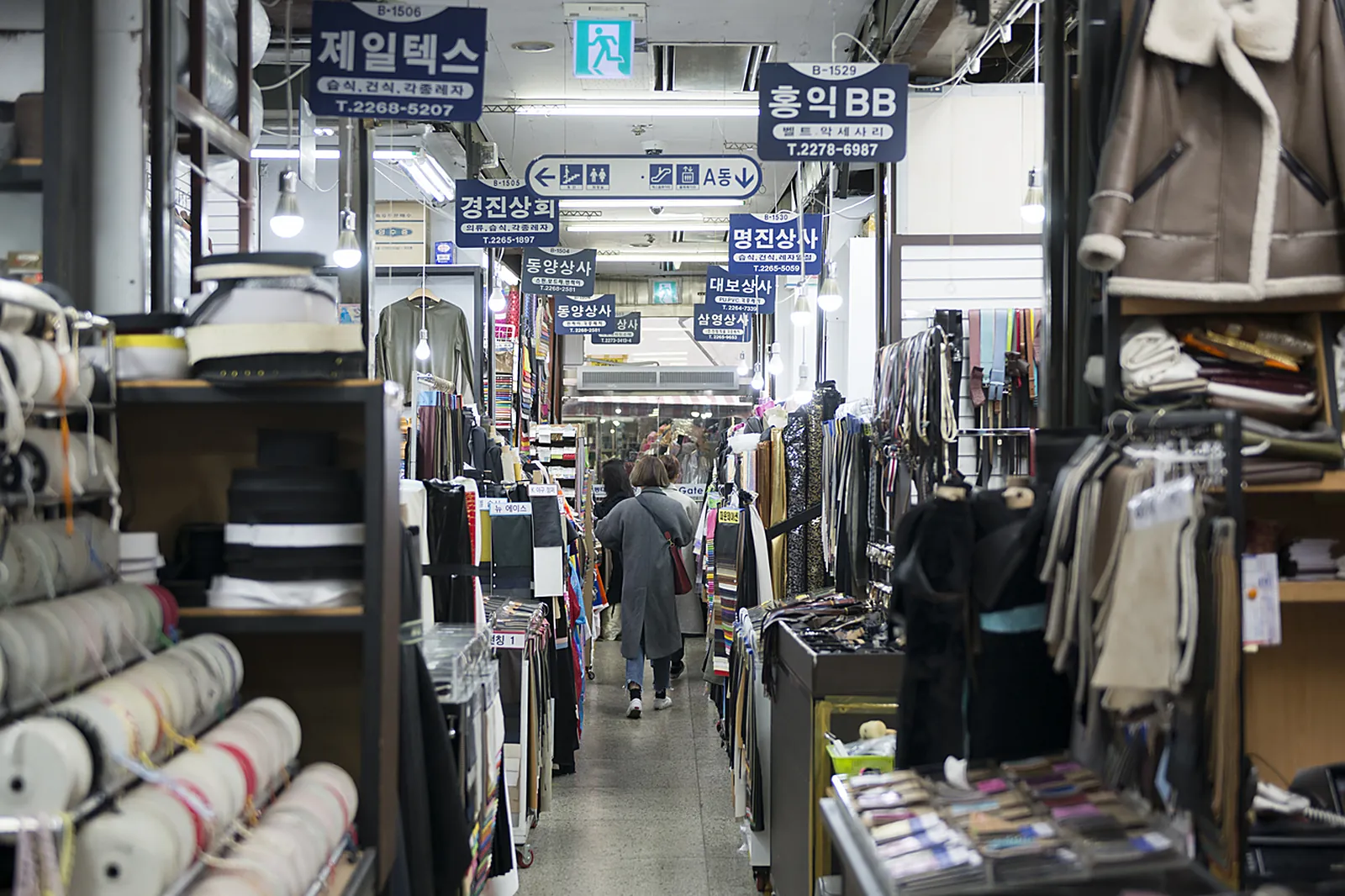
Around Dongdaemun there's a whole district of wholesale markets: fabric and buttons, clothes, shoes and accessories, much of it open late into the night for traders. As a visitor, the easiest way in is the retail fashion malls next to DDP, then a wander through the fabric halls if you sew or want something made. Our Dongdaemun, DDP and Euljiro guide covers the area after dark.
Market tips
- Bring cash. More stalls take cards than before, but ₩1,000 and ₩10,000 notes make everything quicker
- Go early in the day. Many stalls wind down by early evening, and Sundays are quiet or closed at several markets
- Point and ask. "Igeo eolmayeyo?" means "how much is this?" — see our Korean phrases
- Sit where you eat. At food stalls you order from the person cooking and eat at their counter
- Take photos politely. Ask before photographing people, and buy something from stalls you film
Our honest take
If you have one free lunchtime, go to Gwangjang. If you have a free morning near the palaces, do Tongin's lunchbox. And if you want to see where Seoul actually shops, Namdaemun on a weekday or Mangwon on a Saturday are the real thing.
Frequently asked questions
Which Seoul market is best for food?
Gwangjang Market. It's the one built around sit-down food stalls, with bindaetteok, mayak gimbap and yukhoe.
Are Seoul markets open on Sundays?
Some are, some aren't. Gwangjang's food stalls are usually open, but many shops at Namdaemun and Gyeongdong close on Sundays.
Do markets take cards?
Many stalls do now, but not all. Carry some cash.
Is Noryangjin Fish Market expensive?
It can be. Ask the price by weight before you buy, and share with a group.