The Demilitarized Zone is the four-kilometre-wide strip of land that has separated North and South Korea since the 1953 armistice. It's one of the most heavily fortified borders in the world — and, remarkably, it's a day trip from a city of ten million people. For many visitors it becomes the most memorable part of their time in Korea.
Why you need a tour
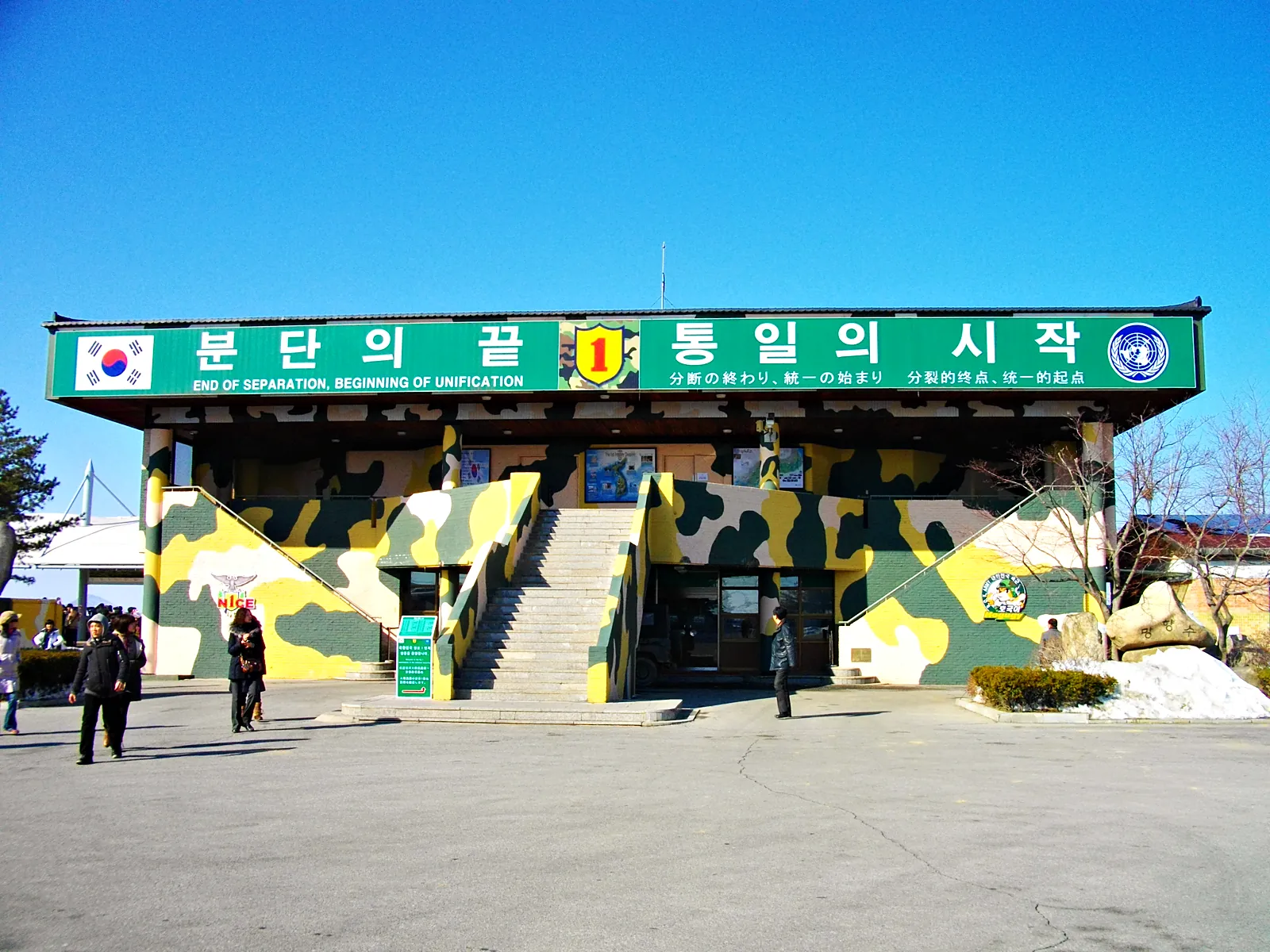
You can't just drive up and visit. The key sites sit in a restricted military area, and access requires your passport details to be registered in advance for security clearance. Licensed tour operators handle all of this as part of the booking — which is why almost everyone visits on a tour.
- Book at least a few days ahead — same-day booking usually isn't possible
- Bring the exact passport you booked with. No other ID is accepted, and there are no exceptions at the checkpoint
What a typical tour includes
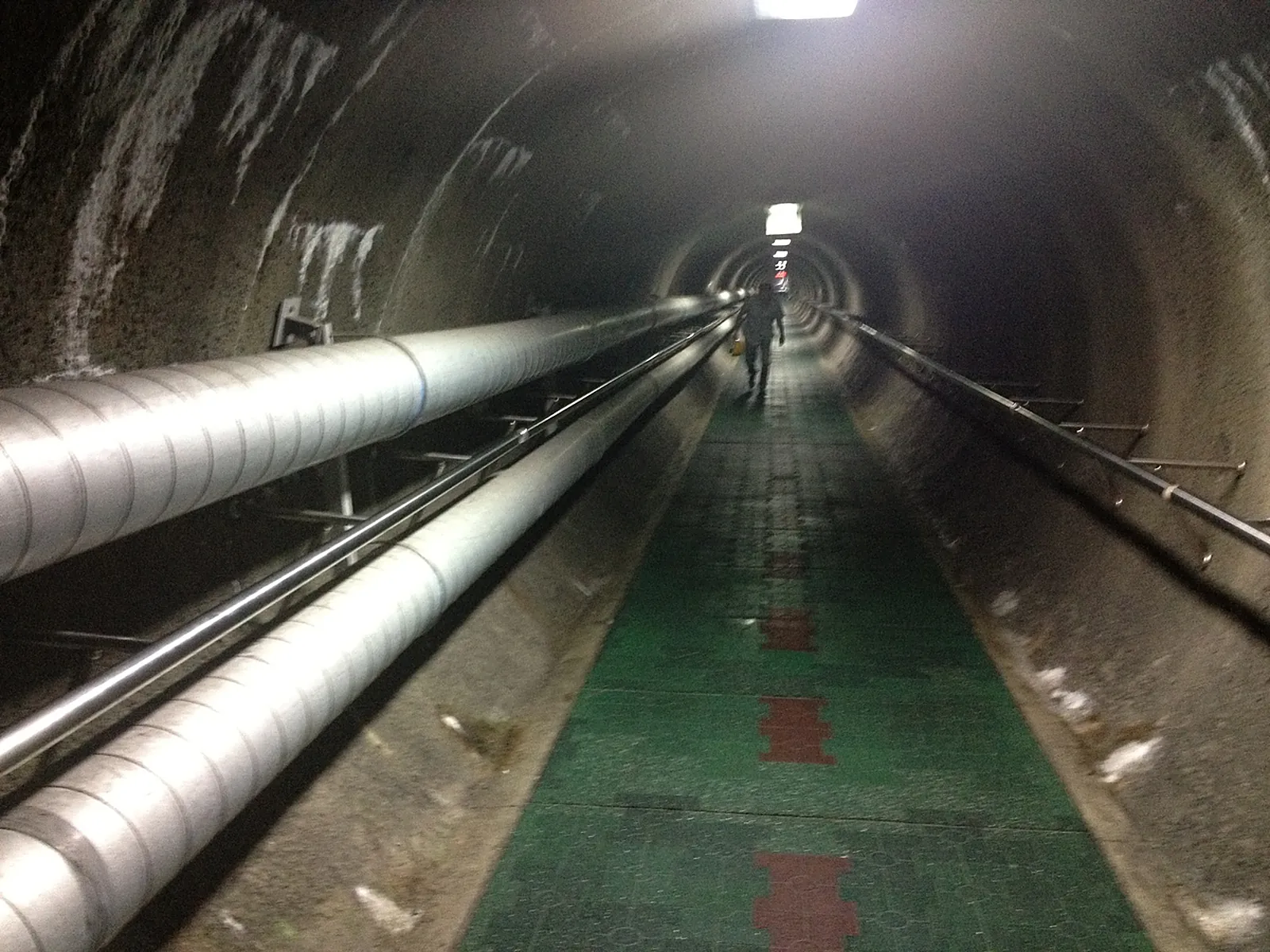
The Third Tunnel — one of several tunnels dug under the border from the North and discovered by South Korea in the 1970s. You walk (or ride a small monorail) down into the tunnel. It's narrow, low-ceilinged and damp — hard hats are provided. Not ideal if you're claustrophobic.
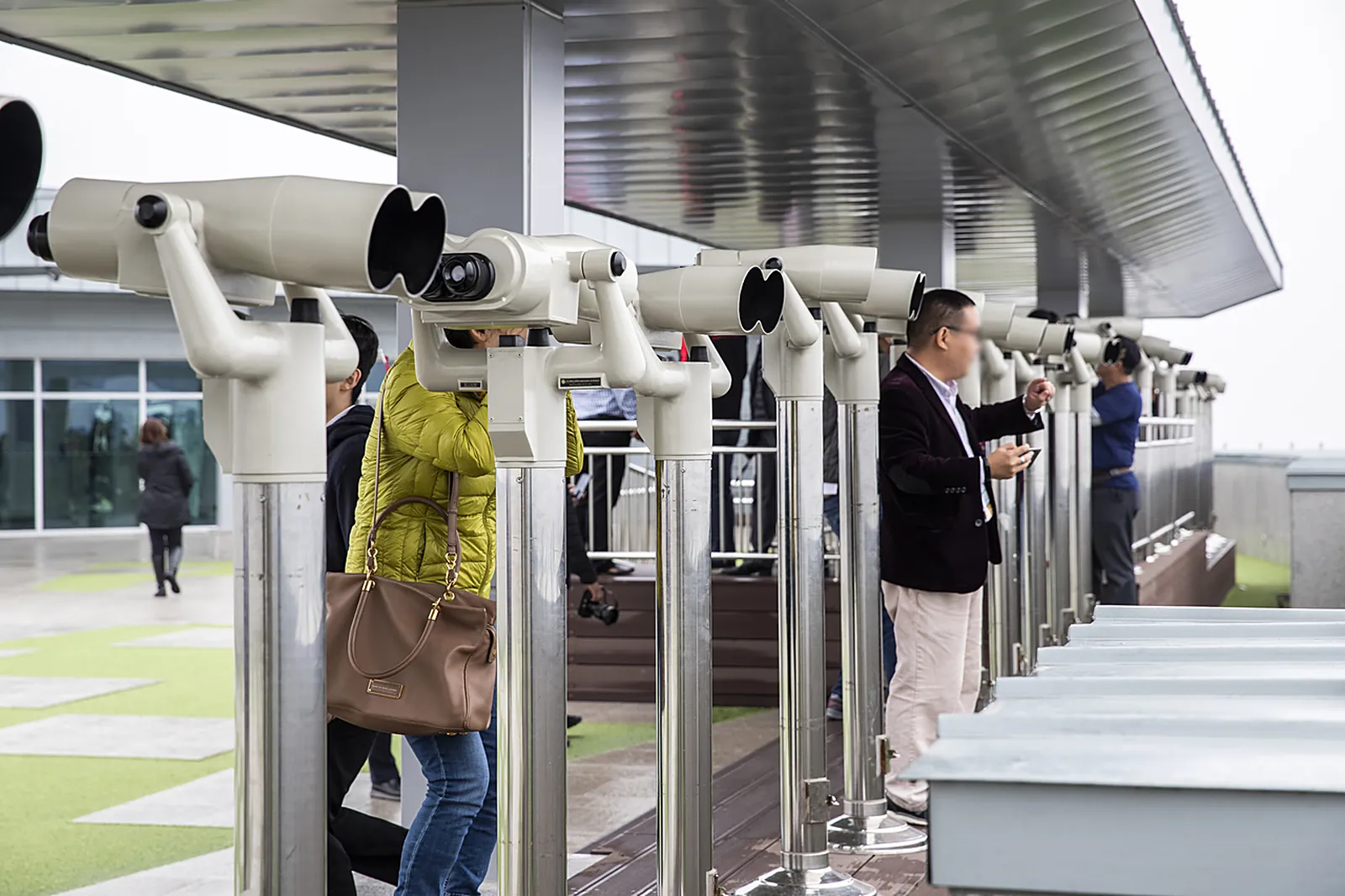
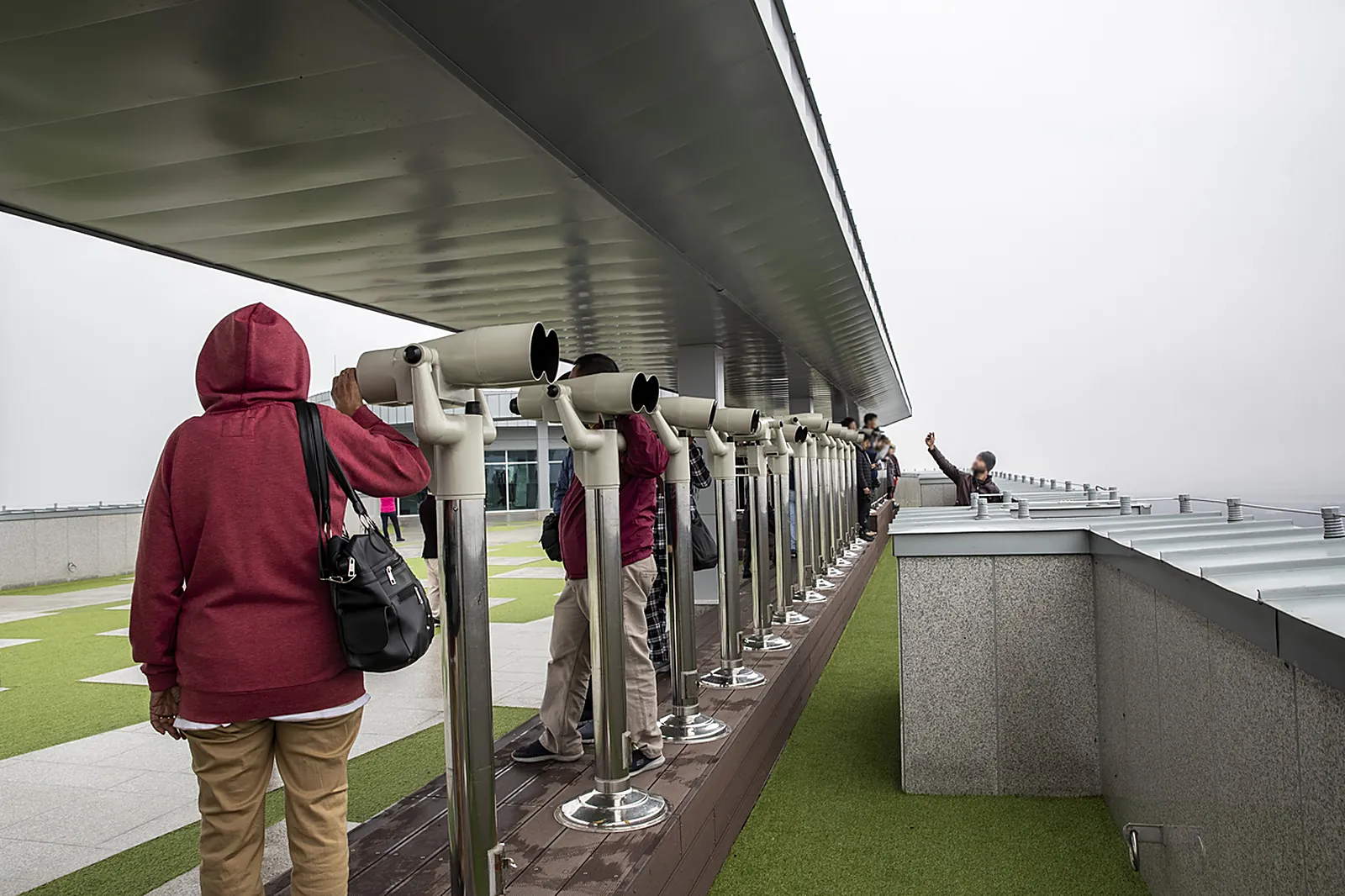
Dora Observatory — a hilltop lookout with views across the zone into North Korea. On a clear day you can see a North Korean village and fields through the binoculars.
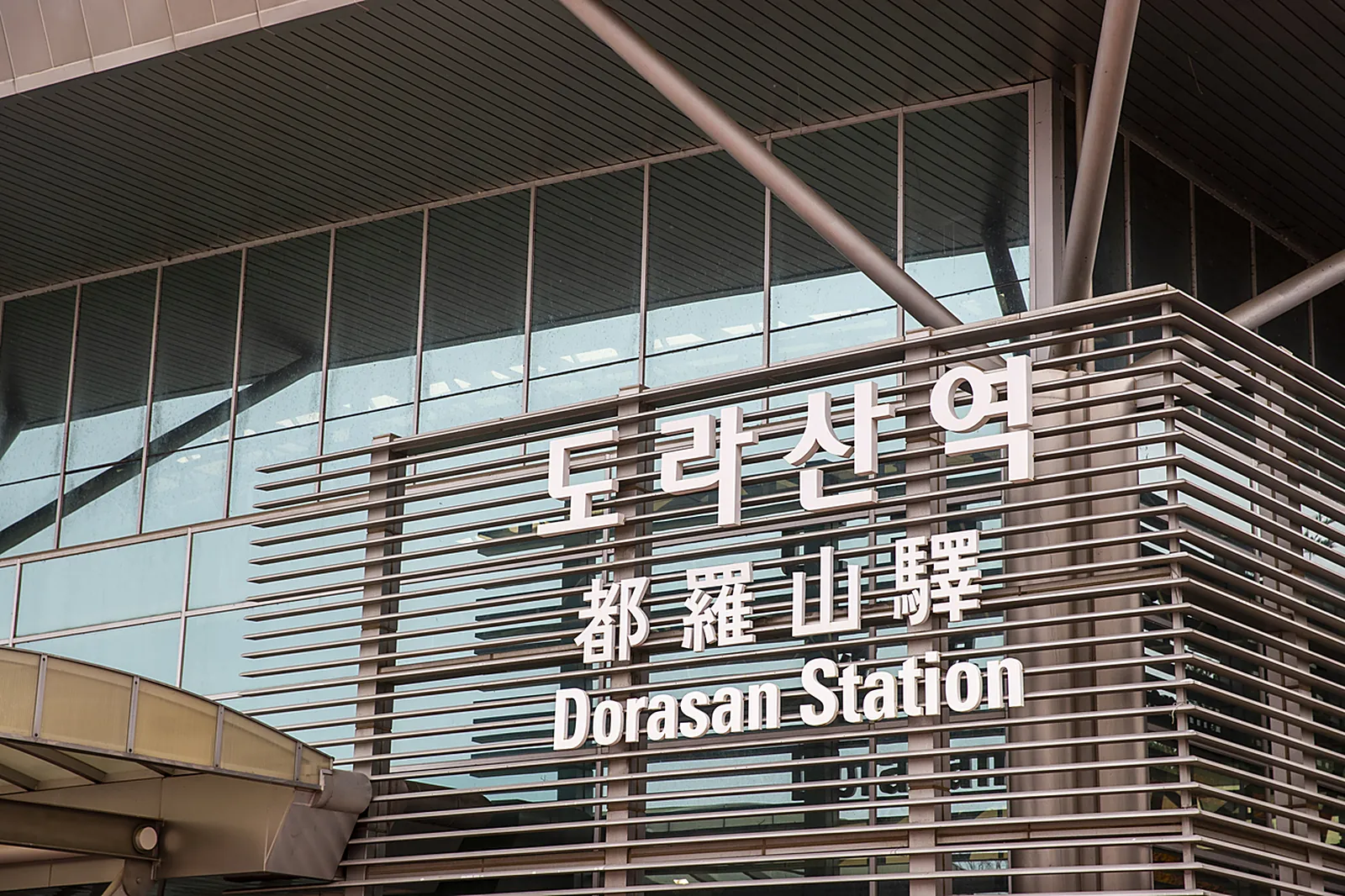
Dorasan Station — a fully built, modern train station at the edge of the South's rail network, with signs pointing to Pyongyang. It was built for a hoped-for rail link north that has never opened for regular service. Quietly one of the most striking stops of the day.
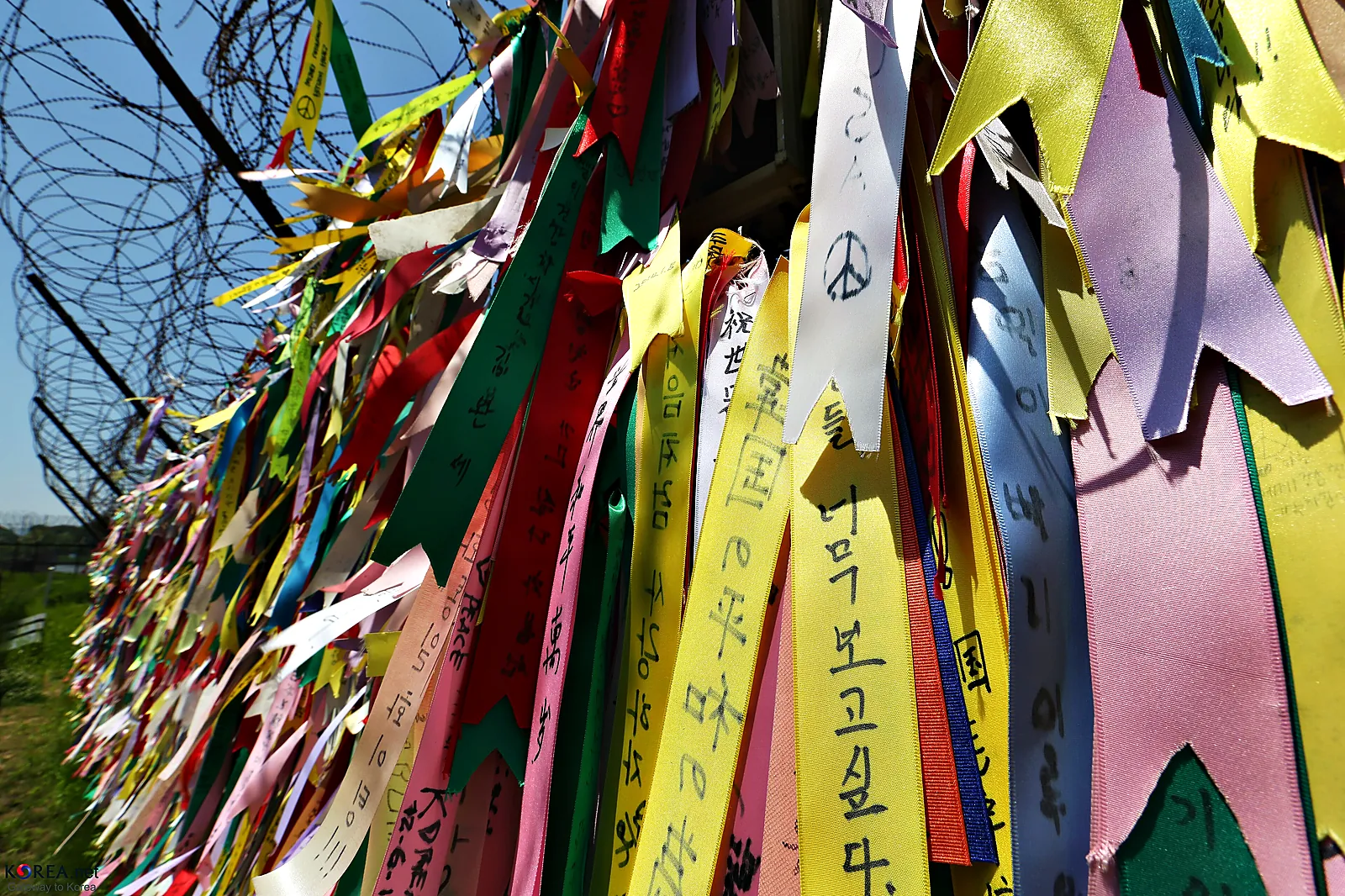
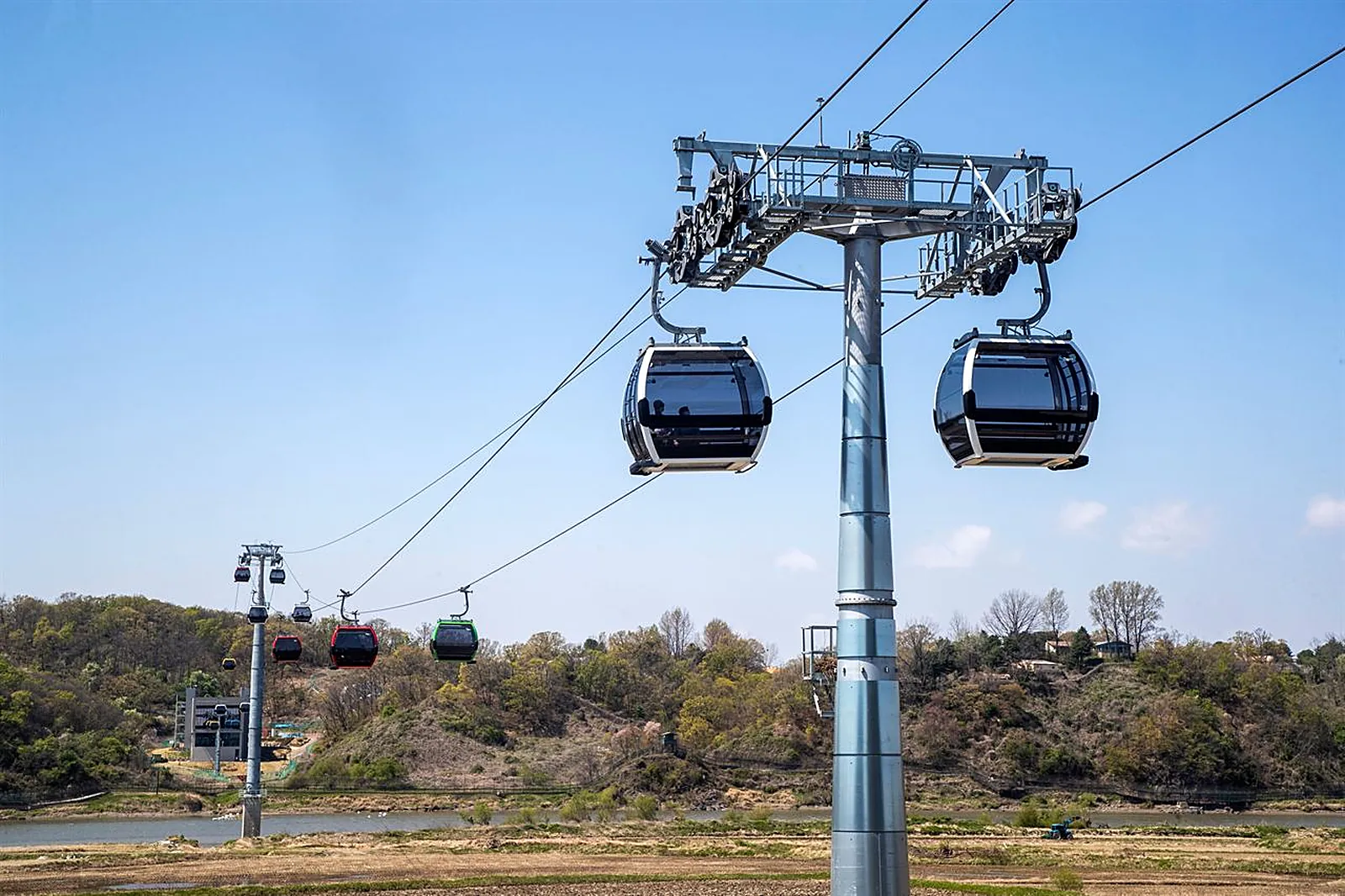
Imjingak Park — a peace park just outside the restricted area, with the Freedom Bridge, memorials and (on some tours) a gondola ride over the Imjin River.
What about the JSA / Panmunjom?
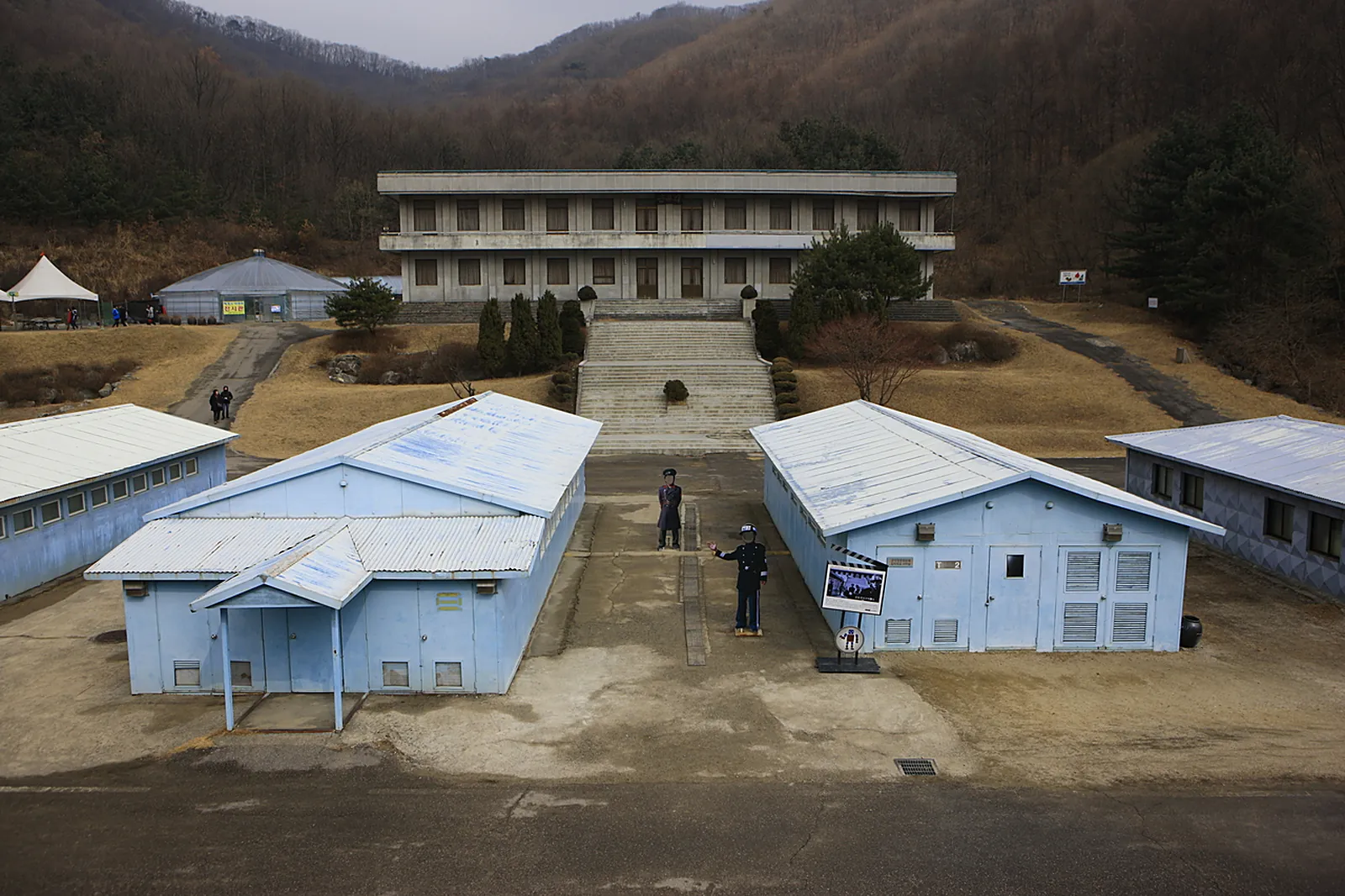
The Joint Security Area at Panmunjom — the famous blue buildings where the two sides face each other — is a separate, more restricted tour. Its availability has been suspended and resumed several times over the years depending on the situation. If it's specifically what you want to see, check its current status before planning your trip around it.
Rules on the day
- Passport — mandatory, no exceptions
- Dress — tidy and modest. Some sites don't allow ripped jeans, very short clothing, or military-style camouflage
- Photography — restricted in certain places. Your guide will tell you when cameras must go away; follow it exactly
- Age limits — many tours set a minimum age for children. Check before booking a family trip
- Behaviour — this is an active military zone. No pointing, gesturing or shouting toward the border
Half-day or full-day?
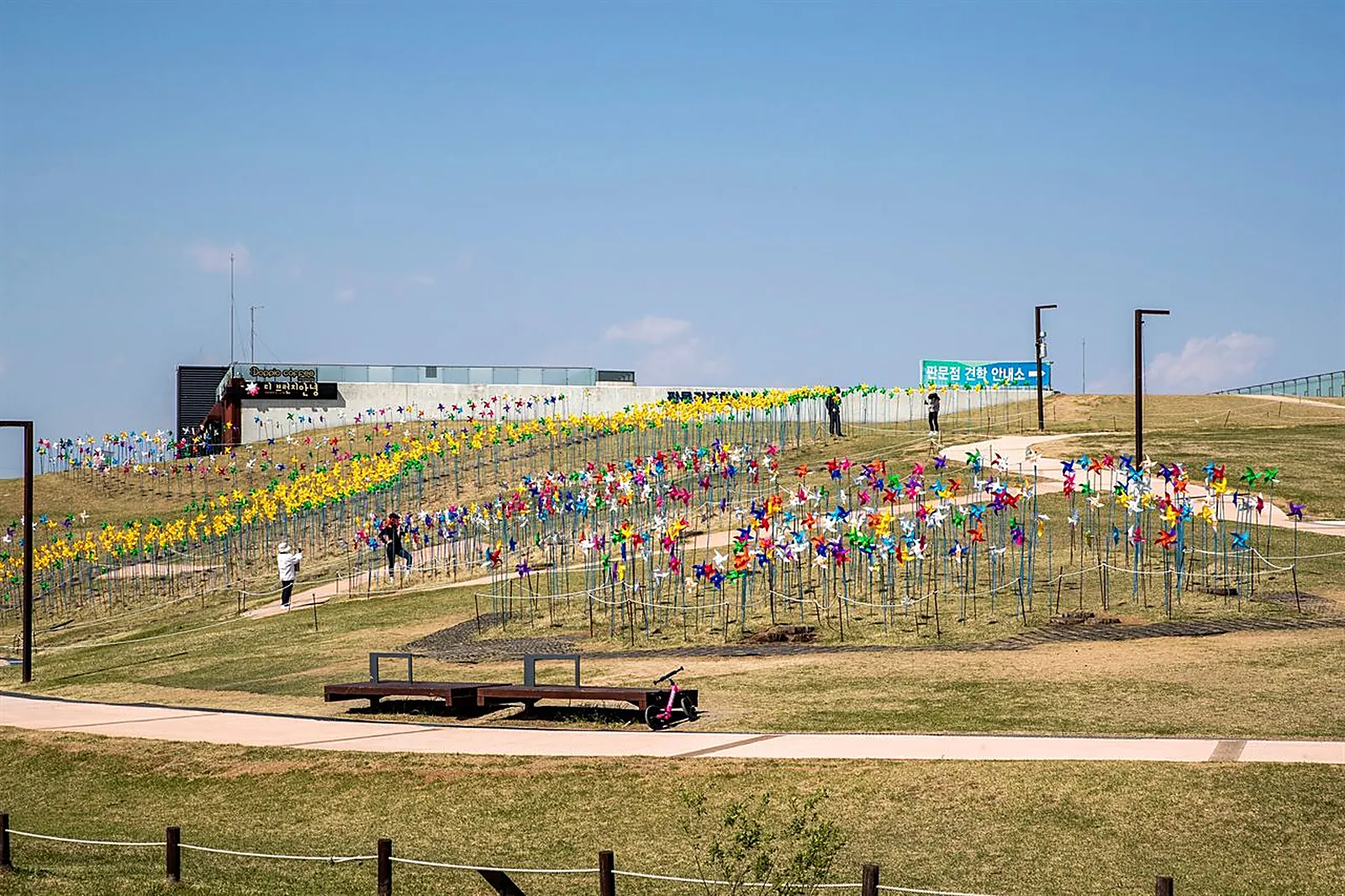
- Half-day tours cover the core sites (tunnel, observatory, station) and get you back to Seoul by mid-afternoon
- Full-day tours add more stops and context, sometimes including lunch
For most people, a half-day tour is plenty, and it leaves your evening free.
A little background
The Korean War began in 1950. It ended in an armistice in July 1953 — a ceasefire, not a peace treaty. The armistice created the Military Demarcation Line, with a zone of two kilometres on each side that became the DMZ, running about 250 kilometres across the peninsula.
South of the DMZ is a further Civilian Control Zone, where access is restricted and farming continues under military supervision. Most tour sites are in or near this zone, which is why the paperwork matters.
Choosing a tour operator
Tours look similar online. The differences that matter:
- Licence and passport handling. The operator should ask for your passport details when you book
- Guide quality. Look for reviews that mention the guide by name and the depth of the history
- Group size. Small-group tours are more personal; big coach tours are cheaper
- What's included. Check entry fees, lunch, hotel or central-station pickup, and the Third Tunnel monorail
- Cancellation policy. Tours can be cancelled for security reasons, so a clear refund policy matters
What to bring
- Your passport, the same one you booked with
- Comfortable shoes — the walk into and out of the Third Tunnel is steep
- Layers. It's colder and windier near the border than in Seoul, especially in winter
- Water and snacks for the bus
- A little cash for souvenirs and the observatory binoculars
Worth knowing before you go
Many visitors find the day moving rather than just interesting. Guides often talk about families separated by the border. Photos are fine where allowed, but it isn't a place for jokey poses — take your cue from the Korean visitors around you.
Our honest take
A DMZ tour isn't a fun day out in the usual sense, and it isn't meant to be. It's one of the most memorable things you can do in Korea, because it makes a very abstract piece of history feel real.
Book it if:
- You're interested in history or current affairs
- You've done the main Seoul sights and have a spare day
- You want to understand modern Korea beyond K-pop and food
Maybe skip it if:
- You're claustrophobic and not interested in the observatory or station alone
- You're travelling with young children who won't meet the age limit
- You only have two or three days in Seoul
Our tip: pick a half-day tour with a guide who gets good reviews for storytelling, not the cheapest bus. Book a few days ahead, double-check the passport details, and plan a quiet evening afterwards — most people want to talk about it.
Frequently asked questions
Is it safe?
Yes. It's one of the most tightly controlled tourist sites anywhere, and a very large number of visitors go every year.
Will I actually see North Korea?
On a clear day, yes — from Dora Observatory. Haze and weather affect visibility a lot.
Is it emotionally heavy?
It can be. Guides share personal and historical context, and many Koreans have family divided by the border. Be respectful.
Can I bring kids?
Depends on the tour's age limit — check before booking.