
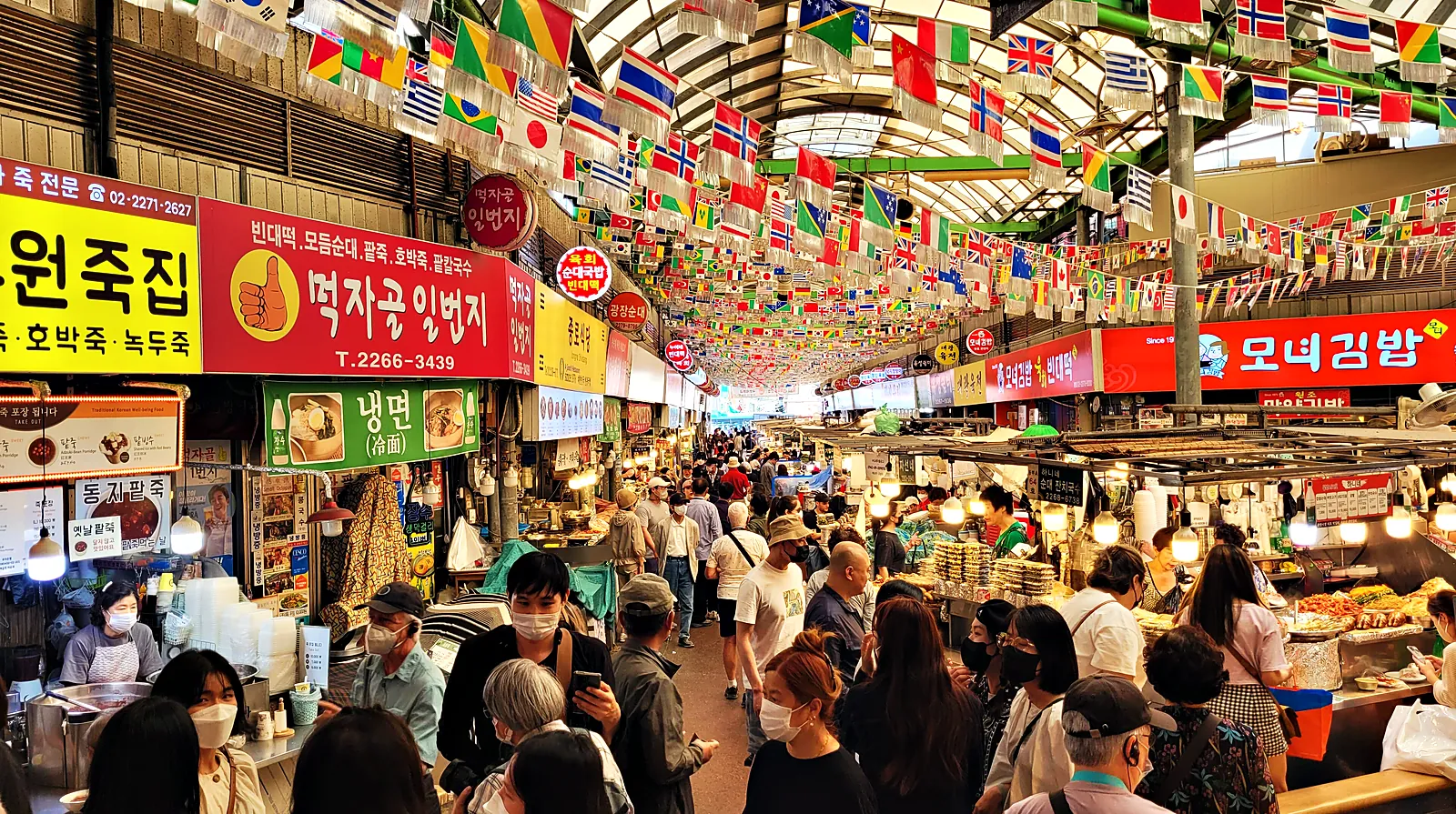
 Inside Gwangjang MarketPhoto: Bgag / Wikimedia Commons, CC0 (edited)
Seoul's Best Markets
Traditional markets are where Seoul eats cheaply and well: bindaetteok at Gwangjang, a coin lunch box at Tongin, croquettes at Mangwon, raw fish at Noryangjin — plus late-night fashion at Dongdaemun.
- Most food stalls take cards now, but carry some cash for the smallest ones.
- Go at lunch or early evening; some stalls close on Sundays or by mid-afternoon.
- Share across several stalls — portions are generous.
-
1
Gwangjang Market
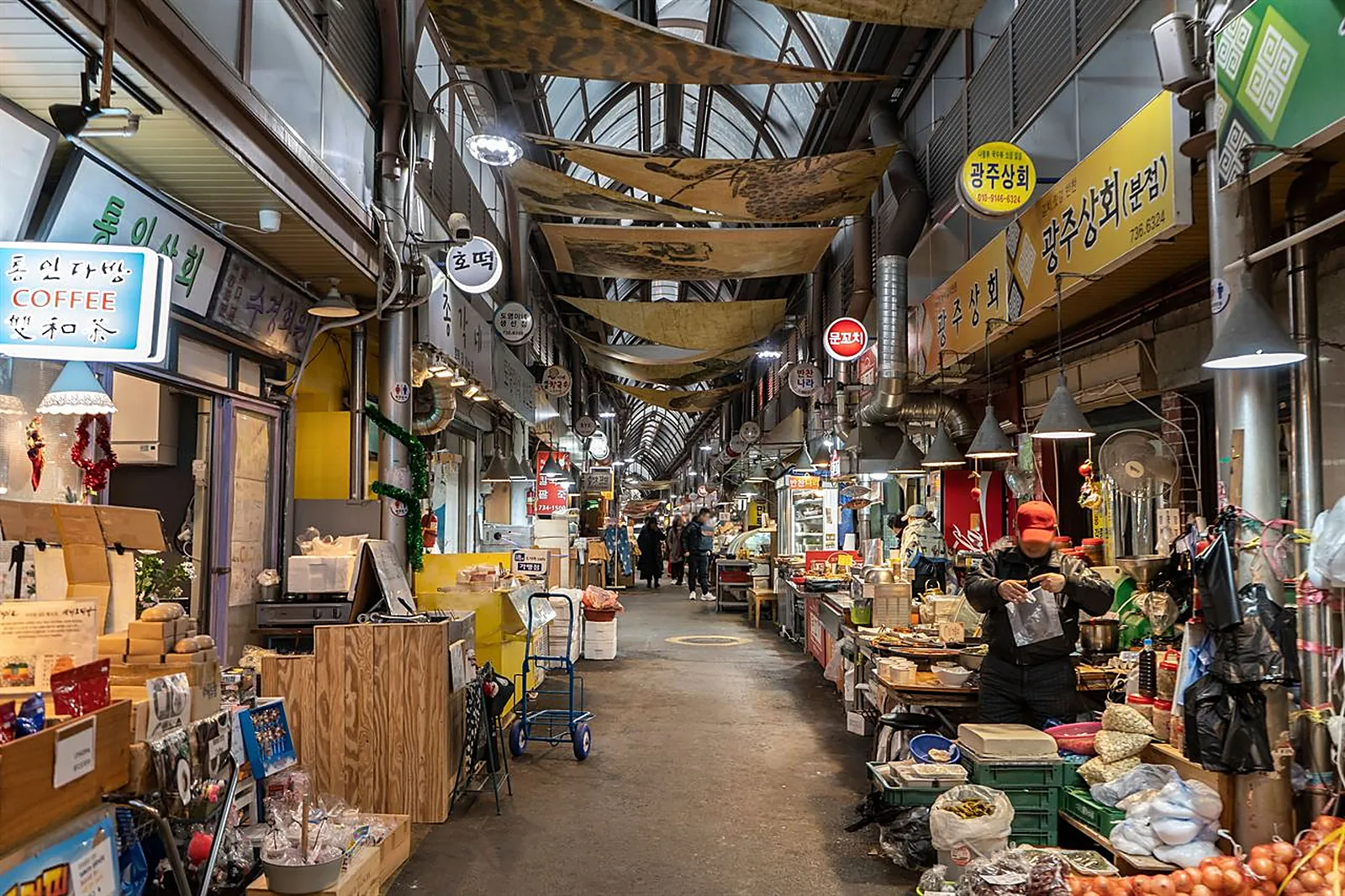
광장시장Photo: Bgag / Wikimedia Commons, CC0 (edited) Seoul's most famous food market. Sit at a steaming stall for bindaetteok (mung-bean pancakes), mayak gimbap and yukhoe, elbow to elbow with locals.
Good to know: Busiest at lunch and early evening; food stalls stay open late. Jongno 5-ga Station (Line 1), exits 7–8.
Read more:
-
2
Namdaemun Market
남대문시장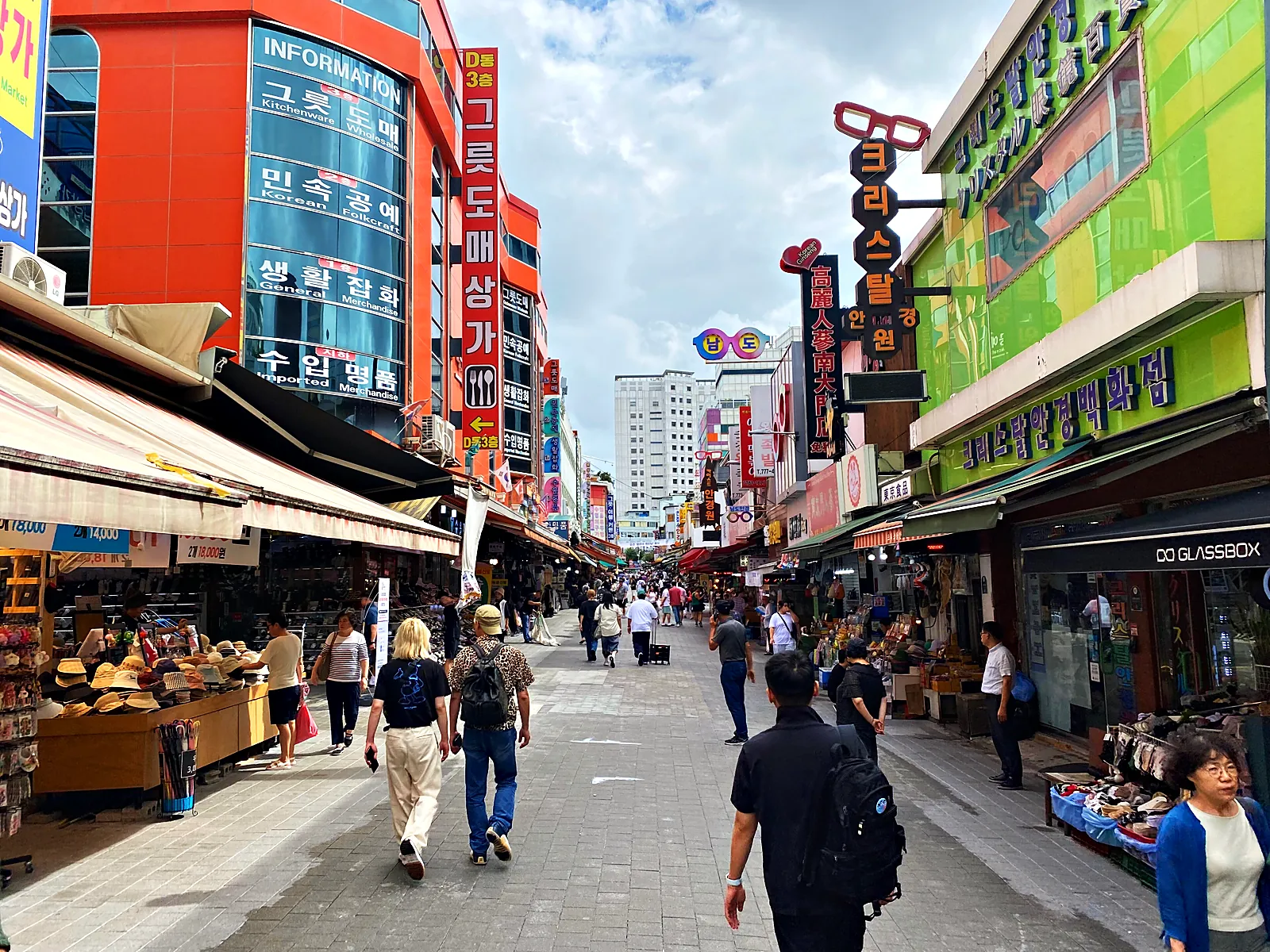
Photo: Sgroey / Wikimedia Commons, CC BY-SA 4.0 (edited) Korea's oldest and biggest traditional market: clothes, kitchenware, ginseng and souvenirs at lower prices than Myeongdong, plus hotteok stalls and a kalguksu noodle alley.
Good to know: Many shops close on Sundays. Hoehyeon Station (Line 4), exit 5.
Read more:
-
3
Tongin Market
통인시장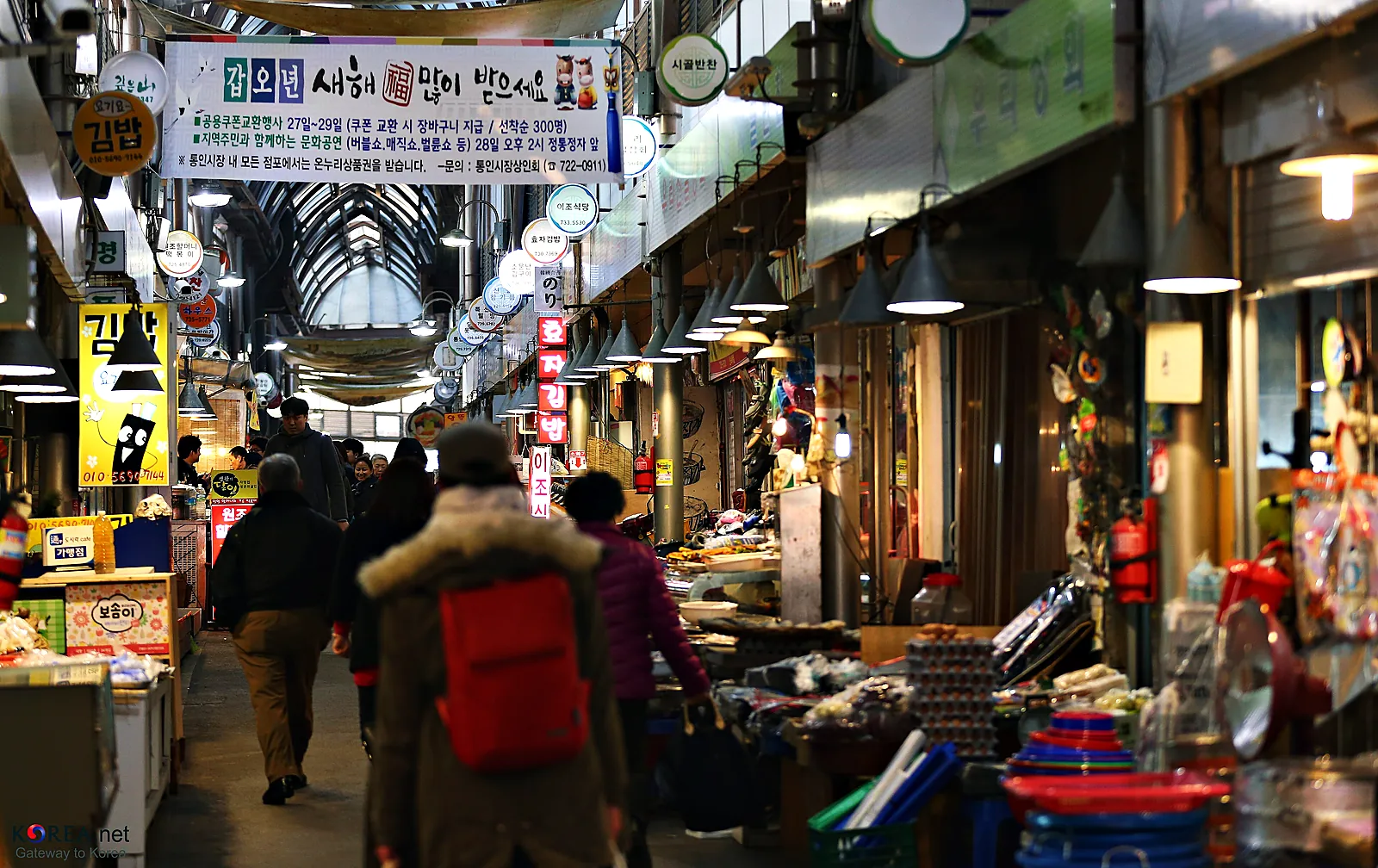
Photo: Republic of Korea from Seoul, Republic of Korea / Wikimedia Commons, CC BY-SA 2.0 (edited) A small neighbourhood market in Seochon, famous for its coin lunchbox: buy brass coins and fill a tray from the stalls. Don't miss the oil-fried tteokbokki.
Good to know: The lunchbox café keeps shorter hours than the market and closes on some days. Gyeongbokgung Station (Line 3), exit 2.
Read more:
-
4
Mangwon Market
망원시장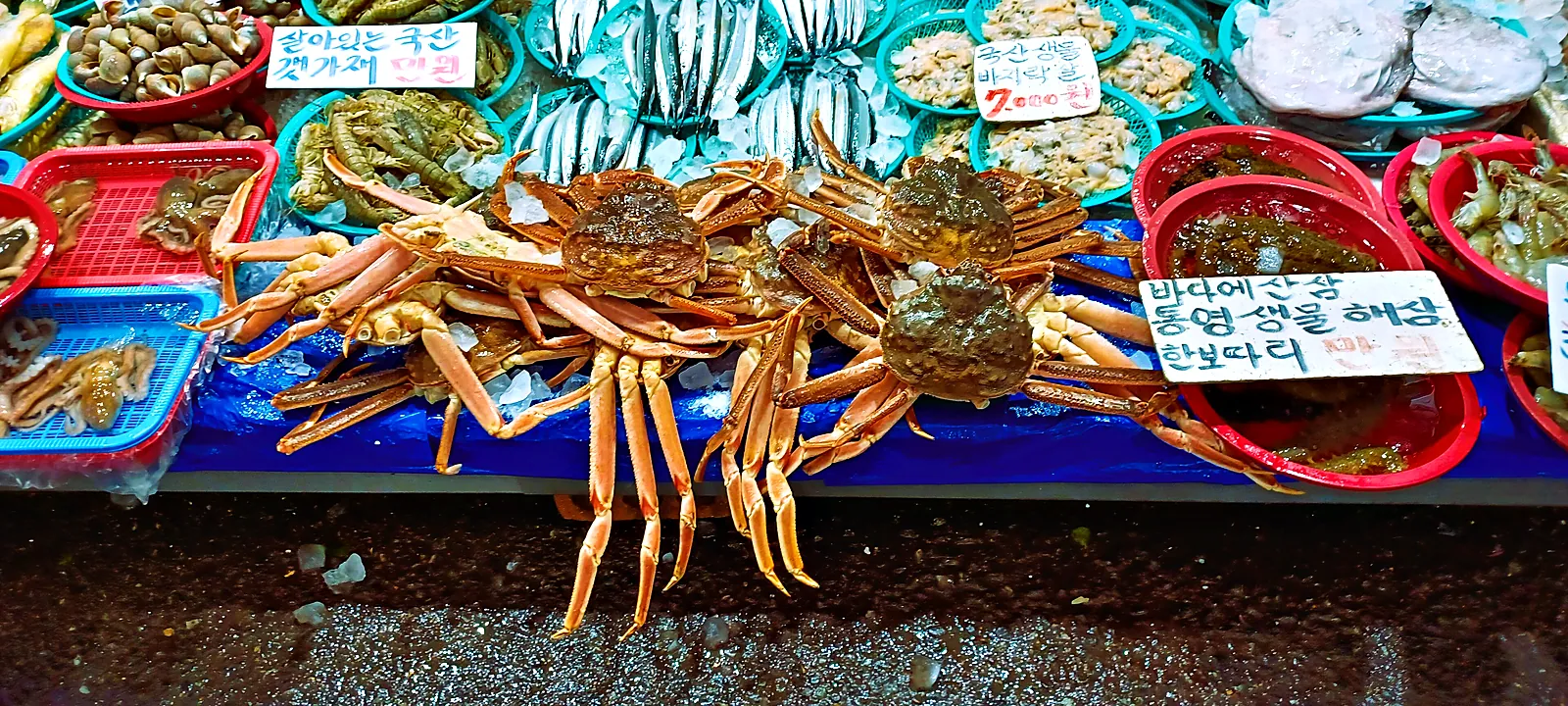
Photo: Enamoradadecorea / Wikimedia Commons, CC0 (edited) A real local market near Hongdae with cheap croquettes, sweet fried chicken and fruit — buy snacks and carry them down to the river.
Good to know: Mangwon Station (Line 6), exit 2; Mangwon Hangang Park is a 10-minute walk.
Read more:
-
5
Noryangjin Fish Market
노량진수산시장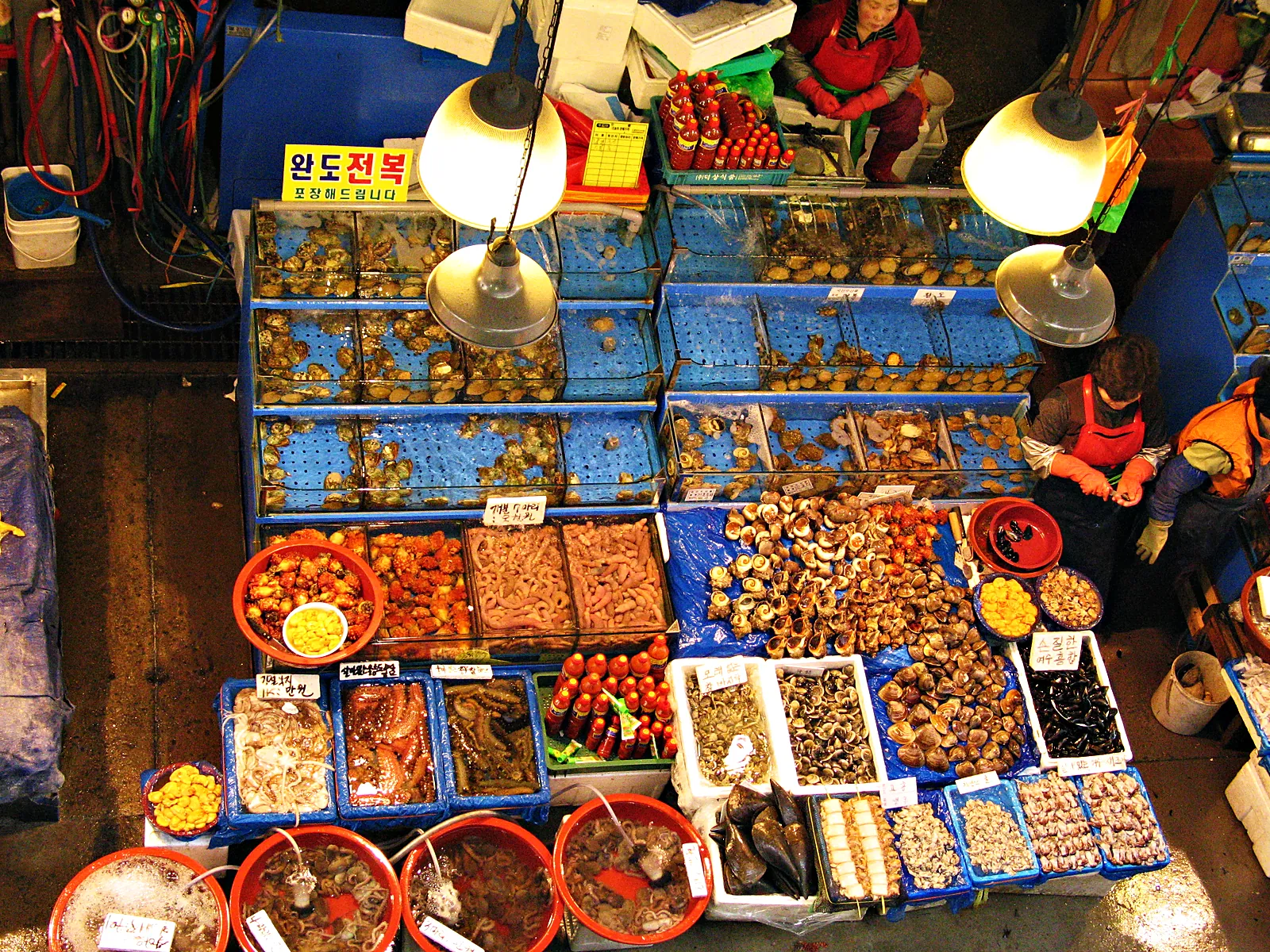
Photo: Gaël Chardon / Wikimedia Commons, CC BY-SA 2.0 (edited) Seoul's huge seafood market. Choose live fish, crab or octopus downstairs, then have it prepared at a restaurant upstairs.
Good to know: Ask the price by weight before anything is netted. Noryangjin Station (Line 1, Line 9).
Read more:
-
6
Dongdaemun fashion malls
동대문 패션타운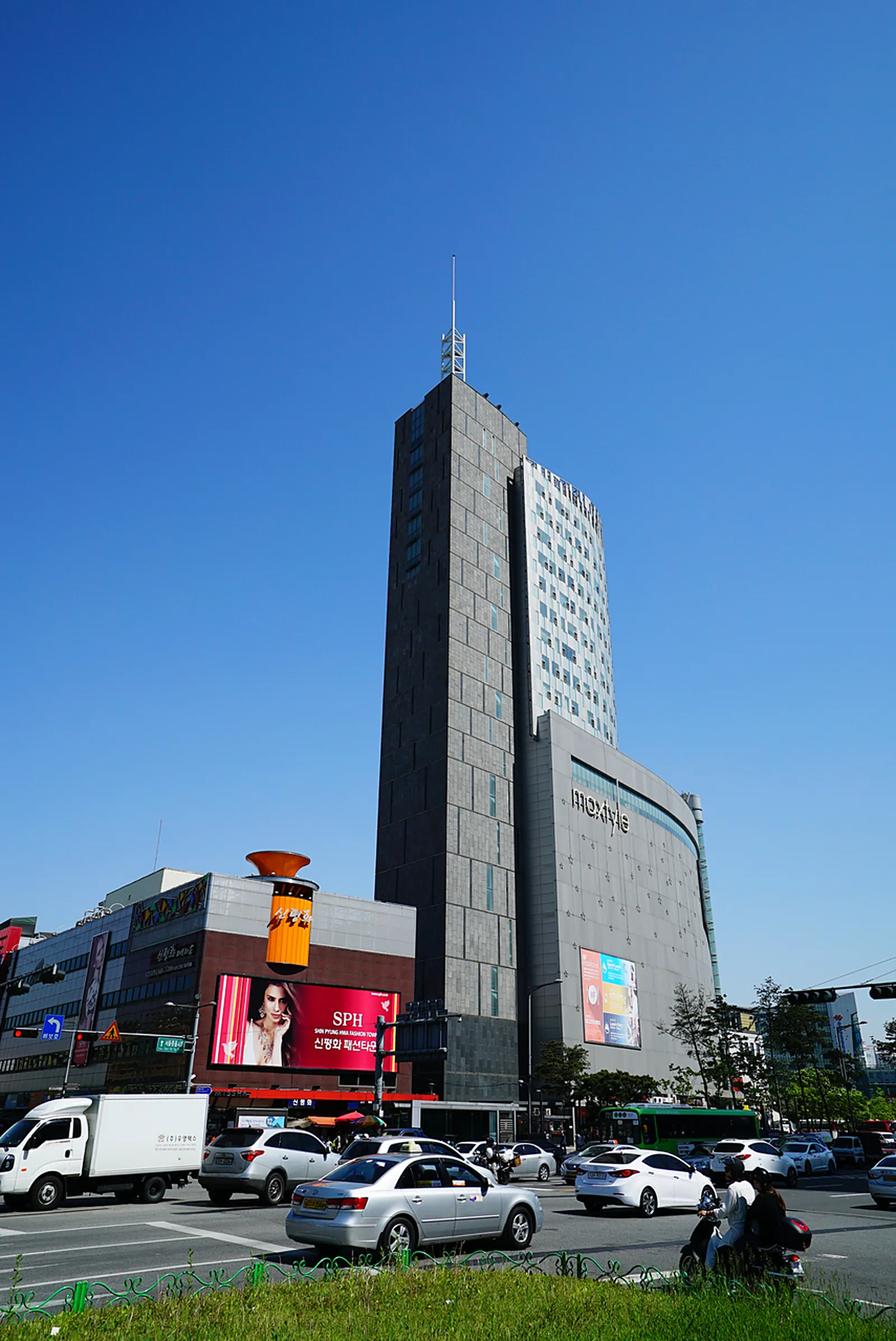
Photo: 한국관광공사 이범수 / Korea Tourism Organization (KOGL Type 1) Tower after tower of fashion malls and wholesale markets around DDP, many open deep into the night.
Good to know: Retail malls open late evening; wholesale floors run through the night. Dongdaemun History & Culture Park Station (Lines 2, 4, 5).
Read more:
-
7
Seoul Folk Flea Market
서울풍물시장A sprawling indoor flea market of vintage records, cameras, old signs, army surplus and pure junk. Great for a rummage and a cheap bowl of noodles at the food stalls.
Good to know: Closed on some weekdays — check before you go. Sinseol-dong Station (Lines 1, 2), exit 10.
-
8
Jagalchi Market
자갈치시장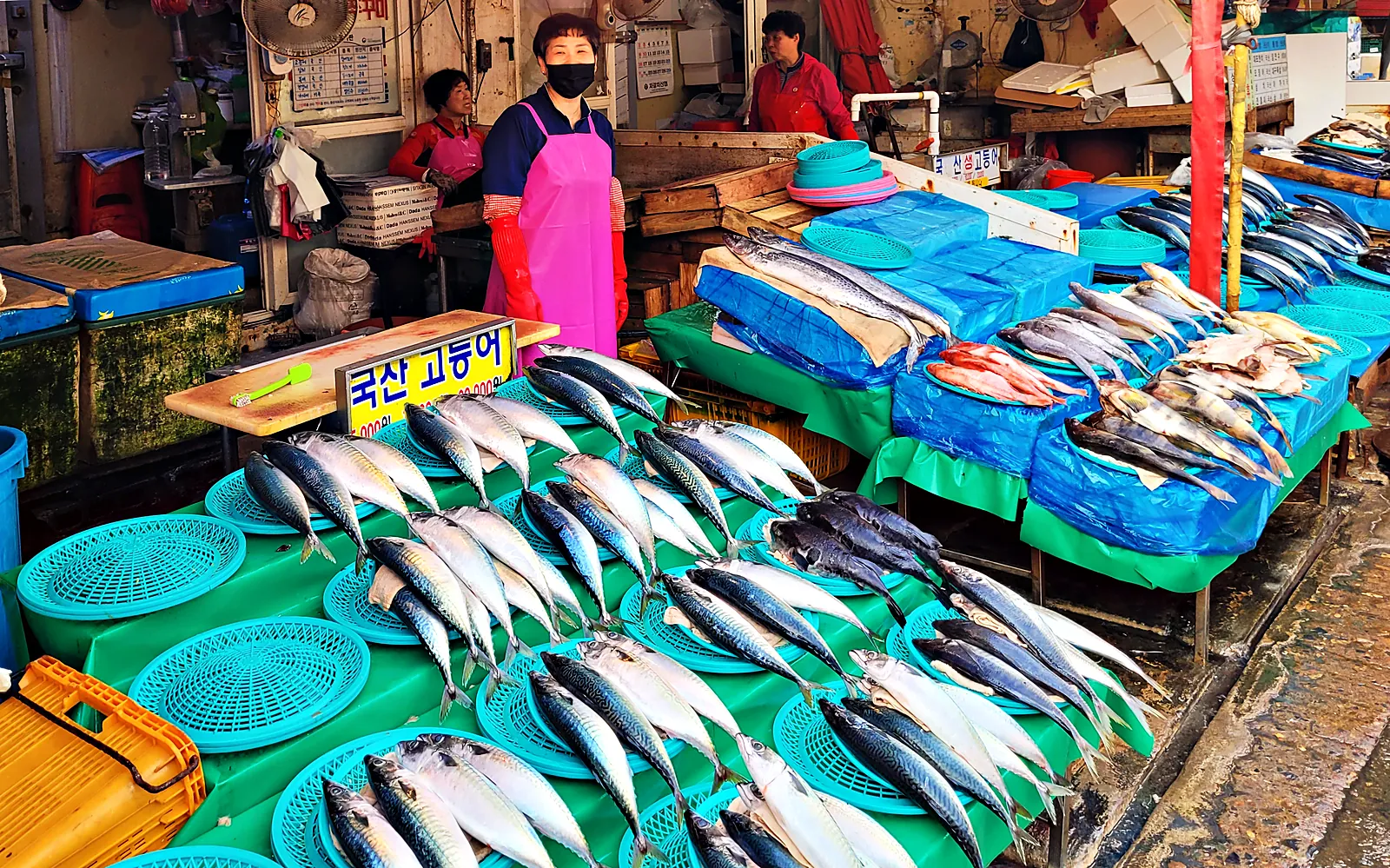
Photo: Bernard Gagnon / Wikimedia Commons, CC0 (edited) Busan's famous fish market on the harbour: rows of tanks, ajummas shouting prices and a raw-fish feast upstairs.
Good to know: Part of our Busan day trip. Jagalchi Station (Busan Line 1).
Read more:
-
9
Sokcho Tourist & Fish Market
속초관광수산시장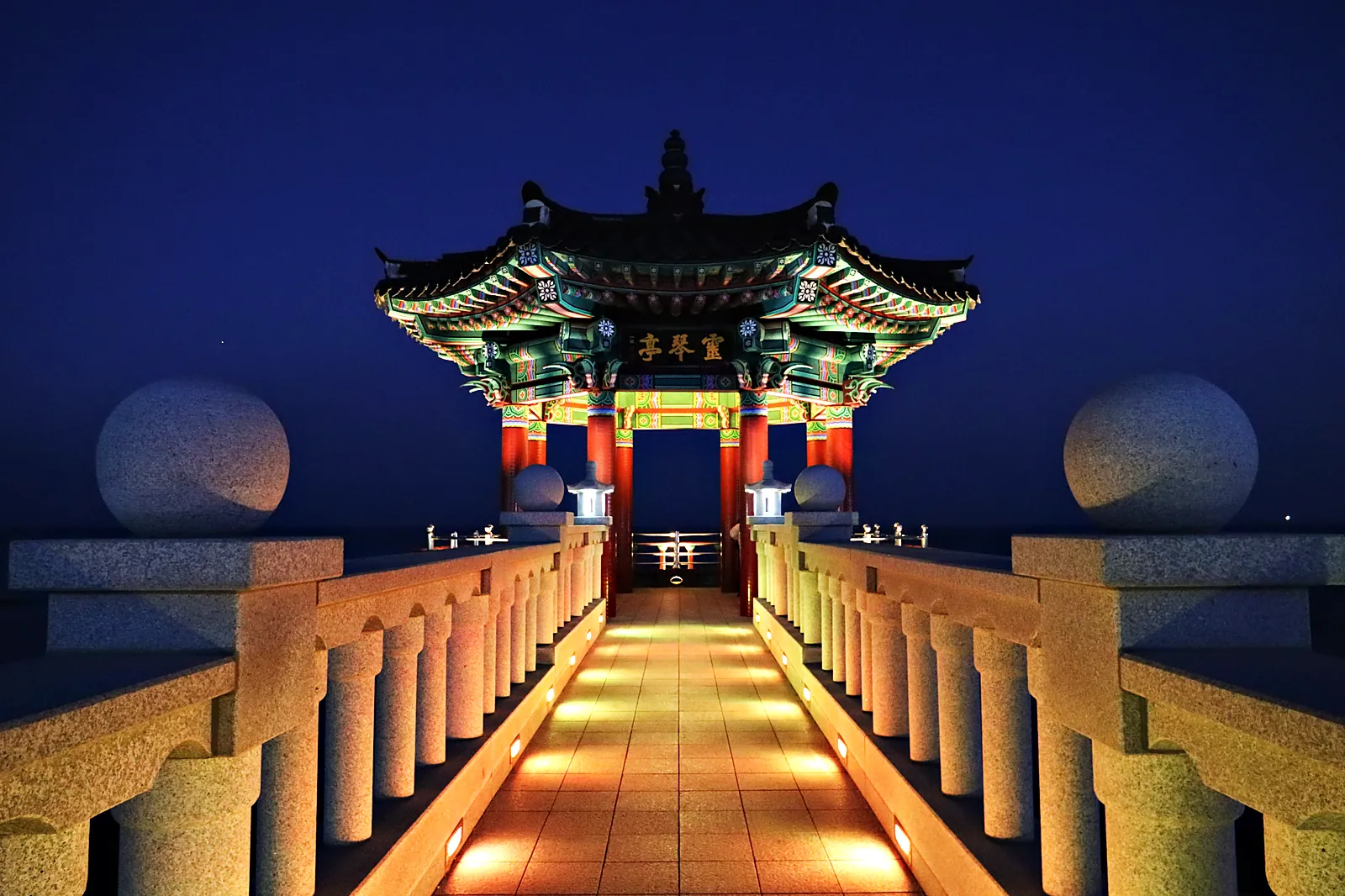
Photo: Mobius6 / Wikimedia Commons, CC BY-SA 4.0 (edited) Sokcho's central market, known for dakgangjeong (sweet crispy chicken) and fresh seafood — the place to eat after Seoraksan.
Good to know: Part of our Sokcho guide.
Read more:
Market Food
Gwangjang Market: What to Eat and How to Order
Street Food
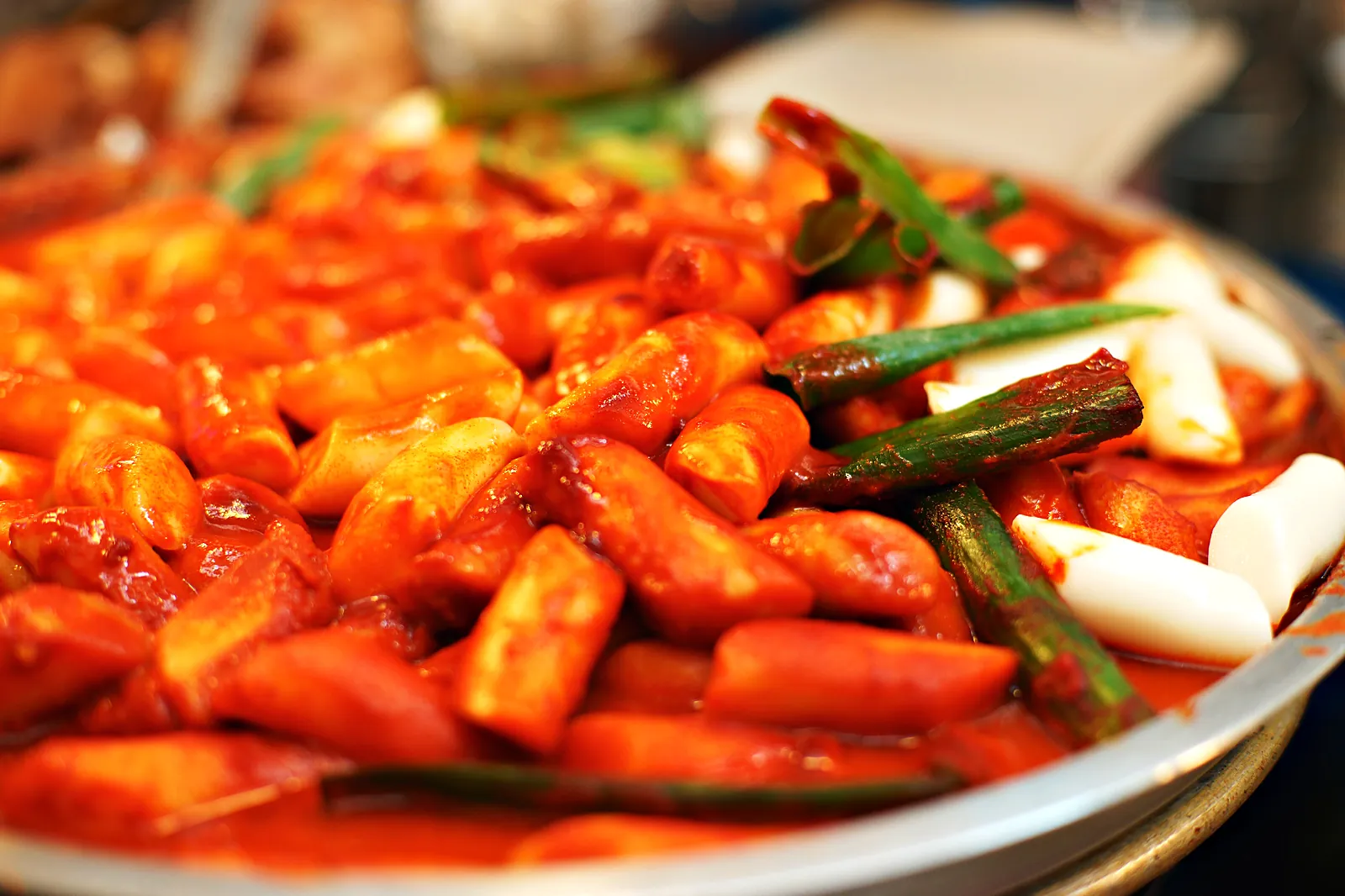
Seoul Street Food, A to Z
Neighborhood
Seochon: The Quiet Village West of the Palace
K-Beauty
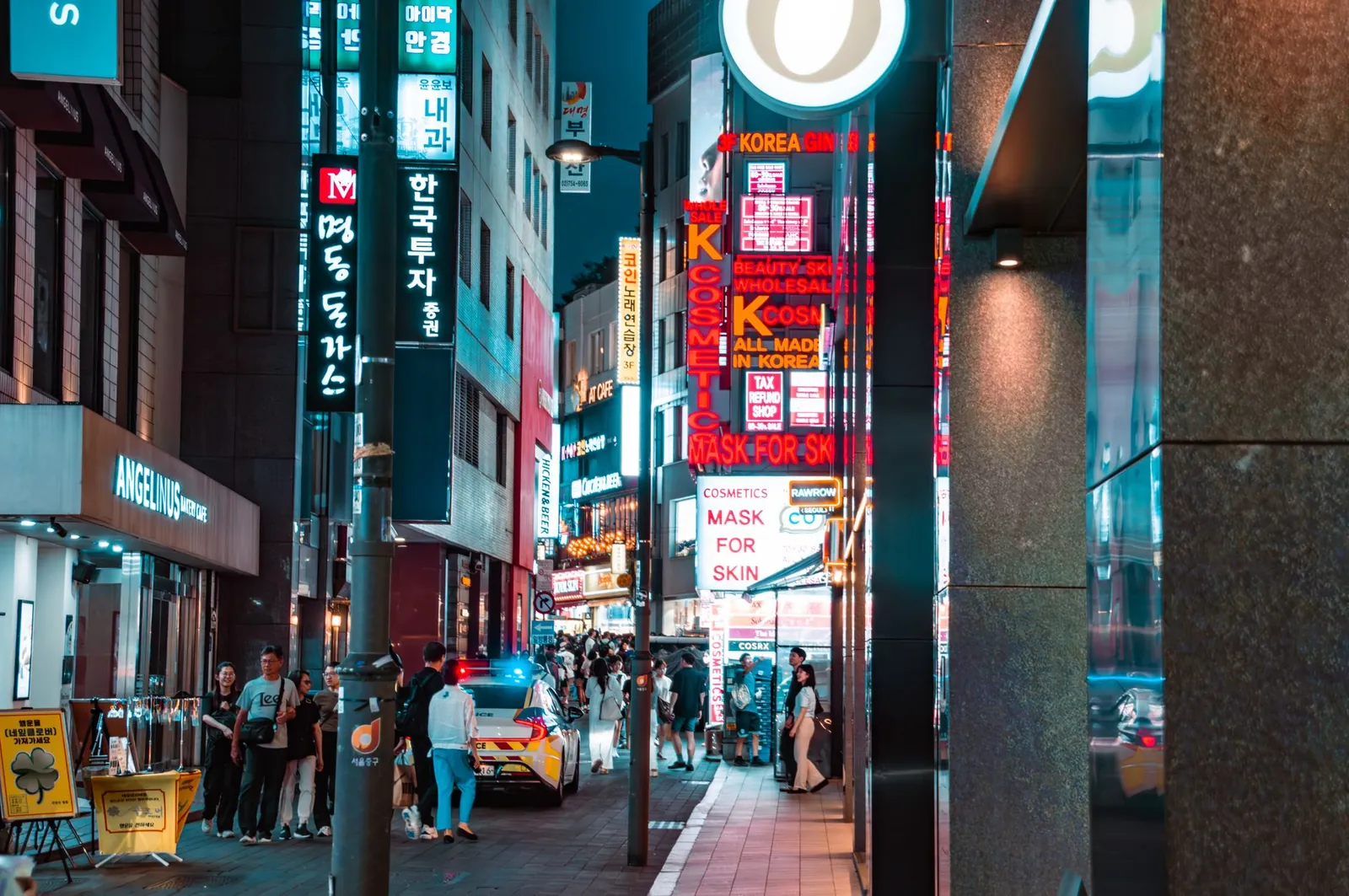
The Myeongdong Beauty Crawl
Neighborhood
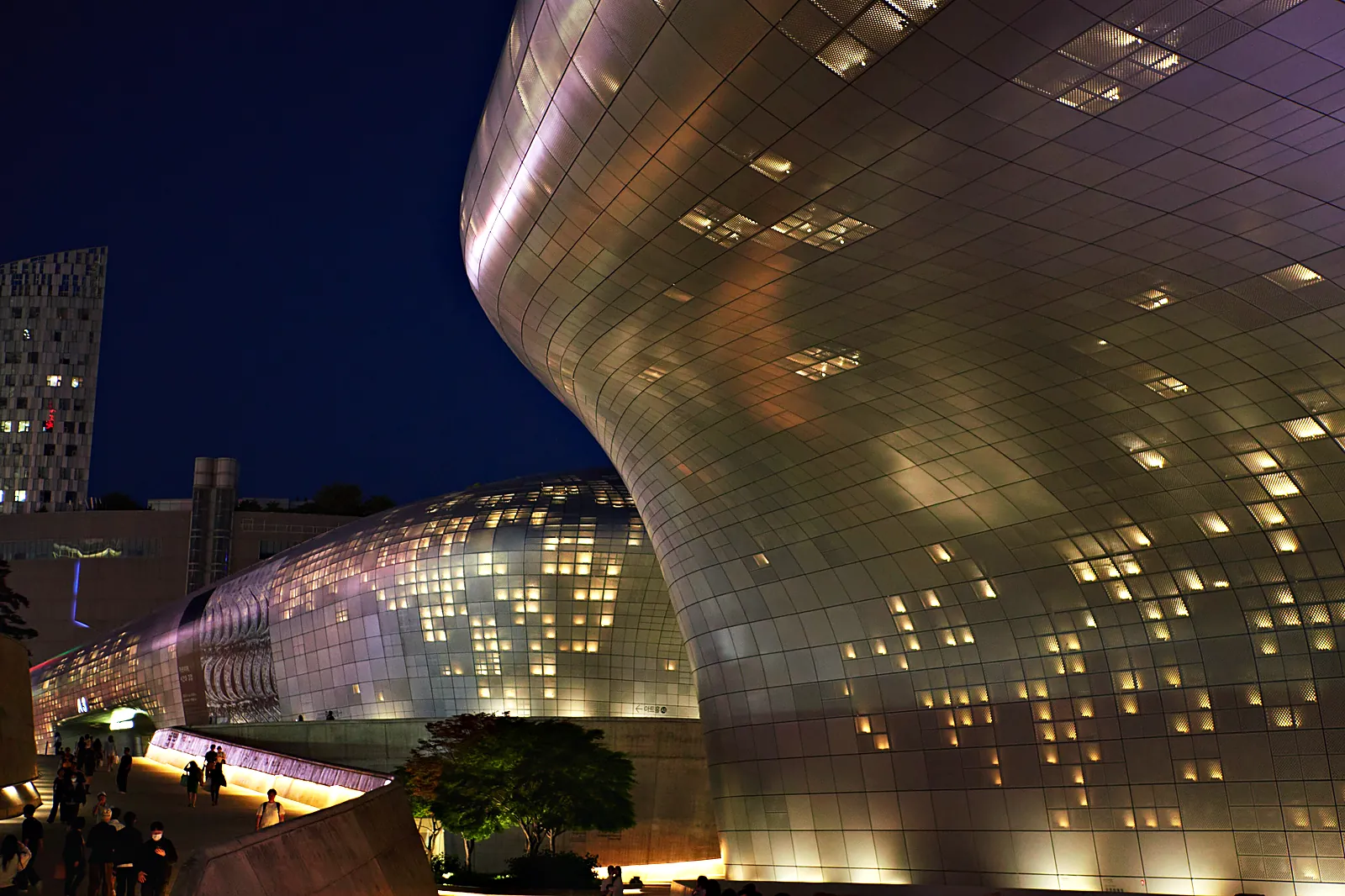
Dongdaemun, DDP and Euljiro: Seoul After Dark
Weekend Trip